Asset Management is a critical aspect of any organization's operations. It involves the systematic approach to the governance and realization of value from the things that a group or entity is responsible for, over their whole life cycles. Computerized Maintenance Management Systems (CMMS) play a crucial role in this process. This article explores the complexities of CMMS and its role in asset management.
CMMS is a software package that maintains a computer database of information about an organization's maintenance operations. This information is designed to assist maintenance workers in performing their duties more efficiently and to enable management to make informed decisions. In the context of asset management, CMMS becomes an indispensable tool.
Understanding CMMS
At its core, a CMMS system is designed to simplify, automate, and organize maintenance tasks within an organization. It is a robust platform that provides a centralized database of comprehensive information about maintenance activities in a company.
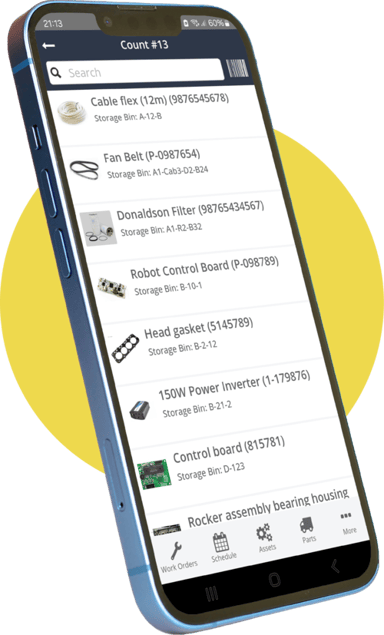
This includes details about all the company's assets, their maintenance schedules, detailed work orders, predictive and preventive maintenance, asset lifecycle tracking, and even inventory control.
CMMS systems are used across a wide range of industries, including manufacturing, healthcare, hospitality, energy, and more. They can be used for a single site or across multiple locations, and they can be customized to suit the specific needs and challenges of each industry or company.

Components of a CMMS
A CMMS is made up of several key components, each designed to perform specific functions. These components include the asset database, work order system, preventive maintenance, reporting and analytics, and inventory management. Each of these components plays a crucial role in the overall functionality of a CMMS.
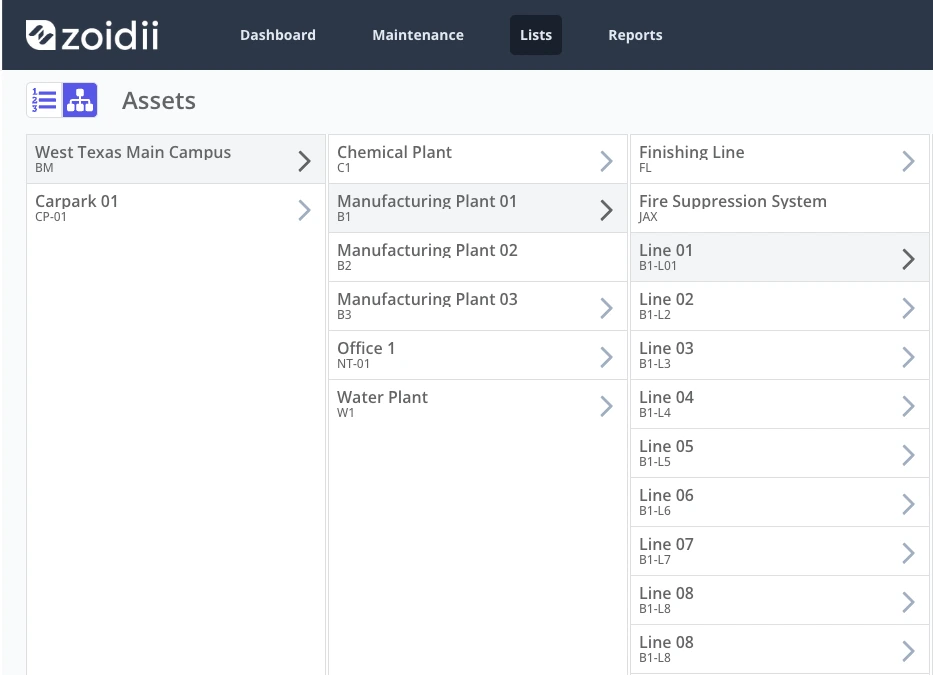
The asset database is the heart of the CMMS. It contains detailed information about each asset, including its specifications, maintenance history, and location. The work order system is where all maintenance tasks are managed and tracked.
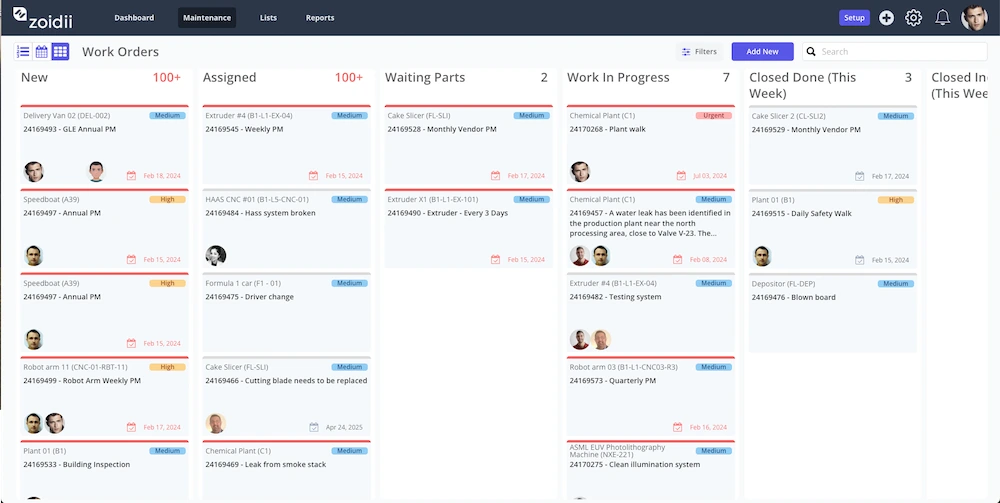
It allows for the creation, scheduling, tracking, and closure of work orders. Preventive maintenance is a critical component that helps prevent asset failure by scheduling routine checks and maintenance.
Benefits of a CMMS
Implementing a CMMS within an organization brings numerous benefits. It improves the efficiency of maintenance operations, enhances asset longevity, reduces downtime, and can significantly lower costs. By having a centralized system, organizations can avoid unnecessary duplication of work and improve the accuracy of their maintenance tasks.
Furthermore, a CMMS enhances data accuracy and provides valuable insights into maintenance operations. Through reporting and analytics, organizations can identify trends, spot potential problems before they occur, and make data-driven decisions.
This can lead to improved asset utilization, reduced maintenance costs, and increased operational efficiency.
CMMS in Asset Management
A CMMS becomes an invaluable tool in asset management. It provides a structured and efficient way to manage and maintain all assets within an organization. This includes tracking the asset's lifecycle, from acquisition to disposal and everything in between.
Asset management is a broad field that encompasses a range of tasks, including asset tracking, preventive maintenance, asset lifecycle management, and other related activities.
A CMMS can help streamline these tasks, making them easier and more efficient. It can also provide valuable insights that can help improve asset performance and reduce costs.
Asset Tracking
Asset tracking is one of a CMMS's primary functions in asset management. This involves keeping a record of all assets in an organization, including their location, status, and any associated maintenance tasks. Asset tracking can help prevent loss or theft and ensure that assets are being used efficiently.
With a CMMS, asset tracking becomes much simpler and more efficient. The system can automatically track assets, update their status, and even send alerts when maintenance is due. This can save significant time and effort compared to manual tracking methods.
Preventive Maintenance
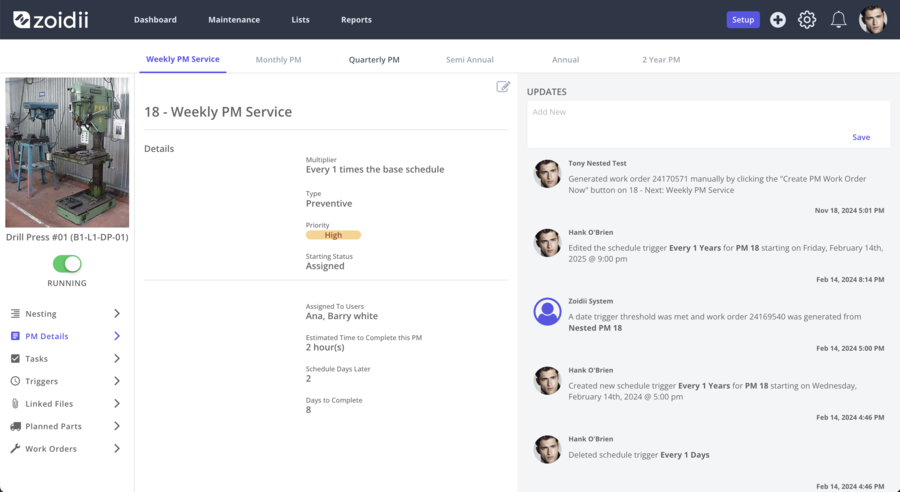
Preventive maintenance is another critical aspect of asset management. It involves regularly scheduled maintenance tasks designed to prevent breakdowns and failures. This can significantly extend an asset's lifespan and reduce costs associated with repairs and replacements.
A CMMS can automate the scheduling of preventive maintenance tasks, ensuring that they are not overlooked. The system can also track the results of these tasks, providing valuable data that can be used to optimize maintenance schedules and procedures.
Choosing a CMMS
Choosing the right CMMS for your organization can be a challenging task. A variety of systems are available, each with its own unique features and benefits. When selecting a CMMS, it is essential to consider your organization's unique needs and challenges.
When selecting a CMMS, several key factors should be considered, including the size of your organization, the complexity of your maintenance operations, the types of assets you manage, and your budget. It's also important to consider the scalability of the system, as your needs may change over time.
Features to Look For
When evaluating a CMMS, several key features should be considered. These include a comprehensive asset database, a robust work order system, preventive maintenance scheduling, inventory management, and reporting and analytics capabilities. Choosing a system that offers mobile access is also beneficial, as it provides greater flexibility and efficiency.
Another essential feature to consider is ease of use. A CMMS should be user-friendly and intuitive, making it easy for all team members to use. This can help ensure that the system is used effectively and can deliver the maximum benefits.
Implementation and Training
Once you've chosen a CMMS, planning for its implementation and training is essential. Implementing a CMMS is a significant project that necessitates meticulous planning and coordination. It is necessary to involve all relevant stakeholders in the process, including maintenance staff, IT personnel, and management.
CMMS training is also a critical part of implementing a CMMS. All users should be trained on how to use the system effectively. This includes understanding how to input data, create and manage work orders, schedule preventive maintenance, and generate reports accurately and efficiently. Ongoing training may also be necessary as new features are added or as staff turnover occurs.
Conclusion
In conclusion, a CMMS is a powerful tool that can significantly enhance the efficiency and effectiveness of asset management. By providing a centralized system for managing and maintaining assets, a CMMS can help organizations reduce costs, improve asset performance, and make informed decisions.
Choosing the right CMMS for your organization requires careful consideration of your specific needs and challenges. With the right system in place, you can reap the many benefits of a CMMS.