What is a CMMS coordinator?
A Computerized Maintenance Management System (CMMS) is an essential tool many industries use to manage their assets, plan and schedule all maintenance-related activities, track work orders, and improve equipment reliability by analyzing the reasons for failure.
At the heart of this system lies a key player responsible for orchestrating the entire operation: the CMMS Coordinator.
Understanding the responsibilities of a CMMS coordinator
A CMMS Coordinator is vital in any organization that relies on a Computerized Maintenance Management System (CMMS) to manage its assets and maintenance operations.
It is their responsibility to ensure the efficient operation of the CMMS and its integration into the facility's maintenance program. They are responsible for several tasks that require a high level of organization and attention to detail.
1. Coordinating resources & scheduling maintenance
The CMMS coordinator works with maintenance technicians, contractors, and other personnel to schedule maintenance activities and ensure the necessary resources are available.They must ensure techs complete maintenance work on time by assigning the appropriate resources to each task. This requires effective communication and collaboration with maintenance staff, facility managers, and other stakeholders.
2. Training staff for effective use
Training staff on the proper use and navigation of the CMMS is also a crucial responsibility of the CMMS Coordinator. They must ensure that all personnel using the system receive proper CMMS training to maximize its effectiveness.They must monitor usage to see if certain individuals need further training to use the system better. In some cases, additional support from a CMMS field trainer can be necessary to enhance overall system use. You can also consider implementing strategies to increase CMMS software user adoption.
3. Ensuring data integrity in CMMS maintenance
The CMMS coordinator is responsible for managing and updating the CMMS database, including maintaining accurate asset data, work instructions, maintenance checklists, and preventive maintenance records.They own the setup of new assets, routines, job specifications, and meter reading test points. The CMMS Coordinator must ensure the database is up-to-date and technicians enter all information correctly to enable effective data analysis.
4. Data Analysis
The CMMS coordinator reviews maintenance activities and evaluates existing equipment systems. They compile reports on technical performance metrics and analyze CMMS data to identify trends, areas for improvement, and ways to optimize the system further.They must be able to interpret the data and use it to make informed decisions about maintenance operations.
5. Drive maintenance process improvements
CMMS Coordinators possess in-depth knowledge of the organization's infrastructure, processes, and equipment. This knowledge allows them to identify potential maintenance issues and proactively develop strategies to address them.They also possess a keen understanding of software applications and IT systems to enhance the use of the CMMS and keep it up-to-date with current and future needs.
6. Conducting CMMS audits for compliance and optimization
The CMMS coordinator serves as the point of contact for any audits, including internal, external, or regulatory bodies. They pull the data the auditor requires from the CMMS system and present it for review.7. Managing parts and inventory control
Work closely with procurement and inventory management teams to ensure that the necessary parts and materials are available when needed.8. Providing CMMS technical support and access management
The CMMS coordinator serves as the subject matter expert. They are the first point of contact to resolve usability issues and address technical questions related to the CMMS.They serve as the liaison for problem-solving and escalation between the company and the CMMS vendor for problems they cannot resolve in-house. They also serve as the access control official for the CMMS system, adding and retiring user accounts, issuing new passwords, etc.
9. Maximize the potential of CMMS
The CMMS Coordinator must work closely with maintenance staff, facility managers, and other stakeholders to ensure seamless integration and usage of the CMMS. They must communicate effectively with all parties involved and ensure that everyone understands the importance of the CMMS to the success of the maintenance program.How CMMS coordinators enhance maintenance management
While an organization can implement and use a CMMS without a dedicated coordinator, having a professional dedicated to this role can immensely benefit the company through the following:
- Improved Efficiency: A skilled CMMS Coordinator ensures that all maintenance work is scheduled, assigned, and completed promptly and efficiently. This often involves using CMMS work order management and streamlining maintenance workflows.
- Reduced Downtime: A CMMS Coordinator focuses on preventive maintenance strategies to minimize equipment failure, improve uptime, increase mean time between failures (MTBF), and maintain production continuity.
- Cost Savings: A CMMS Coordinator can help reduce labor costs and minimize equipment repair and replacement expenses through efficient scheduling and resource allocation.
- Better Decision Making: By analyzing the data generated by the CMMS and its integrated reporting tools, a Coordinator can help identify trends and areas for improvement, providing valuable insights for informed decision-making.
How CMMS coordinators optimize asset management and maintenance planning
An effective CMMS Coordinator streamlines asset management and optimizes the entire maintenance process. They accomplish this by:
- Setting up comprehensive asset hierarchies and profiles within the CMMS to track equipment condition, maintenance history, and work order information.
- Utilizing data from the CMMS to determine appropriate preventive maintenance schedules and prioritize tasks accordingly. This level of organization is often facilitated by a PM coordinator who specializes in aligning resources with maintenance goals.
- Ensuring reliable and timely communication between maintenance staff, facility managers, and other stakeholders through the CMMS. Effective coordination is essential for improving CMMS benefits and ensuring that everyone is aligned with maintenance priorities.
- Digitizing and consolidating all facility maintenance documentation, including maintenance records, work orders, and reports, in a centralized repository for easy access.
What are the typical qualifications needed for a CMMS Coordinator?
Becoming a CMMS Coordinator is a challenging task requiring much hard work and dedication.
If you are interested in pursuing a career in this field, you should know that there are many qualifications and skills that you need to have to excel in this role. Typically, a CMMS coordinator will require the following qualifications:
- A bachelor's degree in engineering or an equivalent technical qualification is often required for CMMS coordinators, CMMS managers and CMMS administrators.
- Three to five years of experience in maintenance management or a related field is usually required.
- Some roles may require professional CMMS certification, such as Certified Maintenance and Reliability Professional (CMRP), Certified Manager of Maintenance (CMM), or Facility Management Professional (FMP).
Additional skills needed by a CMMS coordinator
Their responsibilities are wide-ranging and require a combination of technical, organizational, and interpersonal skills to perform effectively. The role requires strong CMMS skills and the ability to apply those skills to optimize the overall maintenance process.
Competence in data analysis, reporting, and project management, as well as excellent communication skills, are crucial for excelling in this role.
- Data Analysis: A CMMS Coordinator should be able to analyze data, generate reports, and manage projects effectively.
- Communication: To achieve daily objectives, they should have excellent communication skills to communicate effectively with their team, management, and other stakeholders.
- Organizational: Good organizational abilities with a systematic approach to prioritization.
What practical experience does a CMMS coordinator need?
Besides the educational qualifications and certifications mentioned above, a CMMS Coordinator may need additional training to excel in their role:
1. CMMS products and operations
To effectively manage a specific CMMS, a coordinator should be well-versed in its features, functionalities, and operation. They need experience working in CMMS systems, from configuration to day-to-day operations.2. Industry-specific training
Depending on their organization's industry, a CMMS Coordinator may need training in maintenance management best practices or industry standards relevant to their specific sector.3. Project management
Since a CMMS coordinator often oversees multiple maintenance projects, training in project management methodologies and best practices can be incredibly valuable.What tools does a CMMS coordinator Use?
While a CMMS is a central tool for a Coordinator, they may utilize additional tools and resources to enhance their workflow, including:
1. CMMS software for maintenance coordination
The CMMS coordinator spends most of their time in the CMMS reviewing work requests, planning and scheduling work orders, adjusting PM schedules, running reports, and verifying completed PMs.2. Data analysis tools for process improvements
Tools like Microsoft Excel or specialized analytics software can help a CMMS Coordinator analyze data and make informed decisions.3. Asset tracking devices and inventory control solutions
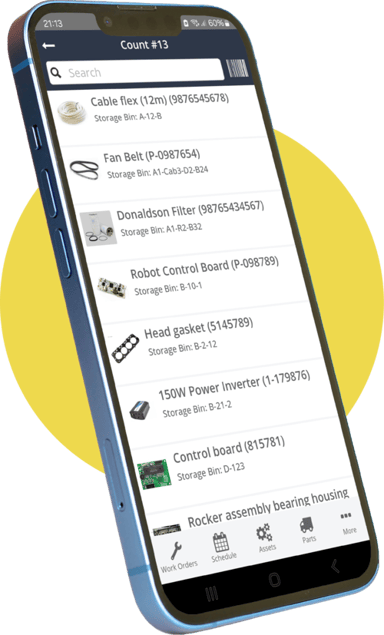
Barcode scanners, QR code readers, and radio frequency identification (RFID) scanners can significantly improve asset tracking and inventory management. By harnessing the power of these tools, a CMMS Coordinator can optimize the overall efficiency and effectiveness of the organization's asset and maintenance management strategies.4. Mobile applications for on-the-go maintenance management
Mobile applications integrated with the CMMS can help maintenance teams access and update work orders, asset data, and maintenance records on the go.Using mobile CMMS software can significantly improve workflow efficiency and ensure that maintenance tasks are managed effectively, even when away from a desktop computer.
What is the role of a CMMS coordinator in the workplace?
As the backbone of a successful asset management program, a CMMS Coordinator is responsible for managing, maintaining, and ensuring the efficient use of a CMMS.
They help ensure an organization's assets are well-maintained within the maintenance budget. They are vital in reducing downtime, improving productivity, and minimizing repair costs by efficiently organizing maintenance activities.
Their expertise in maintenance management and knowledge of the CMMS contribute to improved efficiency, cost savings, and informed decision-making.
Employing a dedicated CMMS Coordinator can significantly benefit any organization relying on a computerized maintenance management system for its asset management needs.