The term 'downtime' refers to the period when a system, machine, or equipment is not operational due to failure, maintenance, or other reasons. The impact of downtime can be substantial, affecting productivity, efficiency, and profitability.
This article aims to provide an in-depth understanding of downtime in the context of Computerized Maintenance Management Systems (CMMS), exploring its causes, effects, and strategies for minimization.
Understanding downtime is crucial for any organization that relies on machinery or equipment for its operations. Downtime can lead to lost production, increased labor costs, and even reputational damage.
By leveraging a CMMS, organizations can effectively manage and reduce downtime, resulting in improved operational efficiency and cost savings.
Understanding Downtime
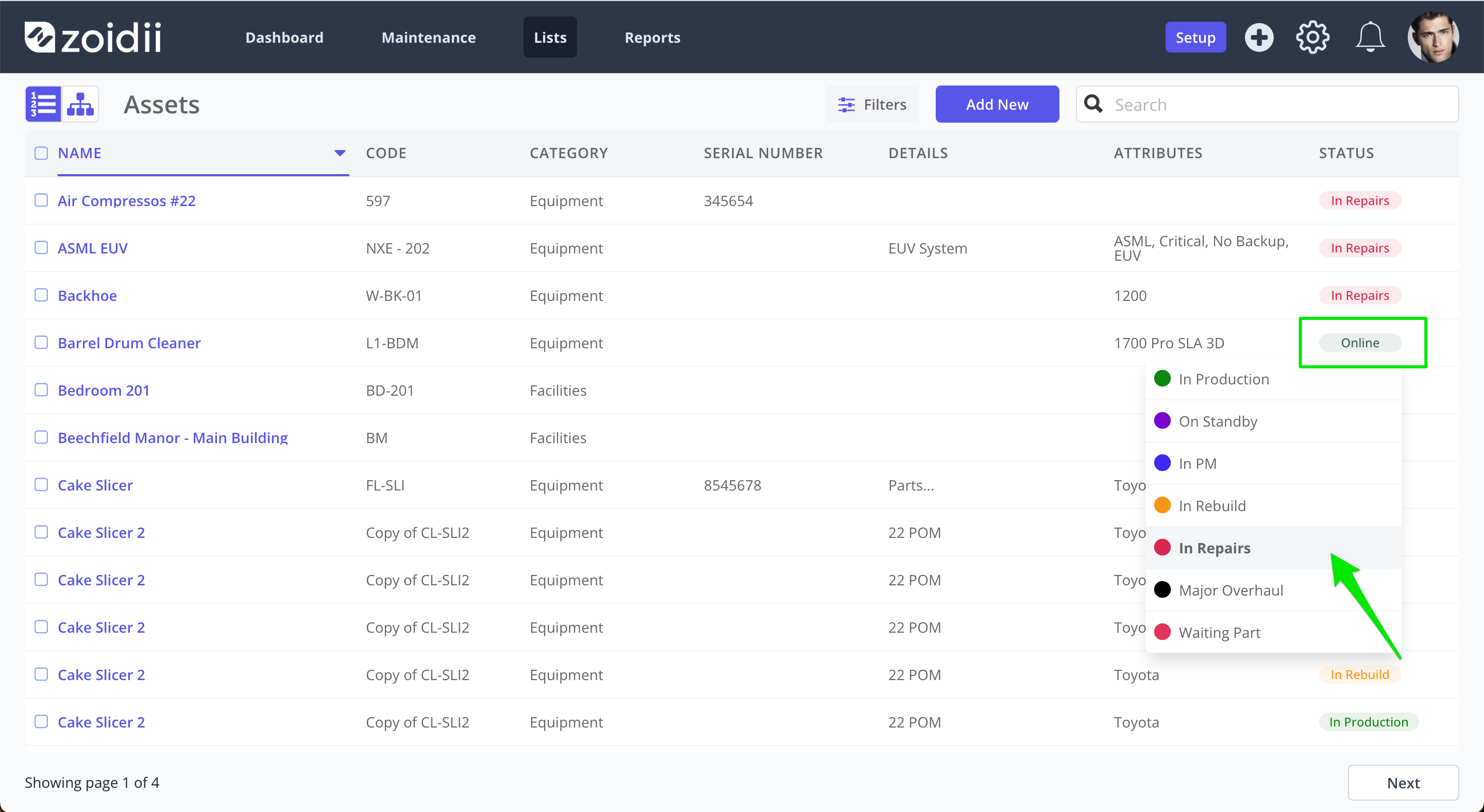
Downtime, in the context of CMMS, refers to the period when a system, machine, or equipment is not operational. This could be due to a variety of reasons, including equipment failure, scheduled maintenance, or external factors such as power outages.
Downtime is often considered a key performance indicator (KPI) in maintenance management, as it directly impacts an organization's operational efficiency and bottom line.
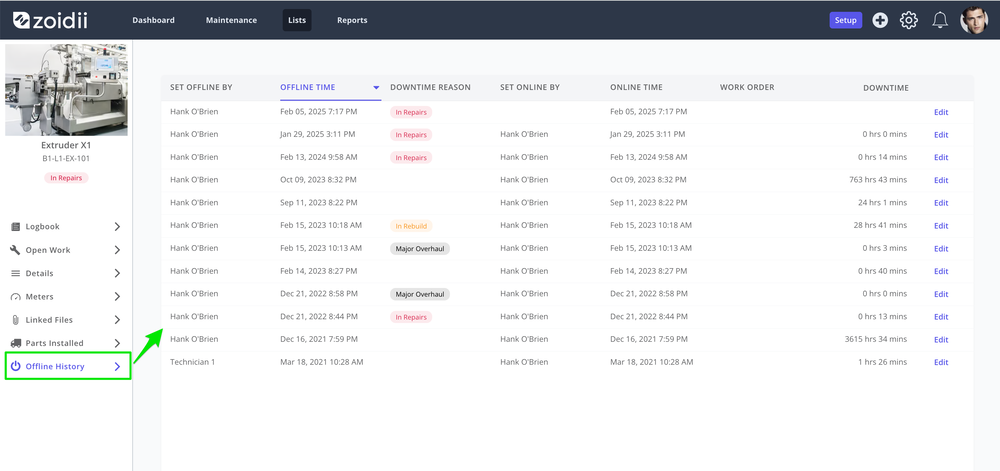
The duration and frequency of downtime can provide valuable insights into the performance and reliability of equipment. High levels of downtime may indicate underlying issues with equipment, such as poor maintenance practices or outdated machinery. By monitoring and analyzing downtime, organizations can pinpoint areas for improvement and implement targeted strategies to minimize downtime.
Types of Downtime
Downtime can be categorized into two main types: planned and unplanned. Planned downtime refers to periods when equipment is intentionally taken offline for scheduled maintenance or upgrades. This type of downtime is typically accounted for in production schedules and does not negatively impact productivity.
On the other hand, unplanned downtime occurs unexpectedly due to equipment failure or other unforeseen issues. This type of downtime can significantly disrupt operations and result in substantial financial losses. Therefore, minimizing unplanned downtime is a primary focus in maintenance management.
Impact of Downtime
The impact of downtime can be significant, affecting various aspects of an organization's operations. The most immediate effect is the loss of production. When equipment is offline, it's not producing goods or services, which can lead to missed deadlines and lost revenue.
In addition to lost production, downtime can also lead to increased labor costs. When equipment fails, maintenance personnel must spend time diagnosing and repairing the issue, resulting in overtime costs.
Furthermore, downtime can also have a ripple effect throughout an organization, disrupting schedules and causing delays in other departments.
Financial Impact
The financial impact of downtime can be substantial. In addition to lost revenue from halted production, organizations may also incur costs for emergency repairs, replacement parts, and overtime labor. In some cases, prolonged downtime can also result in contractual penalties or lost business opportunities.
Moreover, the financial impact of downtime can extend beyond immediate costs. For instance, frequent equipment failures can damage an organization's reputation, resulting in lost customers and a reduced market share. Therefore, it is crucial for organizations to effectively manage and minimize downtime.
Operational Impact
Downtime can also have a significant operational impact. When equipment is offline, it can disrupt production schedules and cause delays in other areas of operations. This can lead to inefficiencies, increased workload, and stress among employees.
Furthermore, frequent downtime can also impact an organization's ability to meet customer demands and maintain quality standards. In the long run, this can negatively impact customer satisfaction and loyalty, potentially resulting in lost business.
Managing Downtime with CMMS
Computerized Maintenance Management Systems (CMMS) play a crucial role in managing and reducing downtime. These systems provide a centralized platform for tracking and managing maintenance activities, enabling organizations to proactively address issues before they result in downtime.
By leveraging CMMS, organizations can schedule preventive maintenance, monitor equipment performance, and manage spare parts inventory, among other things. These capabilities can help minimize both planned and unplanned downtime, leading to improved operational efficiency and cost savings.
Preventive Maintenance
One of the key ways CMMS helps in reducing downtime is through preventive maintenance. This involves regularly inspecting and servicing equipment to prevent failures before they occur.
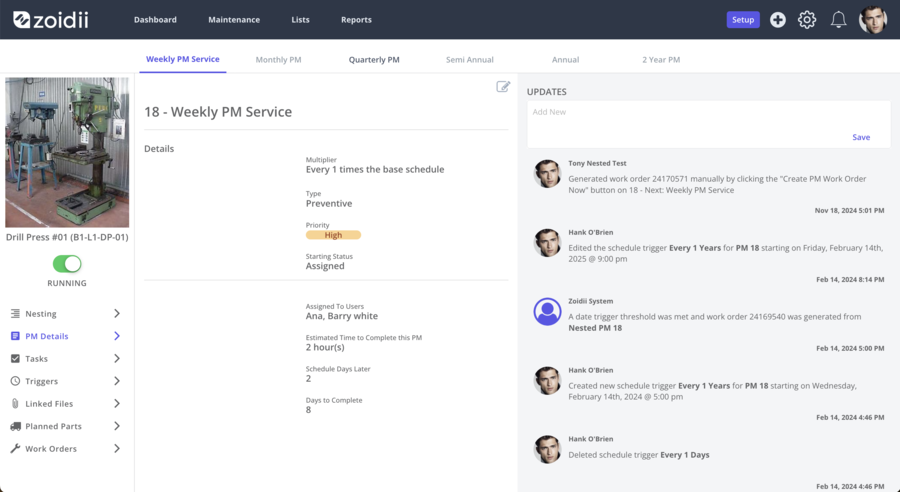
CMMS can automate the scheduling of preventive maintenance tasks, ensuring they are performed on time and reducing the risk of unexpected downtime.
Furthermore, CMMS software can also store historical maintenance data, providing insights into equipment performance and potential issues. This information can be used to refine maintenance schedules and strategies, further reducing the likelihood of downtime.
Real-Time Monitoring
Many CMMS solutions offer real-time monitoring capabilities, allowing organizations to track equipment performance in real-time. This can help identify issues early on, before they result in downtime.
For example, if a machine starts showing signs of wear and tear, maintenance personnel can be alerted to address the issue proactively.
Real-time monitoring can also provide valuable data for predictive maintenance, a strategy that utilizes data analysis to anticipate when equipment may fail.
By identifying potential issues in advance, organizations can schedule maintenance during non-peak hours, minimizing disruption to operations.
Strategies for Reducing Downtime
While CMMS plays a crucial role in managing downtime, it is also essential for organizations to implement strategies for minimizing downtime. These strategies can range from improving maintenance practices to investing in more reliable equipment.
One effective strategy is to prioritize preventive maintenance. By regularly inspecting and servicing equipment, organizations can prevent failures before they occur, reducing unplanned downtime.
Additionally, investing in training for maintenance personnel can also help improve their ability to diagnose and repair issues quickly, further reducing downtime.
Investing in Reliable Equipment
Another effective strategy for reducing downtime is to invest in reliable equipment. While this may require a significant upfront investment, it can lead to substantial long-term cost savings.
Reliable equipment is less likely to fail, reducing the frequency of unplanned downtime.
When selecting equipment, organizations should consider factors such as the equipment's track record, the manufacturer's reliability, and the availability of spare parts.
Additionally, organizations should also consider the total cost of ownership, which includes not only the purchase price but also the costs of maintenance, repairs, and downtime.

Improving Maintenance Practices
Improving maintenance practices can also help reduce downtime. This can involve implementing a preventive maintenance program, training maintenance personnel, and utilizing technology such as Computerized Maintenance Management Systems (CMMS).
By improving maintenance practices, organizations can proactively address issues before they result in downtime, improving operational efficiency and reducing costs.
In conclusion, downtime is a crucial aspect of maintenance management that can significantly impact an organization's operations and financial performance.
By understanding downtime and implementing strategies to manage and mitigate it, organizations can enhance operational efficiency, reduce costs, and strengthen their competitive position.