Grounds (sometimes called ground) maintenance is vital in creating a safe, aesthetically pleasing, and functional environment for institutions and organizations. Whether maintaining the landscapes of schools, hospitals, corporate offices, or parks, facilities and maintenance managers are tasked with ensuring that outdoor spaces remain well-kept year-round.
Grounds maintenance goes beyond simply mowing lawns—it encompasses a wide range of tasks that require strategic planning, effective execution, and often, modern tools like a Computerized Maintenance Management System (CMMS).
This article explores different types of grounds maintenance, the organizations that require it, and how a CMMS can assist in managing these tasks effectively.
Different Types of Grounds Maintenance
Grounds maintenance involves various tasks that ensure outdoor areas’ upkeep, safety, and beauty. These tasks are typically categorized into several key types of maintenance:
- Lawn Care: This is one of the most common types of grounds maintenance. It involves regular mowing, fertilization, and weed control to ensure a healthy, green lawn. Proper lawn care includes seasonal treatments like aeration, overseeding, and leaf removal.
- Landscape Maintenance: This covers the upkeep of trees, shrubs, flower beds, and other plants. Tasks include pruning, mulching, planting, and pest control. It also involves ensuring that plants are healthy and free from disease, which can affect the overall aesthetic and health of the landscape.
- Irrigation Management: Proper irrigation is essential for keeping landscapes lush and vibrant, especially in dry climates. Groundskeepers must regularly inspect and repair sprinkler systems, monitor water usage, and adjust schedules based on weather conditions to avoid over or under-watering.
- Hardscape Maintenance: Hardscape features such as walkways, patios, pressure washing, and ensuring surfaces are safe and accessible for pedestrians.
- Seasonal and Safety-Related Maintenance: Depending on the region, seasonal tasks like snow removal, de-icing, and storm cleanup are essential for ensuring the safety of outdoor spaces. Ensuring that walkways are free from ice, removing fallen branches, and maintaining clear paths are critical for safety during the winter months.
- Waste Management and Litter Control: Regular trash collection and litter removal are necessary to maintain cleanliness and prevent hazards in public areas.
- Sports Field Maintenance: In institutions with athletic programs, such as schools and sports complexes, maintaining fields, tracks, and courts is critical for safety and performance. This includes leveling fields, repairing turf, and maintaining court surfaces.
Types of Institutions/Organizations That Need to Maintain Grounds
A wide range of institutions and organizations rely on grounds maintenance to maintain their outdoor spaces’ appearance, functionality, and safety. Some of the key types include:
- Educational Institutions (Schools, Colleges, Universities): Maintaining the grounds of campuses is critical for creating a welcoming environment for students, staff, and visitors. Grounds maintenance includes lawn care, landscape design, and athletic field upkeep.
- Healthcare Facilities (Hospitals, Clinics, Nursing Homes): Healthcare facilities need well-maintained outdoor areas to create a healing and calm atmosphere for patients and visitors. Keeping pathways clear and gardens well-kept can improve the overall patient experience.
- Corporate Campuses: Businesses and corporations maintain outdoor areas to enhance the aesthetic appeal of their offices and provide comfortable spaces for employees. Well-kept grounds can boost employee morale and make a strong impression on visitors or clients.
- Municipal and Public Parks: City governments and municipalities maintain the community’s public parks, gardens, and green spaces. Regular grounds maintenance ensures these spaces remain safe and inviting for recreational activities.
- Sports Complexes: Sports facilities need proper maintenance to ensure safe playing conditions. Whether it’s a community park or a professional stadium, groundskeepers must regularly maintain the playing fields, seating areas, and surrounding landscapes.
- Residential Communities (HOAs, Apartment Complexes): Homeowners’ associations and residential property managers invest in grounds maintenance to enhance property value and ensure shared spaces are attractive and safe for residents.
How a CMMS Can Help Manage Grounds Maintenance
Managing grounds maintenance efficiently can be challenging, especially when dealing with large areas or complex landscapes. A Computerized Maintenance Management System (CMMS) can streamline the process by offering tools to schedule, track, and manage all grounds maintenance tasks.
Here’s how a CMMS can help:
- Task Scheduling and Automation: A CMMS allows managers to schedule routine maintenance tasks like mowing, irrigation checks, or seasonal snow removal. Automated schedules ensure that these tasks are completed on time without manual reminders.
- Asset Management: A CMMS tracks all equipment used in grounds maintenance, such as mowers, trimmers, and irrigation systems. Managers can monitor the condition of these assets, schedule preventive maintenance, and ensure that equipment is serviced regularly to avoid breakdowns.

- Work Order Management: When unexpected issues arise, such as equipment breakdowns or urgent repairs, a CMMS helps create, assign, and track work orders efficiently. Work orders ensure that problems are addressed promptly and that the team stays organized.
- Inventory Management: A CMMS can also track consumable supplies and parts like air filters, belts, and oil. Inventory tracking helps managers know when supplies are running low, ensuring that materials are always available when needed.
- Reporting and Analysis: A CMMS provides detailed reports on completed maintenance tasks, labor hours, and asset performance. This data helps managers analyze trends, identify repeat issues, and optimize maintenance schedules.
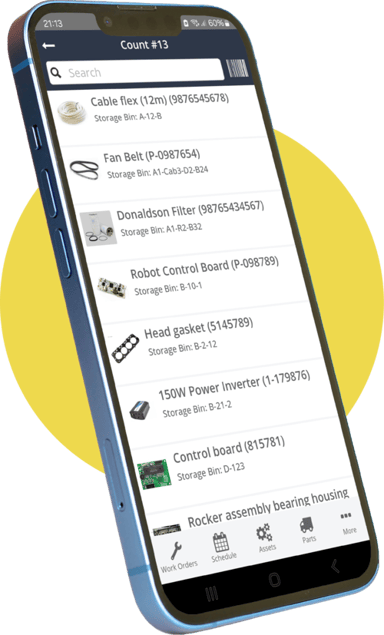
- Mobile CMMS: Many CMMS platforms offer mobile access, allowing grounds maintenance teams to access work orders, update task statuses, and log information directly from the field. This increases efficiency and ensures real-time communication between the team and management.
Scheduling Seasonal Grounds Maintenance in CMMS
Scheduling seasonal grounds maintenance using a Computerized Maintenance Management System (CMMS) software involves a few key steps to ensure that tasks are properly planned, tracked, and executed.
1. List Seasonal Activities: Identify tasks that need to be done on a recurring, seasonal basis, such as lawn mowing, snow removal, leaf raking, planting, fertilizing, or irrigation system shutdown.
2. Define Frequency: Determine how often these tasks need to be performed. Depending on the season, this might include weekly, monthly or quarterly tasks.
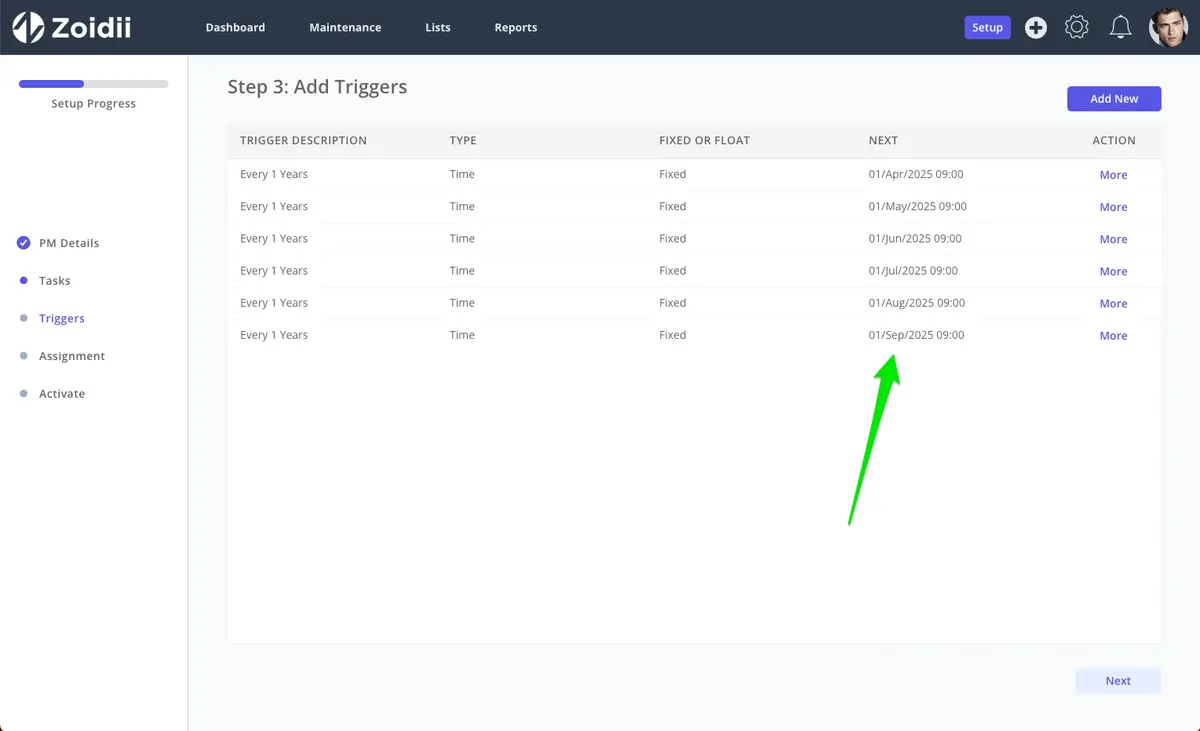
3. Configure the PM Trigger: Use the PM feature in the CMMS to schedule tasks for the right time of year. For example, schedule snow removal tasks to trigger from November to March, or grass cutting from March to September.
Some complex CMMS systems give you the ability to schedule based on season. For simple CMMS systems like Zoidii, the easiest way to schedule seasonal work in CMMS software is to create multiple triggers as follows:
Increase Grounds Maintenance Efficiency with CMMS Software
Grounds maintenance is essential for keeping outdoor spaces safe, attractive, and functional across various institutions and organizations. From lawn care to irrigation management, these tasks require careful planning and execution.
A CMMS offers powerful tools that simplify grounds maintenance tasks, enabling facilities and maintenance managers to ensure that outdoor areas are always in optimal condition. A CMMS enhances operational efficiency and supports the long-term care of institutional landscapes by automating schedules, managing work orders, and tracking assets.