
Hot work refers to tasks that generate heat, sparks, or flames, posing a potential risk of fire or explosion, especially in environments where flammable materials are present. Common examples of hot work include welding, cutting, grinding, and using open flames or torches.
Due to the inherent hazards associated with hot work, companies must implement strict safety measures to protect workers, equipment, and facilities. One of the most critical safety controls in this context is the "hot work permit."
A hot work permit is a formal document or authorization system designed to ensure that employees take the necessary precautions before, during, and after they perform hot work. It is often used in industrial settings such as manufacturing plants, oil refineries, chemical facilities, shipyards, and construction sites.
This article will cover everything you need to know about hot work permits: their purpose, the process of obtaining one, safety requirements, key components, and the responsibilities of various stakeholders involved in hot work activities.
Purpose of a Hot Work Permit
The primary objective of a hot work permit is to prevent fires, explosions, and other incidents that may result from the high-risk nature of hot work activities. The permit system achieves this by:
1. Assessing Risks:
Before hot work begins, the employees evaluate the area for potential hazards such as flammable materials, gases, vapors, or liquids.2. Ensuring Precautionary Measures:
The permit outlines specific precautions and safety measures that must be in place before the work can start.3. Formal Authorization:
By issuing a hot work permit, an organization formalizes the worker(s) 's responsibility to comply with safety requirements and confirms that a supervisor has reviewed and approved the safety plan.4. Post-Work Safety:
The hot work permit typically includes post-work requirements, such as a fire watch and inspections to ensure the area remains safe after the hot work is completed.When Is a Hot Work Permit Required?
Hot work permits are required in various industries where any of the following activities occur:
1. Welding and Cutting:
Welding, brazing, and oxyfuel cutting are everyday activities that involve open flames or high temperatures.2. Grinding and Drilling:
Abrasive cutting, grinding, or drilling may create sparks that could ignite nearby flammable materials.3. Soldering and Torch-Applied Roofing:
Soldering irons, heat guns, or torches for roofing work can generate enough heat to cause fires.4. Use of Open Flames:
Tasks involving the use of blow torches or other open-flame devices.While hot work permits are mandatory in these activities, some exceptions may apply if the employee performs the work in a specially designed and controlled area, such as a welding shop, where permanent safety measures are in place to mitigate fire hazards.
Critical Components of a Hot Work Permit
A hot work permit system typically consists of the following key components, ensuring a comprehensive approach to safety and risk mitigation:
1. Permit Form:
The form serves as a checklist and authorization document. It usually includes the following sections: - Description of the hot work to be performed. - Location of the work. - Date and duration of the work. - Names of the individuals performing the work and the responsible supervisor. - List of potential hazards and precautions required. - Emergency contact information. Expiration of the permit.2. Risk Assessment:
A hot work risk assessment is a critical part of the permit process. The area must be inspected and evaluated for fire risks. The evaluation typically looks for: - Flammable materials or liquids within the work area. - The presence of combustible dust, gases, or vapors. - Environmental conditions, such as poor ventilation or confined spaces.3. Precautionary Measures:
Before issuing the permit, specific safety controls must be established, such as: - Removal or protection of flammable materials. - Fire-resistant barriers, such as welding blankets or curtains, to prevent sparks from reaching combustible surfaces. - Proper ventilation to remove potentially explosive gases or fumes. - Use of spark containment systems. - Ensuring fire suppression equipment (e.g., fire extinguishers) is readily available.4. Fire Watch:
A designated fire watch person monitors the hot work area during and after the task. This person should: - Be trained in the use of fire extinguishing equipment. - Maintain vigilance for signs of fire. - Be present during the hot work and for a specified period afterward, as fires can start from smoldering materials after the hot work is completed.5. Authorization:
Before hot work begins, a qualified supervisor or safety officer must review and sign the permit. The signature signifies that the employees satisfactorily completed the safety precautions and risk assessment.6. Duration and Expiration:
Hot work permits are generally valid for a specific duration. A time limit ensures that employees conduct their hot work within a controlled time frame and that safety measures are actively maintained.7. Post-Work Inspection:
After employees complete the hot work, the area must be inspected for any lingering fire hazards. The fire watch continues to monitor the area until the risk of ignition is zero. See the next section for more post hot work details.Who Issues a Hot Work Permit?
A Hot Work Permit is typically issued by a responsible authority within the organization to ensure that all necessary safety precautions are in place before any hot work begins. The person or team issuing the permit depends on the workplace and industry but generally includes:
1. Safety Officer or EHS (Environmental, Health, and Safety) Personnel
- In many industries, the safety officer or an EHS professional is responsible for reviewing and approving hot work permits.
- They ensure that fire hazards are controlled, PPE is used, and safety measures are in place before granting approval.
2. Fire Marshal or Fire Safety Coordinator
- Some workplaces, especially those with high fire risks (e.g., oil refineries, chemical plants, and power plants), may require a fire marshal or fire safety coordinator to authorize hot work.
- They evaluate fire safety controls, emergency response plans, and potential hazards before issuing the permit.
3. Facility or Maintenance Manager
- In industrial plants, construction sites, and manufacturing facilities, the maintenance or facility manager may issue the permit.
- They ensure that the work complies with both company policies and regulatory requirements.
4. Supervisor or Authorized Work Permit Issuer
- Some organizations designate trained supervisors to issue hot work permits.
- These individuals must be trained in hot work safety, fire prevention, and risk assessment.
5. Third-Party Safety Inspectors (When Required by Regulations)
- Some industries, such as shipbuilding, chemical processing, or confined space work, may require an external safety inspector to approve hot work.
- This is often mandated by regulatory bodies like OSHA, NFPA, or local fire departments.
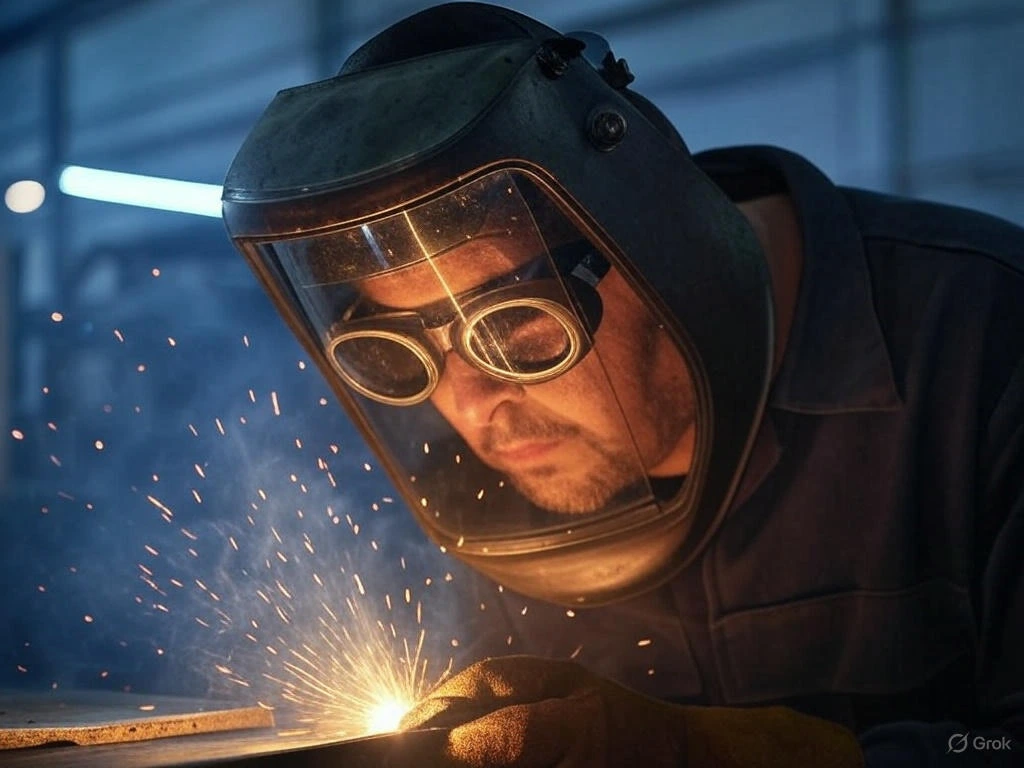
What should you do when the hot work is complete?
When hot work is complete, follow these key steps to ensure safety and compliance with hot work permit procedures:
1. Perform a Final Inspection
- Inspect the work and surrounding areas for any signs of fire, smoldering materials, or heat buildup.
- Check behind walls, under flooring, and in any concealed spaces where sparks or heat could have traveled.
- Clear away all flammable materials and debris.
2. Maintain the Fire Watch
- Designated fire watch personnel should remain on-site for at least 30-60 minutes after hot work is completed.
- In some cases, especially in high-risk areas, the fire watch may need to stay for up to 4 hours or longer as per company policy or local regulations.
- Ensure they have appropriate fire suppression equipment (fire extinguisher, hose, or sand buckets).
3. Confirm Fire Protection Systems are Restored
- Ensure any fire alarms, sprinklers, or suppression systems temporarily disabled for the hot work are reactivated.
- Notify the safety officer or facility management that fire protection systems are fully functional.
4. Allow Equipment & Materials to Cool Down
- Ensure that all tools, metal surfaces, and equipment used in the hot work process have had time to cool down.
- Avoid premature handling of materials that could still be hot and pose a burn risk.
5. Close the Hot Work Permit
- The permit issuer or supervisor should conduct a final check and formally close out the permit.
- Document the completion of hot work and any findings, incidents, or corrective actions in the permit log.
- Retain the completed permit as per company policy or regulatory requirements.
6. Dispose of Waste Safely
- Properly dispose of any rags, scrap metal, and other flammable debris in designated fireproof containers.
- Ensure no combustible materials are left behind that could ignite later due to residual heat.
7. Communicate with the Team
- Inform workers, safety personnel, and facility management that hot work is complete and the area is safe.
- Conduct a brief post-work meeting to review any incidents or concerns to address before future hot work activities.
How long is a hot work permit valid for
The validity of a Hot Work Permit depends on the organization's policies, the specific job, and safety regulations. However, the general guidelines are:
- Single Shift or One-Day Validity: Most hot work permits are valid for a single shift (typically 8-12 hours) or a single workday.
- Extended Permits: Some facilities allow permits to last up to 48 hours or a few days if the work is ongoing and conditions remain the same.
- Project-Based or Recurring Work: In rare cases, permits may be issued for up to 30 days for long-term projects but require frequent inspections.
Key Considerations:
- A permit expires at the end of the shift or as soon as conditions change (e.g., different work areas, new hazards).
- Some sites require daily renewal, even for multi-day jobs.
- Fire watch requirements may extend 30-60 minutes after the hot work is complete.
Hot Work Roles and Responsibilities
The hot work permit system involves several stakeholders, each with specific roles and responsibilities:
1. Permit Issuer:
Who issues the hot work permit? Often, the issuer is a safety officer or supervisor who is responsible for conducting the initial risk assessment and ensuring all safety measures are in place before approving the work. They must verify that the work area is clear of hazards and that fire watch personnel are present.2. Hot Work Operator:
The individual performing the hot work is responsible for following the precautions outlined in the permit. They should use proper equipment, wear personal protective equipment (PPE), and ensure they do not deviate from the specified work plan.3. Fire Watch:
The fire watch monitors the work area during and after hot work operations. This role is crucial for preventing fires that could start after the work is complete, as smoldering materials or unnoticed sparks may take time to ignite.4. Management:
The management team is responsible for implementing the hot work permit system, ensuring employees are trained in hot work safety, and conducting audits to maintain compliance with safety standards.5. Safety Officer:
A dedicated safety officer or team may oversee the entire hot work permit process, ensuring compliance with regulations such as those outlined by the Occupational Safety and Health Administration (OSHA) or other local safety authorities.Could hot work be managed in CMMS Software?
Yes, a Computerized Maintenance Management System (CMMS) can manage hot work and hot work permits. Many CMMS platforms offer features that allow users to integrate safety protocols, such as hot work permits, into their workflows. Managing hot work permits in a CMMS provides a streamlined and efficient way to ensure that all safety and regulatory requirements are met before, during, and after hot work activities.
Work order functionality can be used to track the hot work activity. Permits can be uploaded to the files section of the work order. Maintenance checklists can be integrated into the permit approval process, ensuring that all necessary safety measures are addressed before work begins.
For example, a welding permit might require different safety precautions than grinding or soldering. Companies can use the checklist functionality on the CMMS mobile app to conduct real-time risk assessments.
One of the biggest advantages of managing hot work permits through a CMMS is maintaining a digital audit trail. Every action related to the hot work permit can be tracked and logged, including:
- Permit creation and issuance.
- Approvals and e-signatures from supervisors and safety officers.
- Documentation of risk assessments and hazard mitigation steps.
- Fire watch assignments and reports.
- Permit closure and post-work inspections.
Regulatory Requirements
Hot work permits are not only a best practice but, in many jurisdictions, a legal requirement. In the United States, OSHA has established regulations for hot work in various industries, including general industry (29 CFR 1910) and construction (29 CFR 1926). These regulations mandate that employers establish a permit system for hot work conducted outside designated safe areas.
The National Fire Protection Association (NFPA) provides detailed guidelines for hot work safety in its standard NFPA 51B, titled "Standard for Fire Prevention During Welding, Cutting, and Other Hot Work." This standard emphasizes the need for fire watch personnel, proper ventilation, and risk assessments.
Organizations should familiarize themselves with hot work regulations and ensure that their hot work permit systems comply with both national standards and local fire codes.
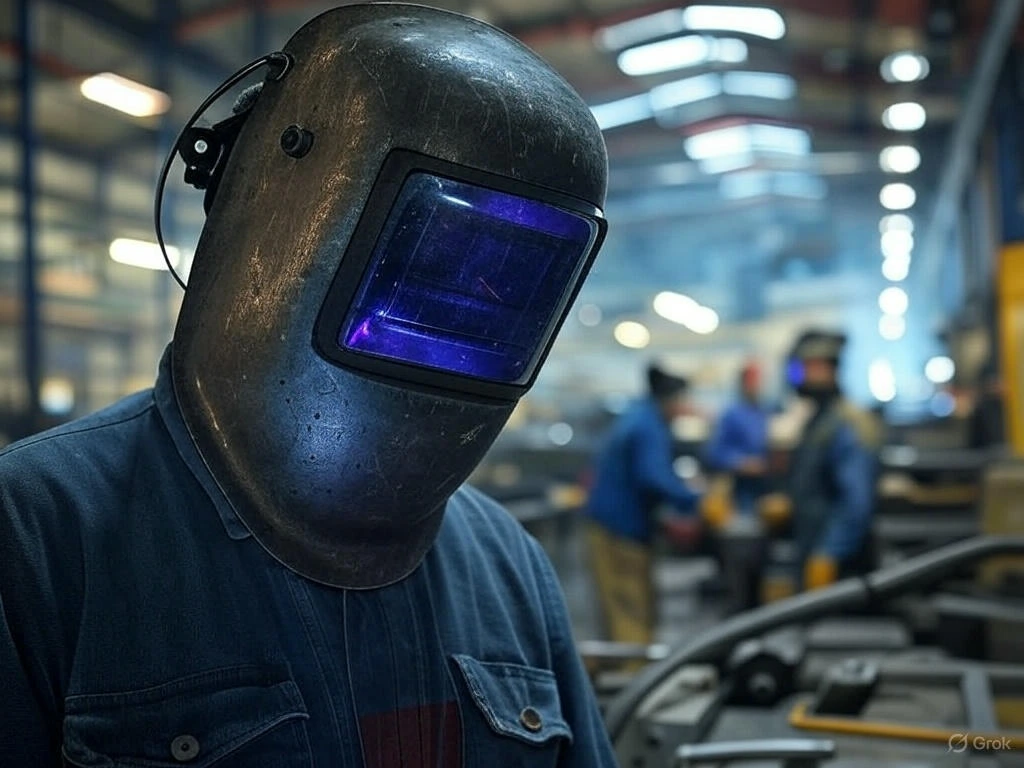
Best Practices for Implementing a Hot Work Permit System
To implement an effective hot work permit system, consider the following best practices:
1. Training:
Ensure all personnel involved in hot work activities, including operators, fire watch personnel, and supervisors, receive appropriate fire prevention, hazard identification, and emergency response training.2. Auditing:
Audit the hot work permit system regularly to ensure compliance with safety protocols. Inspections and drills can help identify gaps and improve the overall system.3. Clear Communication:
Maintain clear communication between all parties involved in hot work activities. Clear comms ensures everyone understands their roles, the hazards involved, and the required safety precautions.4. Document Control:
Keep accurate records of hot work permits, risk assessments, and safety inspections. Document control not only ensures accountability but also helps identify patterns of risk over time.The Importance of Hot Work Permits
Hot work permits help prevent fires and ensure safety in high-risk environments. Organizations can significantly increase safety and reduce the risks associated with hot work by following the permit system, conducting thorough risk assessments, and ensuring safety measures are in place.
Implementing a robust hot work permit system requires collaboration among operators, supervisors, fire watch personnel, and management, with a strong emphasis on training, communication, and compliance with regulatory requirements.
Hot work permits protect workers and facilities, help organizations meet legal obligations, and uphold a strong safety culture.