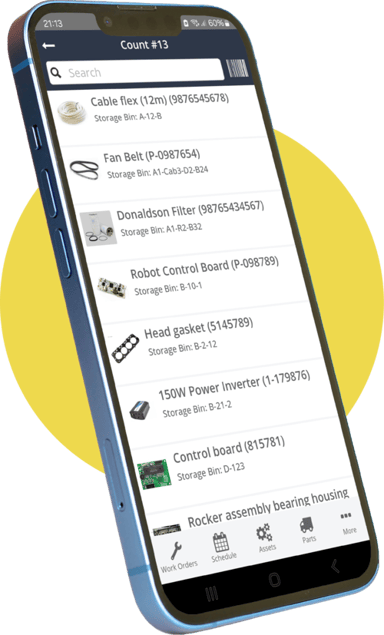
Just-In-Time (JIT) is a production and inventory management strategy aimed at improving efficiency and reducing waste by receiving goods and producing items only as needed in the production process or to meet customer demand. The core principle of JIT is to minimize the amount of inventory that a company holds, thus reducing storage costs, minimizing waste, and responding more quickly to market demands. Raw materials orders are carefully aligned with production schedules, so there are no storage costs. JIT is particularly beneficial in industries where products have a short lifecycle, where demand is highly variable, or where storage costs are high. It enables companies to operate more efficiently, reduce waste, and remain competitive by quickly adapting to market demands.
Key Concepts of Just-In-Time:
- Minimized Inventory: JIT focuses on maintaining the minimum level of inventory required to keep the production process running smoothly. This approach reduces the costs associated with storing and managing large amounts of stock.
- Demand-Driven Production: Production is driven by actual customer orders rather than producing based on forecasts or estimates. Producing only what is needed reduces the risk of overproduction and excess inventory.
- Improved Efficiency: By producing only what is needed, when it is required, JIT encourages more streamlined production processes, reducing waste and improving overall operational efficiency.
- Supplier Coordination: The just-in-time system relies heavily on solid relationships with reliable suppliers who can deliver materials quickly and at the right time. This ensures that materials arrive just in time for production without excessive storage.
- Continuous Improvement: JIT often incorporates principles of continuous improvement, such as Kaizen, to regularly refine processes, reduce waste, and enhance productivity.
Benefits of Just-In-Time:
- Cost Reduction: Lower inventory levels mean reduced carrying costs and less capital in unsold goods.
- Waste Minimization: By producing only what is needed, JIT helps minimize waste from overproduction, excess inventory, and defects.
- Flexibility: JIT allows companies to respond faster to changes in customer demand and market conditions.
- Enhanced Quality: With a focus on producing goods as needed, JIT often leads to improved quality control and reduced defects.
Challenges of Just-In-Time:
- Supply Chain Dependence: JIT requires a highly reliable supply chain. Any disruption can halt production, leading to delays and potential losses.
- Risk of Stockouts: With minimal inventory on hand, there is a greater risk of running out of materials if demand unexpectedly spikes or suppliers fail to deliver on time.
- Implementation Complexity: Successfully implementing JIT requires careful planning, coordination, and a strong commitment to process optimization.
- Best in class maintenance: The success of JIT requires predictable
Examples of Just-In-Time:
- Toyota Production System: Toyota pioneered JIT as part of its broader Lean Manufacturing philosophy. The system focuses on reducing waste and ensuring that parts are available exactly when needed in the production process.
- Dell's Build-to-Order Model: Dell has used a JIT approach by building computers to order rather than maintaining extensive inventories of pre-built machines. This allows Dell to quickly adapt to customer preferences and reduce inventory costs.
- Automotive Industry: Toyota pioneered the JIT approach, and it is now a standard in the automotive industry. Car manufacturers rely on JIT to receive parts like engines, tires, and electronics exactly when they are needed in the assembly process, minimizing inventory costs and storage requirements.
- Electronics and Technology: Companies like Dell and Apple use JIT to manage the production of computers, smartphones, and other electronic devices. By producing to order, they can quickly adapt to consumer preferences while minimizing obsolete inventory.
- Retail: Major retailers like Walmart and Zara use JIT to manage inventory levels. For instance, Zara produces and ships clothing based on real-time sales data, ensuring that stores stock only what customers are buying and reducing excess inventory.
- Aerospace: Aerospace companies like Boeing and Airbus use JIT to manage the production and assembly of aircraft components. Given the complexity and cost of aerospace parts, JIT helps minimize the capital tied up in inventory and reduces the space required for storage.
- Food and Beverage: Fast-food chains like McDonald's use JIT to manage the supply of ingredients and food preparation. For instance, they prepare food items only when an order is placed, ensuring freshness and minimizing waste.
- Pharmaceuticals: Pharmaceutical companies use JIT to manage the production and distribution of medications. This approach helps ensure that drugs are produced and delivered according to demand, reducing the risk of overproduction and expiration.
- Manufacturing: General manufacturing industries, including consumer goods, machinery, and appliances, use JIT to optimize production processes, reduce inventory storage costs, and improve flexibility in responding to customer orders.
- Apparel and Fashion: Fashion retailers and manufacturers use JIT to manage the production of clothing and accessories. By producing based on current trends and consumer demand, they can reduce the risk of unsold inventory and quickly respond to market changes.
- Healthcare: Hospitals and healthcare providers use JIT for managing medical supplies and pharmaceuticals. By stocking only what is needed, they can reduce storage costs and ensure that essential items are available when required.
- Construction: Construction companies use JIT to manage the delivery of materials to job sites. By scheduling deliveries to align with the construction schedule, they minimize storage needs on-site and reduce the risk of material damage or theft.
- Furniture: Companies like IKEA use JIT in their production and supply chain processes to minimize inventory costs and respond quickly to customer demand for new designs and products.