Planned Maintenance Percentage (PMP) is a key performance indicator (KPI) that helps maintenance teams measure the effectiveness of their maintenance planning efforts.
PMP reflects the percentage of total maintenance hours devoted to planned maintenance activities, such as preventive or scheduled maintenance, rather than reactive or unplanned repairs. This metric is essential for maintenance teams aiming to optimize asset reliability, reduce downtime, and control maintenance costs.
A higher PMP indicates a well-organized maintenance program that proactively addresses equipment health. In contrast, a lower PMP suggests a reliance on reactive maintenance, which can lead to higher costs and more frequent equipment breakdowns.
What is Planned Maintenance Percentage?
The Planned Maintenance Percentage (PMP) measures the ratio of planned maintenance hours to the total maintenance hours over a given period. Planned maintenance includes preventive, predictive, and scheduled maintenance activities to prevent equipment failure, while unplanned maintenance encompasses corrective actions taken in response to unexpected breakdowns or malfunctions.
The formula for calculating PMP is as follows:

For example, if a maintenance team logs 200 hours of maintenance in a month, with 160 hours dedicated to planned maintenance, the PMP would be calculated as:
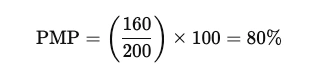
This means that 80% of maintenance efforts were planned, indicating a proactive maintenance approach.
Why is PMP Important?
PMP is a critical metric because it reflects the level of control and predictability within a maintenance program. Here’s why PMP matters for maintenance teams:
1. Improved Asset Reliability
Higher PMP percentages correlate with increased asset reliability and uptime. Regularly scheduled maintenance activities help prevent equipment failures and extend asset lifespan.2. Reduced Maintenance Costs
Reactive maintenance is often 3-9 times more expensive due to emergency labor costs, overtime, and higher part replacement rates. By focusing on planned maintenance, teams can control costs more effectively and reduce expensive unplanned interventions.3. Enhanced Safety
Proactive maintenance helps identify and address potential safety hazards before they cause accidents. A high PMP indicates a safe working environment, as equipment is less likely to fail unexpectedly.4. Data-Driven Maintenance Decisions
Tracking PMP enables maintenance teams to make informed decisions about adjusting maintenance schedules, setting preventive tasks, and allocating resources more effectively.Strategies to Improve Planned Maintenance Percent
For maintenance teams looking to increase their PMP, a few strategies can help transition from reactive to proactive maintenance:
1. Implement a Preventive Maintenance Program
Establishing a preventive maintenance schedule based on asset usage, condition, or manufacturer recommendations helps reduce the frequency of unplanned repairs. Regular inspections and servicing allow teams to address issues before they escalate.2. Utilize a Computerized Maintenance Management System (CMMS)
A CMMS simplifies tracking, scheduling, and documenting maintenance activities. With a CMMS, maintenance teams can automate preventive tasks, monitor asset health, and analyze maintenance trends. This streamlines maintenance planning and supports higher PMP levels.3. Train Technicians on Predictive Maintenance Techniques
Predictive maintenance methods, such as vibration analysis, thermography, or oil analysis, can help teams anticipate failures and schedule maintenance before issues lead to breakdowns. By reducing reliance on reactive repairs, predictive maintenance contributes to a higher PMP.4. Monitor and Adjust Maintenance Schedules Regularly
Regularly review and adjust maintenance schedules based on asset performance and failure history. As patterns emerge, maintenance teams can refine schedules to balance planned tasks with actual needs, keeping PMP optimal.Measuring Planned Maintenance Percent to Improve Asset Performance
Planned Maintenance Percentage (PMP) is a vital metric that reflects how effectively maintenance teams manage maintenance activities. A higher PMP signifies a proactive approach, translating to improved reliability, reduced costs, and a safer work environment.
By tracking PMP and implementing preventive maintenance strategies, maintenance teams can optimize asset performance, shift from reactive to planned maintenance, and create a more stable and efficient operational environment.