Unplanned maintenance refers to unexpected maintenance activities, often in response to equipment breakdowns or failures that disrupt normal operations. In contrast to planned maintenance, which is scheduled, unplanned maintenance is reactive, arising suddenly and requiring immediate attention.
Handling unplanned maintenance is challenging for maintenance teams, as it introduces unpredictability, increases costs, and impacts overall productivity. Understanding the nature of unplanned maintenance and implementing strategies to proactively manage and reduce it is essential for maintaining operational efficiency.
This article will explore the basics of unplanned maintenance, its difference from planned maintenance, its adverse effects, and how a Computerized Maintenance Management System (CMMS) can help manage and mitigate its impact.
What is Unplanned Maintenance?
Unplanned maintenance occurs in response to unexpected equipment issues, breakdowns, or malfunctions. Since it is unanticipated, unplanned maintenance interrupts scheduled operations and often requires immediate action to restore normal function. Examples of unplanned maintenance include emergency repairs for a failed motor, a leaking hydraulic system, or a broken conveyor belt.
Unplanned maintenance is typically more resource-intensive than planned maintenance, often demanding quick access to parts, labor, and repair expertise. Because of its unpredictable nature, it can disrupt production schedules, delay shipments, and result in unplanned expenses.
Unplanned vs. Planned Maintenance: Key Differences
While both types of maintenance aim to keep equipment operational, unplanned and planned maintenance differ significantly in terms of approach, timing, and impact on operations:
- Unplanned Maintenance: This is reactive and initiated only when equipment fails unexpectedly. It often occurs without warning, meaning it is not included in regular maintenance schedules. Unplanned maintenance requires immediate attention, often at a higher cost, to bring assets back to working order as quickly as possible.
- Planned Maintenance: This is scheduled in advance to minimize equipment breakdowns or to remedy known issues. Planned maintenance includes regular inspections, servicing, and parts replacement based on usage patterns, condition monitoring, or time intervals. It can also be corrective maintenance that doesn’t need to be addressed immediately.
The Negative Effects of Unplanned Maintenance
Unplanned maintenance brings various challenges that impact productivity, cost, and overall asset performance. Here are some of the critical adverse effects associated with unplanned maintenance:
1. Increased Costs
Unplanned maintenance often requires immediate repairs, leading to higher labor costs due to overtime or urgent contractor work. Additionally, emergency parts procurement can be expensive compared to pre-planned parts purchases.2. Production Downtime
Equipment breakdowns lead to unplanned downtime, interrupting production schedules and delaying product output. Downtime directly affects profitability, as idle equipment means lost production hours and missed revenue.3. Reduced Asset Lifespan
Repeated unplanned maintenance can accelerate wear on equipment, especially if repairs are done hastily to resume operations quickly. Unlike preventive maintenance, which addresses issues before they escalate, unplanned maintenance can lead to recurring breakdowns, reducing the economic life of assets.4. Workplace Safety Risks
Sudden equipment failures may create unsafe conditions for workers. For instance, an unexpected hydraulic leak or overheated motor can pose risks of injury. Regular preventive maintenance can help identify these risks early, reducing the likelihood of sudden failures and enhancing safety.5. Inefficient Resource Allocation
Unplanned maintenance disrupts workflows and diverts resources from scheduled tasks. Unexpectedly diverting resources can lead to delayed preventive maintenance activities, ultimately increasing the likelihood of additional equipment failures.6. Higher Environmental Impact
Emergency repairs can increase energy use, waste generation, and resource consumption. A higher frequency of unplanned maintenance may result in the premature disposal of equipment, contributing to a larger environmental footprint.Reducing unplanned maintenance is crucial for maintenance teams to improve efficiency, lower costs, and enhance operational stability. The goal is to transition to a more proactive, planned maintenance strategy, and a Computerized Maintenance Management System (CMMS) can be an effective tool in achieving this shift.

How a CMMS Can Help Manage Unplanned Maintenance
A CMMS is a digital platform that helps streamline maintenance management by tracking asset information, scheduling preventive tasks, and logging maintenance activities. When used effectively, a CMMS can support maintenance teams in managing unplanned maintenance and reducing its frequency. Here’s how:
1. Improved Asset Tracking and History Logging
A CMMS maintains a detailed history of each asset, recording information about past breakdowns, repairs, and replacement parts. By analyzing this historical data, maintenance teams can identify patterns, understand common causes of failure, and make informed decisions about preventive measures.Having asset data readily available also reduces time spent diagnosing issues during unplanned maintenance events, speeding up repair times.
2. Predictive and Preventive Maintenance Scheduling
One of the most valuable features of a CMMS is its ability to schedule preventive maintenance activities. By implementing a preventive maintenance program, maintenance teams can service assets based on actual usage, condition, or time intervals, which helps prevent unexpected breakdowns.Advanced CMMS platforms can also incorporate predictive maintenance techniques, using data from sensors and IoT devices to predict when equipment will likely fail, reducing the need for reactive maintenance.
3. Inventory Management for Critical Parts
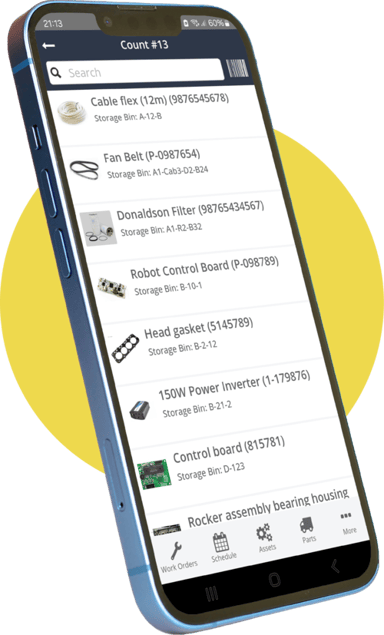
Unplanned maintenance often requires urgent access to spare parts. A CMMS with inventory management capabilities tracks parts availability and alerts teams when stock is low, helping avoid delays caused by part shortages. By optimizing inventory levels for frequently used parts, maintenance teams can minimize response times for emergency repairs.4. Data-Driven Insights for Continuous Improvement
A CMMS captures and stores data on every maintenance task, whether planned or unplanned. Maintenance managers and reliability engineers can analyze this data to identify the root causes of frequent breakdowns, enabling teams to make improvements and adjust preventive maintenance strategies accordingly.Reporting tools in a CMMS also allow managers to monitor critical metrics related to unplanned maintenance, such as mean time between failures (MTBF), wrench time, and mean time to repair (MTTR), providing insight into equipment health and maintenance effectiveness.
5. Enhanced Communication and Coordination
A CMMS provides a centralized platform for communication, enabling maintenance teams to stay informed about ongoing tasks and asset status. When unplanned maintenance is required, technicians can quickly access asset information, maintenance history, and relevant documents, improving the efficiency of the response.With mobile access, technicians can log real-time updates, keeping everyone informed and reducing repair times.
Minimize the Impact of Unplanned Maintenance
Unplanned maintenance is an inevitable part of asset management, but with the right tools and strategies, maintenance teams can minimize its occurrence and impact. By understanding the differences between unplanned and planned maintenance, teams can prioritize proactive, preventive maintenance that reduces downtime, lowers costs, and improves asset reliability.
A CMMS manages unplanned maintenance by streamlining asset tracking, preventive scheduling, inventory management, and data analysis. With a CMMS, maintenance teams can shift toward a more proactive approach, using insights from past incidents to enhance operational efficiency and create a more reliable maintenance environment.
Embracing these strategies enables maintenance teams to control unplanned maintenance costs and foster a safer, more productive work environment.