The term 'Uptime' in the context of maintenance and asset management refers to the amount of time a system or piece of equipment is operational and available for use.
Uptime is a critical metric in the field of maintenance management, as it directly impacts productivity, efficiency, and overall business performance. The goal of any CMMS is to maximize uptime, thereby reducing downtime and its associated costs.
Understanding uptime and its influence by various factors is crucial for any organization that relies on machinery or equipment to conduct its operations.
This article aims to provide a comprehensive understanding of uptime within the context of Computerized Maintenance Management Systems (CMMS), discussing its significance, measurement methods, strategies for improvement, and its role in predictive maintenance.
Understanding Uptime in CMMS Software
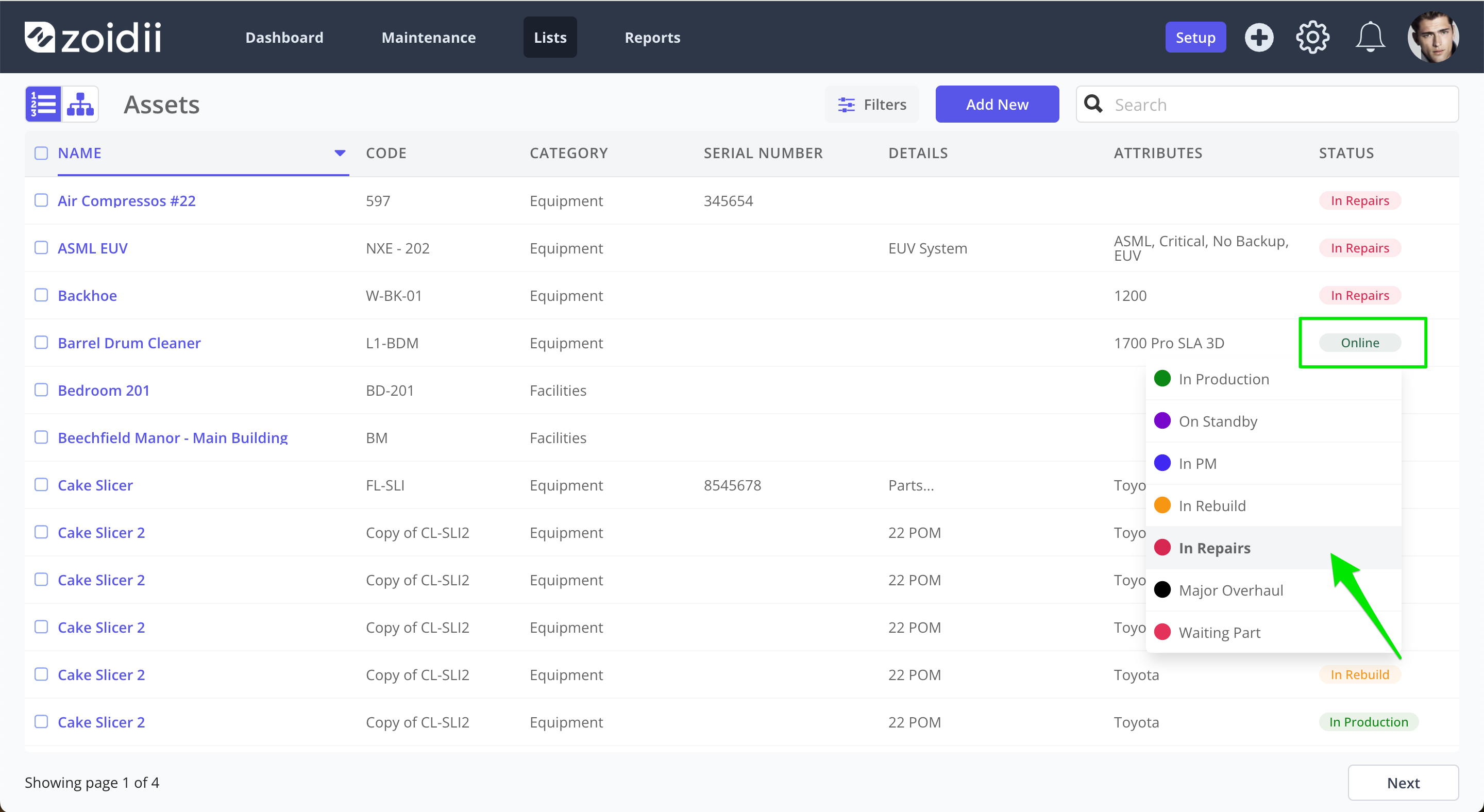
Uptime is a key performance indicator (KPI) that measures the operational availability of a system or piece of equipment. It is typically expressed as a percentage, representing the proportion of total time during which the equipment was available and functioning correctly.
In the context of CMMS, uptime is a critical metric that directly impacts the effectiveness of maintenance strategies.
Uptime is the opposite of downtime, which refers to the periods when a system or equipment is not operational due to failures, maintenance, or other issues.
By tracking and analyzing uptime, organizations can identify patterns and trends, predict potential issues, and implement preventive measures to minimize downtime and maximize productivity.
Importance of Uptime
Uptime is crucial in any industry that relies on machinery or equipment. High uptime means that the equipment is available for use most of the time, resulting in increased productivity and efficiency. It also means fewer interruptions in operations, which can significantly reduce operational costs.
On the other hand, low uptime indicates frequent equipment failures or maintenance issues, leading to increased downtime. This not only disrupts operations but also leads to higher maintenance costs and potential loss of revenue. Therefore, maximizing uptime is a primary goal of any effective maintenance management strategy.
Measuring Uptime
Uptime is typically measured as a percentage of the total operational time over a specific period. The formula for calculating uptime is:
Uptime = (Total Operational Time / Total Time) \* 100%.
The total operational time refers to the period during which the equipment was available and functioning correctly, while the total time encompasses the entire period being considered.
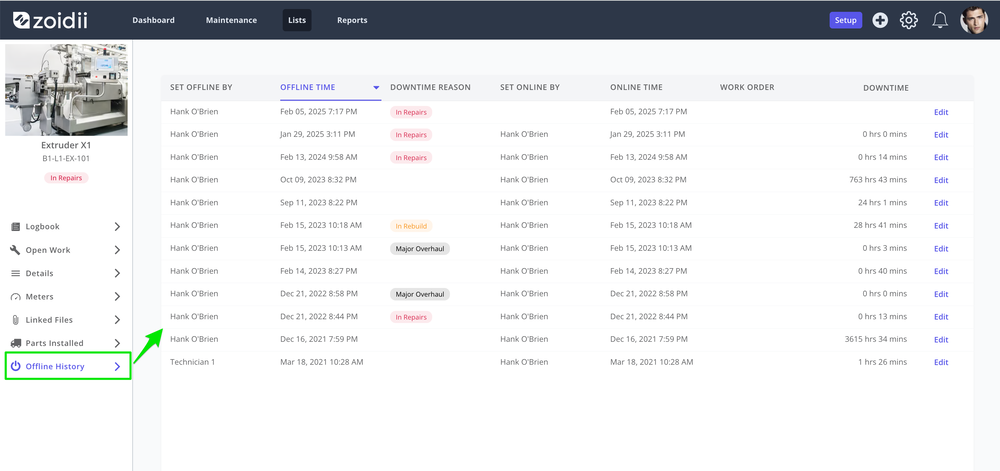
It is essential to note that measuring uptime requires the accurate and consistent tracking of equipment status. This is where CMMS comes in handy, as it provides the tools and features necessary to monitor and record equipment status in real-time, making it easier to calculate and analyze uptime.
Strategies for Improving Uptime
Improving uptime requires a proactive approach to maintenance management. This involves implementing strategies that not only address issues as they arise but also prevent them from occurring in the first place. Here are some strategies that can help improve uptime.
- Preventive Maintenance: This involves performing regular maintenance tasks on equipment to prevent failures and breakdowns. By identifying and addressing potential issues before they lead to downtime, preventive maintenance can significantly enhance uptime.
- Predictive Maintenance: Predictive maintenance involves using data analysis and predictive modeling to predict when equipment is likely to fail or require maintenance. This enables organizations to schedule maintenance tasks at the optimal time, preventing unexpected downtime and enhancing uptime.
- Condition Monitoring: This involves continuously monitoring the condition of equipment to detect signs of potential failure. By identifying issues early, condition monitoring enables timely intervention, thereby reducing downtime and improving overall uptime.
- Asset Lifecycle Management: Asset lifecycle management involves managing the entire lifecycle of an asset, from acquisition to disposal. This includes planning, procurement, deployment, maintenance, and disposal. By effectively managing the asset lifecycle, organizations can optimize the performance and lifespan of their assets, thereby improving uptime.
- Training and Education: Ensuring that staff are well-trained and knowledgeable about the equipment they are using is crucial for improving uptime. This includes training on proper operation, maintenance procedures, and troubleshooting techniques.
Role of CMMS in Improving Uptime
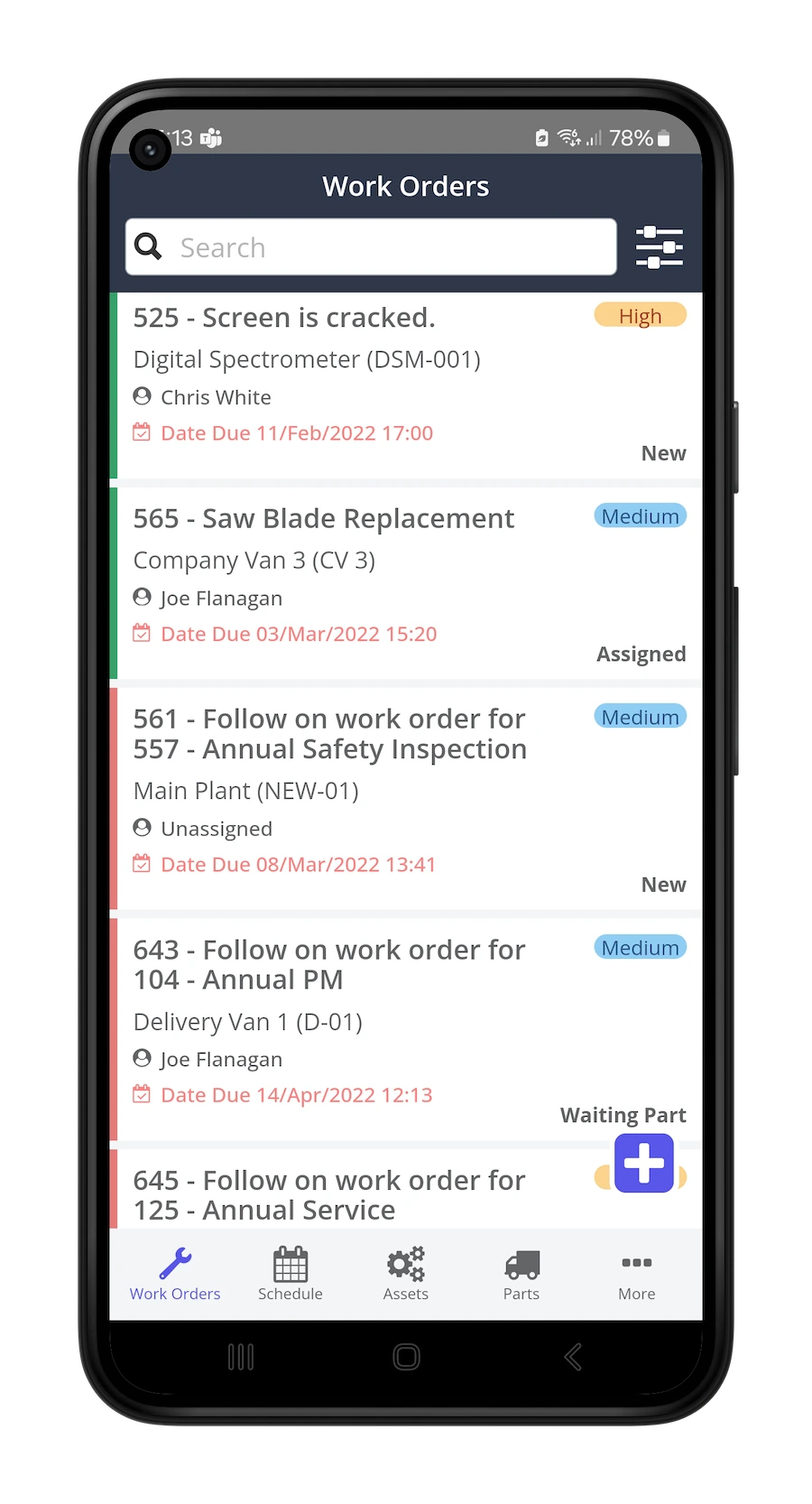
CMMS Software plays a crucial role in improving uptime by providing the tools and features necessary for effective maintenance management. These include asset management, work order management, preventive maintenance scheduling, predictive maintenance tools, condition monitoring, inventory management, and reporting and analytics.
By leveraging these features, organizations can streamline their maintenance processes, enhance the accuracy and efficiency of their operations, minimize downtime, and ultimately improve overall uptime.
1. Asset Management
Asset management involves tracking and managing all assets in an organization. A CMMS provides a centralized platform for managing all asset information, including specifications, location, maintenance history, and other relevant details. This enables better planning and decision-making, resulting in improved uptime.Work Order Management: A CMMS allows for efficient management of work orders, from creation to completion. This includes scheduling, assigning, tracking, and documenting all work orders. By streamlining work order management, a CMMS can help reduce downtime and improve uptime.
2. Preventive Maintenance Scheduling
A CMMS enables the scheduling of preventive maintenance tasks based on various triggers, including time, usage, or condition. This ensures that maintenance tasks are performed regularly and on time, preventing unexpected equipment failures and improving uptime.Predictive Maintenance Tools: A CMMS provides tools for collecting, analyzing, and visualizing data to predict equipment failures. This allows for timely intervention, reducing downtime and improving uptime.
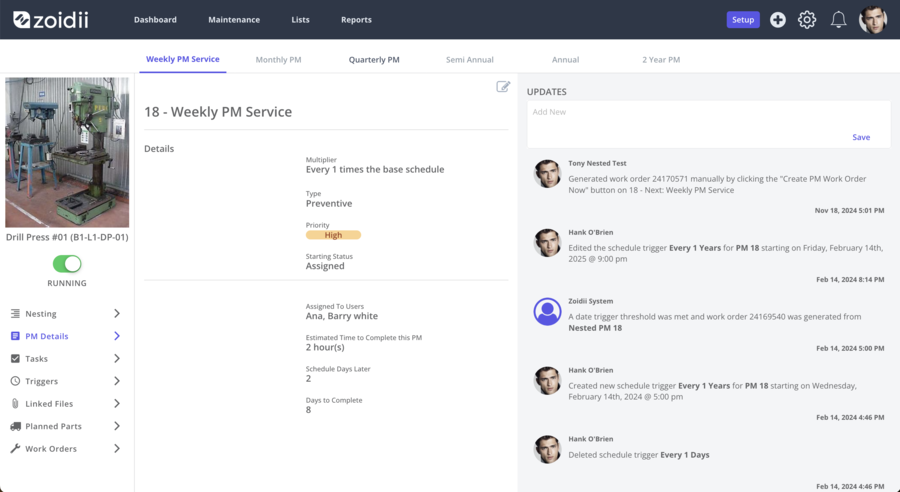
3. Condition Monitoring
A CMMS provides tools for continuously monitoring the condition of equipment. This includes tracking parameters such as temperature, pressure, vibration, and more. By detecting signs of potential failure early, condition monitoring can reduce downtime and improve uptime.Inventory Management: A CMMS provides tools for managing inventory, including tracking stock levels, managing suppliers, and automating reordering processes. By ensuring that necessary parts and materials are always available, inventory management can reduce downtime and improve uptime.
4. Reporting and Analytics
A CMMS provides reporting and analytics tools that allow organizations to analyze their maintenance data and gain insights into their operations. This includes tracking KPIs, identifying trends and patterns, and generating detailed reports. By leveraging these insights, organizations can make informed decisions to improve their maintenance strategies and increase uptime.In conclusion, uptime is a critical metric in maintenance management, and a CMMS provides the tools and features necessary to improve it. By understanding uptime and implementing effective strategies, organizations can maximize their productivity, efficiency, and overall performance.