A work order is a document that outlines the specific tasks, resources, and requirements needed for a particular job or project. It serves as a communication tool between departments, customers, suppliers, and stakeholders, defining the scope and expectations of the work to be completed.
This article will examine the purpose, types, benefits, and other aspects of maintenance work orders, as well as strategies for streamlining the process and utilizing these documents to achieve greater efficiency.

Work orders are essential to effective maintenance management, ensuring technicians complete work efficiently and effectively. They are used in various industries, such as transport, manufacturing, and service, to provide clear instructions for a specific job, task, or project. The maintenance supervisor or manager typically creates a work order and assigns it to the technician or a team of workers.
Work orders should include as much important information as possible, such as the job or task name, the location of the work, the materials needed, and the deadline for completion. This information is crucial for ensuring the work is completed on time and within budget. Additionally, work orders often include detailed instructions on how to complete the job, including any necessary safety precautions.
One of the benefits of using work orders is that they help to reduce the likelihood of miscommunication or errors. By providing clear and concise instructions, everyone involved in the group clearly understands what is expected of them. Clarity helps to ensure that the technicians complete the work correctly the first time, reducing the need for rework or additional resources.
Another important function of work orders is to track the work's progress, allowing management to monitor the job's status, identify potential issues, and allocate resources accordingly. By tracking the progress of the work, management can ensure that the assignment is on schedule and within budget.
Understanding the Basics of a Work Order
A work order is a critical document that outlines the necessary details for completing a job, task, or project. It serves as a communication tool between different teams and departments, ensuring everyone is on the same page and aware of their responsibilities.
When creating a work order, it's essential to include a job description that clearly outlines the scope of work. This description should be detailed and specific, leaving no room for ambiguity. It should also include any relevant images, diagrams, or blueprints that can help visually represent the job at hand.
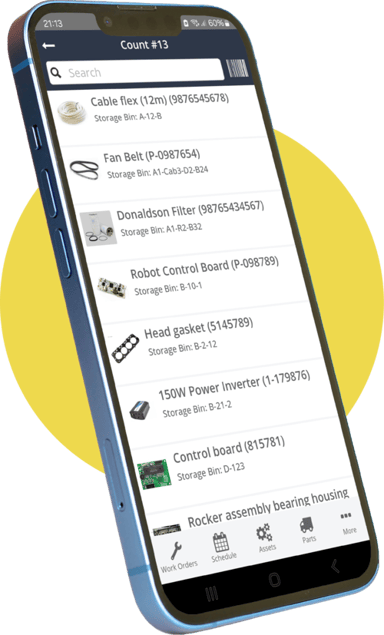
Parts required are another critical component of a work order. It is essential to provide a comprehensive list of all necessary parts, including their quantities, specifications, and relevant safety information. This information ensures that the correct parts are available when needed, reducing the risk of delays or accidents.
Assigning personnel or teams is another crucial aspect of a work order. Assigning the right people to the right tasks is essential, considering their skills, experience, and availability. Clearly outline this information in the work order, including any relevant contact details for each team member.
Due dates or deadlines are another critical component of a work order. Setting realistic deadlines that take into account the job's complexity, the availability of resources, and any potential risks or obstacles is essential. This information should be communicated to all team members, ensuring that everyone is aware of the timeline and can work together to meet the deadline.
Finally, the work order should include relevant notes, special instructions, or maintenance checklists. This information can help clarify ambiguities, provide additional context, or highlight potential issues or concerns. Communicating this information clearly and concisely is essential, ensuring everyone involved in the work order can access the necessary details.
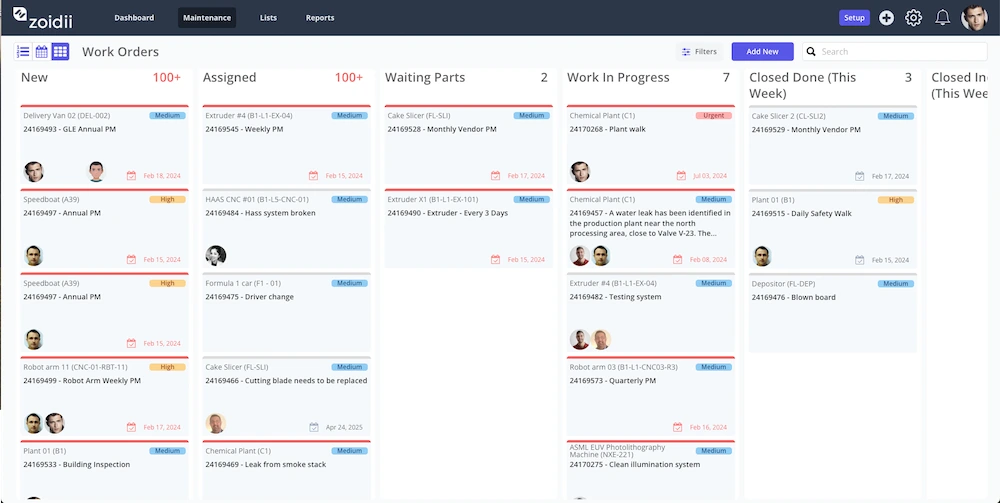
Moreover, work orders may also involve specialized software that helps manage and track the progress of various projects. Such tools can enhance communication, collaboration, and transparency across an organization, leading to improved performance and a more organized workflow. With the help of specialized software, work orders can be easily created, assigned, and tracked, ensuring that projects are completed on time and within budget.
Different Types of Work Orders
There are several types of work orders used across different facilities. Some of the most common maintenance work orders include:
- Corrective maintenance work order: Created for routine tasks or projects such as repairing equipment or facilities. They help keep assets in optimal condition and prevent unexpected breakdowns or errors.
- Emergency work orders: Created in response to unforeseen circumstances or events that require urgent action, emergency work orders ensure that personnel can quickly address pressing issues to minimize their impact on the business.
- Preventive Maintenance Work Orders: These work orders proactively address potential issues by scheduling routine inspections or maintenance tasks. By addressing these tasks proactively, the organization can minimize the risk of unexpected problems and costly repairs.
- Safety Work Order: Created to highlight safety issues at the plant, such as loose guard rails, faulty emergency lights, or blocked emergency escapes.
Benefits of Using Work Orders
Implementing work orders has several advantages for businesses. Some of these benefits include:
1. Enhanced communication – Work orders establish a clear communication channel between all parties involved in a project, leading to improved collaboration and achieving shared objectives.
2. Better resource management – By outlining resource requirements and time frames, work orders allow management to allocate resources effectively and minimize waste or inefficiencies.
3. Increased productivity – Regular use of work orders helps streamline processes, resulting in more efficient workflows and increased productivity.
4. Optimal asset utilization – Maintenance and preventive maintenance work orders help maintain assets in prime condition, extending their useful life and reducing the likelihood of unexpected breakdowns.
5. Improved customer satisfaction – The heightened organization and process efficiency associated with work orders ultimately lead to higher customer satisfaction rates and increased repeat business.
Understanding Work Order Components
Effective work orders include several essential components that contribute to their success. Some of the primary components include:
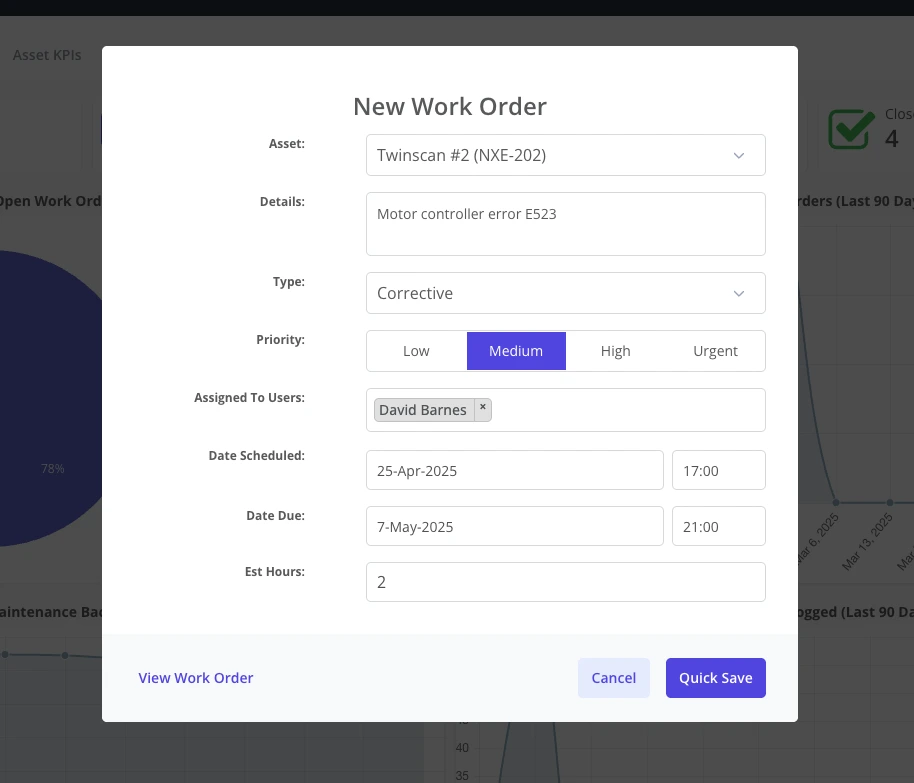
- Asset - the equipment or facility item experiencing the issue.
- Job description – A clear and concise description of the task or project.
- Parts list – An itemized list of all parts & materials required to complete the work.
- Assigned personnel – Identify the individuals or teams responsible for completing the work.
- Scheduled date: The date on which the work order should be completed.
- Deadlines – Specific time frames for completing the project or its milestones.
- Notes and special instructions: Any additional information, such as safety precautions or unusual requirements, may be necessary for the proper execution of the work.
Streamlining Work Order Processes
Optimizing work order processes can lead to more efficient workflows, reduced errors, and increased project success. Some strategies for streamlining work order processes include:
- Implementing work order software – Utilizing CMMS software like Zoidii to manage and track work orders can significantly improve organization and transparency. CMMS software can provide real-time updates on the project's status, allow teams to monitor deadlines, and accomplish more accurate resource allocation.
- Standardizing work order templates – Creating a standardized template for work orders can reduce confusion and errors and make it easier to track and manage information.
- Establishing clear communication channels – Ensuring that all stakeholders have access to relevant information in the CMMS and collaborate effectively can minimize miscommunication and enhance project outcomes.
- Periodically reviewing processes – Continuously analyzing and assessing work order processes can identify inefficiencies or areas for improvement, leading to ongoing optimization and growth.
- Providing proper training – Educating employees and teams on correctly using and interpreting work orders can limit errors, increase efficiency, and improve overall performance.
Steps to Creating a Work Order
Crafting an effective work order involves several key steps. These include:
- Gathering information – Obtain all necessary information related to the task, including materials, personnel, deadlines, and special instructions or considerations.
- Choosing the appropriate format – Select the relevant work order type (safety, corrective, emergency, or preventive maintenance) based on job needs.
- Completing the work order template – Fill out the standardized work order template with the gathered information, ensuring that all details are accurate and clear.
- Assigning responsible parties – Determine who will be responsible for completing the work and inform them of their duties and expectations.
- Monitoring progress – Track the work order's progress throughout the project, making any necessary adjustments or interventions to optimize outcomes and efficiency.
What should you include in a work order?
When creating a work order, include as much detail as possible to ensure its effectiveness. Some key elements to include in a work order are:
- A clear and concise job description.
- An itemized list of required parts & materials.
- Information on assigned personnel or teams.
- Specific deadlines and time frames for completion.
- Any relevant notes or special instructions.
- Appropriate approval and sign-off from relevant parties.
Leveraging Work Orders for Efficiency
Organizations can significantly improve their efficiency and productivity by implementing and maintaining effective work order processes. From enhancing communication and resource management to streamlining workflows and tracking progress, work orders are vital for optimizing organizational performance.
By regularly reviewing and refining work order procedures, firms can enjoy continued growth and increase their competitive advantage within their respective industries.
In conclusion, work orders are a crucial component of maintenance management, used to ensure that technicians complete their tasks efficiently and effectively.
By including critical information such as job description, materials required, assigned personnel or team, deadlines, and any relevant notes or special instructions, work orders can help ensure that everyone involved in the project has access to the necessary details to complete their tasks efficiently and effectively.
Work orders provide clear instructions for carrying out a specific job or project, track the work's progress, and ultimately contribute to increased customer satisfaction, improved resource allocation, and overall efficiency.