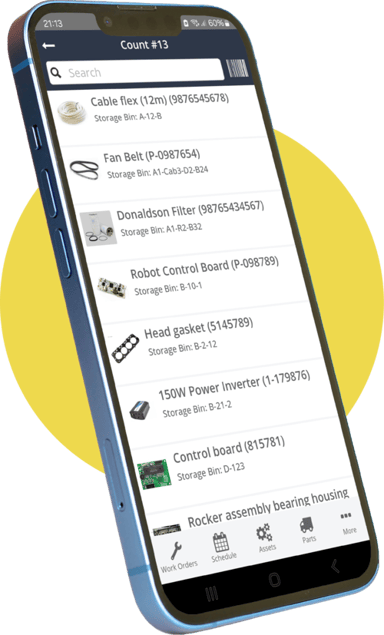
Effective inventory management is critical to successful maintenance operations. One technique that has gained popularity in recent years is ABC cycle counting. This method allows companies to effectively manage their maintenance inventory by categorizing items based on their value and importance.
This article explores the benefits of using ABC cycle counting, common challenges faced during implementation, and best practices for improving accuracy.
Introduction to ABC Inventory Cycle Count Method
ABC inventory cycle counting is a method of classifying and counting spare parts inventory based on its value and usage. It is based on the Pareto principle, which states that approximately 80% of the effects come from 20% of the causes. In inventory management, this principle suggests that a small percentage of items represent a significant portion of a company's maintenance inventory value and demand.
To implement the ABC inventory cycle count method, divide maintenance inventory items into three categories: A, B, and C. Category A includes high-value items crucial to the business's operations. Category B consists of medium-value items that are important but not as critical as Category A. Category C comprises low-value items with minimal impact on the business.
Category A items are typically subject to more frequent cycle counts to ensure accurate inventory levels and prevent stockouts. These items often require tight inventory control measures and are closely monitored to avoid disruptions in manufacturing and production. By focusing on Category A items, businesses can allocate resources effectively and prioritize managing their most valuable assets.
While not as critical as Category A, Category B items still play a significant role in the overall inventory management strategy. These items may require periodic cycle counts to maintain inventory accuracy and optimize reorder points.
By classifying items into different categories, businesses can tailor their inventory management practices to suit each item's specific needs and characteristics, ultimately improving operational efficiency and cost-effectiveness.
The Importance of ABC Cycle Counting in Inventory Management
For several reasons, ABC cycle counting plays a crucial role in maintenance spare parts inventory management. Firstly, it helps businesses prioritize their inventory control efforts. By focusing on category A items representing the highest value and criticality, companies can ensure sufficient stock to meet equipment availability needs and minimize the risk of stockouts.
Secondly, it makes no sense to regularly count slow-moving parts gathering dust on a shelf. ABC cycle counting enables businesses to allocate their resources effectively. By identifying high-value items, companies can allocate more time and resources to monitoring and safeguarding those items while utilizing fewer resources for the lower-value items in categories B and C.
Lastly, ABC cycle counting provides valuable insights into spare parts inventory performance and optimization. By analyzing the maintenance inventory turnover rate and associated costs for each category, businesses can make informed decisions about pricing, purchasing, and stocking levels to optimize system availability and cost efficiency.
Implementing ABC cycle counting requires a structured approach. Businesses must classify spare parts inventory items based on value, usage, and criticality. This classification process can be time-consuming initially but is essential for the success of the parts room cycle counting program.
Implementing ABC Cycle Counting in Zoidii
The process of implementing ABC cycle counting in Zoidii is very straightforward.
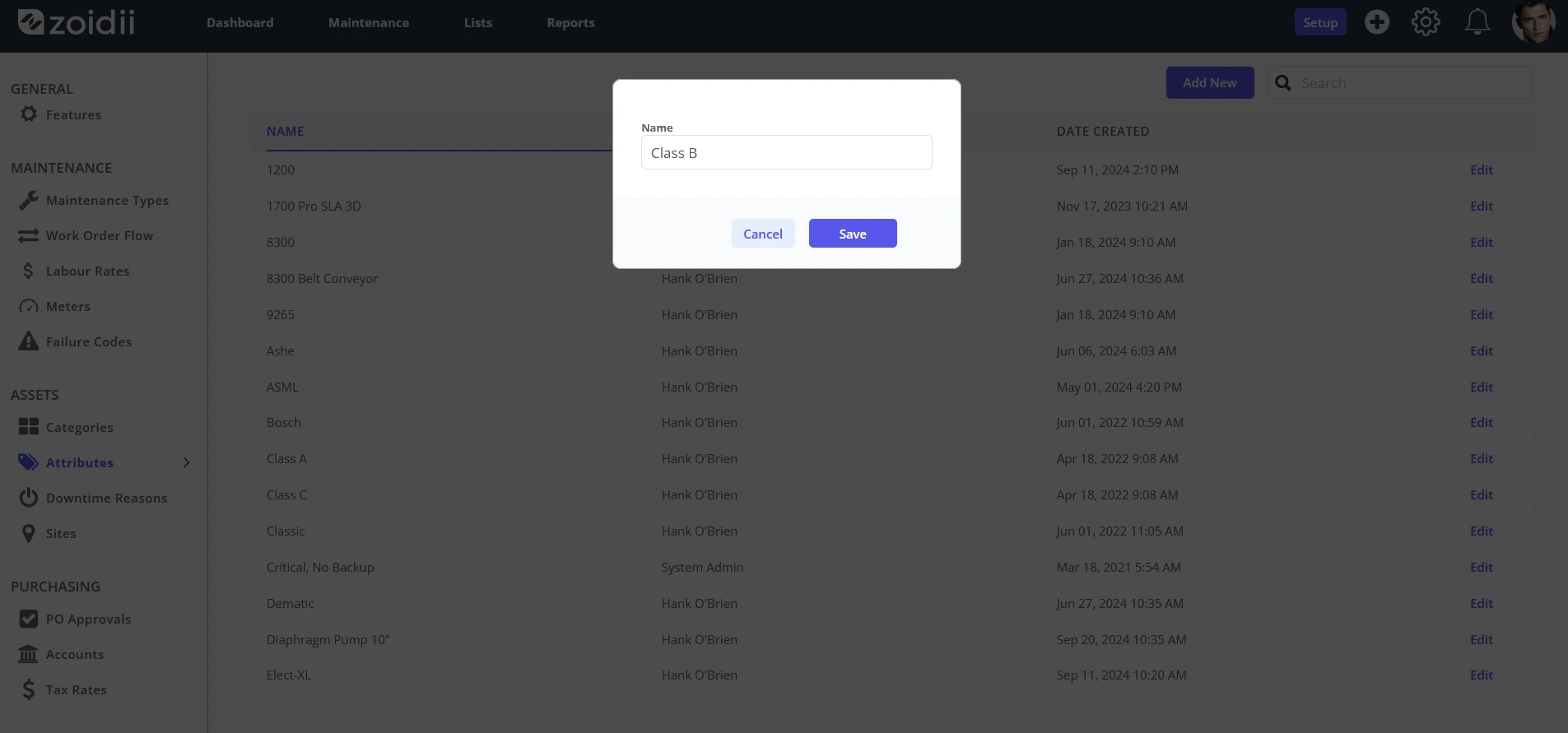
1. Create three attributes for each classification - Class A, Class B, and Class C
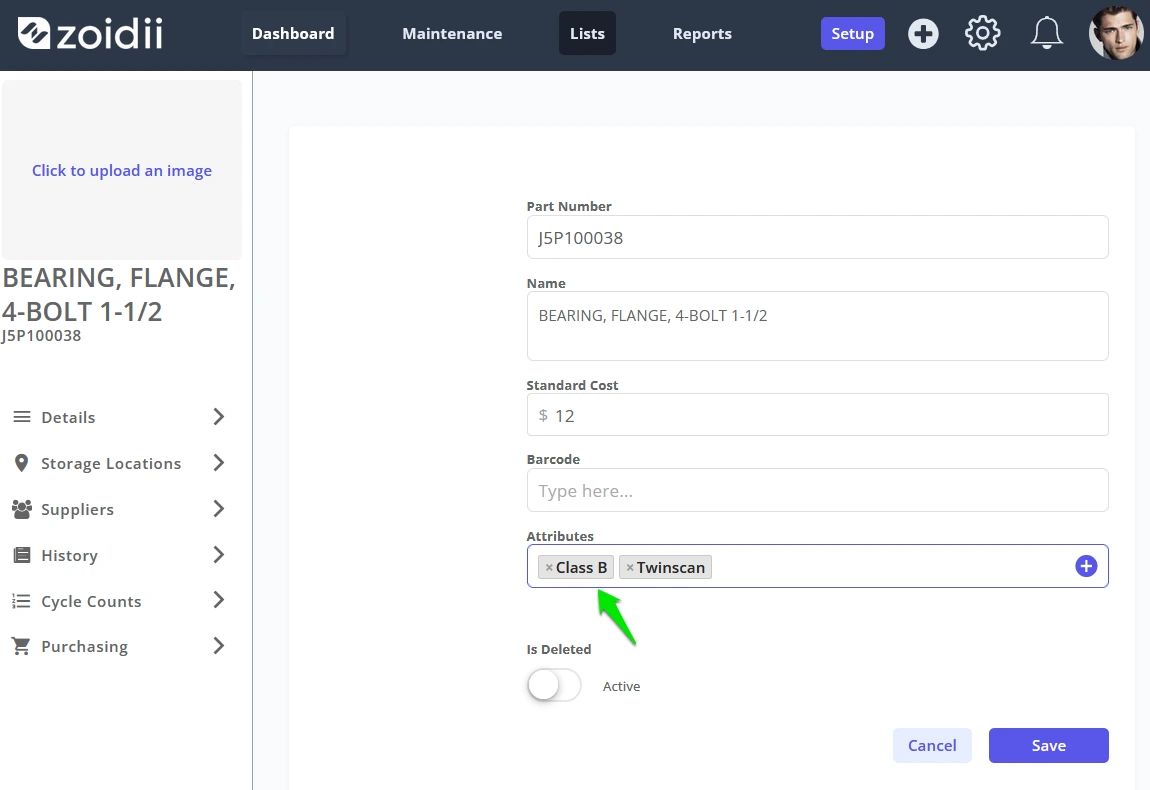
2. Assign each part a classification
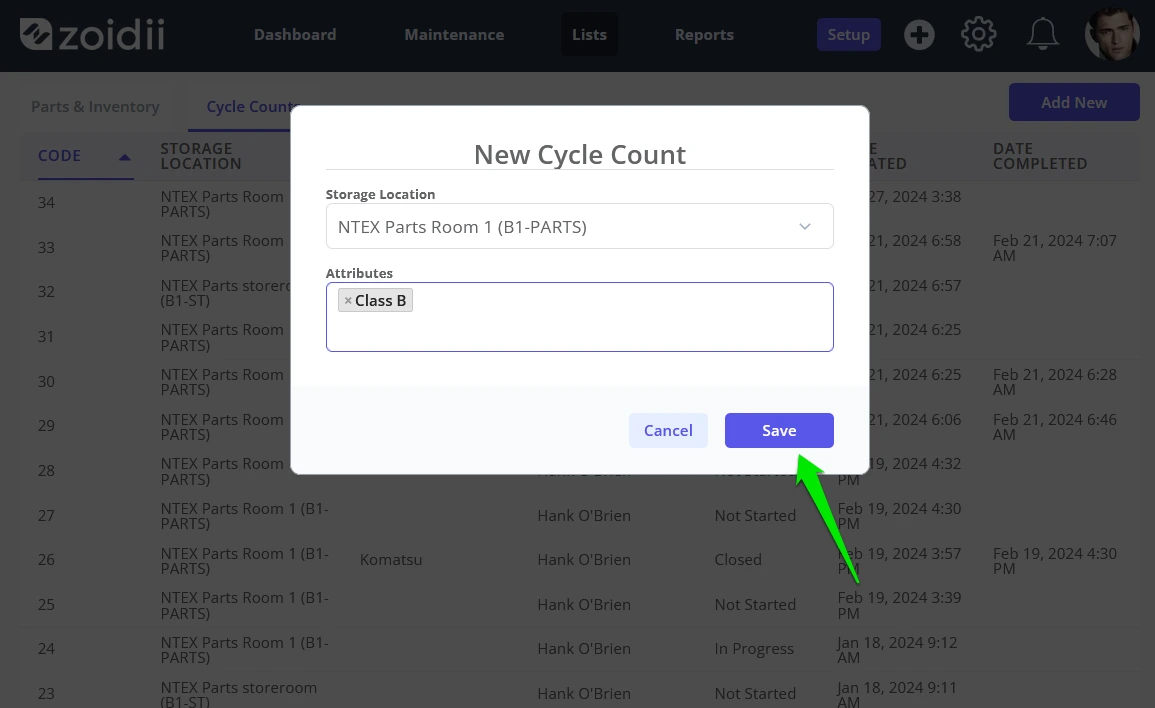
3. Create a parts count for one or many classifications as needed
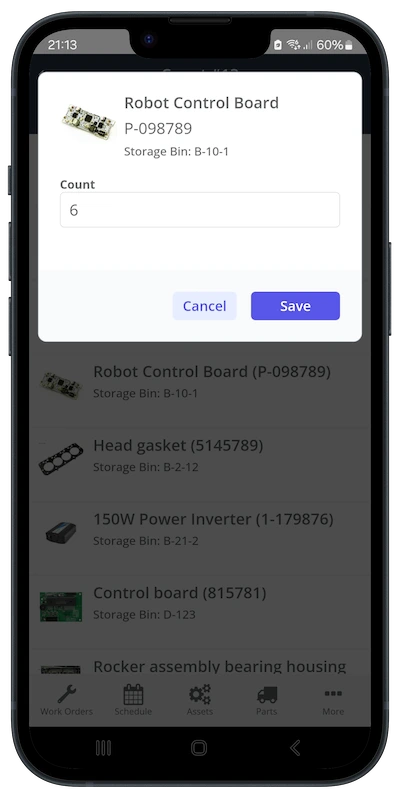
4. Complete the parts count using the Zoidii CMMS mobile app
Benefits of Utilizing ABC Cycle Counting Techniques
The utilization of ABC cycle counting techniques offers several benefits to businesses. One key advantage is improved spare parts inventory accuracy. Companies can promptly identify discrepancies and take corrective actions by regularly counting and verifying maintenance inventory levels. Regular counts reduce the risk of costly errors, such as overstocking or understocking, which can negatively impact equipment availability and profitability.
Furthermore, ABC cycle counting allows businesses to optimize their warehouse space. By categorizing spare parts based on their value and criticality, companies can store high-value items in easily accessible locations, reducing the time and effort required for picking and replenishment.
In addition, ABC cycle counting aids in forecasting and demand planning. By analyzing historical data on category A items, businesses can better understand demand patterns and adjust their purchasing and production strategies accordingly. This leads to improved inventory turnover and reduced holding costs.
Another significant benefit of implementing ABC cycle counting techniques is the enhancement of supply chain visibility. By regularly monitoring inventory levels and movements, businesses can gain valuable insights into their maintenance spare parts supply chain. This visibility enables companies to identify bottlenecks, streamline processes, and improve efficiency.
Moreover, ABC cycle counting facilitates better decision-making by providing real-time spare parts inventory data. This allows businesses to make informed choices regarding stock levels, reorder points, and inventory allocation. With accurate and up-to-date information, companies can respond quickly to market changes and production demands, staying agile and competitive in today's dynamic business landscape.
Common Challenges Faced During ABC Cycle Counting
Implementing ABC cycle counting comes with its fair share of challenges. One common challenge is accurately classifying items into the appropriate categories. Effective classification requires thorough research and analysis of item values, consumption rates, and associated costs. With inaccurate categorization, the effectiveness of ABC cycle counting is jeopardized, leading to suboptimal inventory management.
Another challenge is maintaining consistency and accuracy in the counting process. Manual parts counting can be time-consuming and prone to human error. Utilizing technology, such as QR code scanners or RFID systems, can help streamline the counting process and minimize errors.
One additional challenge organizations often face during ABC cycle counting is resistance to change. Implementing a new inventory counting system can disrupt established workflows and require employees to adapt to new processes. Resistance to change can slow implementation and hinder the adoption of ABC cycle counting practices. To address this challenge, effective change management strategies, such as clear communication, involving employees in the decision-making process, and effective employee training can help mitigate resistance and facilitate a smoother transition.
Furthermore, data integrity poses a significant challenge in ABC cycle counting. Inaccurate or incomplete data can skew spare parts inventory classifications and lead to incorrect cycle counting results. Organizations must regularly audit and cleanse their data to ensure its accuracy and reliability. Implementing data validation processes and conducting regular data quality checks can help maintain data integrity and enhance the effectiveness of ABC cycle counting initiatives.
Best Practices for Improving Accuracy in ABC Cycle Counting
Firstly, conducting regular audits of the categorization process is essential. Regularly review and validate the classification of spare parts to ensure they are assigned to the correct category based on accurate data.
Secondly, strict control measures, such as segregation of duties and regular supervisor review, can help reduce the risk of errors and fraud during the counting process. Having multiple sets of eyes ensures that any discrepancies or potential issues can be identified and rectified promptly.
Furthermore, investing in training and education for employees involved in the cycle counting process is crucial. Properly trained staff will clearly understand the counting procedures, accuracy requirements, and the importance of their role in maintaining inventory integrity.
Expanding on the importance of regular audits, these audits should not be seen as a one-time task but rather as an ongoing process. By continuously monitoring and evaluating the categorization of items, businesses can adapt to changes in their inventory and ensure that the ABC classification remains up-to-date and reflects the current status.
This proactive approach can prevent inaccuracies from creeping in over time and maintain the effectiveness of the cycle counting system. In addition to the segregation of duties, another effective control measure is the implementation of automated inventory management systems.
These systems can streamline the cycle counting process by providing real-time data updates, reducing manual errors, and improving overall efficiency. By leveraging technology to support cycle counting activities, businesses can enhance accuracy, save time, and optimize inventory management practices for better decision-making.
Integrating Technology for Efficient ABC Cycle Counting
Technology can play a vital role in improving the efficiency of ABC cycle counting. Implementing QR code scanners or RFID systems can significantly speed up and simplify the counting process. These technologies allow for real-time data capture, minimizing the risk of errors and providing immediate visibility into inventory levels.
Utilizing a CMMS software application with ABC cycle counting capabilities can enhance efficiency and accuracy. Such software provides automated tracking, counting functionality, maintenance inventory reports, and analysis tools, making it easier for businesses to monitor and manage their maintenance inventory.
Moreover, cloud-based CMMS solutions can revolutionize ABC cycle counting. Businesses can access real-time inventory information from anywhere by storing data in the cloud. This flexibility streamlines the counting process and facilitates better decision-making based on up-to-date data.
In the future, machine learning algorithms will accurately analyze historical inventory data to predict future demand, leading to optimized inventory levels and reduced carrying costs. By leveraging machine learning, businesses will automatically adjust their ABC classifications and cycle counting frequencies to align with changing demand patterns.
How to Implement ABC Cycle Counting in Your Business
Implementing ABC cycle counting in your business requires careful planning and execution. Here are the key steps to follow:
1. Identify and categorize your inventory items based on their value and demand. 2. Determine the frequency of cycle counting for each category, considering factors such as item criticality and turnover rate. 3. Establish clear counting procedures and guidelines to ensure consistency and accuracy. 4. Train employees involved in the counting process on the proper techniques and the importance of their role in maintaining inventory integrity. 5. Utilize technology, such as QR code scanners or RFID systems, to streamline the counting process and minimize errors. 6. Review and audit the categorization process to ensure items are classified correctly.
How to Apply ABC Classification to Your Inventory
Applying ABC classification to your inventory involves the following steps:
1. Gather data on item values, demands, and associated costs. 2. Rank the items based on their annual usage value or revenue contribution. 3. Calculate the cumulative percentage of items and their respective values. 4. Categorize the items into A, B, and C based on the calculated percentages. 5. Regularly review and update the categorization as the value and demand of items may change over time.
The Frequency of Cycle Counting Methods and When to Choose Each
The frequency of cycle counting methods varies depending on several factors, including item criticality, demand variability, and available resources. Here are some general guidelines:
- Category A items, which are high-value and high-demand, should be counted more frequently, such as Biweekly.
- Category B items, with moderate value and demand, can be counted less frequently, such as on a monthly or quarterly basis.
- Category C items, which are low-value and low-demand, may only require occasional or annual counting.
The Bottom Line on ABC Cycle Counting
In conclusion, ABC cycle counting is a valuable tool in inventory management. It allows businesses to prioritize resources, optimize inventory accuracy, and make informed decisions. By implementing best practices and leveraging technology, companies can streamline their cycle counting processes and achieve higher inventory control and profitability levels. Remember:
- Regularly review and validate the categorization process to ensure accuracy.
- Utilize technology, such as QR Code scanners or RFID systems, to improve counting efficiency and accuracy.
- Conduct regular audits and supervisor reviews to maintain consistency and integrity in the counting process.
- Invest in employee training and education to clearly understand counting procedures and accuracy requirements.
- Integrate inventory management software with ABC cycle counting capabilities for seamless tracking and analysis.