Inventory turnover is a crucial metric for maintenance managers and parts room managers to monitor. It measures the frequency with which inventory, particularly spare parts and consumables, is used and replaced over a specific period.
High inventory turnover indicates efficient use of stocked items, while low turnover can suggest overstocking or underutilization, both of which can tie up capital and storage space.
Understanding and optimizing inventory turnover can help maintenance teams enhance inventory management, lower costs, and ensure that essential parts are readily available when needed.
What is Maintenance Inventory Turnover?
Inventory turnover represents the number of times a company’s maintenance inventory is “turned over” or used up within a specified period, typically measured on a monthly, quarterly, or annual basis. The inventory turnover ratio in maintenance is calculated by dividing the cost of parts used on work orders in a given period by the average inventory value during that period.
If a part has a high turnover rate, it is frequently needed, indicating that it is critical to operations. A low turnover rate may suggest that a part is rarely used; managers should assess whether it needs to be kept in stock.
Inventory Turnover Formula
The inventory turnover ratio can be calculated as follows:

For instance, if you spent $1,000,000 on maintenance parts and materials in a year and your average inventory value was $20,000, your MITR would be 50; this indicates that you turned over your inventory 50 times in that year or every 1 week on average.
In a maintenance context, the “cost of goods used” refers to the cost of parts or consumables used over a specific period, whereas the “average inventory cost” represents the average value of these parts in stock during that time.
Why is Inventory Turnover Important for Parts Management?
1. Optimizes Inventory Levels
Understanding inventory turnover helps managers avoid overstocking or understocking parts. Overstocking leads to excess capital tied up in inventory, while understocking increases the risk of parts shortages and potential downtime.2. Reduces Holding Costs
A higher turnover rate reduces the need to store large amounts of stock, lowering storage and holding costs. Parts rooms can then focus on stocking only what’s needed, freeing up space and reducing the expense of maintaining extensive inventories.3. Improves Cash Flow
By optimizing inventory turnover, managers can ensure that funds are available for other critical resources instead of being tied up in excess parts that are rarely used.4. Enhances Responsiveness
Monitoring inventory turnover enables managers to adjust stock levels based on usage trends, seasonal needs, or changes in maintenance demands. This improves responsiveness and ensures that essential parts are available when needed without carrying unnecessary stock.Tips to Improve Maintenance Inventory Turnover
1. Classify Inventory Based on Demand
Use ABC analysis to categorize parts based on their usage rates or criticality. A items represent high-turnover or highly-criticality parts, while C items are low-turnover or low-criticality parts. Focus on optimizing stock levels for A and B items while assessing the necessity of C items in inventory.2. Use a Computerized Maintenance Management System (CMMS)
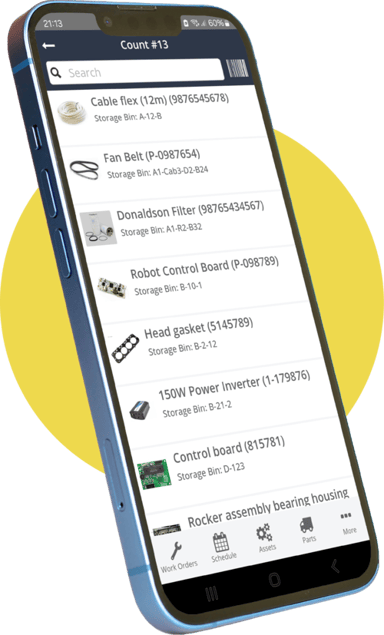
A CMMS helps track part usage, making it easier to calculate inventory turnover and analyze patterns. With real-time inventory data, managers can identify high and low-turnover parts, set reorder points, and automate inventory management to maintain optimal stock levels.3. Regularly Review Inventory Levels
Conduct periodic reviews of inventory levels, especially for parts with low turnover rates. Identify parts that may no longer be essential and adjust stocking strategies based on recent usage patterns.Improve Efficiency by Monitoring Inventory Turnover
Inventory turnover is a crucial metric for maintenance and parts room managers seeking to optimize inventory management. By monitoring turnover, managers can make informed decisions about which parts to stock, how much to keep on hand, and how to reduce storage costs.
Effective management of inventory turnover ensures that critical parts are available when needed, improves cash flow, and minimizes waste—ultimately enhancing maintenance efficiency and reducing operational costs.