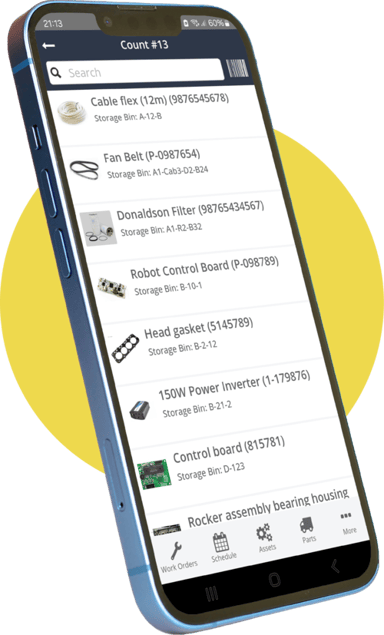
The concept of Maintenance History is a crucial part of any Computerized Maintenance Management System (CMMS). It is the record of all maintenance activities performed on an asset or piece of equipment. This comprehensive record provides valuable insights into the performance, reliability, and cost-effectiveness of assets, helping organizations make informed decisions about asset management and maintenance strategies.
CMMS, an acronym for Computerized Maintenance Management System, is a software package that maintains a database of information about an organization's maintenance operations. This information is intended to help maintenance workers do their jobs more effectively and to help management make informed decisions. CMMS data may also be used to verify regulatory compliance.
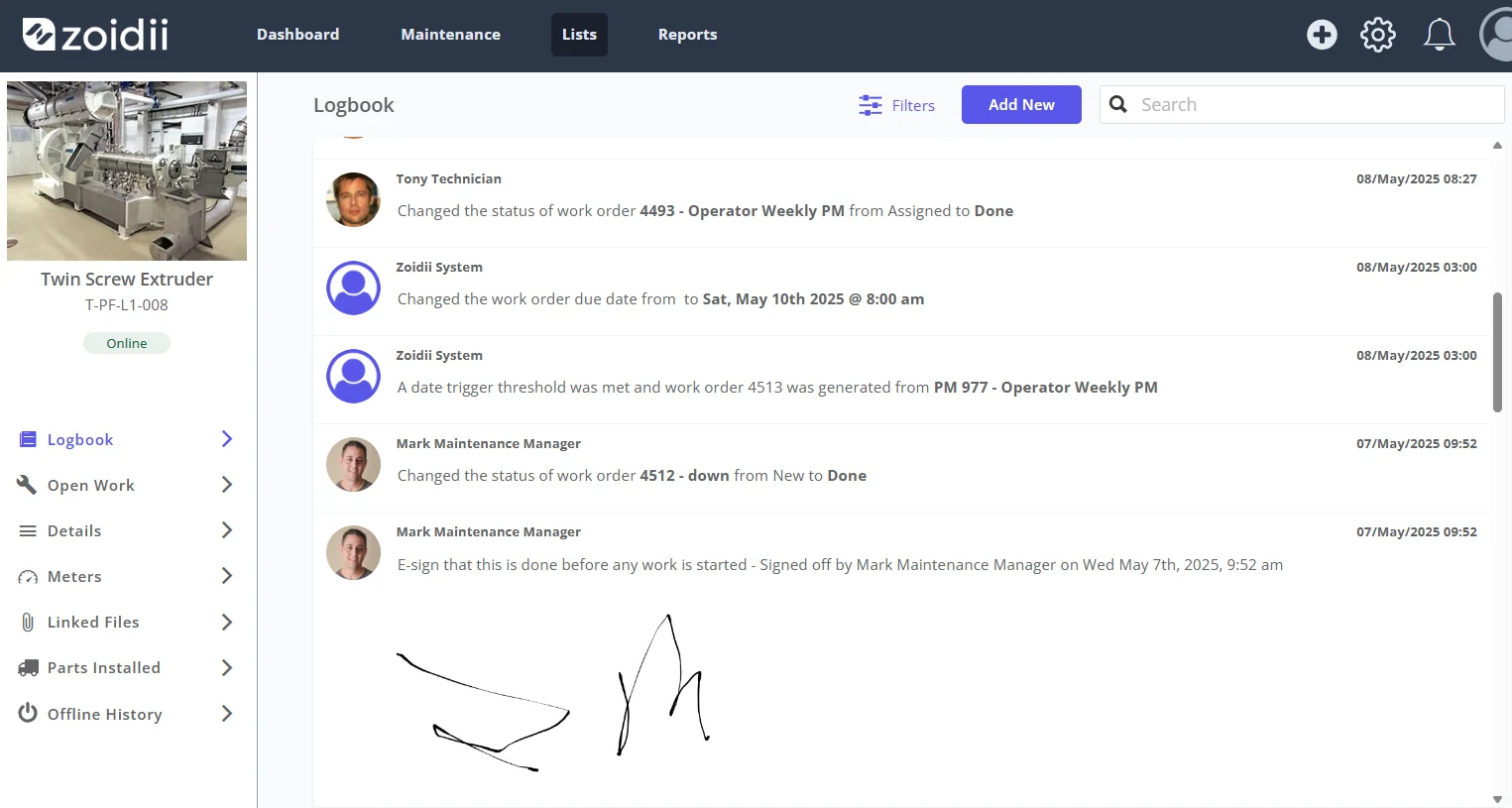
Understanding Maintenance History
Maintenance history is a record of all the maintenance tasks performed on a particular asset or piece of equipment. This includes routine maintenance, repairs, replacements, and inspections. The maintenance history provides a timeline of the asset's performance and health, highlighting any recurring issues or patterns that may indicate a need for further investigation or intervention.
Moreover, maintenance history is a critical component of predictive maintenance strategies. By analyzing past performance and maintenance activities, organizations can predict future failures and schedule maintenance activities accordingly, minimizing downtime and improving overall operational efficiency.
Importance of Maintenance History
Maintenance history plays a significant role in asset management and maintenance strategies. It provides a clear picture of an asset's health and performance over time, enabling organizations to identify potential issues before they escalate into major problems. This proactive approach can result in significant cost savings by preventing unnecessary repairs or replacements.
Furthermore, maintenance history is essential for compliance with various industry regulations. Many industries require organizations to maintain detailed records of their maintenance activities to demonstrate compliance with safety and operational standards. Failure to provide these records can result in penalties or even operational shutdowns.
Components of Maintenance History
A comprehensive maintenance history includes several key components. First, it includes a record of all maintenance activities performed on the asset, including routine maintenance, repairs, and replacements. This record should include the date and time of the maintenance, the tasks performed, and the personnel involved.
Second, the maintenance history should include a record of any issues or failures associated with the asset. This includes any symptoms or signs of failure, the cause of the failure, and the actions taken to resolve the issue. This information can provide valuable insights into the asset's performance and reliability.
Understanding CMMS
A Computerized Maintenance Management System (CMMS) is a software package that helps organizations manage their maintenance operations more effectively. It provides a centralized database for tracking and managing maintenance activities, enabling organizations to streamline their maintenance processes, improve asset performance, and reduce operational costs.
CMMS software can automate many aspects of the maintenance process, including scheduling maintenance tasks, tracking asset performance, and analyzing maintenance data. This automation can free up valuable time for maintenance personnel, allowing them to focus on more critical tasks.
Benefits of CMMS
Implementing a CMMS can provide numerous benefits to an organization. One of the most significant benefits is improved operational efficiency. By automating routine tasks and providing real-time visibility into asset performance, CMMS software can help organizations optimize their maintenance schedules, reduce downtime, and improve asset reliability.
Another major benefit of CMMS is cost savings. By providing detailed insights into asset performance and maintenance costs, CMMS software can help organizations identify areas for improvement and implement cost-effective maintenance strategies. Additionally, by preventing unnecessary repairs or replacements, a CMMS can result in significant cost savings over time.
Features of CMMS
CMMS software offers a wide range of features designed to simplify and enhance the maintenance process. These include work order management, asset management, inventory management, preventive maintenance scheduling, and reporting and analytics. Each of these features plays a crucial role in helping organizations manage their maintenance operations more effectively.
Work order management features allow organizations to track and manage maintenance tasks, from initial request through completion. Asset management features provide a centralized database for tracking asset performance and maintenance history. Inventory management features help organizations track and manage their spare parts inventory, while preventive maintenance scheduling features enable organizations to schedule and track routine maintenance tasks. Finally, reporting and analytics features provide valuable insights into maintenance operations, helping organizations make data-driven decisions.
Integration of Maintenance History and CMMS
The integration of maintenance history and CMMS is a powerful combination that can significantly enhance an organization's maintenance operations. By storing and analyzing maintenance history data within a CMMS, organizations can gain a deeper understanding of their assets' performance and health, enabling them to make more informed decisions about their maintenance strategies.
Moreover, integrating maintenance history with CMMS can streamline the maintenance process, reducing the time and effort required to track and manage maintenance activities. This can result in significant time and cost savings, improving the organization's overall operational efficiency.
Using Maintenance History in CMMS
Using maintenance history in a CMMS involves recording and tracking all maintenance activities performed on an asset. This includes routine maintenance, repairs, replacements, and inspections. The CMMS stores this data in a centralized database, making it easily accessible for analysis and reporting.
By analyzing maintenance history data, organizations can identify patterns and trends in asset performance, enabling them to predict future failures and schedule maintenance activities accordingly. This predictive maintenance approach can significantly reduce downtime and improve asset reliability.
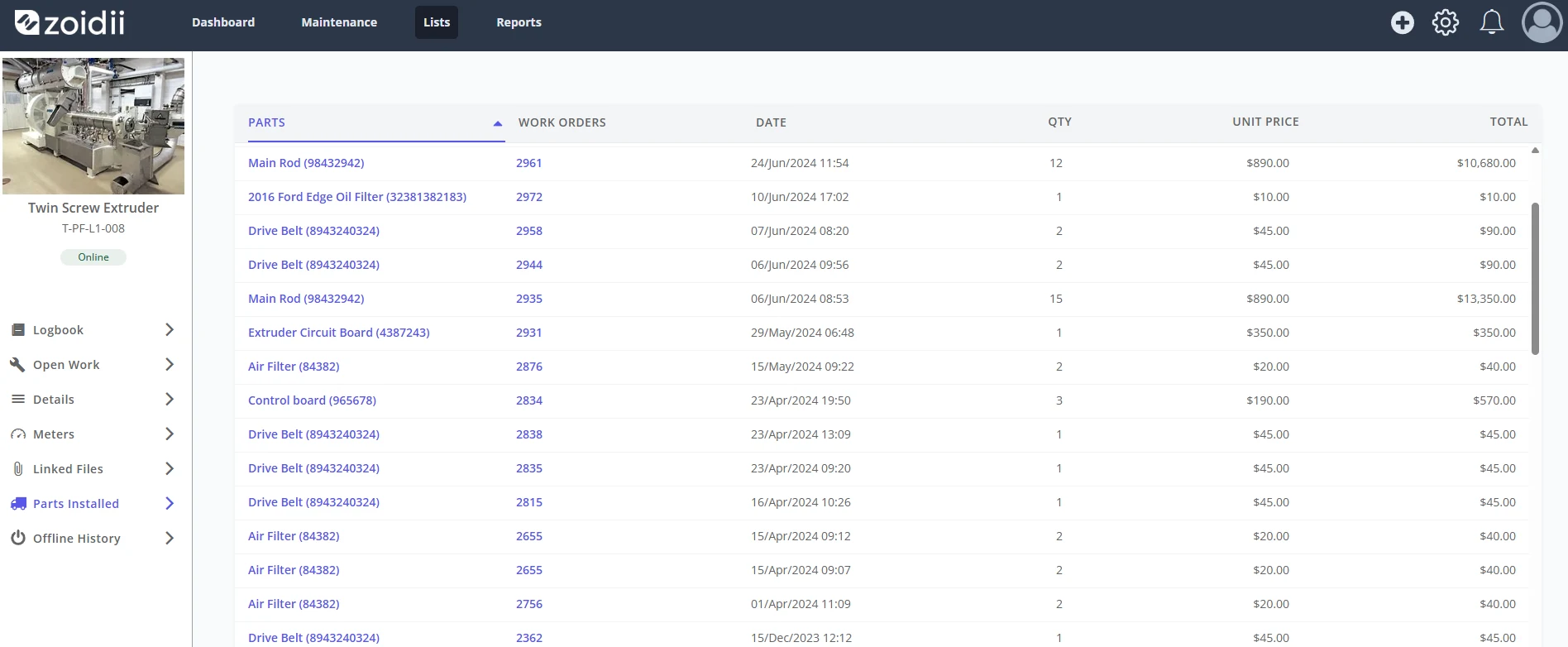
Benefits of Integrating Maintenance History and CMMS
Integrating maintenance history and CMMS can provide numerous benefits to an organization. One of the most significant benefits is improved decision-making. By providing a comprehensive view of asset performance and maintenance activities, a CMMS can help organizations make more informed decisions about their maintenance strategies, resulting in improved operational efficiency and cost savings.
Another major benefit is improved compliance. Many industries require organizations to maintain detailed records of their maintenance activities to demonstrate compliance with safety and operational standards. A CMMS can automate this record-keeping process, making it easier for organizations to meet their compliance requirements.
Conclusion
In conclusion, maintenance history and CMMS are two interconnected concepts that play a crucial role in effective asset management. Maintenance history provides a comprehensive record of an asset's performance and health, while a CMMS provides a centralized platform for managing and analyzing this data. Together, these tools can help organizations optimize their maintenance strategies, improve asset reliability, and reduce operational costs.
Whether you're a small business owner looking to streamline your maintenance operations, or a large corporation seeking to improve asset performance and compliance, understanding the concepts of maintenance history and CMMS is essential. By leveraging these tools effectively, you can enhance your maintenance operations and achieve your organizational goals.