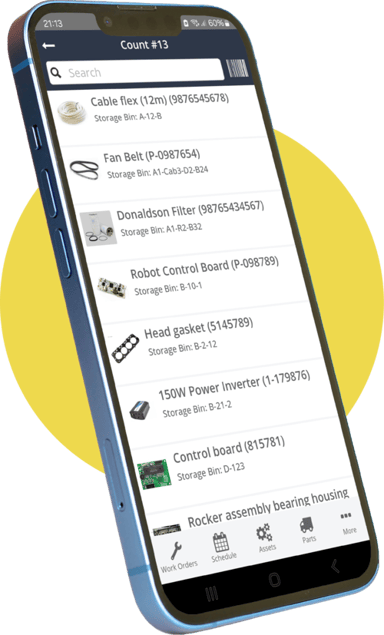
Asset tracking is a fundamental aspect of any organization's operations, and Computerized Maintenance Management Systems (CMMS) play a pivotal role in this process.
This glossary entry will delve into the intricate details of CMMS, its relevance to asset tracking, and how it revolutionizes the way organizations manage their assets.
CMMS is a software package that maintains a computer database of information about an organization's maintenance operations. This information is designed to assist maintenance workers in performing their duties more efficiently and to enable management to make informed decisions.
Understanding the complexities of CMMS and its application in asset tracking is crucial for any organization aiming to streamline its operations and maximize efficiency.
Understanding CMMS
At its core, a CMMS system is designed to simplify the management and tracking of organizational assets. It provides a centralized system where all asset information can be stored, including details about maintenance schedules, asset life cycles, and repair histories.
This comprehensive database facilitates the efficient management of resources, thereby reducing downtime and enhancing productivity.
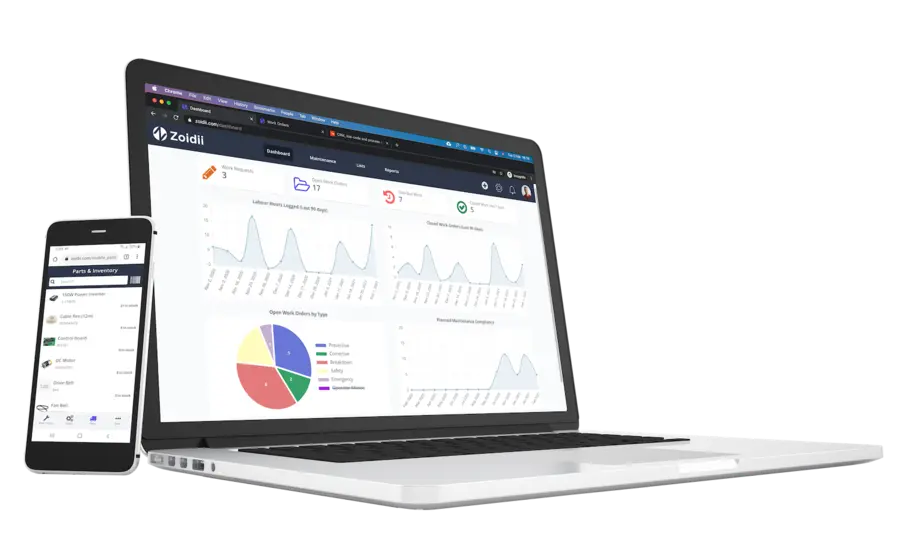
CMMS systems can be utilized across various industries, including manufacturing, healthcare, property management, and others. The versatility of these systems stems from their ability to adapt to different types of assets and maintenance strategies.
From tracking machinery in a factory to managing the upkeep of a commercial building, CMMS systems provide a comprehensive solution for asset management.
The Components of CMMS
A CMMS system comprises several key components, each serving a specific function within the system. These components include the asset database, the work order system, the scheduling system, and the reporting system.
Each of these components works in tandem to provide a comprehensive overview of an organization's assets and their maintenance needs.
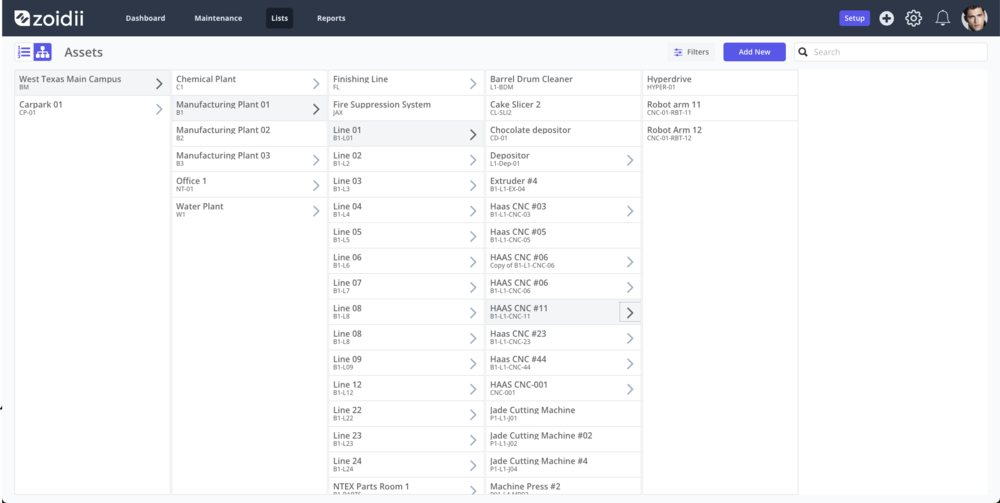
The asset database is the heart of the CMMS system. It stores all relevant information about an organization's assets, including their specifications, location, and maintenance history. This database can be easily accessed and updated, ensuring that all asset information is current and accurate.
Benefits of CMMS
CMMS systems offer a myriad of benefits to organizations. One of the most significant benefits of CMMS Software is the improvement in efficiency and productivity. By having all asset information in one place, maintenance teams can quickly identify issues, schedule repairs, and prevent unnecessary downtime.
This leads to increased productivity and reduced costs associated with equipment failure and unplanned maintenance.
Another significant benefit of CMMS systems is their ability to provide detailed reports on asset performance and maintenance activities. These reports can be used to identify trends, pinpoint areas for improvement, and make informed decisions about asset management.
This level of insight can lead to improved asset lifespan, reduced maintenance costs, and ultimately, a higher return on asset investment.
Asset Tracking and CMMS
Asset tracking is a critical aspect of CMMS. It involves keeping track of all assets within an organization, including their location, status, and any associated maintenance activities. This process is crucial for ensuring that assets are adequately maintained, available when needed, and utilized to their full potential.
CMMS systems facilitate asset tracking by providing a centralized platform where all asset information can be stored and accessed. This includes real-time data about the asset's location, its current status, and its maintenance history.
With this information at their fingertips, organizations can effectively manage their assets, prevent equipment failure, and plan for future maintenance needs.
The Role of CMMS in Asset Tracking
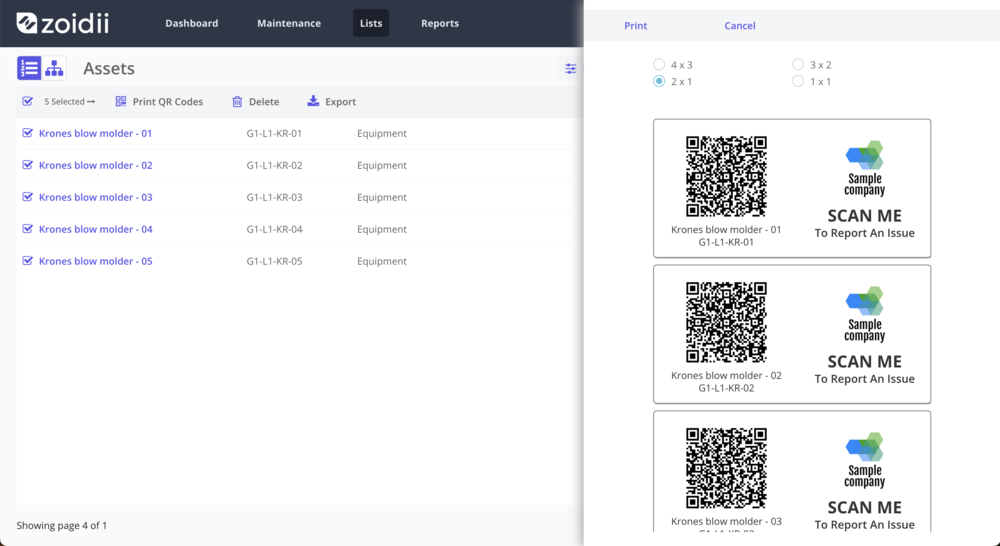
CMMS plays a crucial role in asset tracking by providing the tools and resources needed to manage assets effectively. This includes features such as QR Code scanning and RFID tagging, which enable quick and accurate asset identification.
Additionally, CMMS systems offer features like automated alerts and notifications, which can notify maintenance teams of upcoming maintenance needs or potential equipment failures.
By leveraging these features, organizations can ensure that their assets are always in optimal working condition, that maintenance activities are carried out promptly, and that any potential issues are identified and addressed before they can cause significant downtime or damage.
Asset Tracking Techniques in CMMS
Several techniques are used in CMMS for asset tracking. These include QR code scanning, RFID tagging, and GPS tracking. Each of these techniques offers its own set of advantages and can be applied in various scenarios, depending on the specific needs of the organization.
Barcode scanning is a cost-effective and straightforward technique for asset tracking. It involves attaching barcodes to assets and then using a barcode scanner to read the information stored in the barcode. This information is then automatically updated in the CMMS system, providing real-time data about the asset's location and status.
Implementing CMMS for Asset Tracking
Implementing a CMMS system for asset tracking involves several steps. The first step is to identify the organization's asset tracking needs. This includes determining the types of assets that need to be tracked, the information that needs to be collected about these assets, and how this information will be utilized.
Once the organization's asset tracking needs have been identified, the next step is to select a CMMS system that meets these needs. This involves researching various CMMS systems, comparing their features and capabilities, and choosing the one that best suits the organization's needs and budget.
Training and Support
After a CMMS system has been selected, the next step is to train staff on how to use the system. This involves providing comprehensive training on all aspects of the system, including how to input asset information, utilize the system's tracking features, and generate and interpret reports.
In addition to training, ongoing support is also crucial for successful CMMS implementation. This includes providing technical support to resolve any issues that may arise, as well as providing updates and upgrades to the system as needed.
Continuous Improvement
Implementing a CMMS system for asset tracking is not a one-time event; it is an ongoing process. This process involves continuously monitoring the system's performance, identifying areas for improvement, and making necessary adjustments to ensure that the system continues to meet the organization's asset tracking needs.
By regularly reviewing and updating the CMMS system, organizations can ensure they are maximizing their investment and that their asset tracking processes are as efficient and effective as possible.
Conclusion
Asset tracking is a critical aspect of any organization's operations, and CMMS systems play a pivotal role in facilitating this process. By providing a centralized platform for storing and accessing asset information, CMMS systems help organizations manage their assets more effectively, increase productivity, and reduce costs.
Whether an organization seeks to enhance its asset tracking processes, boost operational efficiency, or gain a deeper understanding of its assets, a CMMS system can provide the necessary tools and resources to achieve these objectives.
With its comprehensive features and capabilities, a CMMS system is a valuable tool for any organization seeking to optimize its asset management processes.