Cloud computing has become a cornerstone for industries worldwide, transforming how businesses operate, manage data, and deliver services.
One area that has significantly benefited from this technological advancement is maintenance management, mainly through the adoption of Cloud-based Computerized Maintenance Management System (CMMS) software.
This article discusses cloud-based CMMS software, exploring its features, benefits, and why it's becoming a crucial tool for organizations of all sizes.
What is Cloud Computing
Before we discuss the advantages of cloud-based CMMS, it's essential to understand cloud-based software. The term "cloud" can be confusing, but it's merely a moniker for software accessed over the Internet.
Cloud computing provides on-demand access to computing resources—such as servers, storage, databases, networking, software, and analytics—through the Internet, often called "the cloud." Cloud-based software is accessed online rather than installed on your computer or server.
The software is stored and running on the vendor's data center in a secure location. Users then access the software from any device with an internet connection. Most people already use cloud-based software like Facebook, Gmail, or LinkedIn without realizing it.
You must typically pay for licenses, upgrades, and maintenance with traditional on-premise software. With cloud-based software, these costs are wrapped up in a monthly or yearly subscription fee, saving you significant money over the long term.
Cloud-based software also offers greater security than traditional software. With conventional on-premise software, your data resides on your company servers, which may be vulnerable to hacking or other security breaches.
With cloud-based software, the vendor stores your data on servers in secure, state-of-the-art data centers that the software provider manages. The vendor uses cutting-edge security measures to regularly protect and back up the data.
Finally, cloud-based software offers greater accessibility than traditional software. With traditional on-premise software, you typically have to be in the office to access your data. With cloud-based software, you can access the software from anywhere with an internet connection, meaning you can work from home, on the road, or even on vacation.
Understanding CMMS and the Cloud
Traditionally, CMMS software was installed on local servers within a company, requiring significant IT resources for management and maintenance. These on-premise CMMS systems often demanded substantial upfront investments in hardware, software, and ongoing maintenance costs.
With the advent of cloud computing, CMMS solutions have evolved to offer more flexibility, scalability, and cost-effectiveness. Cloud-based CMMS software is stored and running on the vendor's data center in a secure location and accessed by maintenance personnel through the Internet.
This shift to the cloud has revolutionized maintenance management, providing numerous advantages over traditional on-premise systems.
Key Features of Cloud-Based CMMS Software
Cloud-based CMMS software offers comprehensive features that improve maintenance operations and asset management. Some of the key features include:
Asset Management
Cloud-based CMMS allows organizations to manage all their assets in one centralized system. Every asset's maintenance history, specifications, and lifecycle can be tracked and analyzed, from machinery and equipment to facilities and vehicles. This information leads to better decision-making regarding repairs, replacements, and maintenance schedules.Work Order Management
One of the core features of CMMS software is work order management. Cloud-based systems enable creating, assigning, tracking, and completing work orders from any location. Maintenance teams can access real-time information on their mobile devices, ensuring tasks are completed efficiently and on time.Preventive Maintenance
Cloud-based CMMS supports scheduling preventive maintenance tasks, helping organizations avoid costly equipment failures and downtime. The software can automatically generate work orders based on predefined schedules or condition-based triggers, ensuring technicians perform maintenance tasks at optimal intervals.Inventory Management
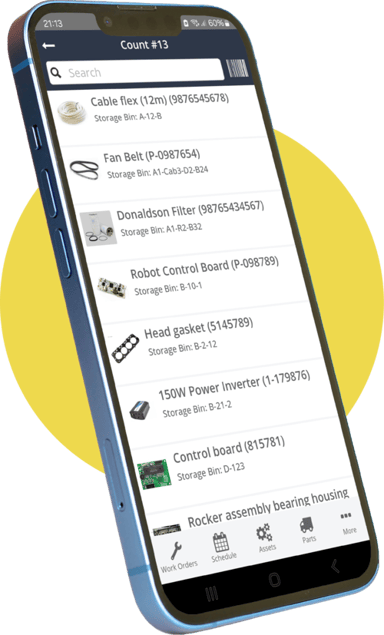
Efficient inventory management is critical to ensuring that necessary spare parts and materials are available when needed. Cloud-based CMMS software provides:- Real-time visibility into inventory levels.
- Enabling organizations to reorder items proactively and reduce stockouts.
- Overstocking.
- Storage costs.
Reporting and Analytics
Data-driven decision-making is at the heart of modern maintenance management. Cloud-based CMMS software offers robust reporting and analytics tools that provide insights into asset performance, maintenance costs, and work order efficiency. These insights help organizations optimize their maintenance strategies and reduce operational costs.Mobile Accessibility
One of the standout features of cloud-based CMMS is its mobile accessibility. Maintenance teams can access the software from smartphones or tablets regardless of location. This mobility ensures technicians have the information they need to perform tasks efficiently, reducing downtime and improving response times.Scalability
Cloud-based CMMS software is highly scalable, making it suitable for organizations of all sizes. Whether a small business or a large enterprise, companies can scale their CMMS solution to meet their growing needs without significant infrastructure investments.Integration Capabilities
To maximize the efficiency of maintenance operations, cloud-based CMMS can integrate with other business systems, such as Enterprise Resource Planning (ERP), Internet of Things (IoT) devices, and Building Management Systems (BMS). These integrations enable seamless data exchange, eliminate redundancy, and improve the efficiency of the maintenance management process.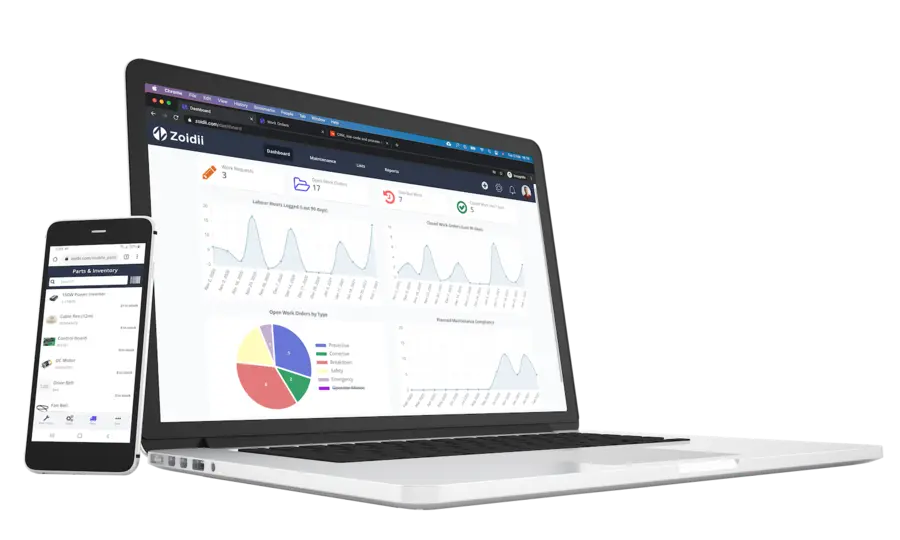
11 Benefits of Cloud-Based CMMS Software
The shift from on-premise to cloud-based CMMS software offers several compelling benefits that have driven its widespread adoption across various industries.
1. Easier to Implement CMMS Software
When implementing traditional on-premise CMMS software, your IT team may need to purchase and install a new server at the facility. They must install firewalls and virus protection to protect the application from intrusions. Finally, they need to install the software provided by the vendor.Implementing a cloud-based CMMS is faster and less complex than setting up an on-premise system. The CMMS vendor hosts and maintains the software, meaning organizations can get up and running quickly without worrying about server setup or installation. For example, Zoidii's Cloud-based CMMS software is available immediately after signup. You can open the CMMS in a browser, add users, and configure the asset hierarchy immediately.
2. Cost Savings with Cloud-Based CMMS
Traditional on-premise systems often require substantial capital investments in hardware, software licenses, and IT resources for maintenance and updates.Cloud-based CMMS software can provide significant cost savings compared to traditional on-premises software. As the provider hosts the cloud-based software, companies do not need to purchase and maintain expensive servers and other IT infrastructure.
Cloud-based CMMS operates on a subscription model, where organizations pay a predictable monthly or annual fee. It also reduces the upfront costs of implementing a CMMS system. The cloud-based software subscription model also makes CMMS software accessible to businesses of all sizes.
Many cloud-based CMMS providers also offer flexible pricing plans based on users, features, storage access, or other value metrics. Hence, companies only pay for the features and users they need, further reducing costs.
This pricing model eliminates the need for large upfront investments and reduces the total cost of ownership. Companies can start small and scale their software usage as maintenance needs change without investing in new hardware or software.
3. Mobile CMMS
Maintenance has always been mobile, so CMMS software should be mobile too. Technicians don't want to walk back and forth to terminals or the office all day. Cloud-based CMMS software allows mobile device access to the CMMS. With mobile CMMS, technicians can access equipment data and work orders in the field as they complete their work. Technicians with busy schedules can get instant notifications on new issues, updates on existing problems, or changes in priority. Real-time information like this improves the speed and accuracy of maintenance activities.4. Better Decision-Making
Some cloud-based CMMS applications have multi-site capabilities, which allow multiple facilities to access the same CMMS while keeping the data separated by the site. This increased visibility enables companies to identify common issues or areas for improvement across all sites and make data-driven decisions that improve maintenance across the entire business. Companies can implement process improvements, optimize maintenance schedules, refine maintenance checklists, and allocate resources more effectively by analyzing maintenance trends, asset performance, failure codes, and cost data.With cloud-based CMMS software, companies can improve their maintenance performance over time and reduce the risk of downtime, leading to better long-term outcomes and a stronger return on investment (ROI).
5. Improved Collaboration with Cloud-Based CMMS
Cloud-based CMMS software can be accessed from anywhere with an internet connection, allowing global accessibility and facilitating remote work and international collaboration. Maintenance teams can collaborate in real-time, share information, and update work orders regardless of location, improving communication and coordination.Cloud-based CMMS software benefits organizations with multiple locations or remote teams. Maintenance technicians share best practices, lessons learned, and standard operating procedures as they complete their work and log it in the CMMS without realizing it.
Cloud-based CMMS software provides real-time updates on maintenance activities, enabling maintenance workers to respond quickly to any issues. This improved collaboration can boost overall maintenance performance and reduce downtime. By working together more effectively, maintenance teams can complete work orders more quickly and efficiently, improving maintenance performance.
6. Enhanced Security with Cloud-Based CMMS
Security is critical for any software solution, especially when dealing with sensitive maintenance data. Cloud-based CMMS software can provide enhanced security compared to traditional on-premises software. Because the provider hosts the software, they are responsible for ensuring that the software and data are secure and protected from cyber threats.Reputable cloud-based CMMS providers implement stringent security measures, including encryption, secure backup, regular security audits, and data redundancy. Data is protected from theft, unauthorized access, loss, or corruption, offering organizations peace of mind.
Zoidii, for example, is hosted on Amazon AWS, the most secure, extensive, and reliable cloud platform. Amazon uses state-of-the-art firewalls, data encryption, and intrusion detection systems.
7. Improved Reliability and Uptime
Cloud-based CMMS providers typically offer high reliability and uptime, often guaranteeing 99.9% uptime or higher. The data is stored in secure, redundant data centers, ensuring the system remains operational even during hardware failures or disasters. This reliability is crucial for maintaining continuous operations and reducing the risk of unplanned downtime.8. Scalability with Cloud-Based CMMS
One of the main benefits of cloud-based CMMS software is that it allows for greater flexibility and scalability. As companies grow and their maintenance needs change, they may require additional features, more end users, or expanded usage of their CMMS software. With cloud-based CMMS software, this scalability is easy to achieve.Providers can quickly and easily add new features or increase usage limits, enabling companies to adapt to changing needs without investing in new software. Companies can continue using the same software as their maintenance needs evolve without worrying about outgrowing it.
This flexibility means businesses can handle varying workload levels without investing in physical infrastructure that might only be needed occasionally.
9. Environmental Sustainability
Cloud-based CMMS solutions contribute to environmental sustainability by reducing the need for dedicated onsite physical infrastructure and energy consumption. Moving maintenance management to the cloud allows organizations to share servers and infrastructure with other cloud software users and decrease their carbon footprint.10. Flexibility and Customization
Cloud-based CMMS systems offer a high degree of flexibility and customization, allowing organizations to tailor the software to their needs. System administrators can configure workflows, dashboards, reports, and system defaults to align with their specific maintenance processes and requirements, enhancing productivity and operational efficiency.11. Automatic Software Updates
With cloud-based CMMS software, providers are responsible for maintaining and updating the software. Companies don't have to worry about managing software updates independently.Providers can quickly and easily push software updates to the cloud, ensuring that companies can always access the latest features, patches, and bug fixes without downtime or manual intervention. Companies can continue using the most up-to-date software without worrying about managing updates.
The Future of Cloud-Based CMMS Software
The future of cloud-based CMMS software looks promising. Integrating Artificial Intelligence (AI) like ChatGBT and Machine Learning (ML) will enrich the next generation of CMMS systems. AI-powered predictive maintenance, for example, can analyze operational data from IoT sensors mounted to equipment and predict failures before they occur, allowing organizations to take proactive measures.
Furthermore, the increasing adoption of Industry 4.0, Industry 5.0, and the Internet of Things (IoT) will lead to more connected and intelligent maintenance management systems. Cloud-based CMMS will be at the forefront of this transformation, offering real-time data analysis, automation, and enhanced decision-making capabilities.
Maximize the Impact of Cloud-Based CMMS Software
As we've seen, cloud-based CMMS software is a powerful online tool offering advantages over traditional on-premises software. From increased efficiency, productivity, and cost savings to enhanced security and collaboration, cloud-based CMMS software can help companies improve maintenance performance and reduce downtime.
Cloud-based CMMS software has revolutionized maintenance management, offering many benefits that traditional on-premise CMMS systems cannot match. From cost-effectiveness and scalability to enhanced security and global accessibility, these solutions are becoming essential tools for organizations aiming to optimize their maintenance operations.
Cloud-based CMMS will undoubtedly remain a critical component of successful maintenance management strategies, driving efficiency, reliability, and sustainability in the future.