The Internet of Things (IoT) has revolutionized the way we interact with the world around us. From smart homes to connected cars, IoT has permeated every aspect of our lives. One area where IoT has made a significant impact is in the field of Computerized Maintenance Management Systems (CMMS). This article aims to provide an in-depth understanding of how IoT has transformed CMMS.
Before we delve into the specifics, it's important to understand the basic concepts. IoT refers to the network of physical devices, vehicles, home appliances, and other items embedded with sensors, software, and network connectivity, which enables these objects to connect and exchange data. CMMS, on the other hand, is a software package that maintains a computer database of information about an organization's maintenance operations.
Understanding IoT
IoT is a concept that not only has the potential to impact how we live but also how we work. But what exactly is IoT? And how does it work? These are the questions we will answer in this section.At its core, IoT is about connecting devices over the internet, letting them talk to us, applications, and each other. The 'things' in IoT could be as simple as a heart monitor or as complex as the jet engine of an airplane. What's important is that these devices are embedded with sensors that can collect and transmit data over the internet.
Components of IoT
IoT is made up of several components, each playing a crucial role in how the system works. These components include sensors, connectivity, data processing, and a user interface.Sensors collect data from the environment (temperature, light, motion, etc.), while connectivity refers to the methods used to connect the sensors to the cloud (Wi-Fi, Bluetooth, LoRa, cellular, etc.). Once the data gets to the cloud, software processes it and then it's made useful to the user in some way. This could be through an alert on their phone or triggering a device to perform a certain action.
Applications of IoT
IoT has a wide range of applications, from consumer goods to industrial applications. In the consumer market, for instance, smart homes that are equipped with connected thermostats, appliances, and security systems are becoming more common.In the industrial sector, IoT is used to enhance safety, efficiency, and decision-making. For example, sensors can monitor machinery in a factory, sending alerts when a machine is likely to fail. This allows for proactive maintenance, reducing downtime, and saving money.
Understanding CMMS
Now that we have a basic understanding of IoT, let's turn our attention to CMMS. A Computerized Maintenance Management System (CMMS) is a software package designed to maintain a computer database of information about an organization's maintenance operations.This information is intended to help maintenance workers do their jobs more effectively (for example, determining which machines require maintenance and which storerooms contain the spare parts they need) and to help management make informed decisions (for example, calculating the cost of machine breakdown repair versus preventive maintenance for each machine).
Components of CMMS
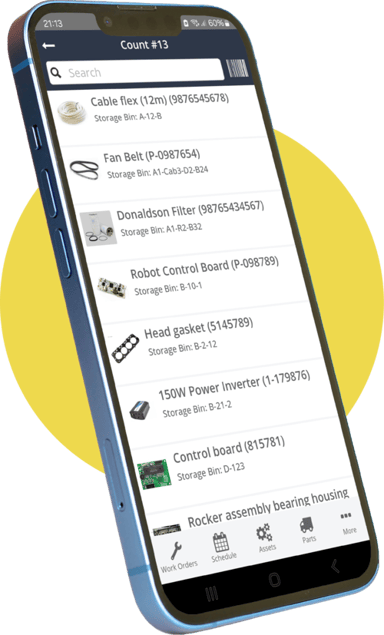
A CMMS system typically includes a variety of components, each designed to help with different aspects of maintenance management. These components include work order management, asset management, inventory management, and preventive maintenance.Work order management allows maintenance managers to track and manage all work order activities. Asset management helps keep track of all the organization's assets and their conditions. Inventory management ensures that all necessary spare parts and materials are available when needed. Preventive maintenance schedules regular maintenance to prevent unexpected equipment failures.
Benefits of CMMS
Implementing a CMMS can have several benefits for an organization. It can help reduce maintenance costs, increase asset life, improve productivity, reduce downtime, and improve safety.By scheduling preventive maintenance, a CMMS can help avoid costly breakdowns and extend the life of equipment. It can also improve productivity by ensuring that all necessary materials and tools are available when needed. Additionally, a CMMS can help improve safety by ensuring that all equipment is properly maintained and safe to use.
IoT and CMMS: A Powerful Combination
When IoT and CMMS are combined, they can provide a powerful tool for maintenance management. IoT can provide real-time data about equipment condition, which can be used by a CMMS to schedule preventive maintenance, reducing downtime and saving money.Furthermore, IoT can provide valuable insights into equipment performance, helping to identify potential problems before they become serious. This information can be used by a CMMS to improve maintenance planning and decision-making.
IoT-Enabled CMMS
An IoT-enabled CMMS can take maintenance management to a new level. By integrating IoT sensors with a CMMS, organizations can automate many of their maintenance processes.For example, sensors can monitor equipment condition and send alerts to the CMMS when maintenance is needed. This allows for proactive maintenance, reducing downtime, and saving money. Furthermore, by analyzing the data collected by the sensors, a CMMS can provide valuable insights into equipment performance, helping to improve maintenance planning and decision-making.
Benefits of IoT-Enabled CMMS
Implementing an IoT-enabled CMMS can have several benefits for an organization. It can help reduce maintenance costs, increase asset life, improve productivity, reduce downtime, and improve safety.By scheduling preventive maintenance based on real-time data, an IoT-enabled CMMS can help avoid costly breakdowns and extend the life of equipment. It can also improve productivity by ensuring that all necessary materials and tools are available when needed. Additionally, an IoT-enabled CMMS can help improve safety by ensuring that all equipment is properly maintained and safe to use.
Challenges and Solutions
While IoT and CMMS offer many benefits, implementing these technologies is not without challenges. These challenges include data security, data overload, integration issues, and the need for skilled personnel.Data security is a major concern in the IoT world. With so many connected devices, there are many potential entry points for hackers. To address this issue, organizations need to implement robust security measures, including encryption, secure access controls, and regular security audits.
Data Overload
With so many connected devices, organizations can quickly become overwhelmed with data. This can make it difficult to extract meaningful insights from the data. To address this issue, organizations need to implement data analytics tools that can help them analyze and interpret the data.These tools can help organizations identify patterns and trends in the data, helping them make informed decisions. Additionally, these tools can help organizations automate many of their data analysis processes, freeing up personnel to focus on other tasks.
Integration Issues
Integrating IoT with existing systems can be a complex task. It requires a deep understanding of both the IoT devices and the existing systems. To address this issue, organizations need to invest in training and development, ensuring that their personnel have the necessary skills to handle the integration.Additionally, organizations may need to hire external consultants or vendors to assist with the integration. This can be a costly process, but it can also save time and resources in the long run.
Need for Skilled Personnel
Implementing IoT and CMMS requires skilled personnel. These personnel need to have a deep understanding of both technologies, as well as the ability to integrate them effectively.To address this issue, organizations need to invest in training and development. This can help ensure that their personnel have the necessary skills to implement and manage these technologies. Additionally, organizations may need to hire new personnel with the necessary skills.
Conclusion
The Internet of Things (IoT) and Computerized Maintenance Management Systems (CMMS) are two powerful technologies that can transform maintenance management. By combining these technologies, organizations can automate many of their maintenance processes, reduce costs, improve productivity, and enhance safety.However, implementing these technologies is not without challenges. Organizations need to address issues related to data security, data overload, integration, and the need for skilled personnel. By addressing these challenges, organizations can reap the many benefits of IoT and CMMS.