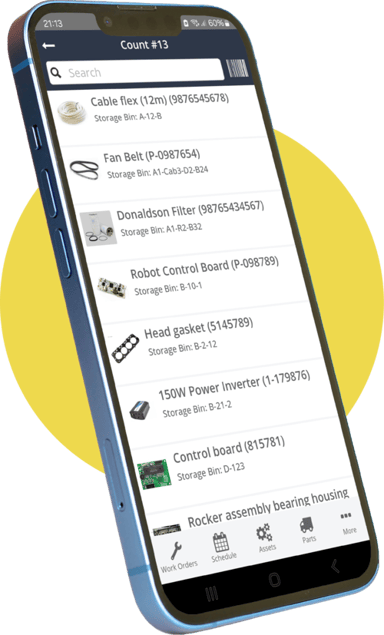
Facilities maintenance management software is essential for facilities managers who need to keep track of various assets, manage maintenance activities, and ensure that facility operations run smoothly.
As facilities grow more complex and the demand for optimized, efficient maintenance increases, digital tools have become invaluable for managing facilities. Facilities maintenance management software consolidates tasks, tracks data, and provides insights to significantly improve maintenance operations, cost savings, and overall facility performance.
This article covers the fundamentals of facilities maintenance management software, its benefits, and the key features facilities managers should look for to maximize its value.
What is Facilities Maintenance Management Software?
Facilities maintenance management software is a digital tool designed to help facility managers organize, plan, and track maintenance activities within a facility. It supports the management of assets, maintenance schedules, work orders, and documentation, making it easier to coordinate tasks, avoid downtime, and optimize asset performance.
These software systems often include functionalities such as asset tracking, preventive maintenance scheduling, work order management, and inventory control, enabling managers to address issues proactively and maintain facilities in top condition. Facilities maintenance software also provides insights through reporting and analytics, enabling data-driven decision-making for continuous improvement.
Six Key Benefits of Facilities Maintenance Management Software
Facilities maintenance management software provides numerous advantages. It helps facilities managers streamline operations and reduce costs while ensuring facilities operate safely and efficiently.
1. Improved Efficiency and Productivity
Facilities maintenance management software reduces the time and effort needed to manage daily operations by automating many maintenance tasks. Work orders, maintenance schedules, and equipment data are consolidated into a centralized platform, making it easier for teams to locate information, track task progress, and respond quickly to maintenance requests.This centralized approach saves time, reduces communication delays, and ensures tasks are completed efficiently.
2. Enhanced Asset Lifespan and Performance
Preventive maintenance is critical to maximizing the economic life of equipment and assets, and maintenance software makes it easy to set up preventive schedules based on asset data and manufacturer recommendations.Regularly maintained assets experience fewer breakdowns, maintain better performance, and last longer, reducing the need for costly replacements. Facilities maintenance software keeps maintenance tasks on track, ensuring critical equipment is serviced before issues arise.
3. Reduced Maintenance Costs
With facilities maintenance management software, facilities managers gain visibility into maintenance costs, helping them make informed budgeting decisions, like whether to repair or replace equipment. Scheduled preventive maintenance reduces emergency repairs and equipment failures, which are often more expensive.4. Compliance and Risk Management
Maintenance software provides essential documentation and tracking tools for facilities that must comply with health, safety, and regulatory standards. Facilities managers can maintain records of inspections, repairs, and maintenance activities required to meet compliance standards.Should an audit occur, maintenance software offers easy access to historical data, ensuring that facilities are prepared with up-to-date records. Maintenance software can help facilities managers breeze through audits.
5. Better Inventory Management
Facilities maintenance software often includes inventory management capabilities, allowing managers to track spare parts and supplies in real-time. An inventory management module reduces the risk of running out of necessary materials, avoiding costly delays in repairs and maintenance.Automated alerts can notify teams when inventory levels are low, ensuring that supplies are replenished as needed.
6. Data-Driven Insights and Reporting
Facilities maintenance software provides reporting tools that offer valuable insights into facility performance. Facility managers can track key performance indicators (KPIs) such as asset downtime, maintenance costs, and response times.This data can be used to optimize maintenance strategies, helping facilities teams make informed decisions based on historical trends and current performance metrics.
Key Features of Facilities Maintenance Management Software
When selecting facilities maintenance management software, it’s essential to look for features that support efficient operations and address the unique needs of your facility. Here are some of the most critical features to consider:
1. Asset Management
An effective facilities maintenance software solution will have comprehensive asset management capabilities. This functionality lets managers keep a detailed inventory of all assets, track their condition, and record service history. Asset management tools help understand each asset’s age, condition, and lifecycle stage, aiding in long-term maintenance planning and budgeting.2. Preventive Maintenance Scheduling
Preventive maintenance scheduling is one of the most valuable features of facilities maintenance software. By setting up preventive schedules, facilities managers can ensure that assets are serviced when needed, reducing the risk of unexpected breakdowns. Automated reminders notify teams when maintenance is due, keeping preventive tasks on track and minimizing downtime.3. Work Order Management
Work order management is a core feature that allows managers to create, assign, and track work orders from a single platform. This feature helps streamline maintenance requests, ensuring tasks are assigned to the right personnel or 3rd party vendor and tracked from initiation to completion.Facilities managers can also prioritize work orders based on urgency, asset criticality, or resource availability, enhancing responsiveness.
4. Inventory and Spare Parts Management
Inventory management functionality allows facilities teams to track spare parts and supplies necessary for repairs and preventive maintenance. With real-time inventory tracking, managers can avoid stockouts and ensure that parts are available when needed. Many systems include automated alerts for low inventory levels and reorder suggestions, helping teams stay proactive about inventory needs.5. Mobile Accessibility
Mobile functionality is essential for facilities management teams who are frequently on the move. Mobile access allows technicians and managers to view work orders, update task statuses, and access asset information from smartphones or tablets. This mobile accessibility increases responsiveness and enables field technicians to document real-time maintenance tasks, reducing delays and paperwork.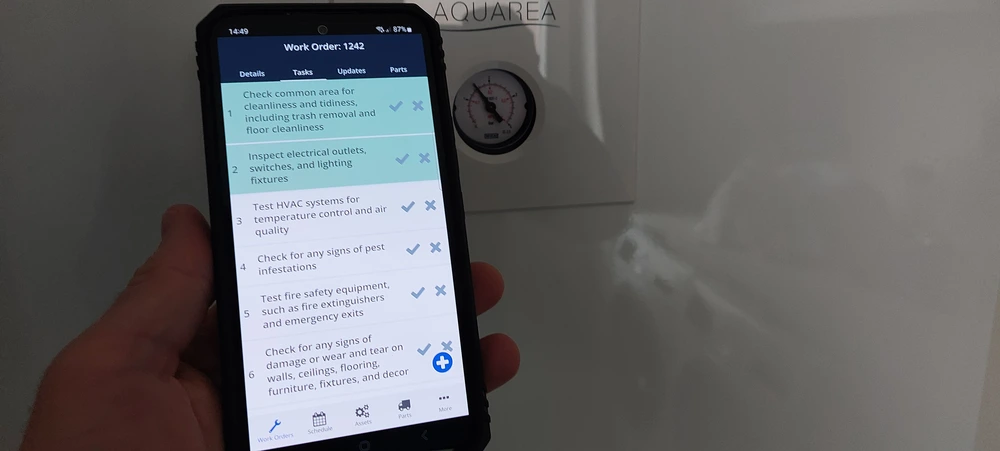
6. Reporting and Analytics
Facilities maintenance software should include robust reporting and analytics tools that enable managers to assess facility performance and maintenance effectiveness. Reporting capabilities help track metrics like asset downtime, mean time to repair, response times, labor costs, and maintenance expenses.By analyzing these KPIs, managers can make data-driven decisions to improve and optimize facility operations.
7. Integration Capabilities
Facilities maintenance software that integrates with other business systems (such as enterprise resource planning software) enables seamless data sharing and improved operational efficiency. Integration ensures that maintenance data aligns with broader organizational processes, enhancing communication and reducing data silos.Choosing the Right Facilities Maintenance Management Software
When selecting software, facilities managers should consider their facility’s specific needs and challenges in managing maintenance. Factors to consider are the facility’s size and complexity, the volume of assets, compliance requirements, and budget constraints.
Additionally, looking for a vendor with a strong track record and reliable customer support can significantly improve the success of implementation and ongoing use.
It’s also advisable to involve maintenance staff and other stakeholders in the evaluation. Ensuring that the selected software is user-friendly and aligns with the maintenance team’s workflows will increase adoption and make the transition to digital maintenance management smoother.
Maximize Efficiency with Facility Maintenance Management Software
Facilities maintenance management software is a powerful tool for managers seeking to optimize maintenance operations, reduce costs, and ensure facilities operate at peak efficiency. With essential features like asset management, preventive maintenance scheduling, work order management, and reporting, maintenance software helps streamline processes and provide valuable insights into facility performance.
By implementing facilities maintenance management software, facilities managers can gain greater control over asset maintenance, enhance productivity, and create a more organized and proactive approach to facility management.
In today’s complex operational environment, leveraging technology to manage maintenance is vital to meeting organizational goals, maintaining compliance, and ultimately delivering a safe, efficient facility.