
Deciding when to repair or replace equipment is crucial for businesses across all industries, particularly in production environments. The decision can significantly affect your business's overall cost, productivity, and operational efficiency.
This article will discuss the factors you must consider when making decisions about repairing or replacing your equipment.
What are the benefits of repair over replacement?
When deciding whether to repair or replace equipment, several factors must be considered. If you choose to repair your equipment, you can save money on the purchase of new equipment. This can be particularly beneficial for small businesses or those operating on a tight budget.
Short-term benefits of replacing equipment with newer models
It is essential to remember that repairs on equipment may only be a temporary solution. While repairs can extend the economic life of your equipment, you may need to address underlying issues that could lead to future breakdowns.
The advantages of replacing equipment with newer models
On the other hand, replacing equipment can have several benefits. New equipment is often more efficient and can lead to increased productivity. Modern equipment may require less maintenance, resulting in lower overall maintenance and operating costs.
Technological advancements in replacement decisions
Another benefit of replacing equipment is taking advantage of technological advancements. Newer models may have features and capabilities that are not available with your old equipment. These advancements can help you stay competitive and improve your overall efficiency. In 2026, equipment manufacturers are increasingly integrating IoT sensors, predictive analytics, and energy-efficient components as standard features, making newer models substantially more capable than their predecessors from even three to four years ago.
Making informed repair or replacement decisions based on business needs
The decision to repair vs replace equipment will depend on several factors, including the age and condition of your current equipment, budget, and business needs. It is essential to carefully evaluate the benefits of each option and make an informed decision that will best serve your business in the long run.
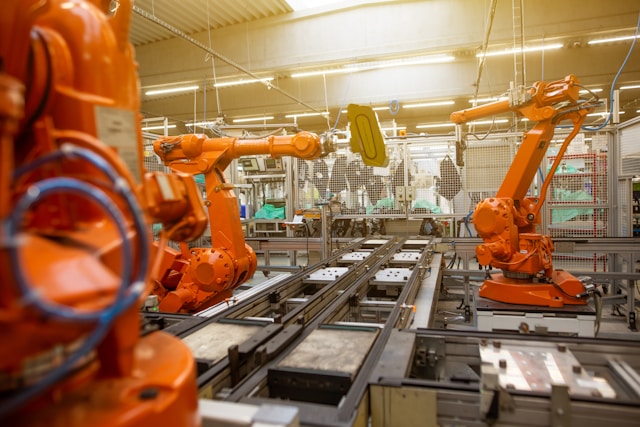
8 steps for estimating the cost of repair versus replacement
Cost is often a primary concern when deciding whether to repair or replace equipment. It is crucial to calculate the total cost for both options accurately.
1. Factors affecting equipment repair costs
When estimating the repair cost, consider the costs of parts, labor, and any potential downtime that may occur during the repair process. The cost of parts can vary depending on the age and availability of the equipment.2. Challenges of sourcing parts for older equipment
For older equipment, parts may be more challenging to procure, which could drive up the repair cost. In 2026, supply chain disruptions continue to affect certain component categories, with lead times for specialized industrial parts averaging 8-12 weeks compared to the 4-6 week standard before 2020. Long lead times on parts can negatively impact your Mean Time to Repair (MTTR) and potentially result in more extended periods of equipment downtime.3. Labor and productivity considerations in repairs
Labor costs can vary depending on the complexity of the repair and the technician's experience in performing it. As of 2026, skilled maintenance technicians command hourly rates between $35 and $85, depending on specialization and region, with certified specialists in automation and robotics often exceeding $100 per hour. It is also imperative to consider any potential loss of productivity during the repair process. If the equipment is critical to your business's operation, downtime could result in high costs.4. Hidden costs of emergency shipping and unplanned repairs
Include any additional expenses, such as shipping or travel costs. Many companies that don't replenish stock regularly with the help of equipment maintenance software will find themselves paying extraordinary amounts for shipping parts quickly from around the world. Expedited shipping costs have increased by approximately 18% since 2024, making emergency parts procurement even more expensive. These costs can add up quickly and should be factored into the total repair cost.5. Weighing the upfront costs of new equipment vs ongoing maintenance
For replacement, consider the initial investment for purchasing new equipment. New equipment may be more expensive upfront, but it may be more cost-effective in the long run. Modern equipment is often more energy-efficient, resulting in lower utility bills. With industrial electricity rates averaging $0.089 per kWh in 2026 (up from $0.076 in 2022), energy efficiency has become an increasingly important factor in equipment decisions. Newer equipment may require less maintenance, reducing maintenance costs.Factoring in long-term preventive maintenance costs, equipment performance, and equipment depreciation can also help determine whether to continue maintaining existing assets or upgrade to new equipment.
6. Factoring in salvage value and disposal costs
When considering replacement, it is also essential to factor in the disposal cost and the salvage value of the existing equipment. Depending on the type of equipment, disposal costs can be high. Environmental regulations in 2026 have increased disposal costs for equipment containing certain materials by 12-15% compared to 2023 levels. If the equipment still has value, selling it and recouping some of the replacement cost may be a viable option.7. Installation downtime and training costs for new equipment
Consider any potential downtime for installation (unless installation can be done during a planned shutdown) and training. If the new equipment requires extensive training, employees may experience downtime while learning how to use it. Training costs for new industrial equipment typically range from $2,000 to $8,000 per operator in 2026, depending on complexity. Management needs to factor this into the total cost of replacement.8. Making informed decisions on equipment repair or replacement
The decision to repair or replace equipment depends on various factors, including the age and condition of the equipment, the cost of repair versus replacement, and the potential impact on productivity and revenue. By carefully considering these factors, you can make an informed decision that is best for your business. You can scrutinize these factors by conducting an MCP (Maintenance Cost Percentage) exercise.
How to measure your maintenance cost percentage
Maintenance cost percentage (MCP) is an essential metric for understanding the impact of repair and replacement decisions on your business. To calculate MCP, divide the total annual maintenance costs by the total value of your equipment, then multiply by 100 to get the percentage.
A high MCP typically indicates that your equipment is nearing the end of its lifespan, and repairs are becoming less cost-effective than replacement. Industry benchmarks for 2026 suggest that manufacturing facilities should target an MCP between 2% and 5%, while facilities exceeding 8% are likely candidates for equipment replacement programs.
A low MCP suggests that routine repairs and preventive maintenance can keep your equipment running efficiently without the need for new equipment. When evaluating equipment replacement decisions, examining the equipment with the highest marginal cost of production (MCP) is a good starting point, especially if it exceeds 10%.
How to evaluate the time required for equipment repair vs replacement
Time is another essential factor when deciding between repairing and replacing equipment. It would be best to evaluate how long it will take to fix the equipment and compare it to the time it takes to replace and reinstall new equipment. Repairs typically cause unplanned downtime, whereas equipment replacement can be scheduled during a planned shutdown.
Assessing the complexity of repairs and parts availability
Repairing is the fastest option in some cases. Depending on the availability of replacement parts and the complexity of the repair, replacing equipment may be more time-efficient.
Rotating spares for some of your lower-cost equipment, such as motors that you can rebuild, can also be a good option. Compare the potential downtime for both options and consider the impact on your operation to make an informed decision.
Considering technical expertise and training requirements
When considering the time involved in repair vs. replacement, it is also critical to factor in the expertise required for the repair. The skilled trades shortage continues in 2026, with the Bureau of Labor Statistics reporting approximately 80,000 unfilled maintenance technician positions across US manufacturing sectors.
If the repair requires specialized knowledge or skills, it may take longer to find a qualified technician to perform the repair. Replacing the equipment with a newer model that requires less technical ability to repair may be more efficient.
Comparing the impact of downtime on operations
Compare the potential downtime for both options and consider the impact on your operation to make an informed decision. In some cases, equipment troubleshooting may reveal that repairs are the most viable option, especially if the downtime is manageable and the repair costs are minimal.
How parts availability influences repair decisions
Another significant consideration is the availability of parts for repairs. If replacement parts are scarce or expensive, investing in a new piece of equipment may be more cost-effective than sourcing parts for an older model.
Balancing environmental impact and repair feasibility
Conversely, repairing your existing equipment may be more beneficial than investing in a new unit if parts are widely available and affordable. It is also worth considering the potential environmental impact of replacing equipment. By repairing your existing equipment, you can reduce waste and extend its lifespan.
Sustainability regulations in 2026 increasingly incentivize equipment longevity, with some jurisdictions offering tax benefits for businesses that demonstrate extended equipment lifecycles.
Using a CMMS to optimize stock levels and part accessibility
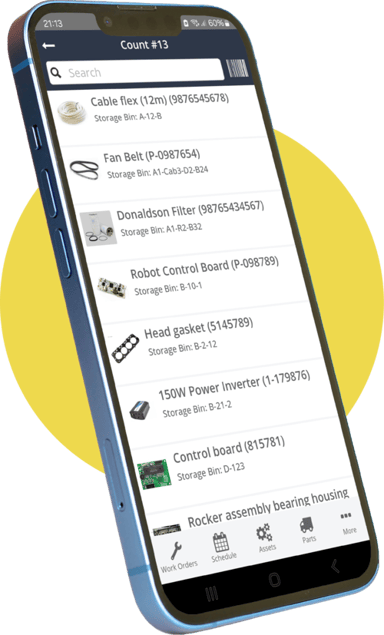
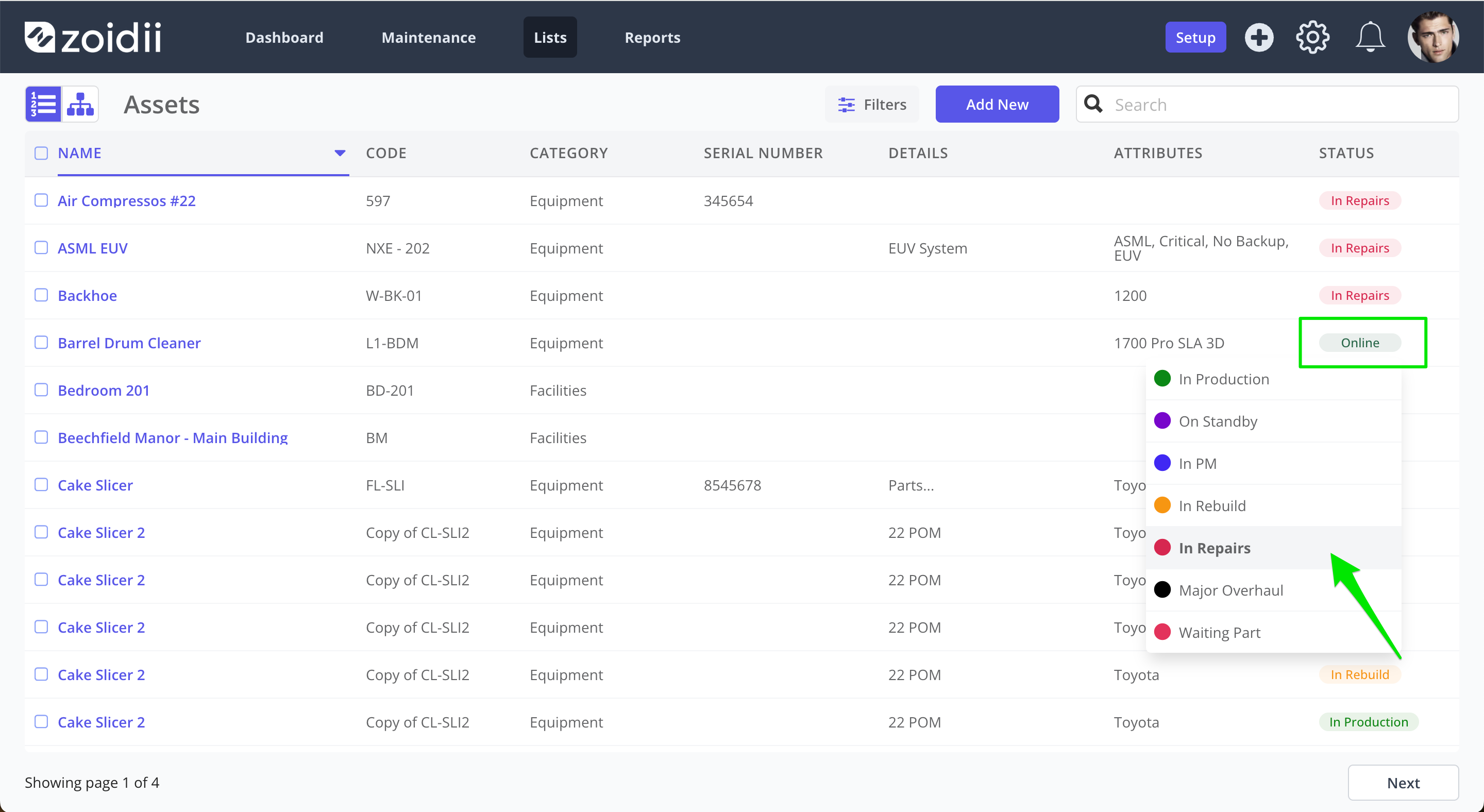
In either scenario, the key is to have all replacement parts in stock (wherever it makes sense) and to be able to locate the part quickly. CMMS software can help you maintain optimal stock levels and track the location of that stock at all times, ensuring that repair-intensive equipment is handled promptly when needed.
Determining the age and usage of the equipment
The age and usage of the equipment significantly influence the decision to repair or replace it. Equipment with a long life expectancy and low usage may benefit more from repair, extending its lifespan without the need to invest in a newer model. Equipment nearing the end of its expected lifespan or experiencing frequent breakdowns may require more substantial and costly repairs. In these cases, replacing the equipment with a newer, more efficient model might be more cost-effective. Industry data from 2026 indicates that equipment operating beyond 80% of its expected lifespan typically experiences repair costs 2.5 to 3 times higher than equipment in its optimal operating years.

How data from a CMMS can help make data-driven decisions
One of the many advantages of cloud-based CMMS software is the data collected, which helps increase visibility into maintenance activities and performance. A CMMS is invaluable for making data-driven decisions regarding equipment repair or replacement. A CMMS allows you to track and analyze the history of equipment maintenance, repair costs, downtime, and overall performance.
Utilizing this data can help you identify trends and make informed decisions. For example, if equipment consistently requires expensive repairs and experiences extended unplanned downtime, it may be time to consider a replacement. Modern CMMS platforms in 2026 increasingly incorporate AI-powered analytics that can predict optimal replacement timing with 85-90% accuracy based on historical maintenance patterns.
Consider downtime
Downtime is a significant factor when deciding whether to repair or replace equipment. Repeatedly repairing equipment can lead to more frequent periods of downtime, negatively impacting productivity and increasing costs.
Typically, you can pull reports on the MTBF (mean time between failures) and the MTTR (mean time to repair) within your CMMS software. By applying this information to the cost of downtime per minute, you can have a solid understanding of the financial losses these downtime occurrences are causing your organization. Manufacturing downtime costs have risen to an average of $260,000 per hour in 2026 for large operations, making accurate downtime tracking essential for repair-or-replace calculations. If replacing equipment will result in less overall downtime, it may be a more practical decision in the long run, especially when considering the return on investment.