In the realm of maintenance management, one of the most crucial aspects is maintenance scheduling. This process involves the systematic planning and execution of maintenance tasks to ensure the optimal performance of equipment and machinery. The advent of technology has revolutionized this process, with Computerized Maintenance Management Systems (CMMS) playing a pivotal role. This article will delve into the intricate details of maintenance scheduling and the role of CMMS in streamlining this process.
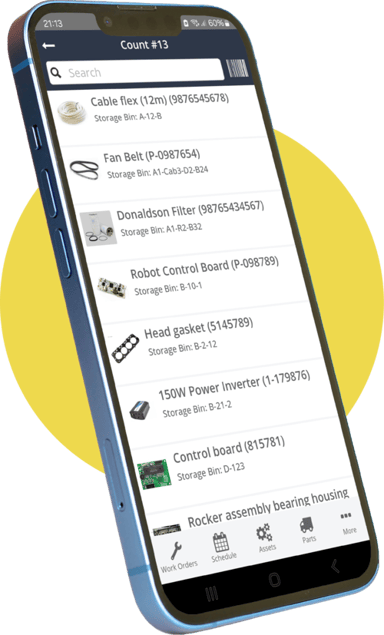
CMMS is a software package that maintains a database of information about an organization's maintenance operations. This information is intended to help maintenance workers do their jobs more effectively and to help management make informed decisions. CMMS can generate and track the status of maintenance tasks and provide detailed reports for decision-making. It can also control inventory, track the history of equipment, and manage work orders.
Understanding Maintenance Scheduling
Maintenance scheduling is a critical component of any maintenance strategy. It involves planning and coordinating maintenance tasks to ensure they are carried out at the right time and in the right way. This process is crucial to prevent equipment failure, enhance operational efficiency, and reduce maintenance costs.
Effective maintenance scheduling requires a comprehensive understanding of the equipment's operational characteristics, the nature of the tasks to be performed, and the resources available. It also requires a systematic approach to planning, executing, and monitoring maintenance tasks to ensure they are carried out as planned.
Types of Maintenance Scheduling
There are several types of maintenance scheduling, each with its own set of characteristics and applications. The most common types include preventive maintenance scheduling, predictive maintenance scheduling, and corrective maintenance scheduling.
Preventive maintenance scheduling involves scheduling maintenance tasks based on a predetermined schedule or operational hours. Predictive maintenance scheduling, on the other hand, involves scheduling maintenance tasks based on the condition of the equipment. Corrective maintenance scheduling involves scheduling maintenance tasks to correct identified faults or failures.
Benefits of Effective Maintenance Scheduling
Effective maintenance scheduling offers numerous benefits. It helps prevent equipment failure, enhance operational efficiency, reduce maintenance costs, and improve the lifespan of equipment. It also helps ensure the safety of maintenance workers and other personnel.
By preventing equipment failure, maintenance scheduling helps avoid unplanned downtime, which can be costly and disruptive. By enhancing operational efficiency, it helps ensure that equipment and machinery operate at their optimal capacity, thereby improving productivity and profitability. By reducing maintenance costs, it helps save resources that can be used for other operational needs.
Understanding CMMS
Computerized Maintenance Management Systems (CMMS) are software packages designed to help organizations manage their maintenance operations more effectively. They provide a centralized platform for planning, executing, and monitoring maintenance tasks, as well as managing maintenance resources.
CMMS can store a vast amount of data about an organization's maintenance operations, including information about equipment, maintenance tasks, work orders, inventory, and personnel. This data can be used to generate detailed reports that can aid in decision-making and strategic planning.
Features of CMMS
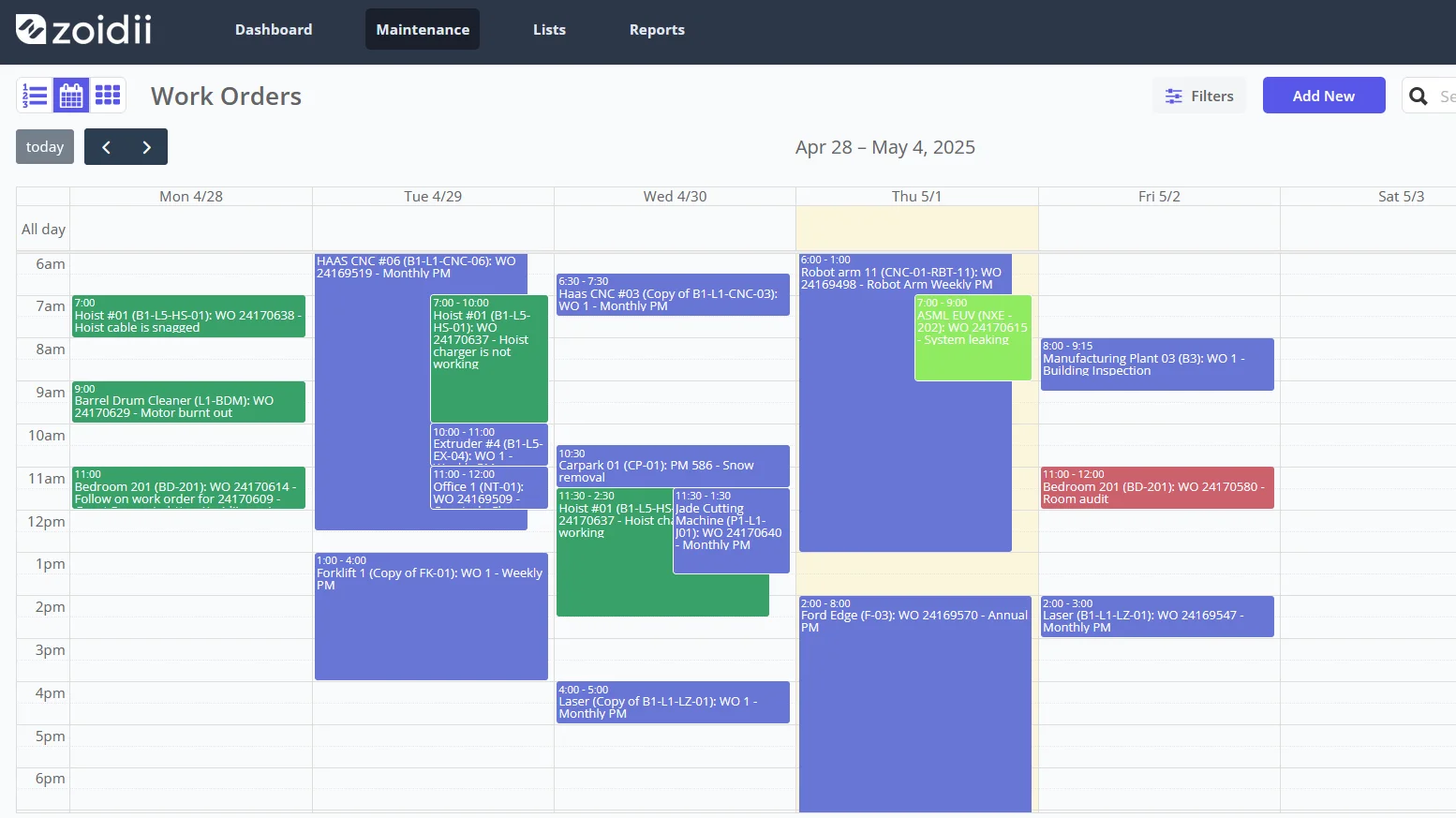
CMMS come with a wide range of features designed to streamline maintenance operations. These include work order management, preventive maintenance scheduling, predictive maintenance scheduling, inventory management, and reporting capabilities. Some CMMS systems like Zoidii come with work order scheduling functionality specifically designed to simplify maintenance scheduling.
Work order management allows maintenance managers to create, assign, and track work orders. Preventive maintenance scheduling allows for the scheduling of maintenance tasks based on a predetermined schedule or operational hours. Predictive maintenance scheduling allows for the scheduling of maintenance tasks based on the condition of the equipment. Inventory management helps control the inventory of spare parts and other resources. Reporting capabilities allow for the generation of detailed reports for decision-making and strategic planning.
Benefits of CMMS
CMMS offer numerous benefits. They help streamline maintenance operations, improve operational efficiency, reduce maintenance costs, and enhance decision-making. They also help improve the lifespan of equipment and ensure the safety of maintenance workers and other personnel.
By streamlining maintenance operations, CMMS help save time and resources that can be used for other operational needs. By improving operational efficiency, they help ensure that equipment and machinery operate at their optimal capacity, thereby improving productivity and profitability. By reducing maintenance costs, they help save resources that can be used for other operational needs. By enhancing decision-making, they help organizations make informed decisions about their maintenance operations.
Implementing CMMS in Maintenance Scheduling
Implementing CMMS in maintenance scheduling involves several steps. These include defining the scope of the implementation, selecting a suitable CMMS, configuring the CMMS, training personnel, and monitoring the implementation.
Defining the scope of the implementation involves identifying the maintenance operations to be managed by the CMMS. Selecting a suitable CMMS involves evaluating different CMMS based on their features, compatibility with existing systems, cost, and vendor support. Configuring the CMMS involves setting up the CMMS to meet the organization's specific needs. Training personnel involves teaching them how to use the CMMS effectively. Monitoring the implementation involves tracking the performance of the CMMS and making necessary adjustments.
Challenges in Implementing CMMS
Implementing CMMS can pose several challenges. These include resistance to change, lack of technical expertise, data migration issues, and cost constraints. Resistance to change can come from personnel who are used to traditional methods of maintenance management. Lack of technical expertise can make it difficult to configure and use the CMMS effectively. Data migration issues can arise when transferring data from existing systems to the CMMS. Cost constraints can make it difficult to afford a suitable CMMS or provide adequate training for personnel.
Overcoming Challenges in Implementing CMMS
Overcoming the challenges in implementing CMMS requires a systematic approach. This involves addressing resistance to change, building technical expertise, managing data migration, and managing cost constraints.
Addressing resistance to change involves educating personnel about the benefits of CMMS and providing them with adequate training. Building technical expertise involves providing technical training for personnel and seeking assistance from the CMMS vendor or a third-party consultant. Managing data migration involves planning the data migration process carefully and testing the data in the CMMS before going live. Managing cost constraints involves budgeting for the CMMS implementation and seeking cost-effective solutions.
In Summary
Maintenance scheduling is a critical component of any maintenance strategy. It helps prevent equipment failure, enhance operational efficiency, and reduce maintenance costs. CMMS play a pivotal role in streamlining this process by providing a centralized platform for planning, executing, and monitoring maintenance tasks, as well as managing maintenance resources.
Implementing CMMS in maintenance scheduling can pose several challenges, including resistance to change, lack of technical expertise, data migration issues, and cost constraints. However, these challenges can be overcome with a systematic approach that involves addressing resistance to change, building technical expertise, managing data migration, and managing cost constraints.