Managing maintenance activities across multiple sites presents unique challenges, from coordinating resources and standardizing processes to ensuring consistent data reporting and compliance.
A Multi-Site Computerized Maintenance Management System (CMMS) offers a centralized solution to these challenges, enabling organizations to efficiently manage maintenance operations across various locations.
This knowledge article provides an in-depth look at Multi-Site CMMS, its features, benefits, and best practices for implementation.
What is a Multi-Site CMMS?
A Multi-Site CMMS is a specialized maintenance management software for managing maintenance activities across multiple locations or facilities.Unlike a standard CMMS, which typically focuses on a single site, a Multi-Site CMMS allows organizations to consolidate and streamline maintenance operations across geographically dispersed sites within a single system, while maintaining strict data segregation between those locations.
Multi-site functionality allows organizations to add multiple locations to one CMMS while keeping the data at those locations separated. Users logging into their site only see the relevant asset, PM, and work order information at their site. Assets can be moved from one site to another, including all associated child assets and PMs.
Multi-site CMMS software offers a plethora of advantages that can profoundly enhance an organization's efficiency, safety, and overall productivity.
This type of CMMS provides a unified platform where all maintenance-related data, resources, and processes can be managed, monitored, and optimized, regardless of the number of locations involved. It is particularly valuable for organizations with multiple facilities, such as manufacturing plants, retail chains, healthcare networks, and educational institutions.
Key Features of Multi-Site CMMS
A Multi-Site CMMS includes several features designed to address the unique needs of multi-location management:- Centralized Dashboard: A centralized dashboard provides an overview of maintenance activities across all sites, allowing managers to monitor performance, track key metrics, and identify issues in real time.
- Site-Specific Configuration: Each site can be configured with dedicated PM maintenance schedules, asset registers, checklists, and workflows while integrating into the broader system. System administrators at each site can customize the system to meet their specific needs.
- Cross-Site Work Order Management: The system enables creating, assigning, and tracking work orders across multiple sites. When users search the work orders screen, they only see the assets for their site. Work orders, associated parts, and labor costs remain at the site as completed.
- Standardization of Processes: Multi-Site CMMS allows organizations to standardize maintenance procedures, checklists, and compliance requirements across all locations, ensuring consistency and quality.
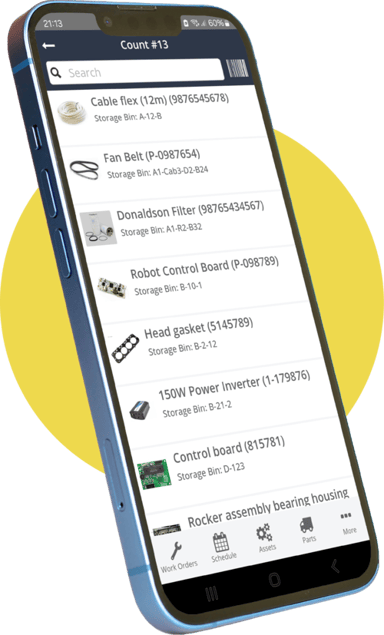
- Global Inventory Management: Manage spare parts and materials inventory across multiple sites from a central location. Users can check to see if the same part is available at another location rather than paying last-minute emergency order prices charged by vendors. This feature helps optimize stock levels, reduce costs, and ensure critical parts are available where and when needed.
- Data Integration and Reporting: The system integrates data from all sites into a single database, enabling comprehensive reporting and analysis. The single CMMS database allows for site-to-site comparisons, better decision-making, and strategic planning at the corporate level.
- User Access Control: Multi-Site CMMS provides role-based access controls, ensuring users can only access the CMMS data and functions relevant to their site and role. This enhances security and ensures compliance with data governance policies.
- Mobile Access: Technicians and managers can access the CMMS from mobile devices, enabling real-time updates and communication, regardless of location.
- Compliance Management: The system helps ensure all sites adhere to regulatory and safety standards by automating compliance tasks and tracking documentation.
- Multi-Language and Multi-Currency Support: Some Multi-Site CMMS applications can support multiple languages and currencies for international organizations, facilitating operations across different regions.
Benefits of Multi-Site CMMS
Implementing a Multi-Site CMMS offers several key benefits:- Improved Coordination and Efficiency: Centralized management of maintenance activities across multiple sites leads to better coordination, reduced duplication of efforts, and more efficient resource use.
- Enhanced Visibility and Control: A Multi-Site CMMS provides a comprehensive view of maintenance operations, allowing managers to monitor performance, identify trends, and address issues proactively. Quickly drill down into the data and maintenance metrics at each site, quickly seeing which sites perform the best, and which site needs some help
- Standardization and Compliance: The system helps standardize maintenance processes and ensure compliance with safety standards, industry regulations, and company policies across all locations.
- Cost Savings: By optimizing inventory levels, reducing downtime, and improving resource allocation, a Multi-Site CMMS can lead to significant cost savings.
- Scalability: The scalable system allows organizations to add new sites as they grow without disrupting existing operations. It also offers one central system for IT to manage as the company grows.
- Data-Driven Decision Making: Consolidated data and advanced reporting capabilities enable data-driven decision-making, helping organizations plan and execute maintenance strategies more effectively.
- Improved Communication: With all sites connected through a single system, communication between teams and locations is streamlined, leading to faster issue resolution and better collaboration.
Challenges of Implementing Multi-Site CMMS
While a Multi-Site CMMS offers numerous advantages, there are challenges that organizations may encounter during implementation:- Complexity of Integration: Integrating existing systems, data, and processes across multiple sites into a new CMMS can be complex and time-consuming. Proper planning and a phased approach are essential.
- User Adoption: Ensuring all users, from technicians to managers, are trained and comfortable with the new system is critical for successful implementation. An organizational culture that resists change can be a significant barrier.
- Data Management: Managing large volumes of data from multiple sites requires robust data governance practices to ensure accuracy, consistency, and security.
- Customization Needs: While standardization is a goal, each site may have unique requirements that necessitate customization. Balancing standardization with flexibility is key.
- Cost and Resource Allocation: Implementing a Multi-Site CMMS can require a significant investment of time, money, and human resources. It is important to justify the cost and ensure adequate resources are available.
Best Practices for Implementing Multi-Site CMMS
To successfully implement a Multi-Site CMMS, consider the following best practices:- Assess Organizational Needs: Conduct a thorough assessment of your organization's maintenance needs, including each site's specific requirements, to ensure that the chosen CMMS aligns with your goals.
- Engage Stakeholders: Involve key stakeholders from all sites in the planning, selection, and implementation process to ensure buy-in and address concerns early on.
- Develop a Clear Implementation Plan: Create a detailed CMMS implementation plan that outlines project timelines, responsibilities, and milestones. A phased rollout may be beneficial to manage complexity.
- Focus on Standardization: Where possible, standardize processes and procedures across all sites to ensure consistency and ease of management. However, remain flexible enough to accommodate site-specific needs.
- Invest in Training: Provide comprehensive CMMS training for all end-users to ensure their comfort with the new system. Consider ongoing training and support to address any issues that arise. Implement any changes as needed to increase CMMS user adoption.
- Monitor and Evaluate: After implementation, continuously monitor the system's performance and gather user feedback. Use this information to improve and ensure the CMMS delivers the expected benefits.
- Leverage Data for Continuous Improvement: Use the data generated by the CMMS to identify trends, refine maintenance schedules, optimize processes, and drive continuous improvement across all sites.
It provides a centralized platform to manage maintenance activities, optimize resources, and ensure consistency and compliance. While implementing such a system can be challenging, improved efficiency, cost savings, and enhanced control make it a worthwhile investment.
By following CMMS implementation best practices and addressing potential challenges proactively, organizations can successfully deploy a Multi-Site CMMS and achieve greater operational excellence across their entire network of facilities.
For Further Reading:
Ten key advantages of multi-site CMMS software by Jeff O'Brien "The Complete Guide to Computerized Maintenance Management Systems" by Terry Wireman "Multi-Site Maintenance Management: Strategies for Success" by Ramesh Gulati The Maintenance Excellence Institute (www.plant-maintenance.com)