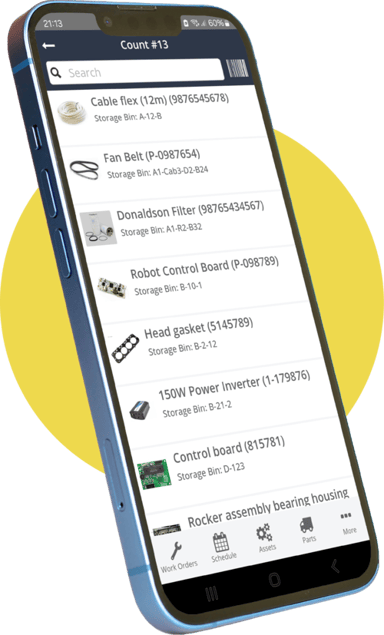
Operator-based Maintenance (OBM) is an approach in which equipment operators take a proactive role in basic maintenance tasks rather than relying solely on the maintenance team.
By involving operators in caring for the equipment they use daily, OBM facilitates a hands-on asset management strategy and empowers them, fostering a sense of ownership and responsibility. This approach supports reliability, efficiency, and longer asset lifespans, making operators feel more engaged and integral to the maintenance process.
This approach fosters accountability among operators and reduces the maintenance team's workload in routine tasks, allowing them to focus on more complex technical repairs and preventive maintenance. The maintenance team still plays a crucial role in OBM, overseeing the process, providing training, and handling more advanced maintenance tasks.
Principal Components of Operator-Based Maintenance
OBM leverages the unique position of operators who interact with equipment daily, making them ideally suited to detect minor issues before they escalate. The following components are essential for effective OBM:
- Routine Inspections: Operators regularly inspect their equipment, following checklists to identify signs of wear, leaks, abnormal noises, or irregular performance. Early detection and prevention of these issues can stem costly repairs down the line.
- Basic Maintenance Tasks: Operators are trained to perform simple maintenance activities such as cleaning, lubrication, and tightening bolts. These tasks maintain optimal operating conditions and help prevent the accumulation of dust, grease, dirt, and other contaminants that could impair equipment performance.
- Monitoring and Reporting: Operators are equipped with the skills to identify potential issues early and report them promptly to the maintenance team. Accurate reporting ensures that emerging problems are resolved before they become critical.
- Collaborative Communication: OBM requires a communication system between operators and maintenance teams to streamline the maintenance process. A CMMS can facilitate this communication, allowing operators to log issues and track maintenance activities in real time.
Benefits of Operator-Based Maintenance
OBM offers many benefits that positively impact assets. Here are some of the primary advantages:
1. Enhanced Asset Longevity
Regular and consistent care through OBM helps prolong the life of assets. Operators ensure that equipment operates under optimal conditions by performing routine inspections and basic maintenance tasks, reducing the likelihood of equipment failure.2. Reduced Downtime and Maintenance Costs
Early detection and resolution of issues allow organizations to reduce the frequency and duration of equipment breakdowns. OBM minimizes the costs associated with emergency repairs and lost productivity by mitigating unplanned downtime.3. Increased Equipment Reliability
Equipment that receives regular operator attention is less prone to breakdowns. OBM provides the first line of defense against equipment failures, supporting overall reliability and productivity.4. Empowered and Engaged Workforce
OBM fosters a sense of ownership among operators, who feel more connected to their roles and responsibilities. Empowering operators to handle basic maintenance tasks can lead to higher morale and better adherence to maintenance practices, creating a culture of accountability.5. Improved Maintenance Team Efficiency
Maintenance teams can focus on more technical and complex tasks by assigning operators ownership of basic maintenance activities. This outsourcing of basic maintenance tasks increases the overall efficiency of the maintenance team and maximizes the use of their specialized skills.Implementing Operator-Based Maintenance: A Step-by-Step Approach
Successfully implementing Operator-Based Maintenance requires a structured approach involving training, communication, and continuous improvement. Here are some best practices to guide the implementation process:
1. Provide Comprehensive Training
Operators need proper training to perform OBM tasks effectively. Training should include equipment-specific knowledge, instruction on inspection checklists, basic maintenance techniques, and safety procedures. Trainers can deliver training programs through hands-on sessions, tutorials, or instructional videos.2. Develop Clear Maintenance Checklists
Checklists are essential for consistency and completeness in OBM. Maintenance checklists should outline specific inspection points, maintenance tasks, and indicators of potential issues. Use visual aids and concise language to make checklists easy for operators to follow, even in high-pressure environments. If you need help developing checklists, read our guide to preventative maintenance checklists.3. Foster a Culture of Ownership, Accountability, and Responsibility
Encourage operators to take ownership of their equipment. When operators feel responsible for the condition and performance of their assets, they are more likely to prioritize regular maintenance activities and report issues promptly. Recognize and reward operators who demonstrate commitment to OBM practices.4. Establish Communication Channels
Effective communication between operators and maintenance teams is critical to OBM. Use a CMMS or work order system that allows operators to log maintenance activities, report issues, and track maintenance history. This transparency ensures that problems are not overlooked and enables timely interventions.5. Set Performance Metrics and Monitor Progress
Use metrics to evaluate the success of OBM implementation. Track performance indicators such as equipment downtime, frequency of maintenance tasks, cost savings, and operator participation rates. Analyze key maintenance metrics such as Overall Equipment Effectiveness to identify areas for improvement and make adjustments as needed.6. Schedule Regular Audits and Reviews
OBM is a dynamic process that benefits from continuous improvement. Schedule periodic audits to assess the quality of maintenance activities and review operator feedback to identify potential areas for additional training or process adjustments. These reviews ensure that OBM practices remain effective and aligned with organizational goals.Best Practices for Operator-Based Maintenance
Implementing OBM requires attention to detail and a commitment to fostering a proactive maintenance culture. Here are some best practices to consider:
1. Simplify Maintenance Documentation
Maintenance documentation should be straightforward to complete. Complex forms or reporting systems can discourage compliance, so keep it concise and relevant to the operator's role.2. Emphasize Safety in All Maintenance Activities
Safety should always be a priority in OBM. Ensure operators are trained in safe maintenance procedures and provided with appropriate tools and personal protective equipment (PPE). Include safety checks in maintenance checklists and encourage operators to report any safety concerns immediately.3. Rotate Maintenance Tasks to Avoid Fatigue
Repetitive tasks can lead to complacency and oversight. Consider rotating maintenance tasks among operators to keep them alert and engaged. Task rotation can also help operators better understand the equipment, enhancing their skills and adaptability.4. Encourage Continuous Learning and Development
OBM should be considered an evolving process. Encourage operators to seek further learning opportunities and stay updated on best practices in maintenance. Offering refresher courses or advanced training sessions can reinforce critical skills and motivate operators to maintain high standards.Improve Efficiency Through Operator-Based Maintenance (OBM)
Operator-based maintenance (OBM) is a powerful approach to asset management that leverages the firsthand insights of equipment operators. As it becomes harder to fill maintenance technician roles, operators can step up and complete some of the maintenance work.
By involving operators in routine inspections and maintenance, organizations can enhance asset reliability, reduce downtime, and optimize maintenance costs.
A successful OBM program depends on proper training, clear communication, and an organizational culture that values proactive maintenance. When executed effectively, OBM improves the performance of individual assets and supports the overarching goals of asset management, creating a resilient and efficient maintenance strategy.