
Preventive maintenance checklists are critical for ensuring smooth operations in any business or organization.
Regularly checking and maintaining equipment, systems, and facilities can prevent unexpected downtime, reduce repair and replacement costs, and extend the lifespan of their assets.
Creating a practical preventive maintenance checklist (otherwise known as standard operating procedures) can be challenging.
This article will provide expert tips and guidance to help you develop the ultimate preventive maintenance checklist that works for your business.
Establish the Necessary Maintenance Tasks
Establishing and completing the necessary maintenance tasks is vital to keeping your equipment operating safely and efficiently.
1. Identify equipment-specific tasks
The first step in creating your preventive maintenance checklist is to identify all the necessary maintenance tasks you must carry out regularly.Identifying tasks will typically involve assessing the type of equipment you use and understanding their unique maintenance requirements. For a comprehensive understanding, refer to our preventive maintenance guide.
2. Assess equipment types
If you run a manufacturing plant, you may have a wide range of equipment that requires maintenance. This equipment can include everything from conveyor belts and packaging machines to assembly lines and robotic arms.Each machine type has specific maintenance requirements that need to be met regularly to ensure efficient and safe operation. Identifying the types of preventive maintenance relevant to your equipment can help streamline this process.
3. Inspect for wear and tear
A critical area for manufacturing equipment is inspecting it for wear and tear.Over time, machines can become damaged or worn out, leading to breakdowns and production delays.
Regularly inspecting your equipment helps you identify any potential issues before they become more serious problems.
4. Replace filters regularly
An important maintenance task is replacing filters. Filters are used in many different types of equipment to remove contaminants from the air or liquids running through the machines.Over time, these filters can become clogged or dirty, reducing their effectiveness. Replacing them regularly ensures that your equipment is running at peak operational efficiency.
5. Lubricate moving parts
Lubricating moving parts is also an essential maintenance task. Many machines have moving parts that require lubrication to function correctly.Without proper lubrication, these parts can become damaged or worn out, leading to breakdowns and costly repairs.
Regularly lubricating your equipment can extend its lifespan and reduce the risk of breakdowns.
6. Involve key team members
It is vital to involve relevant maintenance team members in identifying the maintenance tasks and their frequency.Maintenance technicians, operators, or quality control leads can offer valuable insights into what needs to be checked, serviced, or replaced.
Working together, you can create a comprehensive preventive maintenance checklist covering all the necessary tasks for your equipment, systems, or facilities.
Prioritize Essential Maintenance Activities
As a responsible operations leader, you understand the importance of maintaining your machines, systems, and facilities. Regular maintenance tasks are critical to ensuring smooth business operations and minimizing downtime.
However, with so many maintenance tasks, it can take time to decide where to start. That's where prioritization comes in.
Prioritizing your maintenance tasks ensures that you focus your efforts by allocating your resources appropriately, ensuring business continuity.
1. Determine critical maintenance tasks
Once you have all the necessary maintenance tasks listed, it's time to prioritize them in order of importance. Start by categorizing items by their level of criticality.Critical assets should be prioritized, while those with lesser impact can be assigned lower priorities. This way, you can ensure that your most essential assets are always in top condition and ready to use.
But how do you determine which assets are critical? One way to do this is to consider the impact of each asset on your business operations. For example, if your business relies heavily on a particular machine or production line, those assets should be prioritized over those used less frequently.
Prioritizing your maintenance tasks ensures that you focus your efforts and allocate your resources effectively, ensuring business continuity. By taking the time to prioritize your checklist items, you can be confident that you are addressing the most critical tasks first and minimizing the risk of downtime or equipment failure.
2. Use SOP templates
Preventive maintenance is crucial for any business that relies on machinery and equipment to operate effectively. Implementing a preventative maintenance program can reduce the risk of unexpected breakdowns and extend the lifespan of your equipment.However, creating a step-by-step checklist from scratch can be daunting, especially if you need to become more familiar with the equipment you maintain.
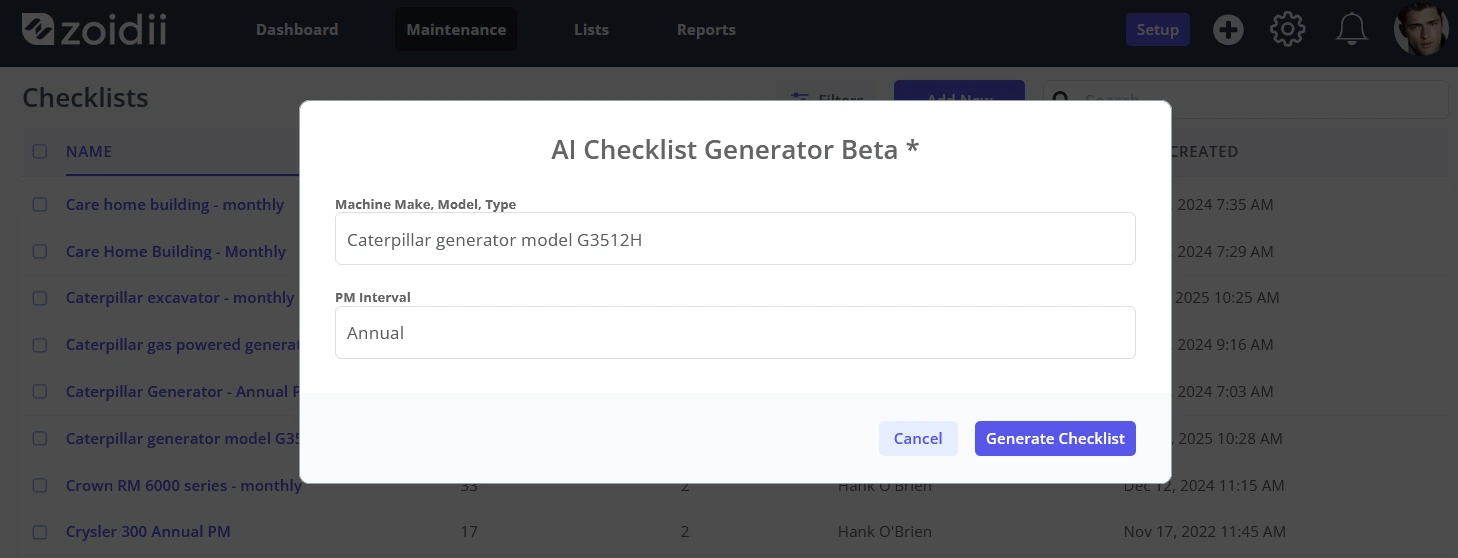
Fortunately, many preventive maintenance standard operating procedures are available online from the manufacturer, which you can use as a starting point. Alternatively, you can use an AI checklist generator to build the preventive checklist for you.
3. Customize checklists for efficiency
These maintenance procedures are designed to help you identify the critical components of your equipment that require routine maintenance and regular inspections. Standard operating procedures save time and ensure you perform all preventive maintenance tasks.Once you've selected an SOP, it's important to review and customize it to meet your specific needs. Changes may involve removing items that are not relevant to your equipment or adding items that are unique to your business.
4. Streamlining maintenance practices
Using these maintenance checklists to standardize best maintenance practices across all similar assets is essential. Ensuring the checklist is manageable for your team is also vital.A checklist with too many items can be counterproductive and may lead to unnecessary tasks being overlooked.
Starting with a template can save you time and ensure you don't overlook any critical maintenance tasks. However, it's key to customize the SOPs to meet your needs and ensure they are manageable for your team.
How Technology Solutions Improve Maintenance Operations
The use of technology in maintenance management has revolutionized the preventive maintenance process.
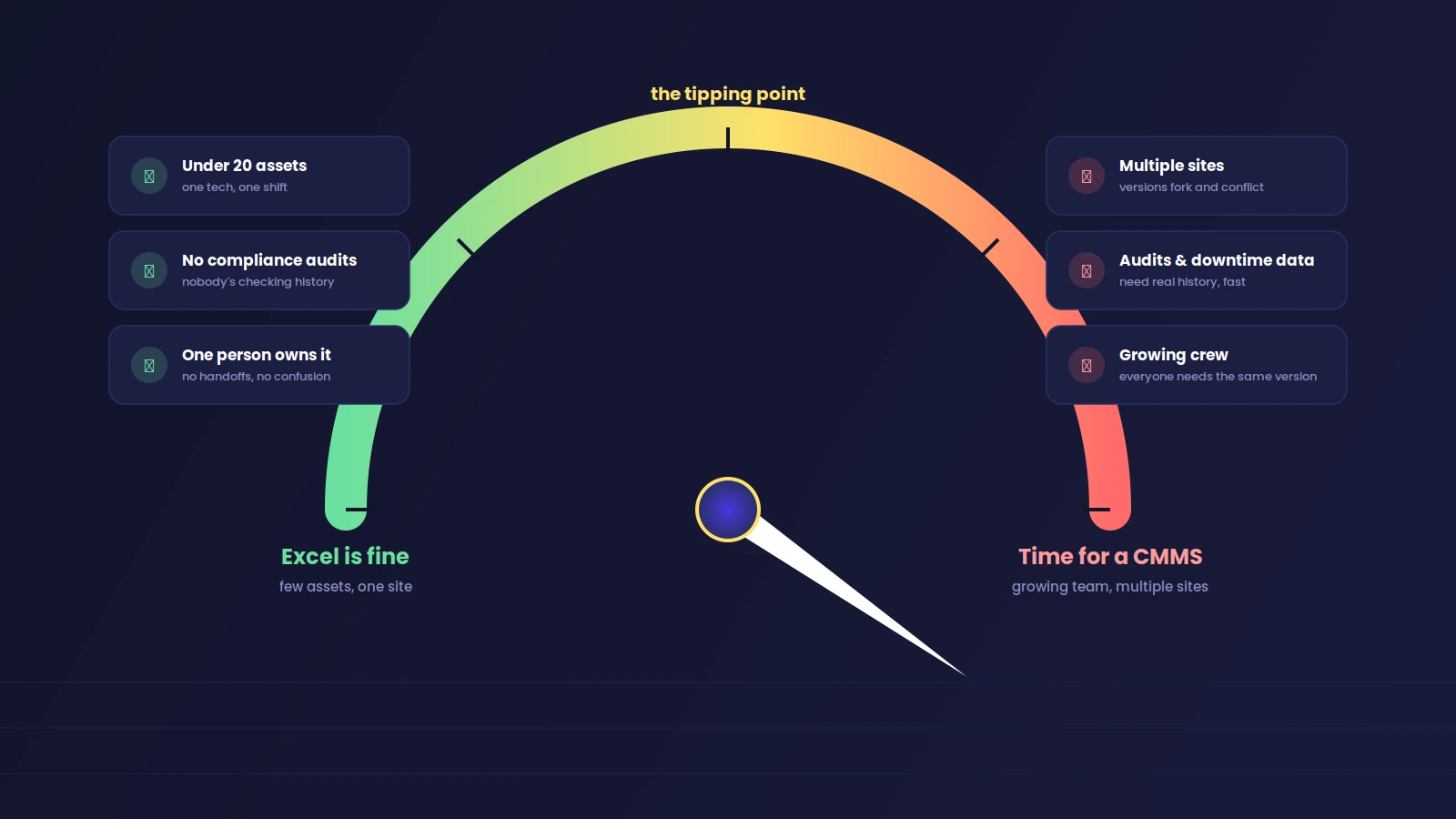
Computerized Maintenance Management Systems (CMMS)
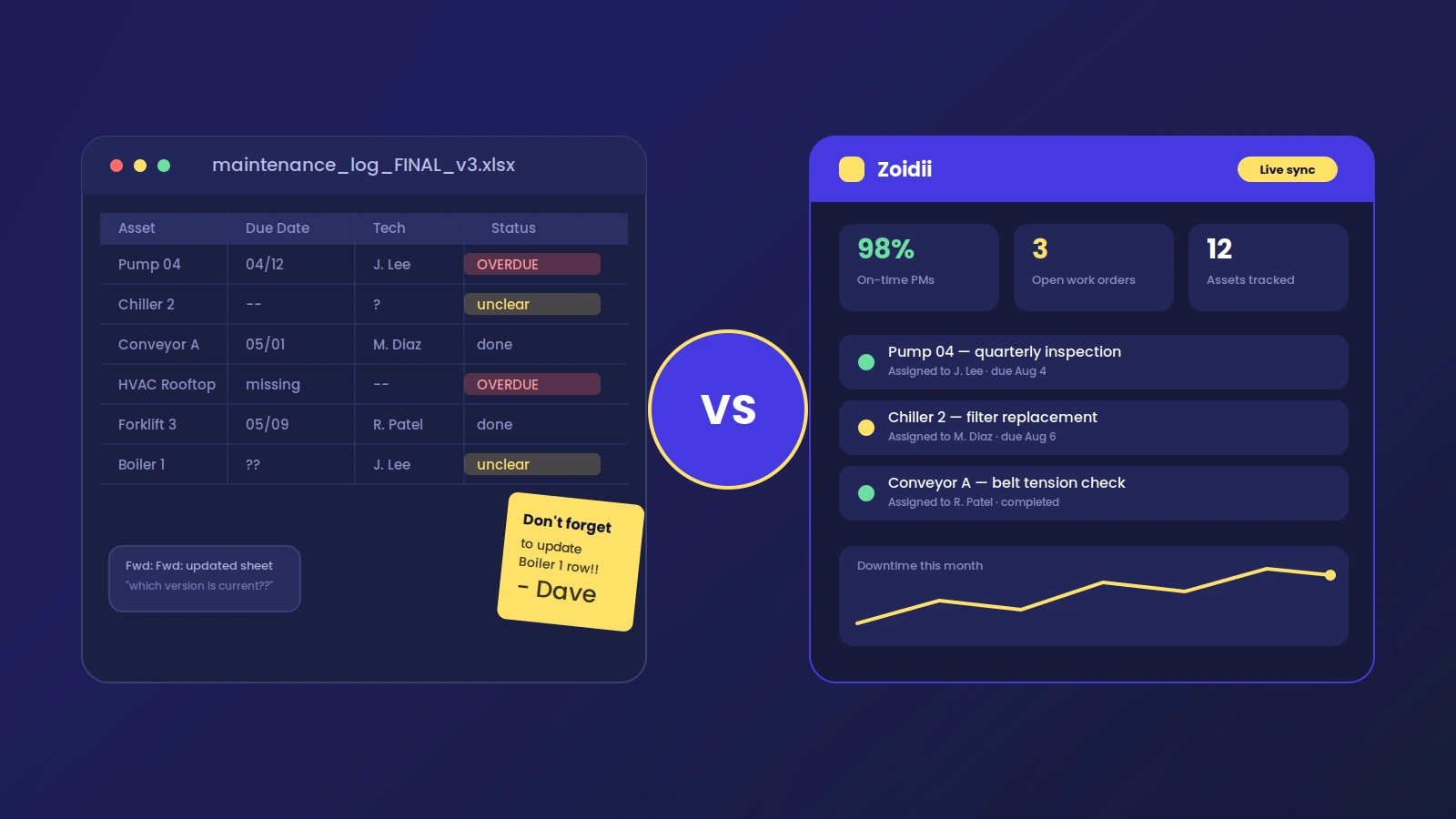
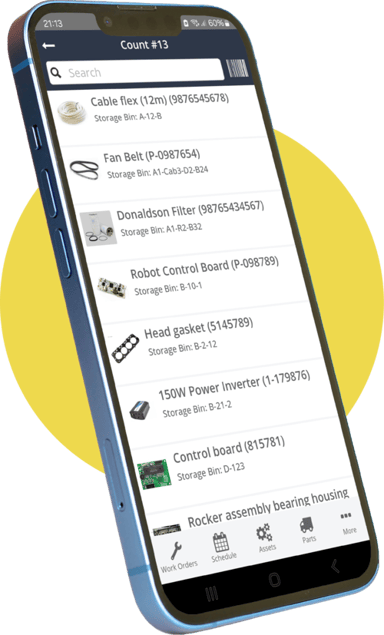
Today, businesses can use computerized maintenance management systems (CMMS) to automate their maintenance processes and keep track of their asset's performance.Not only does a CMMS automate maintenance processes, but it also provides a comprehensive view of your maintenance activities. Here are some of the benefits of CMMS software:
- Develop automated checklist that reminds your team when maintenance tasks are due
- Tracks work order history
- Tracks asset performance
- Track real-time data to make informed decisions about your maintenance operations
- Streamlines process for increased productivity
- Minimizes downtime and lowers costs
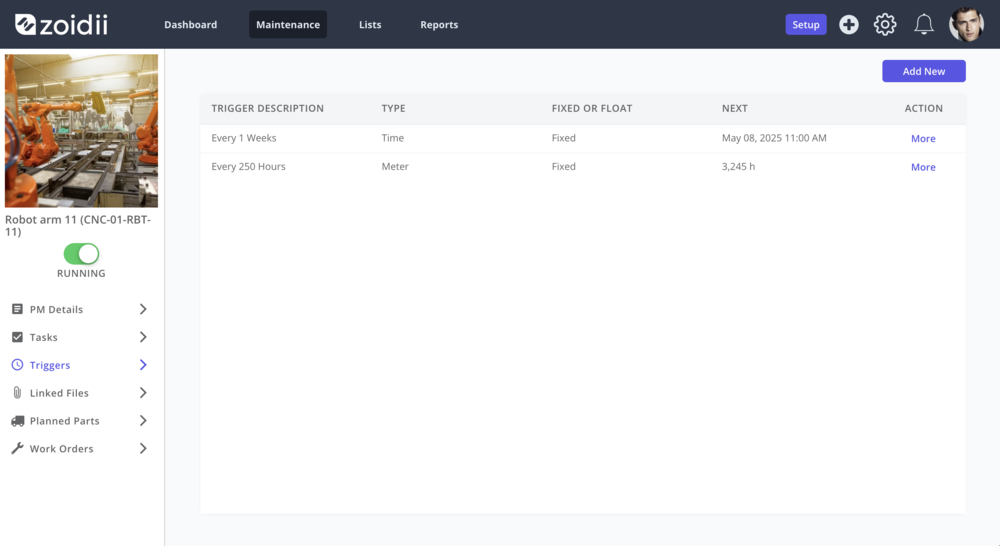
Schedule maintenance based on asset usage
CMMS can schedule maintenance tasks based on the actual usage of your assets. This approach, known as condition-based maintenance, allows you to optimize maintenance efforts and reduce the risk of unplanned downtime.Asset performance monitoring
Tracking asset performance and identifying potential issues before they become critical can extend the life of your assets and reduce the need for costly repairs.Ensures regulatory compliance
A CMMS can help you comply with regulatory requirements by providing complete maintenance records.In fact, CMMS software will help you breeze through audits as all the information is available in one digital system.
Asset logs can demonstrate compliance with industry standards and regulations, reducing the risk of fines and legal action.
Incorporates additional technologies
Other technologies can streamline maintenance efforts in addition to maintenance software. For example, sensors and IoT devices can provide real-time data on asset performance, allowing you to identify issues before they become critical.This approach, known as predictive maintenance, can further optimize your maintenance operations and minimize maintenance costs.
Conduct Root Cause Analysis to Revise PM Checklists
It is essential to conduct a systematic analysis of your preventive maintenance standard operating procedures and implement any necessary updates or changes.
Executing a root cause analysis
Root cause analysis (RCA) is a problem-solving technique for finding the underlying cause of a problem or failure. It can identify gaps or deficiencies in preventative maintenance processes, update SOPs, and improve maintenance efficiency.New tools and technologies may arise, and documenting what adjustments to make is critical.
It would help if you also considered feedback from your team of technicians and operators, which may offer insights to improve your preventive maintenance checklist further.
Building an Effective Preventive Maintenance Checklist
Developing a practical preventive maintenance checklist takes time and effort.
However, with these expert tips and strategies, you can streamline your maintenance processes, prevent unexpected equipment downtime, reduce repair and replacement costs, and extend equipment lifespan.
Remember to involve all relevant parties, prioritize your checklist items, utilize templates, leverage technology, and, most importantly, conduct systematic root cause analysis.
Your Path to Efficiency Starts Here
Zoidii’s CMMS solutions make creating and managing preventive maintenance checklists easier than ever. Streamline operations, reduce downtime, and extend asset lifespan with our powerful tools. Get in touch today to see how we can help!