For maintenance managers and planners, efficiency is the key to running maintenance operations smoothly. Preventive maintenance is a core aspect of asset reliability, ensuring equipment is serviced before failures occur.
However, a successful preventive maintenance program is not just about scheduling and tracking tasks; it’s also about having the right parts and materials available at the right time.
Having the right parts and materials available is where the concept of a “pick list” becomes crucial.
In this article, we will discuss a pick list, why it’s essential for preventive maintenance work orders, and how a computerized maintenance management system (CMMS) can help streamline the entire process.
What is a Pick List?
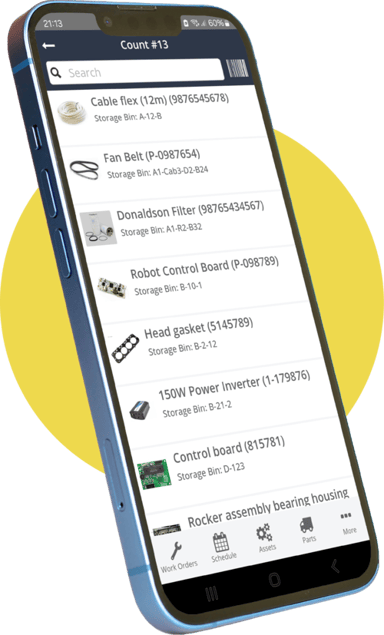
In the context of preventive maintenance, a pick list is a compiled list of parts, materials, and tools required to carry out a specific work order. Think of it as a shopping list tailored for each maintenance task—ensuring that technicians have everything they need before they even step onto the job site.
A well-prepared pick list helps avoid unnecessary delays, reduces downtime, and minimizes the risk of incomplete maintenance due to missing parts.
For example, a pick list for a preventive maintenance task on an HVAC system might include filters, cleaning agents, belts, screws, and any specialized tools that technicians might need for the job. When the work order is issued, the pick list makes it easy for maintenance planners or technicians to locate, reserve, and prepare those items for the job.
The Role of Pick Lists in Preventive Maintenance
Preventive maintenance (PM) work orders are issued regularly to ensure that assets and equipment operate efficiently. These PM activities range from simple tasks like lubrication and filter changes to more complex adjustments and overhauls. Regardless of the task, the right parts and tools must be available to complete the work effectively.
Without a well-prepared pick list, technicians might arrive at a job site only to discover they are missing critical parts. Missing critical parts could lead to wasted time returning to parts rooms, searching for items, or delaying maintenance while waiting for parts to be ordered. Such disruptions undermine the preventive maintenance schedule and increase the risk of equipment failure due to missed or delayed PMs.
By including a detailed pick list in every preventive maintenance work order, maintenance planners can improve the likelihood that all required materials are ready and available before the work begins. Preparing all the necessary materials improves technician productivity and helps ensure that PM tasks are completed on time, reducing unexpected breakdowns and downtime.
How a CMMS Can Help with Pick Lists
A Computerized Maintenance Management System (CMMS) is a powerful tool that can help manage preventive maintenance more efficiently, and pick lists are a vital part that maintenance teams can include in the PM. Here’s how a CMMS can assist maintenance managers and planners in managing pick lists and streamlining PM processes:
1. Automated Pick List Generation
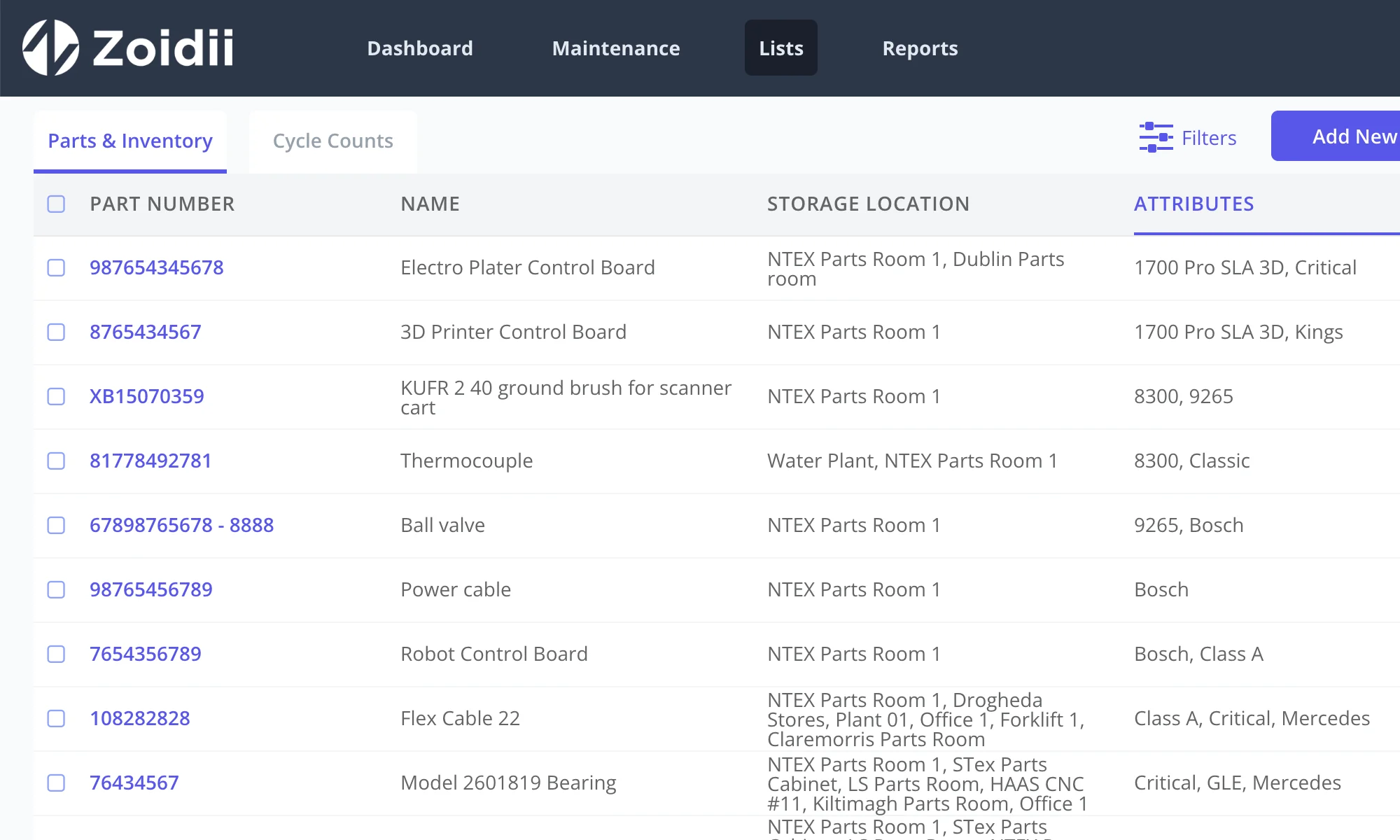
A CMMS allows maintenance planners to associate specific parts, materials, and tools with particular PMs. When a work order is generated, the CMMS automatically compiles a pick list based on the work order requirements, eliminating the need for manual compilation, and reducing the chances of errors or omissions.The CMMS can pull information from a centralized parts database, ensuring the pick list is accurate and current.
2. Inventory Management
A CMMS typically has inventory management functionality, allowing the system to check the availability of items on the pick list. If a part is out of stock, the CMMS can trigger an alert to reorder it, ensuring it arrives before the scheduled maintenance date. This proactive approach prevents unexpected shortages and keeps the preventive maintenance schedule on track.3. Streamlining the Picking Process
Once the work order is planned, storeroom personnel or technicians can access the pick list through the CMMS. The system can even organize the pick list based on the layout of the storage area, making it easier and faster for personnel to locate each item. By guiding staff through an efficient picking sequence, the CMMS helps reduce time wasted finding parts and materials.4. Reservation of Parts
There may be competition for the same parts in situations where multiple work orders are in progress. Once a preventive maintenance work order is generated, a CMMS can reserve parts expressly for it. This ensures that the materials are set aside and ready, preventing the frustration of discovering that critical parts were used for another job.5. Visibility and Accountability
A CMMS provides visibility into who has picked the parts and when they were picked. This accountability helps ensure that nothing is missed during the preparation phase. Suppose a technician reports missing items at the job site. In that case, maintenance managers can easily trace the issue back to the picking process, allowing for corrective measures to be taken to improve future performance.6. Historical Data and Continuous Improvement
Another benefit of using a CMMS is that it provides historical data on previous maintenance work orders, including the parts used. Maintenance planners can analyze this data to identify patterns, such as frequently needed parts and parts forecasting. Maintenance teams can consumption data to refine and improve pick lists over time, making future maintenance even more efficient.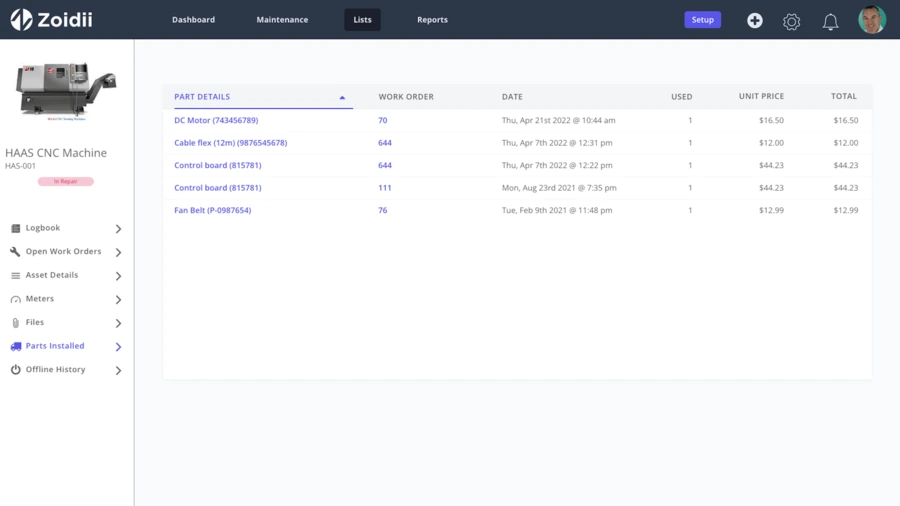
Benefits of Using Pick Lists in Preventive Maintenance
The integration of pick lists into preventive maintenance work orders has several benefits for maintenance teams:
- Reduced Downtime: Ensuring all necessary parts are available before a maintenance work order begins minimizes downtime and ensures PM tasks are completed on schedule.
- Increased Productivity: Storeroom personnel or technicians spend less time searching for parts or returning to the parts room, allowing them to focus on the maintenance work.
- Improved Inventory Control: A CMMS helps manage inventory levels by tracking parts usage and generating reorder alerts, ensuring critical parts are always in stock.
- Enhanced Planning Accuracy: Maintenance planners can confidently schedule PM activities, knowing that all required materials will be ready when needed.
Improve Efficiency with Pick Lists
For maintenance managers and planners, the value of a well-executed preventive maintenance program cannot be overstated. However, even the best plans can be derailed by something as simple as a missing part.
Pick lists are a crucial element of preventive maintenance work orders, helping to ensure that technicians have everything they need to complete their tasks efficiently and effectively.
A CMMS takes the hassle out of managing pick lists by automating their creation, integrating with inventory management, and providing clear visibility into the parts-picking process. By leveraging the capabilities of a CMMS, maintenance teams can enhance productivity, reduce downtime, and maintain a smooth, proactive maintenance schedule.
If you haven’t yet integrated pick lists into your preventive maintenance work orders, now is the time to consider how a CMMS can simplify this process and improve your maintenance outcomes.
With the right tools and strategies, you can ensure that preventive maintenance becomes a well-oiled machine—just like the assets you care for.