Preventive maintenance (PM) compliance is critical to asset management and operational efficiency. It refers to the adherence to scheduled maintenance tasks designed to prevent equipment failures, minimize downtime, and ensure workplace safety.
Organizations that maintain high PM compliance reap significant benefits, including prolonged asset life, reduced repair costs, and improved operational reliability. These outcomes underscore the value of PM compliance in ensuring the efficiency and reliability of your operations.
This article explores preventive maintenance compliance, the formula for calculating it, the challenges organizations face in improving the metric, and best practices for achieving optimal PM compliance.
Understanding Preventive Maintenance Compliance
Preventive maintenance compliance is the ratio of completed preventive maintenance tasks to the total scheduled tasks over a specific period. It is typically expressed as a percentage and is a key performance indicator (KPI) in maintenance management.
High PM compliance indicates that an organization effectively follows its maintenance schedule, reducing the likelihood of unexpected equipment failures.
A standard benchmark for PM compliance is 90% or higher, meaning technicians complete at least 90% of scheduled PM tasks on time. Falling below this benchmark may indicate inefficiencies in the maintenance program, resource constraints, or operational bottlenecks.
How is PM Compliance Calculated?
PM compliance is calculated using the following formula:

For example, if an organization schedules 200 preventive maintenance tasks in a month and successfully completes 180 of them, the PM compliance would be:
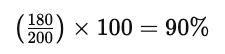
This percentage measures how effectively an organization adheres to its PM schedule and can help identify areas for improvement.
Importance of Monitoring Preventive Maintenance Compliance
1. Reduces Unplanned Downtime
One primary benefit of monitoring PM compliance is reducing unplanned downtime. Regular preventive maintenance ensures equipment remains operational when needed.2. Extends Asset Life
Consistent maintenance extends the lifespan of equipment by preventing excessive wear and tear. Organizations that prioritize PM compliance reduce the frequency of costly repairs and replacements.3. Enhances Workplace Safety
Properly maintained equipment reduces safety hazards such as machine malfunctions, leaks, and electrical failures. High PM compliance ensures maintenance technicians perform safety checks regularly, minimizing risks to employees.4. Improves Operational Efficiency
Efficient maintenance scheduling and compliance allow production and operations to run smoothly. This leads to improved output, reduced delays, and higher customer satisfaction.5. Reduces Maintenance Costs
A proactive maintenance approach helps organizations avoid costly emergency repairs. Addressing minor issues before they become significant problems helps businesses optimize maintenance budgets and allocate resources effectively.Challenges in Achieving High PM Compliance
Despite its benefits, many organizations struggle to maintain high PM compliance due to various challenges. These include:
1. Lack of Proper Scheduling and Planning
Inadequate planning often leads to missed PM tasks. Organizations without a robust scheduling system may struggle to track maintenance activities and ensure timely completion.2. Resource Constraints
Limited availability of skilled maintenance personnel and spare parts can result in delays. Organizations must have the workforce and inventory to meet their PM schedules.3. Poor Data Management
Many organizations still rely on manual record-keeping, making tracking preventive maintenance compliance difficult. Maintenance teams may overlook critical tasks without a computerized maintenance management system (CMMS).4. Lack of Management Support
Maintenance compliance requires leadership commitment. If management does not prioritize PM programs, employees may not see the value in adhering to scheduled maintenance tasks.5. Equipment Accessibility and Operational Constraints
Production quotas and misaligned objectives make preventive maintenance challenging without disrupting operations. Organizations must balance maintenance needs with production demands.Best Practices for Achieving High PM Compliance
To overcome these challenges and improve preventive maintenance compliance, organizations must implement the following best practices:
1. Implement a Computerized Maintenance Management System (CMMS)
CMMS software helps organizations streamline maintenance planning, scheduling, and tracking. It provides automated reminders, generates reports, and allows real-time monitoring of compliance metrics.2. Define Clear PM Compliance Goals
Organizations should establish PM compliance benchmarks and set realistic goals for improvement. A typical target is maintaining compliance at 90% or above while continuously analyzing performance data to identify areas of improvement.3. Optimize Maintenance Scheduling
Organizations can optimize maintenance schedules using predictive analytics and historical data to minimize disruptions while ensuring timely task completion. Planning maintenance during off-peak hours can reduce operational impact.4. Ensure Proper Workforce Training
Investing in training programs ensures that maintenance personnel have the necessary skills to complete PM tasks effectively. Technicians should understand the importance of PM compliance and use CMMS tools proficiently.5. Prioritize Critical Assets
Not all assets require the same level of maintenance attention. Organizations should classify equipment based on criticality and allocate resources accordingly. High-risk assets should receive priority maintenance to avoid catastrophic failures.6. Improve Spare Parts Management
Maintaining an optimal inventory of spare parts prevents delays in maintenance execution. Organizations should leverage CMMS to track inventory levels and automate reordering processes.7. Enhance Communication and Collaboration
Maintenance teams, operations personnel, and management should collaborate to ensure seamless maintenance execution. Clear communication about scheduled PM tasks and operational adjustments helps maintain compliance.8. Monitor and Analyze PM Compliance Metrics
Regularly tracking PM compliance percentages allows organizations to identify trends and take corrective actions. Key metrics to monitor include:- PM Completion Rate
- PM vs. Reactive Maintenance Ratio
- Mean Time Between Failures (MTBF)
- Maintenance Backlog
9. Leverage Predictive Maintenance Technologies
Incorporating condition monitoring and predictive maintenance tools (such as IoT sensors and machine learning) can improve maintenance efficiency. Predictive maintenance reduces reliance on fixed schedules by identifying when equipment truly needs servicing.10. Foster a Culture of Maintenance Excellence
Encouraging a proactive maintenance culture ensures that employees at all levels prioritize PM compliance. Management should recognize and reward teams that consistently achieve high compliance rates.What Gets Measured Gets Improved
Preventive maintenance compliance is a crucial element of a successful maintenance strategy. Organizations that achieve high PM compliance experience increased asset reliability, reduced downtime, improved safety, and cost savings.
Businesses can overcome challenges and enhance maintenance operations by implementing best practices such as utilizing CMMS, optimizing scheduling, and training personnel.
With a commitment to continuous improvement, achieving and maintaining high PM compliance is possible and essential for long-term operational success.