Properly managing your maintenance backlog is crucial for the smooth operation of any business or facility. However, many organizations need help with an overwhelming backlog, leading to reduced productivity, increased costs, and frustrated stakeholders.
This article will explore the causes of a maintenance backlog and provide strategies for effectively managing it.
Maintenance backlog explained
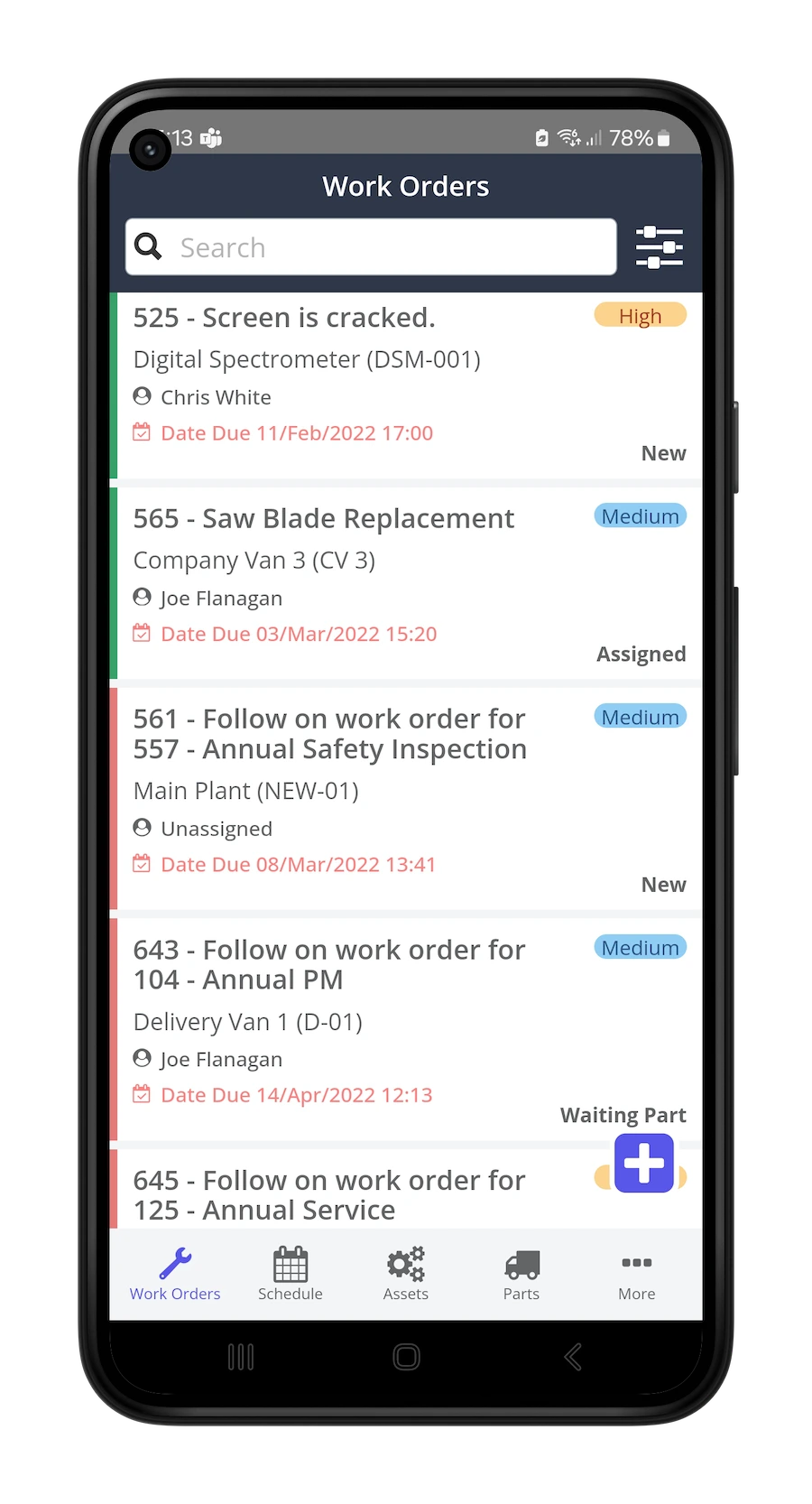
A maintenance backlog refers to pending work orders that have not been completed within a reasonable timeframe. These work orders range from routine repairs and preventive maintenance tasks to more complex projects. When left unaddressed, the backlog grows, leading to a spiral of backlog issues.
It is important to understand the factors contributing to a maintenance backlog accumulation. One of the main factors is inadequate resources. More staff can help with the completion of timely maintenance tasks. With the necessary resources, keeping up with the workload and promptly addressing maintenance issues becomes easier.
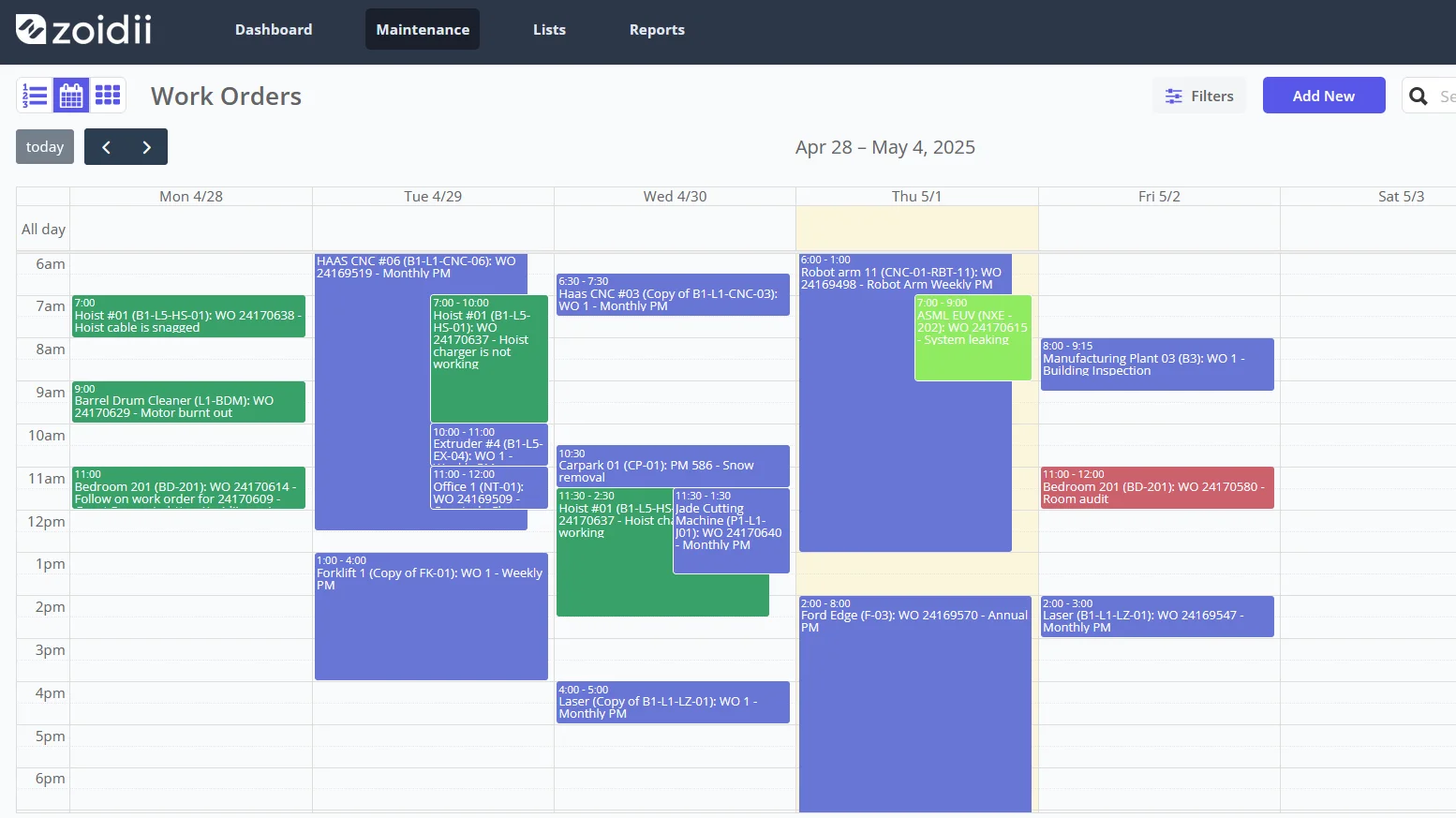
Poor planning and scheduling processes can also contribute to the maintenance backlog. Ineffective planning and scheduling can result in missed maintenance tasks, causing them to pile up. With a well-organized system like Zoidii CMMS' work order scheduler, it becomes easier to prioritize and allocate resources effectively.
Unplanned or urgent work can further exacerbate the maintenance backlog. Unforeseen breakdowns or emergency repairs can divert resources and disrupt planned maintenance activities.
These unexpected events can disrupt the entire maintenance schedule, resulting in a backlog of pending work orders.
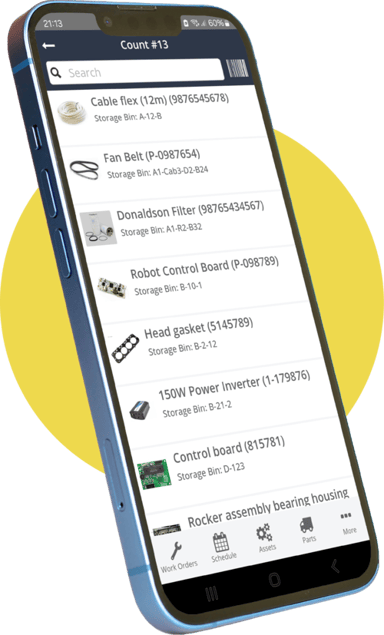
Another factor that contributes to the maintenance backlog is waiting for ordered parts to come in. Delays in obtaining necessary parts or materials can significantly impact maintenance work.
Maintenance tasks can only be completed with the necessary resources, resulting in a backlog of pending work orders. You can follow these eight tips to help optimize spare parts management.
Identifying the causes of a maintenance backlog
Understanding the root causes of a maintenance backlog is essential for implementing effective solutions. Here are some common reasons to consider:
- Lack of prioritization: With clear priorities, maintenance tasks may be completed on time. Establishing priorities based on criticality, safety, and operational impact is crucial.
- More efficient work processes: Cumbersome procedures and inefficient workflows can slow down maintenance activities and contribute to the growth of backlogs. Streamlining work processes and eliminating bottlenecks can improve efficiency and reduce the backlog.
- Need for more training: Inadequately trained staff may take longer to complete tasks or make errors that require rework, adding to the backlog. Investing in ongoing training and professional development can enhance the skills of maintenance staff, enabling them to perform tasks more effectively.
- Ineffective communication: Inadequate communication between maintenance teams, management, and other stakeholders can lead to delays and misunderstandings. Clear and effective communication channels should ensure that everyone is aware of priorities, timelines, and any changes or updates.

Strategies for managing a maintenance backlog
Managing a maintenance backlog requires a systematic approach and a commitment to continuous improvement. Here are some strategies to consider:
1. Prioritize tasks
Clearly define priorities based on criticality, safety, and impact on operations. Focus on the most urgent and vital assets to prevent further backlogging.2. Clear Description
Each task in the backlog should have a clear description of the issue, its impact, and the resources required to address it.3. Improve work planning and scheduling
Optimize planning processes by accurately estimating task durations, allocating resources effectively, and minimizing downtime to enhance productivity. Efficient planning and scheduling can prevent the backlog from growing.4. Invest in preventive maintenance
Proactively identify and address potential issues before they become significant problems. Preventive maintenance helps reduce unplanned work and mitigates backlog growth.5. Enhance resource management
Evaluating staffing levels, skill sets, and equipment availability. Ensure that maintenance teams have the necessary resources to complete tasks efficiently. Adequate resources are essential for meeting maintenance demands and preventing a backlog.6. Streamline work processes
Identifying bottlenecks and eliminating inefficiencies in maintenance workflows. Implement standardized operating procedures and leverage technology where possible to streamline tasks. Streamlining work processes can improve productivity and reduce the backlog.7. Improve communication and collaboration
Foster clear and effective communication channels between maintenance teams, management, and other departments. Ensure that everyone is aware of priorities, timelines, and any changes or updates. Effective communication and collaboration can help prevent delays and misunderstandings.Keeping ahead of a growing maintenance backlog
Preventing a maintenance backlog from spiraling out of control requires ongoing monitoring and proactive measures. Here are some additional tips to help you stay ahead:
- Regularly review and update priorities: As business needs change, reassess task priorities to ensure focus remains on critical areas. Periodically reviewing and updating priorities can help prevent the backlog from becoming overwhelming.
- Implement a reliable work order system: Utilize a digital work order system that allows for efficient tracking, monitoring, and reporting of maintenance tasks. A reliable work order system can streamline maintenance and prevent work orders from falling through the cracks.
- Encourage feedback and continuous improvement: Seek input from maintenance staff and other stakeholders to identify areas for improvement. Regularly review processes and adjust as needed. Continuous improvement is critical to preventing the backlog from growing.
- Invest in training and professional development: Ensure maintenance staff has the necessary skills and knowledge to perform tasks effectively and efficiently. Investing in training and professional development can enhance the capabilities of maintenance teams and reduce the likelihood of errors or delays.

What is the ideal length of the maintenance backlog?
The ideal length of a maintenance backlog can vary depending on factors such as the size of the facility, the type of equipment or assets being maintained, and the resources available for maintenance activities.
In general, it should be approx 4-6 weeks of work for the maintenance team. If no new work were to come in, it would take 4-6 weeks to complete all outstanding maintenance tasks. For example, the backlog for ten technicians working 40 hours per week should be 1,600 - 2,400 hours (10x40x4 - 10x40x6).
A backlog that is too long or growing can indicate too few resources or inefficiencies in the maintenance planning and execution process, leading to increased downtime, higher maintenance costs, and potential safety risks.
On the other hand, a backlog that is too short may indicate overstaffing or that critical maintenance tasks are being overlooked or deferred, which can also lead to operational disruptions and asset failures.
The goal is to strike a balance where the backlog contains a manageable number of tasks that are prioritized based on their impact on safety, production, and other critical factors.
Regular review and optimization of the backlog can help ensure that it remains at an appropriate length and effectively supports the organization's maintenance objectives.
Leveraging resources to manage a maintenance backlog
Managing a maintenance backlog requires effective resource allocation and optimization. Consider the following strategies:
- Outsourcing: If internal resources are limited, outsourcing maintenance tasks to external contractors can help alleviate the backlog.
- Technology adoption: Embrace digital solutions, such as computerized maintenance management systems (CMMS), to streamline work order management, asset tracking, and preventive maintenance scheduling.
- Collaboration with other departments: Foster cross-departmental partnerships to share resources, knowledge, and expertise. Collaboration can help distribute workload and prevent backlog accumulation.
- Performance metrics and KPIs: Establish key performance indicators (KPIs) to measure and monitor backlog reduction progress. Regularly track and report on these metrics to ensure continuous improvement.
Businesses can effectively manage and prevent backlogs from escalating by understanding the causes of a backlog and implementing proactive strategies, including effective planning, improved communication, and resource optimization.
Regular monitoring, continuous improvement, and the use of technology can ensure a well-maintained and productive environment.