Total Asset Management (TAM) is a strategic approach to managing an organization's physical assets throughout its lifecycle to maximize value, minimize costs, and ensure operational efficiency.
Implementing TAM can improve asset reliability, extend economic life, and align asset management practices with strategic goals. TAM is widely applied in industries such as manufacturing, transportation, utilities, and government, ensuring organizations achieve their objectives effectively and sustainably.
This article explores the principles of Total Asset Management, its benefits, and how a Computerized Maintenance Management System (CMMS) plays a pivotal role in achieving TAM objectives.
What is Total Asset Management?
Total Asset Management is a comprehensive, systematic approach to optimally and sustainably managing an organization's assets throughout their entire lifecycle, from acquisition and operation to maintenance and eventual disposal.
The goal is to align asset performance with organizational objectives, ensuring that assets deliver the required value over their entire lifecycle.
Principle Elements of Total Asset Management
1. Asset Lifecycle Management
Asset lifecycle management involves tracking an asset from acquisition to disposal. It includes planning, procurement, operation, maintenance, decommissioning, and disposal.2. Strategic Alignment
Ensuring asset management aligns with organizational goals, mission, and vision.3. Performance Optimization
Protective and preventive maintenance strategies ensure assets operate at peak efficiency and reliability.4. Risk Management
Identifying and mitigating risks associated with asset failure to avoid disruptions and financial loss.5. Cost Efficiency
Balancing the cost of maintaining assets against the benefits they provide.This involves evaluating repair versus replacement costs and optimizing maintenance schedules.
6. Compliance and Sustainability
Ensuring that assets meet regulatory standards and align with environmental sustainability goals.7. Data-Driven Decision Making:
Utilizing asset data, performance metrics, and analytics to guide decisions.Benefits of Total Asset Management
1. Improved Asset Performance
TAM ensures that assets perform at their best, reducing downtime and enhancing productivity.2. Cost Savings
Effective management reduces unnecessary repairs, energy consumption, and operational inefficiencies. Proactive maintenance and lifecycle planning lower the total cost of ownership.3. Risk Mitigation
Proactive maintenance minimizes the risk of unplanned outages and ensures business continuity.4. Extended Asset Life
Proper maintenance and usage practices extend the useful life of assets, reducing the need for frequent replacements.5. Strategic Decision-Making
TAM provides actionable insights into asset performance, enabling data-driven decisions.6. Regulatory Compliance
Ensures assets meet safety, environmental, and operational regulations, reducing liability risks.Challenges in Total Asset Management
1. Data Silos
Fragmented systems can lead to data silos, making it difficult to get a holistic view of asset performance.2. Resource Constraints
Limited budgets and staffing can hinder the implementation of TAM strategies.3. Complexity
Managing a diverse portfolio of assets across locations and industries adds complexity.4. Resistance to Change
Shifting from reactive to proactive management requires cultural and operational changes, which can face resistance.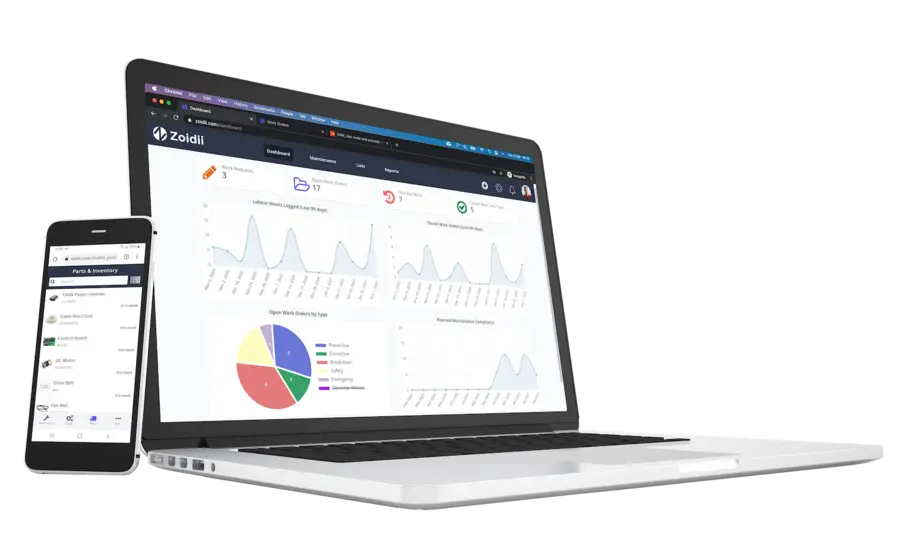
Role of CMMS in Total Asset Management
A Computerized Maintenance Management System (CMMS) supports asset management by streamlining maintenance operations, centralizing asset data, and enabling proactive strategies. Here's how a CMMS enhances Total Asset Management:
1. Centralized Asset Database
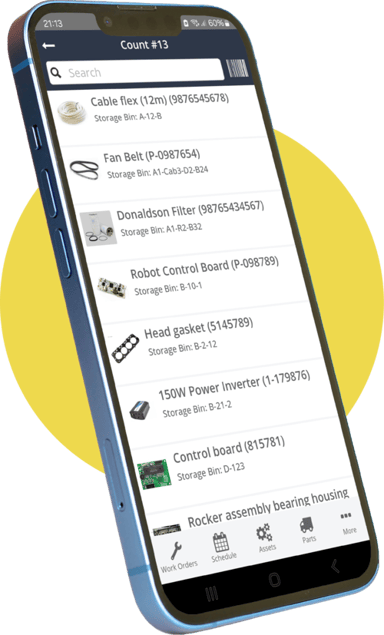
A CMMS is a single source of truth for all asset-related data, including purchase dates, warranty information, maintenance history, and performance metrics. This centralized repository eliminates data silos and provides comprehensive visibility into asset performance.2. Maintenance Scheduling
A CMMS automates preventive maintenance schedules based on asset usage, condition, or time intervals. Regular scheduled maintenance and inspections reduce the likelihood of unplanned downtime and ensure assets operate efficiently.3. Real-Time Monitoring and Alerts
Modern CMMS platforms integrate with Internet of Things (IoT) devices to provide real-time asset health monitoring. When performance deviates from set parameters, alerts and notifications are triggered, allowing immediate corrective action.4. Work Order Management
A CMMS simplifies the creation, tracking, and completion of work orders. It assigns tasks to the right personnel, tracks progress, and ensures the efficient completion of work orders.5. Cost Tracking
The system tracks maintenance costs, including labor, parts, and downtime. This enables organizations to evaluate the cost-effectiveness of maintenance strategies and make informed decisions.6. Compliance Management
CMMS ensures that maintenance activities comply with industry regulations and safety standards by maintaining detailed records of inspections and certifications.7. Reporting and Analytics
Advanced reporting tools in a CMMS provide insights into asset performance, maintenance trends, and cost analysis. These analytics support strategic decision-making and continuous improvement.Steps to Implement Total Asset Management with a CMMS
1. Define Objectives
Understand what you aim to achieve with TAM, such as reducing downtime, cutting costs, or improving sustainability.2. Conduct an Asset Inventory
Identify and document all assets, including their location, condition, and criticality.3. Select a CMMS
Choose a CMMS that aligns with your organization's needs and integrates with existing systems. Here are some tips for selecting the right CMMS software.4. Develop Maintenance Plans
Use the CMMS to create preventive and predictive maintenance schedules tailored to each asset.5. Train Personnel
Ensure that employees understand how to use the CMMS and follow TAM practices. We've put together the essential guide for CMMS training.6. Monitor and Optimize
Use the CMMS to track performance metrics, analyze data, and continuously refine TAM strategies.Maximize Asset Performance with Total Asset Management (TAM)
Total Asset Management (TAM) is an essential practice for organizations that aim to optimize asset performance, value, and longevity while minimizing risks and costs. A CMMS is vital in achieving TAM goals, offering the capabilities to centralize data, automate maintenance, and provide actionable insights.
By combining strategic asset management with advanced technology, organizations can enhance efficiency, ensure sustainability, and drive long-term success.