Total Productive Maintenance (TPM) is a holistic approach to physical asset management that seeks to achieve perfect production by involving all employees in maintaining and improving equipment performance.
Originally developed in Japan by Seiichi Nakajima, Total Productive Maintenance (TPM) aims to maximize overall equipment effectiveness (OEE) and minimize losses, such as breakdowns, defects, and accidents. TPM is a crucial part of Lean Manufacturing and is widely adopted in industries worldwide to enhance productivity, quality, and safety.
This article will summarize the principles of Total Productive Maintenance, its pillars, benefits, implementation strategies, and best practices for sustaining a successful TPM program.
The Principles of Total Productive Maintenance
TPM is built on the belief that everyone in the organization, from senior management to frontline workers, plays a vital role in maintaining and improving equipment. Unlike traditional maintenance practices, which often separate maintenance tasks from production, TPM integrates maintenance into the daily activities of all employees. The fundamental principles of TPM include:
1. Maximizing Equipment Effectiveness
TPM focuses on achieving optimal equipment performance by reducing downtime, defects, and speed losses. This principle emphasizes regular maintenance and continuous improvement to ensure equipment operates at its maximum potential.2. Involving All Employees
TPM encourages the involvement of all employees, regardless of their role or level, in maintenance activities. This inclusive approach fosters a culture of ownership and shared responsibility, leading to better equipment care and proactive problem-solving.3. Preventive and Predictive Maintenance
TPM emphasizes the importance of preventive and predictive techniques to help prevent equipment failures before they occur. By scheduling regular inspections and maintenance tasks and using data-driven predictive tools, organizations can avoid unplanned downtime and extend the lifespan of their equipment.4. Fostering a Culture of Continuous Improvement
TPM promotes a culture of continuous improvement (Kaizen) where all employees are encouraged to identify and eliminate inefficiencies, defects, and other forms of waste. This ongoing effort to enhance processes and equipment performance is central to the TPM philosophy.The Eight Pillars of Total Productive Maintenance
Total Productive Maintenance (TPM) is structured around eight foundational pillars, each focusing on a different aspect of maintenance and productivity. These pillars provide a framework for implementing TPM in an organization.
1. Autonomous Maintenance (Jishu Hozen)
Autonomous Maintenance involves training operators so they can take ownership of routine maintenance tasks, such as cleaning, lubricating, and inspecting equipment. This involvement helps operators develop a deeper understanding of their machines, detect problems early, and prevent minor issues from escalating.2. Planned and Proactive Maintenance
Planned maintenance involves scheduling activities based on equipment usage and historical data to prevent breakdowns and extend equipment life. It includes planned preventive, predictive, and corrective maintenance tasks that minimize disruptions to production.3. Focused Improvement (Kaizen)
Focused improvement is the process of continuously identifying and eliminating inefficiencies and losses in equipment and processes. Cross-functional teams work together to analyze problems, develop solutions, and implement improvements that enhance productivity and reduce waste.4. Quality Maintenance
Quality Maintenance ensures that equipment operates consistently and produces high-quality products. This pillar focuses on identifying and eliminating the root causes of defects and ensuring that equipment can always meet quality standards.5. Early Equipment Management
Early Equipment Management involves integrating maintenance considerations into the design and installation of new equipment. By involving maintenance teams early in the equipment design process, organizations can ensure that machines are easier to maintain, more reliable, and less prone to failure.6. Training and Education
Training and education are essential for building the skills and knowledge needed to achieve TPM goals. This pillar focuses on developing the technical competencies of employees at all levels, ensuring they have the expertise to maintain and improve equipment.7. Safety, Health, and Environment (SHE)
The Safety, Health, and Environment pillar emphasizes the importance of building and maintaining a safe work environment. TPM aims to eliminate accidents, environmental hazards, and unsafe practices by integrating safety into all maintenance activities and ensuring compliance with regulations.8. Total Productive Maintenance in Office
TPM in Office extends the principles of TPM to administrative and support functions. By applying TPM to office processes, organizations can eliminate waste, improve efficiency, and ensure that administrative activities support overall production goals.Benefits of Total Productive Maintenance
Implementing TPM offers several benefits that contribute to the overall success of an organization:
1. Increased Equipment Availability
TPM reduces equipment downtime through regular maintenance and early problem detection, leading to higher equipment availability and more reliable production schedules.2. Improved Product Quality
By maintaining equipment in optimal condition, TPM helps ensure that finished products consistently meet the required quality standards, reducing defects and rework.3. Enhanced Employee Engagement
TPM involves employees in maintenance activities, fostering a sense of ownership and pride in their work. This engagement leads to greater job satisfaction and a more motivated workforce.4. Reduced Maintenance Costs
Pivoting to preventive and predictive maintenance practices reduces reactive breakdowns and the need for overtime and costly emergency spare parts. It also helps extend the lifespan of equipment, leading to significant cost savings.5. Better Safety and Environmental Compliance
By integrating safety into all maintenance activities, TPM helps create a safer work environment and ensures compliance with health, safety, and environmental regulations.6. Higher Productivity
TPM improves overall productivity by minimizing equipment-related disruptions, optimizing production processes, and ensuring that machines operate efficiently.7. Cultural Transformation
TPM fosters a culture of continuous improvement, teamwork, and proactive problem-solving. This cultural shift can lead to long-term organizational benefits beyond maintenance, including innovation and improved competitiveness.8 Steps to Implement Total Productive Maintenance
Implementing TPM requires careful planning, commitment from all levels of the organization, and a structured approach. The following steps outline a typical TPM implementation process:
1. Top Management Commitment
Successful TPM implementation begins with solid commitment and support from top management. Leadership must communicate the importance of TPM, allocate resources, and actively participate in the program to set the tone for the entire organization.2. Form a TPM Steering Committee
Establish a cross-functional TPM steering committee to oversee the implementation process. This committee should include production, maintenance, engineering, quality, and safety representatives.3. Conduct a Pilot Program
Start with a pilot program in a specific area or piece of equipment to test the TPM approach. The pilot program allows the organization to refine its processes, identify challenges, and demonstrate the benefits of TPM before rolling it out across the entire organization.4. Develop a TPM Plan
Based on the pilot program's results, develop a comprehensive TPM implementation plan with specific goals, timelines, and responsibilities. The plan should address all eight pillars of TPM and outline how the organization will achieve its objectives.5. Provide Training and Education
Continually invest in training and education to build the required skills and knowledge for TPM. Include training for operators on autonomous maintenance tasks and technical training for maintenance staff on preventive and predictive maintenance techniques.6. Involve All Employees
Engage all employees in the TPM process by involving them in maintenance activities, encouraging them to identify improvement opportunities, and recognizing their contributions. Employee involvement in maintaining their own equipment is critical to the success of TPM.7. Monitor Progress and Celebrate Success
Monitor the progress of the TPM implementation by regularly tracking key performance indicators (KPIs) such as overall equipment effectiveness (OEE), equipment availability, defect rates, and maintenance costs. Celebrate successes and milestones to maintain momentum and motivate employees.8. Continuous Improvement
TPM is not a one-time initiative but an ongoing process of continuous improvement. Encourage teams to continuously seek ways to enhance equipment performance, reduce waste, and improve overall productivity.What employees should participate in total productive maintenance?
Total Productive Maintenance (TPM) is most effective when it involves participation from all organizational levels and departments. The idea behind TPM is that maintenance is not solely the responsibility of the maintenance department but is a shared responsibility across the organization. Here's a breakdown of the key groups of employees who should participate in TPM:
Top Management Top management must provide the necessary resources, support the implementation, and actively promote its importance throughout the organization. Their involvement helps ensure that TPM is prioritized and integrated into the company's strategic objectives.
Maintenance Technicians and Engineers
Maintenance staff are the primary executors of maintenance activities, including preventive, predictive, and corrective maintenance. They work closely with production operators to ensure equipment runs optimally and provide technical expertise when solving complex issues.Production Operators
Operators play a critical role in TPM through autonomous maintenance, which involves performing basic maintenance tasks such as cleaning, lubrication, inspection, and minor repairs. This helps maintain equipment health and empowers operators to take ownership of the machines they work with.Quality Control Personnel
Quality control teams collaborate with production and maintenance teams to ensure that equipment operates consistently, producing high-quality products. They help identify the root causes of equipment defects and participate in focused improvement activities to eliminate these causes.Safety and Environmental Teams
Safety and environmental personnel ensure that all TPM activities are performed safely and comply with regulations. They work on integrating safety protocols into TPM activities and addressing any hazards related to equipment or maintenance processes.Continuous Improvement (Kaizen) Teams
These teams, often of cross-functional members from various departments, lead efforts to identify inefficiencies and implement improvements. Their role in TPM is to analyze equipment-related problems, develop solutions, and continuously improve equipment performance and maintenance processes.Training and Development Teams
Training teams are responsible for developing and delivering training programs to address knowledge gaps and equip employees with the necessary skills for TPM success. For example, they train operators on autonomous maintenance tasks and provide technical training for maintenance staff on advanced maintenance techniques.Procurement and Inventory Management Personnel
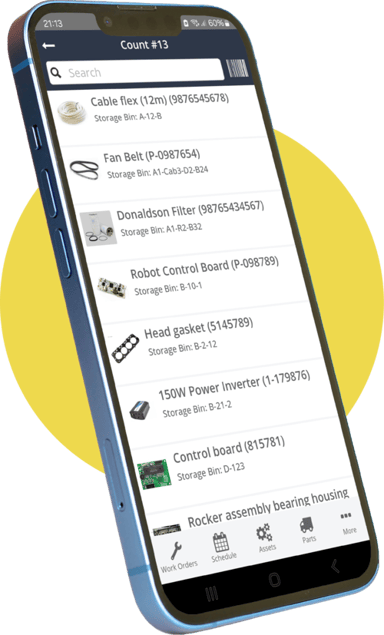
Procurement teams support TPM by ensuring that the necessary spare parts and materials are available for maintenance activities. They also collaborate with maintenance teams to manage inventory effectively, reducing downtime due to parts shortages.Human Resources (HR)
HR promotes the cultural aspects of TPM, such as fostering a culture of continuous improvement and teamwork. They may also be involved in developing recognition and reward programs that incentivize participation in TPM activities.From top management to frontline operators, each group has a specific role in ensuring that equipment is maintained optimally, maximizes productivity, and minimizes waste. This collaborative approach involving multiple groups fosters a culture of continuous improvement and shared responsibility for success.
5 Best Practices for Sustaining Total Productive Maintenance
Sustaining a successful TPM program requires ongoing commitment and attention to best practices:
Foster a Culture of Continuous Improvement
Encourage a mindset of continuous improvement and an improved future at all levels of the organization. Regularly review processes, seek feedback and implement changes that drive better results.Ensure Regular Communication
Maintain open and regular communication about TPM goals, progress, and successes. Meetings, newsletters, and other communication channels keep everyone informed and engaged.Recognize and Reward Contributions
Recognize and reward employees who significantly impact TPM's success. Acknowledging their achievements reinforces the importance of their role and encourages continued participation.Invest in Ongoing Training
Continuously invest in training and development to keep skills up to date and ensure that employees can handle evolving maintenance challenges.Benchmark and Learn from Others
Benchmark your TPM efforts against industry standards and learn from the experiences of other organizations. Adopting best practices from others can help you refine and improve your TPM program.Maximize the Impact of Total Productive Maintenance
TPM is a comprehensive equipment maintenance approach involving all employees in maximizing equipment effectiveness and minimizing losses.
TPM delivers significant benefits by focusing on preventive maintenance, continuous improvement, employee involvement, increased equipment availability, improved product quality, and reduced maintenance costs.
Implementing TPM requires commitment, planning, and a structured approach. By embracing TPM, organizations can create a culture of excellence that drives long-term success and competitiveness.