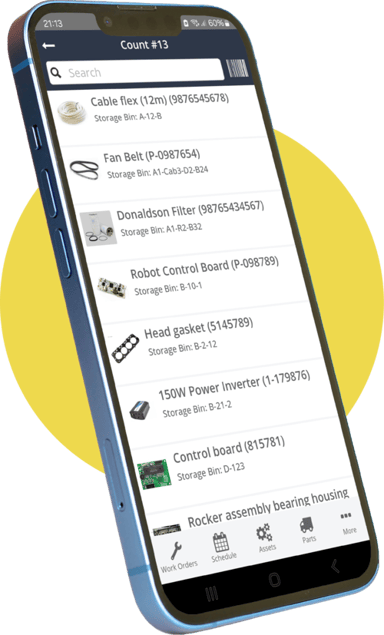
Vendor Managed Inventory (VMI) is an inventory management strategy in which the supplier or vendor manages inventory levels at the customer’s facility. In this approach, the vendor monitors stock levels, restocks items as needed, and ensures optimal inventory availability without overstocking or shortages.
VMI is particularly beneficial for maintenance managers and parts managers who need consistent access to spare parts and consumables to maintain operational efficiency and minimize downtime.
This article will explain the fundamentals of VMI, its benefits, the process, and tips for maintenance and parts managers looking to implement it effectively.
What is Vendor Managed Inventory?
Vendor-managed inventory (VMI) is a collaborative inventory management strategy in which the vendor monitors and replenishes stock rather than the customer. In a VMI arrangement, the vendor gains access to inventory usage and stock levels through an automated system or regular reports.
Based on this information, the vendor proactively manages restocking, ensuring optimal customer inventory.
This approach shifts the burden of inventory management from the customer to the vendor, allowing for improved inventory control and reducing the risk of stockouts.
Benefits of Vendor-Managed Inventory
1. Improved Inventory Availability
With vendor-managed inventory, vendors maintain inventory at agreed-upon levels, minimizing the risk of stockouts and ensuring that parts are available when needed. Improved inventory availability is particularly valuable for critical spare parts essential for maintaining equipment and minimizing downtime.2. Reduced Inventory Costs
Vendor-managed inventory optimizes stock levels, reducing the risk of overstocking and tying up capital in excess inventory. Vendors can leverage their experience to forecast more accurately, providing only the inventory needed, which lowers carrying costs.3. Enhanced Efficiency
Vendor-managed inventory frees up maintenance and parts personnel from the day-to-day inventory management tasks, such as monitoring stock, placing orders, and managing reorders. This additional time allows them to focus more on core maintenance tasks and improve operational efficiency.4. Better Supplier Relationships
Vendor-managed inventory promotes a closer working relationship with suppliers, relying on open communication and collaboration. This relationship can lead to improved service levels, faster lead times, and better support from the vendor, which is beneficial during emergencies.5. Streamlined Purchasing and Reduced Administration
Vendor-managed inventory eliminates the need for repetitive purchasing and administrative tasks, as vendors take on responsibility for stock replenishment. These efficiencies save time and reduce paperwork, making inventory management less labor-intensive.How Vendor-Managed Inventory Works
Vendor Managed Inventory follows a structured process, allowing the vendor to monitor and replenish inventory based on real-time data or regular updates:
- Agreement and Contract Establishment: The customer and vendor define the terms of the VMI arrangement, including minimum and maximum stock levels, restocking frequency, pricing, and service level expectations. This service level agreement serves as the foundation for managing inventory collaboratively.
- Data Sharing and Access: The customer provides the vendor with access to inventory data, either through an integrated system, such as a Computerized Maintenance Management System (CMMS), or through regular reports. Real-time data sharing enables vendors to respond more quickly to inventory needs.
- Inventory Monitoring and Forecasting: Based on historical data and usage patterns, the vendor forecasts demand, anticipates stock needs, and schedules restocking accordingly. Vendors may use automated systems and analytics to optimize inventory levels and align with the customer’s requirements.
- Automatic Replenishment and Restocking: When inventory reaches the predefined minimum level, the vendor initiates restocking, ensuring that parts or supplies are delivered before a stockout occurs. The vendor handles all logistics, including procurement, shipment, and inventory placement.
- Continuous Communication and Adjustment: The customer and vendor monitor the VMI program’s performance and adjust as needed. Regular communication helps ensure that inventory levels, usage patterns, and seasonal demands are effectively managed to support ongoing operational needs.
Key Considerations for Implementing Vendor-Managed Inventory
For maintenance and parts managers, implementing VMI can be transformative, but it requires a few essential considerations to ensure a successful partnership:
1. Select the Right Vendor
Choose a vendor with experience in VMI and a strong understanding of your industry and maintenance requirements. The ideal vendor should be reliable, have a consistent supply chain, and offer strong communication and support.2. Establish Clear Service Levels
Define service level expectations, such as stock thresholds, lead times, and delivery schedules. Setting clear KPIs ensures the vendor meets inventory availability requirements, especially for high-priority items.3. Use Technology for Data Sharing
Implementing a CMMS or other digital platform can streamline data sharing and give the vendor real-time access to inventory usage. Automation improves accuracy and allows vendors to anticipate restocking needs without manual intervention.4. Regularly Review Usage Trends
Usage trends can shift based on changes in equipment, production volume, or maintenance cycles. Regularly reviewing usage data with the vendor helps adjust inventory levels and avoids excess or insufficient stock.5. Maintain Open Communication
VMI relies on close collaboration. Set regular check-ins with the vendor to review performance, address issues, and discuss adjustments to inventory levels based on changing needs.6. Pilot the Program with Select Items
Organizations new to VMI should consider starting with a pilot program for high-demand or frequently used items. A pilot program allows the vendor and the maintenance team to gauge the program’s effectiveness and adjust before scaling it to a more extensive inventory.Advantages of Vendor-Managed Inventory for Maintenance Operations
In a maintenance setting, VMI offers specific advantages that improve overall maintenance effectiveness:
- Reduced Downtime: By ensuring that critical spare parts are consistently available, VMI minimizes the risk of equipment downtime. Minimizing downtime is especially valuable in production environments where equipment uptime is crucial for meeting production targets.
- Enhanced Inventory Control: VMI aligns inventory levels more closely with actual usage, reducing waste and preventing parts from becoming obsolete or taking up unnecessary storage space.
- Improved Planning and Scheduling: With a steady inventory of parts and consumables, maintenance teams can more effectively plan preventive maintenance and repairs, knowing the necessary resources will be on hand.
Improve Efficiency with Vendor-Managed Inventory
Vendor-managed inventory (VMI) is a strategic approach that allows maintenance and parts managers to optimize inventory availability, reduce costs, and improve operational efficiency. By shifting inventory management responsibilities to the vendor, VMI frees time for maintenance teams to focus on core tasks, reduces stockouts, and enhances supplier collaboration.
To successfully implement vendor-managed inventory, maintenance managers should carefully select a reliable vendor, set clear service expectations, leverage technology for data sharing, and regularly review inventory performance.
With the right approach, VMI can be a powerful tool for maintaining smooth operations and ensuring that essential parts are always available to keep equipment running effectively.