A reliable and well-organized maintenance program is critical for keeping an organization’s assets functioning at peak performance. Unplanned downtime, backlogged tasks, and reactive firefighting can strain a maintenance team’s resources. As a result, many companies turn to Computerized Maintenance Management Systems (CMMS) to help them plan, assign, monitor, and complete maintenance work orders.
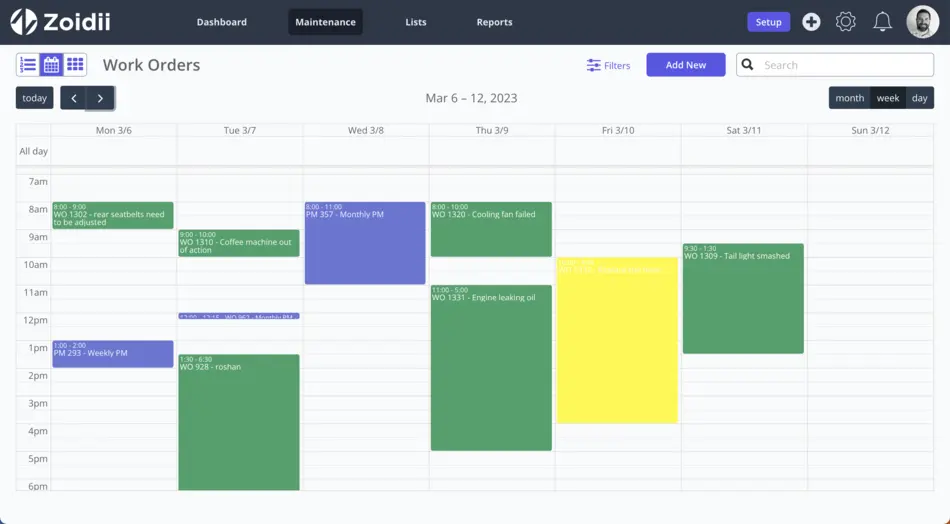
The Work Order Scheduler module is a key component in any CMMS. This tool allows maintenance managers and planners to coordinate maintenance work orders effectively, reduce scheduling conflicts, and ensure equipment is serviced in a timely manner.
In a recent blog post by Zoidii, the Work Order Scheduler is highlighted as a fundamental aspect of a well-functioning maintenance ecosystem. This article delves deeper into why this module is so crucial, explores its core features and benefits, and provides practical insights on how an organization can integrate it into its overall asset management strategy.
Understanding the Importance of a Work Order Scheduler
Organizations that rely on heavy machinery or production equipment manage various types of maintenance work: routine inspections, preventive maintenance (PM), unexpected repairs, safety audits, and more. If these work orders are not handled in an organized manner, the resulting delays and inefficiencies can cause production setbacks, lost revenue, and even safety risks.
A CMMS Work Order Scheduler module serves as the central hub for all maintenance activities. Instead of trying to coordinate work orders through scattered spreadsheets, emails, or phone calls, managers and technicians can log into a single platform to see everything that needs to be done, who is responsible for each work order, and when work orders are due.
Beyond simple visibility, the scheduler empowers teams to do more robust planning. When leveraged effectively, it aligns maintenance work with operational priorities, thus reducing the unplanned downtime and resource conflicts that often plague reactive maintenance environments.
From Reactive to Proactive Maintenance
One of the fundamental benefits of a Work Order Scheduler is the ability to move away from purely reactive maintenance strategies. Reactive maintenance occurs when a piece of equipment fails, prompting a scramble to fix it. Although reacting to unexpected breakdowns is inevitable at times, relying on it as the default strategy is costly and disruptive.
A proactive approach centers on scheduling planned maintenance work orders in advance. A CMMS Work Order Scheduler can generate work orders for these tasks at predetermined intervals based on time, usage metrics, or condition-based triggers. For example, if a machine needs lubrication every 500 operating hours, the scheduler automatically flags this requirement and assigns a work order well before the machine runs into performance issues.
According to Zoidii’s Work Order Scheduler blog post, adopting a preventive approach is a central step toward maximizing asset longevity and increasing overall equipment reliability. By specifying intervals for tasks like cleaning, part replacements, and calibration checks, organizations can catch potential issues before they become critical failures.
A well-configured scheduler ensures these tasks appear on the calendar at the optimal frequency, preventing teams from either neglecting necessary maintenance or over-servicing assets, both of which can be expensive in the long run.
Visibility and Collaboration Across Teams
Communication bottlenecks often create the biggest hurdles in a maintenance operation. Technicians in the field may not know which work orders have priority, or they might discover mid-repair that a crucial part is missing. Operations managers might schedule production while maintenance is planned, leading to lost opportunities or conflict between departments. The Work Order Scheduler within a CMMS addresses these gaps by offering a shared platform that everyone can access.
Technicians logging into the system will see a list of assigned work orders, priorities, schedule dates, and due dates. Managers can readily identify if any job is at risk of running past its due date. Operations and maintenance teams can plan scheduled maintenance windows around production runs. Such transparency aligns team efforts and fosters collaboration.
Zoidii’s article emphasizes how real-time updates in the Work Order Scheduler allow swift adjustments in case of unexpected events. For instance, if a high-priority issue arises on a critical piece of equipment, managers can quickly reschedule less urgent jobs with minimal disruptions. The result is a well-orchestrated schedule in which each technician understands their responsibilities, and managers have a clear view of the overall workload, preventing over-allocation or duplication of effort.
Prioritization and Resource Allocation
No two maintenance work orders are the same. Some require immediate attention to prevent a significant breakdown, while others are less urgent but still must be completed within a particular window to preserve asset health. The Work Order Scheduler module in a CMMS allows managers to categorize work orders by priority, such as critical, high, medium, or low. This simple but powerful feature ensures the most urgent work orders are scheduled and addressed first without completely sidelining routine and preventive checks.
This also extends to parts and inventory. Integrating the scheduler with the CMMS’s inventory management feature helps the system confirm that necessary materials are on hand before assigning a work order to a technician or team. If the part is out of stock, the scheduler can reassign the work order or postpone it until the inventory is replenished, reducing needless technician downtime.
Automated Scheduling for Preventive Maintenance
A hallmark feature of advanced schedulers is the ability to automate recurring work orders, which is pivotal for a reliable preventive maintenance program. Instead of manually creating new work orders each time a maintenance interval occurs, the CMMS can automatically generate them based on time-based triggers (e.g., monthly or quarterly) or condition-based triggers (e.g., usage hours, or sensor readings).
By automating these repetitive tasks, organizations free up management time and reduce the risk of something slipping through the cracks. According to Zoidii’s Work Order Scheduler insights, automation keeps preventive routines consistent, ensuring regular inspections, lubrication, and part replacements happen on schedule. This methodology drastically reduces the likelihood of unexpected breakdowns, saving time and money while prolonging the life of critical assets.
Enhancing Compliance and Risk Management
Many industries—such as healthcare, pharmaceutical, food processing, or aerospace—must adhere to strict compliance standards that require detailed documentation of maintenance activities. Neglecting scheduled work orders in these sectors threatens the integrity of assets and could result in heavy fines or even legal liability.
Using a Work Order Scheduler within a CMMS, organizations maintain a clear, auditable log of each maintenance event. The system automatically captures the date of service, the tasks performed, the technician’s name and possibly an e-signature, and any relevant notes or attachments, such as inspection checklists or calibration certificates. If auditors or regulatory bodies request proof of compliance, managers can retrieve this information with just a few clicks.
This traceability is essential for demonstrating compliance with safety and quality regulations. Equally important, it helps mitigate risk by ensuring no critical inspections or safety checks are missed - a feature that could prevent catastrophic failures or product recalls.
Training, Adoption, and Change Management
No matter how powerful a Work Order Scheduler is, its success ultimately depends on end users consistently and accurately adopting it. An intuitive interface that maintenance managers, planners, and technicians find easy to navigate can drastically improve the system’s acceptance. When the scheduling tools mirror the maintenance team's natural workflow rather than forcing them to adjust to a complicated tool, usage rates go up, and data quality improves.
The training phase is equally critical. Maintenance managers, technicians, and operations staff should understand the scheduling module’s key functions and how they relate to the rest of the CMMS. Organizations should take a structured approach to onboarding, offering hands-on demos, user guides, and ongoing support to address any questions.
Managers should also encourage feedback from the team, especially in the early stages of implementing the new scheduling system. Regular check-ins ensure the platform continues to meet real-world demands and that end users see tangible benefits in their day-to-day activities.
Increase Efficiency & Productivity with Scheduled Work Orders
A Work Order Scheduler module in a CMMS is far more than a simple calendar tool. It embodies a proactive approach to maintenance for managing day-to-day tasks and long-term strategies. Referencing Zoidii’s Work Order Scheduler blog post underscores the significant impact of scheduling improvements, from boosting resource allocation efficiency to facilitating communication and collaboration across various departments.
By implementing a robust scheduling system, organizations can move away from chaotic, last-minute repairs toward a more structured, data-driven maintenance culture.
The result is optimized equipment uptime, improved safety, and better alignment between maintenance and broader business objectives. Maintenance managers and planners gain clear visibility into repetitive work, technicians save time by focusing on the most critical work orders first, and stakeholders benefit from accurate reporting and adherence to regulatory standards.
In a world where downtime is costly and efficiency is paramount, the Work Order Scheduler in a CMMS is not just a convenience—it’s a necessity. By systematically organizing work orders, automating preventive maintenance work orders, and fostering collaboration, maintenance teams can stay ahead of equipment failures and ensure operations run at their highest potential.
Choosing a CMMS with a built-in work order scheduling tool is one of the most thoughtful steps an organization can take to achieve excellence in asset management.