
The State of Apartment Maintenance in 2026
Running apartment maintenance in 2026 is more demanding - and more expensive - than ever. According to the Zoidii 2026 Rental Owner Report, rising costs are the top concern for 55% of rental property owners, ranking above vacancy, interest rates, and regulatory changes combined. At the same time, 63% of rental owners say tenant expectations are higher today than five years ago, with many describing the shift as significant.
The math is unforgiving: average annual maintenance costs for a single-family home now exceed $10,000, and tenant turnover costs landlords an estimated $1,795 per month per vacant unit in combined lost rent, repairs, cleaning, and re-leasing expenses, for a 225-unit apartment community with a 40% turnover rate, that adds up to more than $162,000 per year in turnover-related costs alone.
The good news is that the most effective property managers and facilities teams are solving this problem the same way: by shifting from reactive, firefighting-style maintenance to a structured, preventive approach - and backing it with a Computerized Maintenance Management System (CMMS) that keeps every work order, asset, inspection, and KPI organized in one place. This guide covers everything you need to run apartment maintenance at a high level in 2026 - from day-to-day work orders to seasonal checklists to how a CMMS like Zoidii transforms your operation from chaotic to controlled.
🔑 Key Takeaways
Before diving in, here's what every property manager should walk away knowing:
1. Preventive maintenance is your biggest cost lever. Reactive emergency repairs cost 4.8x more than the same repair done proactively. Shifting your maintenance mix toward planned work is the single highest-ROI change you can make.
2. Tenant turnover is expensive - and largely preventable. Turnover costs landlords an estimated $1,795 per vacant unit per month. Properties with excellent maintenance standards see tenants stay 50% longer on average. Maintenance quality is a retention strategy.
3. Response time directly affects renewals. 20% of renters will move after just one unresolved maintenance request. Emergency repairs need a same-day response; routine requests should be resolved within 3–7 days.
4. A CMMS eliminates the scheduling and tracking gap. 90% of maintenance professionals believe in preventive maintenance, but only 26% consistently practice it. The difference is almost always a systems problem - and a CMMS solves it by automating PM schedules, work order assignment, and performance tracking.
5. Seasonal preparation beats seasonal firefighting. The property managers who coast through winter are the ones who serviced their boilers in October. A structured seasonal checklist, executed on time, prevents the majority of weather-related emergencies.
6. Documentation protects you. Every inspection, work order, vendor invoice, and unit condition photo should be logged. This record is your protection in disputes, insurance claims, compliance audits, and capital planning decisions.
7. The data you generate is valuable. Work order history, asset costs, PM compliance rates, and response times aren't just operational metrics - they're the evidence that turns maintenance from an invisible cost center into a defensible, measurable business function.
What Is Apartment Maintenance? (And Why It's a Strategic Function, Not Just Repairs)
Apartment maintenance is the full scope of activities required to keep residential rental units and common areas safe, functional, and habitable. It includes:
- Preventive maintenance - scheduled inspections and servicing designed to catch problems before they become failures (HVAC tune-ups, plumbing checks, roof inspections, filter replacements)
- Corrective/reactive maintenance - unplanned repairs triggered by a failure or tenant request (a broken HVAC unit, a leaking faucet, a tripped circuit breaker)
- Routine maintenance - recurring, non-emergency tasks that keep the property running day-to-day (common area cleaning, landscaping, trash removal, light bulb replacements)
- Compliance maintenance - tasks driven by legal or regulatory requirements (fire safety system testing, elevator certifications, smoke/CO detector checks)
- Unit turnover maintenance - work performed between tenancies to return a unit to rentable condition
Types of Apartment Maintenance
Preventive Maintenance
Preventive maintenance (PM) is scheduled upkeep performed on a regular cadence regardless of whether a problem is visible. Think of it as your insurance policy against expensive surprises.
Examples include:
- HVAC filter replacements every 1–3 months
- Annual furnace and air conditioning tune-ups before peak seasons
- Semi-annual plumbing inspections
- Quarterly roof and gutter inspections
- Monthly common area lighting checks
- Annual fire extinguisher inspections and testing of smoke/CO detectors
Corrective and Reactive Maintenance
Corrective maintenance is repair work triggered by a known issue - either discovered during an inspection or reported by a tenant. When it's planned (you catch it during a routine inspection before it becomes an emergency), it's relatively affordable. When it's reactive (a system fails without warning), costs spike.
Your goal is not to eliminate reactive maintenance - some emergencies are unavoidable - but to reduce its share of your total maintenance workload over time. The industry benchmark for a mature maintenance operation is 70–80% planned maintenance. If your reactive ratio is above 40%, your priority should be building out a PM program to close that gap.
Routine and Seasonal Maintenance
Routine maintenance includes the daily and weekly tasks that keep common areas and grounds in good condition: janitorial services, landscaping, parking lot upkeep, and lobby cleaning. Seasonal maintenance adds a layer of weather-driven tasks that protect building systems from summer heat, winter freezes, and the transitions in between.
Emergency Maintenance
Emergency maintenance covers situations that require immediate attention because they affect tenant safety or habitability - a burst pipe, a gas leak, a non-functional heating system in winter, or a security breach. These incidents require defined response procedures, vendor contacts on standby, and clear communication protocols.
Industry best practice is to address emergency maintenance within 24 hours and routine requests within 3–7 business days. Properties that exceed these timeframes consistently see measurably higher tenant turnover rates.
The Complete Apartment Maintenance Checklist (by System and Season)
HVAC Systems
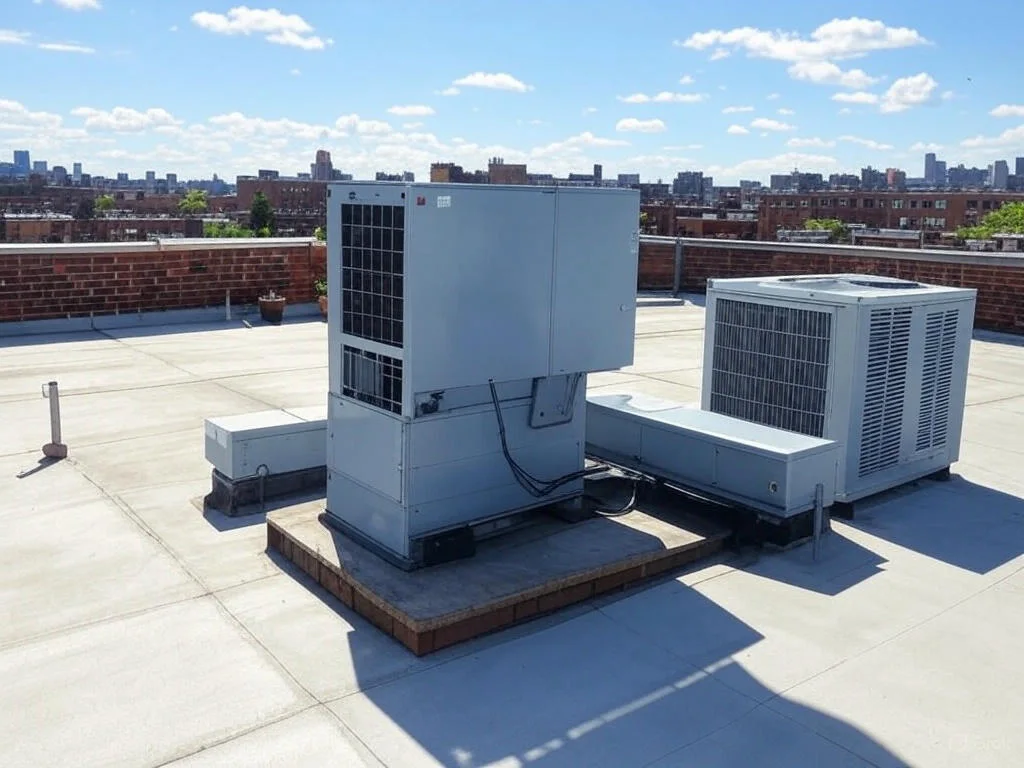
HVAC is typically the most expensive and most critical system in any apartment building. It can account for nearly half of a property's total energy consumption and is one of the top sources of tenant complaints when it fails.
Monthly:
- Inspect and replace air filters in units and common areas
- Check thermostat calibration in common spaces
- Clear condensate drain lines
- Inspect belts, motors, and electrical connections
- Check refrigerant levels (annual if no issues)
- Clean evaporator and condenser coils
- Full HVAC tune-up by licensed technician
- Inspect ductwork for leaks or blockages
- Test all heating and cooling modes
- Check and calibrate building automation controls if applicable
Plumbing
Water damage is one of the most destructive and expensive issues a property manager can face. A proactive plumbing program is among the highest-ROI investments you can make. One study found that property managers saved an average of $3,000 per property annually by installing smart water leak detectors and conducting routine plumbing inspections.
Monthly:
- Test common area faucets and fixtures for leaks or dripping
- Check water pressure in accessible areas
- Inspect exposed pipes in utility rooms for moisture or corrosion
- Inspect water heaters (flush sediment, check anode rods annually)
- Check shut-off valves for ease of operation
- Inspect caulk and grout around tubs and showers during unit inspections
- Inspect roof drainage and downspouts
- Have the drains camera-inspected in older buildings
- Test backflow prevention devices
Electrical Systems
Electrical failures create safety hazards and liability exposure. Regular inspections keep systems code-compliant and reduce the risk of fire.
Monthly:
- Test GFCI outlets in kitchens and bathrooms during unit inspections
- Check common area lighting and replace burned-out fixtures
- Inspect exterior lighting for security and safety
- Check panel boxes for tripped breakers or signs of overheating
- Inspect electrical rooms for moisture or unauthorized access
- Thermographic scan of electrical panels (highly recommended for buildings over 10 years old)
- Verify all smoke detectors and carbon monoxide alarms are functional and within service life
- Test emergency lighting and exit signage
Roofing and Exterior
Twice annually (spring and fall):
- Inspect the roof surface for cracking, blistering, ponding water, or missing material
- Clean gutters and downspouts - blocked gutters are a leading cause of interior water damage
- Inspect caulking and sealing around HVAC penetrations and skylights
- Check fascia, soffits, and exterior trim for rot or pest activity
- Inspect for storm damage before tenant reports turn into insurance claims
- Document findings with photos logged in your CMMS
Common Areas and Amenities
Weekly:
- Inspect and clean lobbies, corridors, stairwells, and mailrooms
- Check elevators for proper operation and log any service calls
- Inspect laundry rooms - clean lint traps, check drains, test coin/card equipment
- Inspect fitness centers and amenity spaces for equipment wear
- Check pool chemistry and equipment (if applicable)
- Inspect the parking structure for lighting, signage, and drainage
- Inspect fire extinguishers and replace or service as needed
- Test emergency intercoms and call boxes
- Walk all exterior walkways for trip hazards, damaged lighting, or drainage issues
In-Unit Inspections
At lease renewal or annually (with appropriate notice):
- Test smoke and CO detectors
- Check for plumbing leaks under sinks and around toilets
- Inspect appliances for wear and function
- Check HVAC filters and replace
- Look for signs of mold, moisture, or pest activity
- Document the unit's condition with photos
- Conduct a full unit inspection and photograph every room
- Log condition details in your CMMS to track changes over tenancy
- Create a work order immediately for any repairs required before re-letting
Seasonal Apartment Maintenance Checklist
Spring (March–May)
Spring is for recovery and readiness - assessing winter damage and preparing systems for summer demand.
- Switch HVAC from heat to cooling mode; service AC units
- Inspect the roof, gutters, and exterior for winter damage
- Flush and start the irrigation systems
- Check exterior paint, siding, and masonry for freeze/thaw damage
- Inspect decks, patios, and outdoor amenities
- Power-wash building exteriors and walkways
- Seed or repair landscaping after winter
Summer brings peak HVAC load and peak occupancy - the season when reactive emergencies are most likely and most disruptive.
- Monitor HVAC system performance closely - this is peak load season
- Keep pest control schedules on track (warm weather accelerates infestations)
- Inspect pool systems weekly; ensure compliance with health codes
- Check window and door screens
- Inspect attic and roof ventilation to prevent heat buildup
Fall is your pre-winter preparation window. Tasks missed now become expensive emergencies in January.
- Service furnaces and boilers before the first cold snap
- Insulate exposed pipes in crawl spaces, garages, and exterior walls
- Clean and inspect chimneys if applicable
- Drain and shut down irrigation systems before the first freeze
- Inspect weatherstripping and door sweeps on exterior doors
- Clean dryer vents - a leading cause of residential fires
- Stock emergency supplies: salt, sand, snow removal equipment
- Monitor heating system performance and log any anomalies
- Check for ice dams on roofs after snow events
- Keep walkways, stairs, and parking areas free of ice and snow
- Maintain the interior temperature in vacant units to prevent pipe freeze
- Have 24/7 emergency vendor contacts on standby
The Tenant Maintenance Experience: Why Response Time Is a Retention Tool
Apartment maintenance isn't just an operational function - it's a core part of the tenant experience, and that experience directly affects your renewal rates.
Research shows that 20% of renters will move after just one unresolved maintenance request. The benchmarks that separate high-retention properties from high-turnover ones are clear:
- Emergency repairs (no heat, major leaks, security issues): respond within 2–4 hours
- Urgent repairs (appliance failure, plumbing issues): resolve within 24 hours
- Routine requests: resolve within 3–7 business days
A CMMS is the mechanism that makes this possible at scale. When a tenant submits a request, a work order is created automatically, assigned to the right technician, and tracked from open to close. The entire history - including time to response, time to resolution, and parts used - is stored against the unit and the asset.
The Unit Turnover Process: Speed, Quality, and Documentation
Unit turnover is where apartment maintenance meets leasing. The faster and more thoroughly a vacated unit is restored to rentable condition, the less rent income you lose to vacancy. Best-practice benchmarks target a complete unit turn within 5–7 days of move-out, though in high-demand markets, 48–72 hours may be expected.
A structured turnover process includes:
- Move-out inspection: Conduct a detailed walk-through on the day the tenant vacates. Photograph every room, all appliances, and any damage. Log findings immediately in your CMMS.
- Work order creation: Generate repair and cleaning work orders from the inspection findings. Assign them a priority and a deadline.
- Repairs and remediation: Address damage beyond normal wear and tear, repaint, deep clean, replace flooring if needed, test all appliances, and replace HVAC filters.
- Safety check: Test smoke and CO detectors, check all locks, verify window latches and inspect for mold or pest evidence.
- Final inspection: Sign off before the unit is listed or shown.
- Documentation close-out: Log all costs - labor, materials, vendor invoices - against the unit in your CMMS. This data is essential for security deposit disputes and for tracking per-unit maintenance costs over time.
How a CMMS Transforms Apartment Maintenance Operations
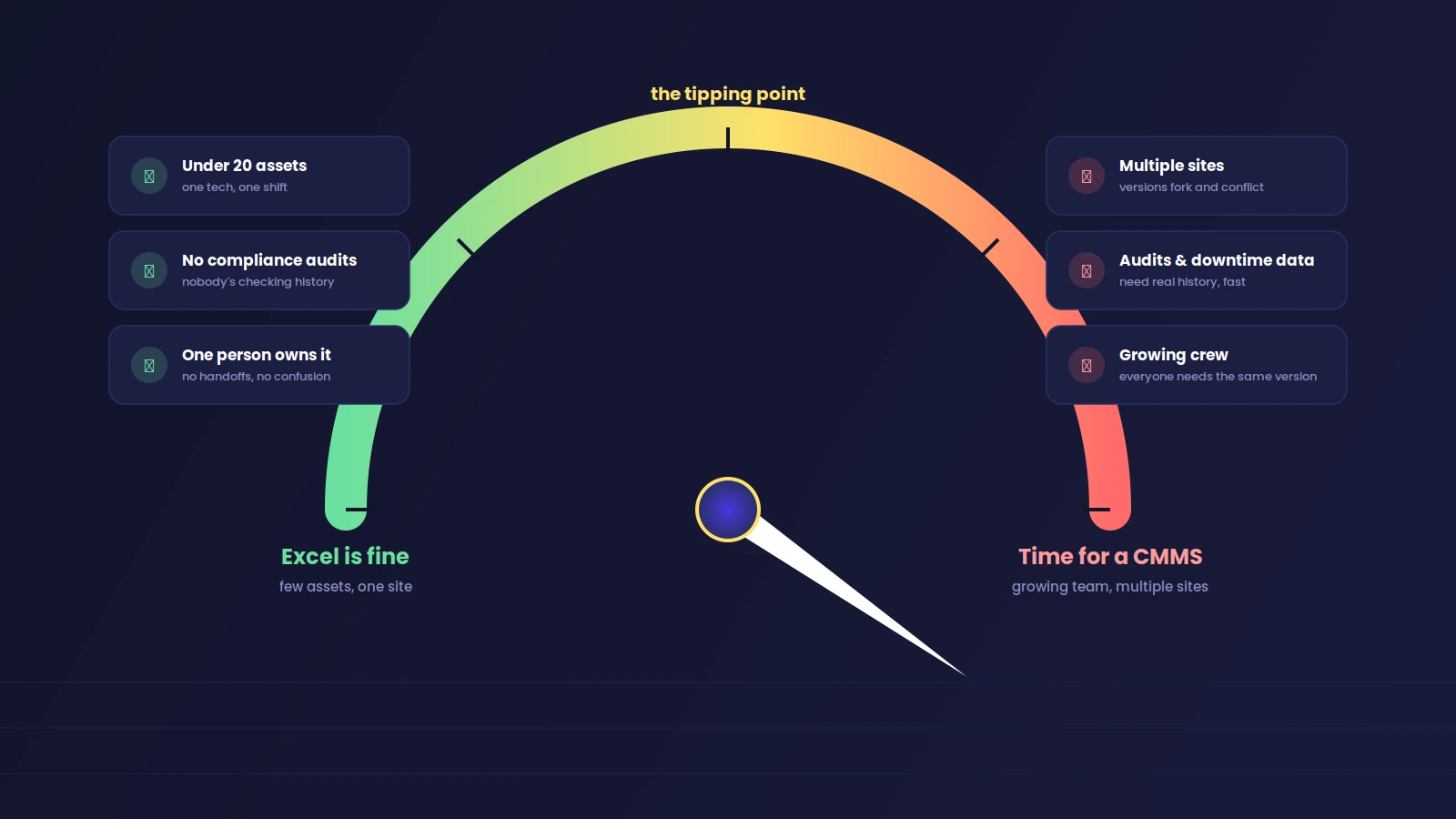
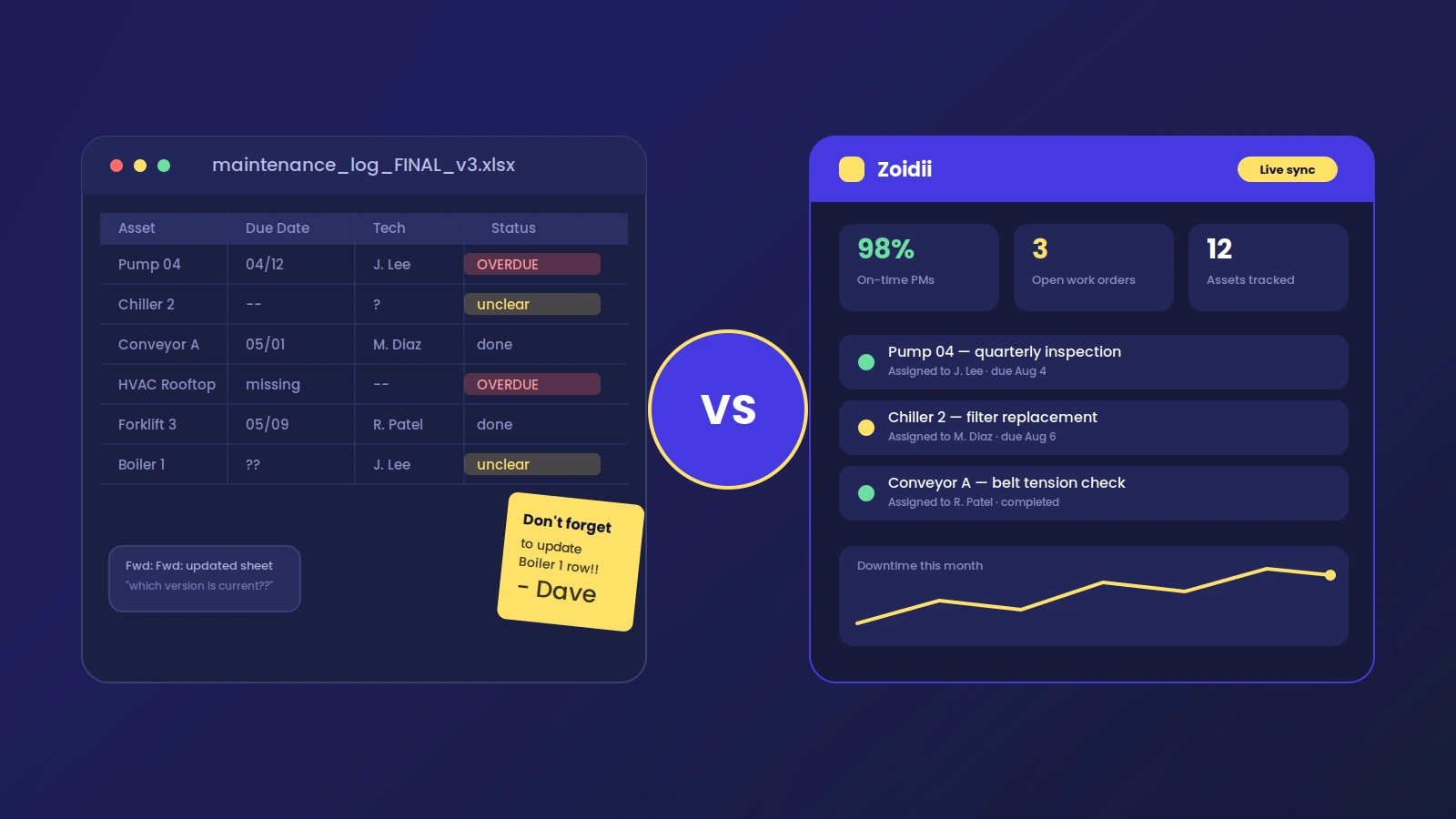
A CMMS (Computerized Maintenance Management System) is the operating backbone of a modern apartment maintenance program. It replaces spreadsheets, sticky notes, group texts, and manual scheduling with a single platform that manages work orders, PM schedules, asset records, parts inventory, vendor relationships, and performance reporting.
The business case for CMMS in apartment management is compelling. Properties using a CMMS see:
- 40–60% reduction in overall maintenance costs through preventive maintenance programs and reduced emergency repairs
- 70–85% improvement in work order completion rates versus paper-based or spreadsheet-driven operations
- 25–40% increase in tenant satisfaction scores as response times and communication improve
- 15–30% improvement in staff retention as technicians gain professional tools and clear task visibility
What Zoidii Does for Apartment Maintenance Teams
Zoidii is a purpose-built CMMS designed specifically for teams transitioning from spreadsheets and paper to digital maintenance management. Here's how it supports apartment maintenance operations:
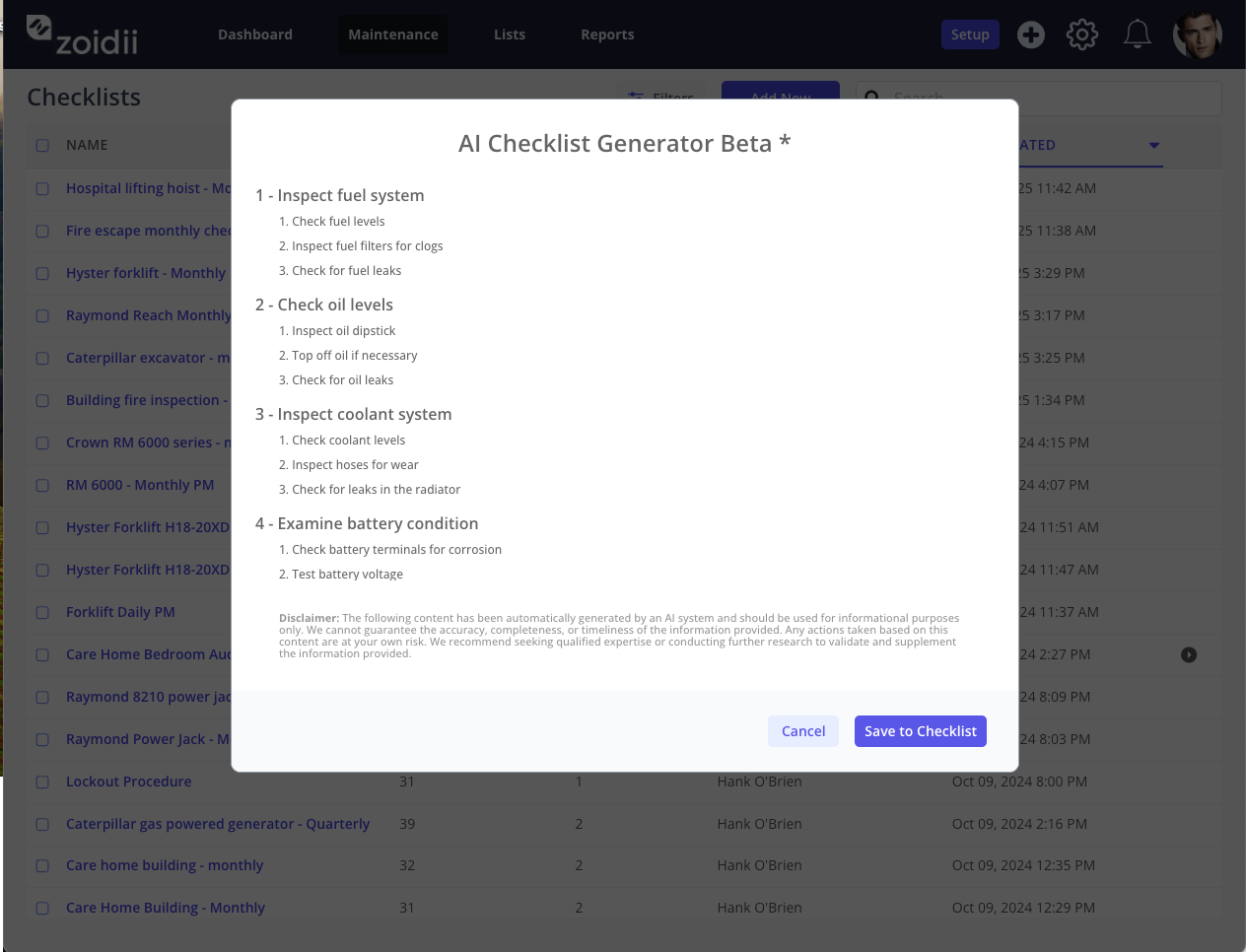
Work Order Management - Tenants, staff, or managers can submit maintenance requests through a simple request portal. Requests are automatically converted to work orders and assigned to the right technician. Every work order captures time, parts used, labor, notes, and photos - creating a complete history for every unit and asset.
Preventive Maintenance Scheduling - Set up recurring PM tasks for every system in your building - HVAC, plumbing, electrical, fire safety, elevators - and Zoidii generates the work orders automatically on schedule. Nothing falls through the cracks because someone was on vacation or a spreadsheet got updated incorrectly.
Asset Tracking - Every piece of equipment in your building has an asset record: installation date, service history, warranty status, repair costs, and associated work orders. When it's time to replace versus repair, you have the data to make that decision with confidence.
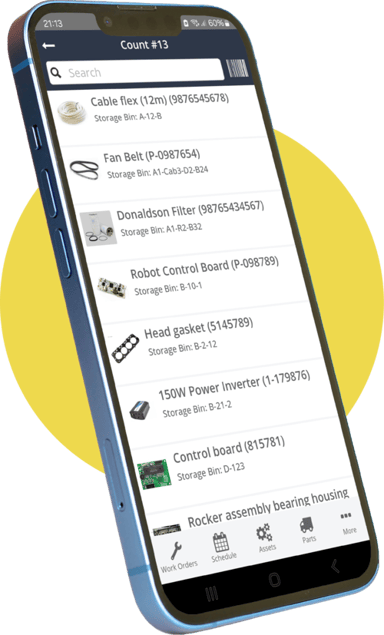
Parts Inventory Management - Track spare parts and supplies across all storage locations. Set minimum and maximum stock levels so you're never caught without a filter, belt, or valve when you need it most.
KPI Dashboards and Reporting - Zoidii's built-in dashboard surfaces the metrics that matter most - work order completion rates, PM compliance, overdue tasks, asset performance, and team productivity - in real time. No manual report-pulling, no guesswork. When leadership asks how maintenance is performing, you have the answer. Kanban Board - Visualize all open work orders by status (new, assigned, in progress, on hold, completed) on a drag-and-drop Kanban board. Prioritize, reassign, and track work across your entire portfolio without digging through inboxes or spreadsheets.
Maintenance Responsibilities: Property Manager vs. Tenant
A well-defined division of maintenance responsibilities - documented in the lease - reduces disputes and protects both parties.
Property manager/landlord responsibilities typically include:
- All mechanical systems (HVAC, plumbing, electrical)
- Structural components (roof, foundation, exterior walls, windows)
- Appliances provided with the unit
- Common areas, amenities, and grounds
- Compliance inspections and certifications
- Emergency response
- Reporting maintenance issues promptly
- Keeping the unit clean and free of conditions that promote mold or pests
- Replacing lightbulbs (in most lease agreements)
- Basic care of the provided appliances
- Testing smoke and CO detectors and notifying management if non-functional
Building a Proactive Apartment Maintenance Program: Step by Step
If your maintenance operation is currently reactive, here's how to shift it systematically:
Step 1: Create a complete asset inventory document - Every piece of maintainable equipment in your building - HVAC units, water heaters, appliances, elevators, pumps, fire panels - with make, model, installation date, and warranty status. This asset register is the foundation on which everything else is built.
Step 2: Build a PM schedule - For each asset, identify the manufacturer-recommended maintenance intervals and any regulatory requirements. Create a master PM schedule and enter it into your CMMS.
Step 3: Establish a work order system - Set up a clear intake process for maintenance requests - whether through a tenant portal, phone line, or email - and define how requests become work orders, get assigned, and get tracked to completion.
Step 4: Define response time SLAs - Set internal standards for response times by category (emergency, urgent, routine) and track compliance through your CMMS. Share these standards with tenants so expectations are clear.
Step 5: Track and review KPIs monthly - Monitor your planned vs. reactive ratio, PM compliance rate, work order completion rate, average time to resolution, and cost per unit. Review trends monthly and adjust your PM program based on what the data shows.
Step 6: Document everything - Every inspection, repair, vendor invoice, and service call should be logged in your CMMS. This documentation protects you in liability situations, supports insurance claims, and gives you the data to make smart capital investment decisions.
Frequently Asked Questions About Apartment Maintenance
How often should preventive maintenance inspections be scheduled? Most properties benefit from quarterly inspections with additional seasonal checks. HVAC systems should be serviced twice annually (pre-summer and pre-winter). Monthly checks on HVAC filters and weekly common area walk-throughs are also best practices.
What is the best software for apartment maintenance management? A CMMS (Computerized Maintenance Management System) is the industry-standard tool for managing apartment maintenance at scale. Platforms like Zoidii are purpose-built for property and facilities teams, offering work order management, PM scheduling, asset tracking, and KPI reporting in a single system.
How does maintenance affect tenant retention? Significantly. Research shows that 20% of renters will move after a single unresolved maintenance request, and properties with excellent maintenance standards see tenants stay 50% longer on average. Fast response times and clear communication are the biggest drivers of tenant satisfaction.
What's the difference between preventive and reactive maintenance? Preventive maintenance is scheduled upkeep performed to prevent failures. Reactive maintenance is repair work done after a failure has already occurred. Reactive repairs cost an average of 4.8 times more than the same repair done proactively, so shifting toward preventive maintenance is the primary lever for reducing maintenance costs.
How should emergency maintenance requests be handled? Emergency requests - no heat, major leaks, security breaches, electrical hazards - should receive a response within 2–4 hours. Having 24/7 vendor contacts on standby, a clear escalation protocol, and a CMMS that can generate and assign emergency work orders at any time is essential.
What maintenance records should property managers keep? All inspection reports, work orders (open and closed), vendor invoices, warranty records, compliance certifications, and unit condition documentation should be retained. A CMMS stores all of this automatically and makes it searchable when you need it for audits, insurance claims, or legal disputes.
The Bottom Line: Apartment Maintenance Is a Profit Center, Not Just a Cost
The property managers winning in 2026 are the ones who have stopped treating maintenance as an unavoidable expense and started treating it as a strategic lever. Better maintenance means fewer emergency repairs, lower costs, longer-staying tenants, higher renewal rates, and a property that holds its value year over year.
The shift from reactive to preventive maintenance doesn't happen overnight - but it starts with a system. A CMMS gives your team the structure, visibility, and data to execute a proactive maintenance program at any portfolio size.