
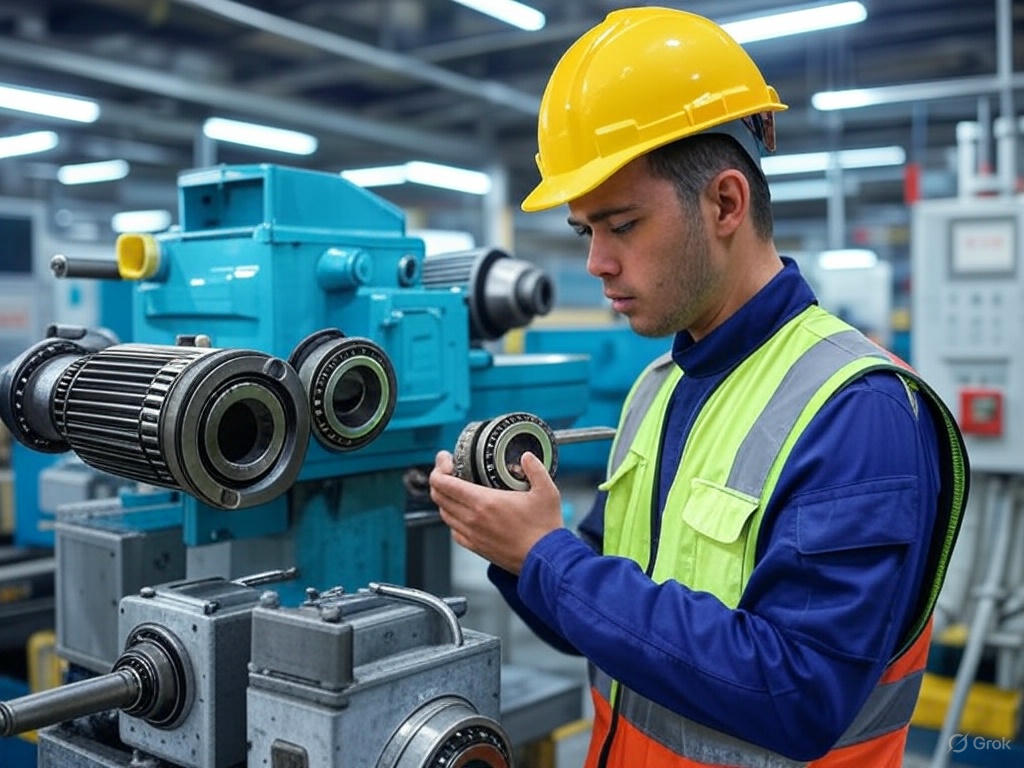
Bearings are key to rotating equipment in manufacturing. They can be found in motors, pumps, conveyors, and gearboxes. When bearings fail, production stops, equipment is damaged, and repair costs rise. Bearings are small and simple, yet they often fail in industrial machines.
Maintenance teams need to know the leading causes of bearing failures. This knowledge helps improve uptime, cut costs, and boost plant-wide reliability.
This article covers the common reasons bearings fail. It shows how to spot issues early and shares steps to prevent unplanned downtime.
Why Bearing Health Matters in Manufacturing
Bearings are key to reducing friction. They support loads and help components rotate with ease. A failed bearing can lead to:
- Machine downtime
- Secondary equipment damage
- Increased energy consumption
- Safety hazards for operators
- Production losses due to halted operations
The Top Causes of Bearing Failures
Here are the leading causes of bearing failure. We’ll cover their symptoms, how they happen, and what to do about them.
1. Lubrication Issues
Estimated cause of failure: 40–50% Proper lubrication is the most critical factor in bearing performance. Inadequate lubrication can result in excessive friction, overheating, and eventual breakdown.
A. Insufficient Lubrication It happens when there is not enough grease or oil on the bearing, causing the metal to touch metal.
Symptoms:
- High operating temperatures
- Audible squealing or grinding
- Scoring or discoloration on races and balls
- Establish preventive maintenance schedules for relubrication
- Use the correct type and quantity of lubricant
- Check operating temperatures and vibration
Symptoms:
- Pitting and scoring on bearing surfaces
- Discolored or milky lubricant
- Debris in grease samples
- Use sealed bearings or install proper seals/shields
- Store lubricants in clean, dry containers
- Implement lubrication best practices (e.g., desiccant breathers, filtration)
Symptoms:
- Leaking seals
- Overheated housings
- Grease bleeding
- Train technicians on the correct regreasing intervals and volumes
- Use automatic lubricators with controlled output
2. Misalignment
Estimated cause of failure: 10–15%
Improperly aligned shafts or housings create uneven forces on the bearing. This leads to stress and deformation.
Symptoms:
- Uneven wear patterns on raceways
- Elevated vibration levels, primarily axial
- Premature seal wear
- Improper installation
- Bent shafts or coupling misalignment
- Thermal expansion is not accounted for
- Use laser alignment tools during installation
- Incorporate thermal growth compensation in designs
- Inspect and realign during shutdowns
3. Contamination
Estimated cause of failure: 10–15%
Bearings are exposed to dust, dirt, chemicals, and moisture on an ongoing basis in manufacturing environments. These contaminants compromise both the lubricant and the bearing surfaces.
Symptoms:
- Noise and vibration spikes
- Surface corrosion or etching
- Shortened grease life
- Install appropriate seals and covers
- Use positive pressure enclosures where necessary
- Apply desiccant breathers and filtration for lubricants
4. Improper Handling and Installation
Estimated cause of failure: 10–12%
Bearings are precision components that need careful handling. Improper installation often results in preloaded stresses, brinelling, or misaligned races.
A. Incorrect Mounting Using too much force or the wrong tools, like a hammer, can harm raceways and rolling elements.
Prevention:
- Use proper induction heaters or bearing fitting tools
- Follow manufacturer torque and fit tolerances
- Train maintenance personnel on correct procedures
Prevention:
- Verify the squareness of housings and shafts
- Use tapered sleeves or adapter kits correctly
5. Fatigue and Overload
Estimated cause of failure: 5–10%
Bearings have a finite fatigue life under proper loads. Overloading beyond design specifications shortens this life and leads to early failure.
A. Fatigue This happens after millions of stress cycles. Older machines or those that people frequently use experience this.
Symptoms:
- Spalling or flaking on raceways
- Increased vibration and noise
- Heat build-up
- Replace bearings based on lifecycle data before they fail.
- Check machine runtime and load conditions
Prevention:
- Size bearings for worst-case loads.
- Use torque limiters and overload protection devices
- Check load and speed with sensors
6. Electrical Erosion (EDM - Electrical Discharge Machining)
Estimated cause of failure: 2–5%
Stray currents can flow through the bearing in VFD motors. This can lead to micro-arcing across the raceways.
Symptoms:
- Frosting or pitting on races
- Excessive noise in electric motors
- Shortened grease life
- Use insulated bearings or shaft grounding rings
- Correctly ground motor housings
- Install common-mode filters on VFDs
7. Vibration and Resonance
Estimated cause of failure: 2–4%
Vibration can lead to false brinelling. Wear happens from small movements when items are not used, especially during storage or transport.
Symptoms:
- Depressions or flattened spots on the raceways
- Noise or roughness upon start-up
- Rotate stored equipment periodically
- Secure rotating machinery during transport
- Isolate bearings from nearby vibrating equipment
8. Improper Bearing Selection
Estimated cause of failure: 1–3%
Picking the wrong bearing for your needs can cause early failure. This can happen because of load type, speed, temperature, or environmental conditions.
Examples:
- Using open bearings in wet environments
- Underestimating axial load requirements
- Choosing low-speed bearings for high-speed motors
- Use application-specific selection guides
- Consult with OEMs or bearing suppliers
- Factor in all operating and environmental conditions
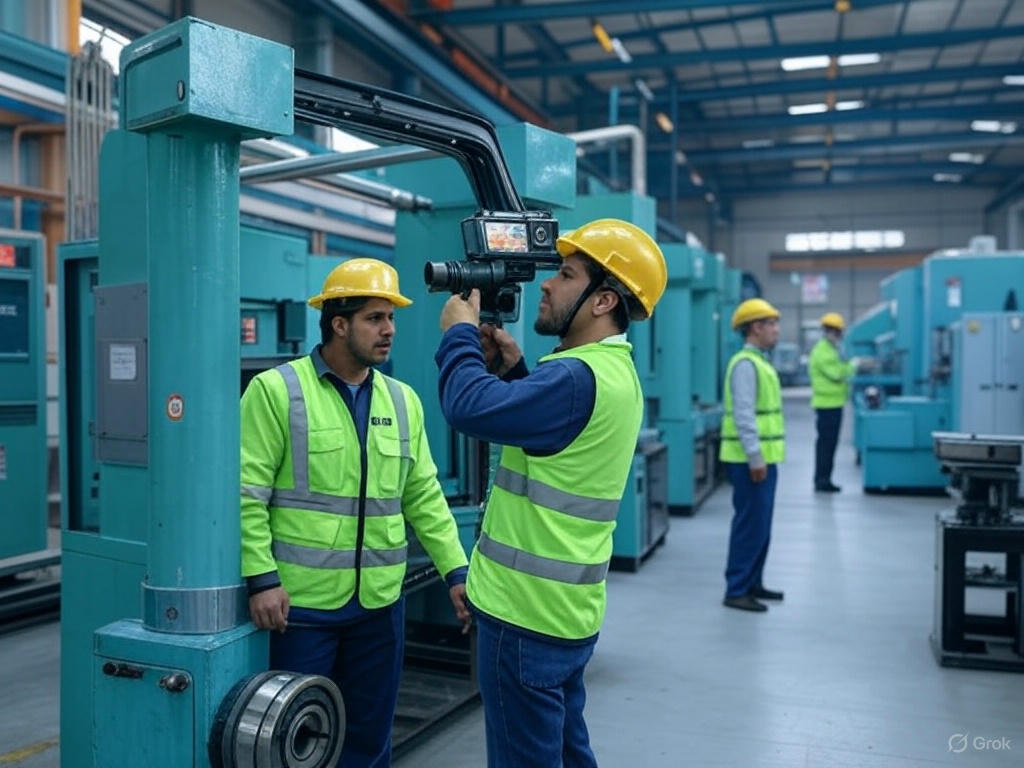
Diagnostic Tools to Check Bearing Health
Proactive monitoring helps detect problems early and schedule repairs before failures occur.
1. Vibration Analysis
Detects early signs of imbalance, misalignment, and wear. Tracks vibration and frequency signatures.2. Thermography
Infrared cameras identify hot spots, indicating excessive friction or poor lubrication.3. Ultrasonic Testing
Identifies high-frequency sounds from friction or arcing. This is key for spotting early lubrication problems.4. Oil and Grease Analysis
Samples tested for metal particles, water contamination, or chemical breakdown of lubricants.5. CMMS (Computerized Maintenance Management System)
Tracks bearing lifecycles, maintenance history, and inspection findings for predictive planning.Best Practices to Prevent Bearing Failures
Maintenance teams can increase bearing life by following these best practices:
- Develop a lubrication management program
- Identify relubrication intervals based on speed, load, and environment
- Use the correct lubricant type and track usage
- Improve installation procedures
- Use certified tools and trained personnel
- Standardize bearing mounting SOPs
- Track operating conditions
- You should monitor temperature, vibration, and speed at all times or regularly.
- Integrate sensors with your CMMS
- Standardize bearing storage and handling
- Store in a dry, temperature-controlled area
- Rotate inventory to prevent degradation
- Perform root cause analysis (RCA) on failures
- Don’t replace failed bearings—understand why they failed
- Implement corrective actions, not just replacements
- Implement a reliability-centered maintenance (RCM) approach
- Evaluate bearing criticality based on function, failure impact, and condition data
To Recap
Bearing failures in manufacturing equipment cause a lot of downtime. Proper knowledge and practice can help avoid many of these failures. For Maintenance teams, understanding root causes is key.
Focus on lubrication issues, misalignment, contamination, and improper installation. Mastering these can boost equipment performance, cut costs, and create a safer plant.
Using smart monitoring tools, conducting regular maintenance, and investigating root causes can substantially reduce bearing failures. Use the right mix of technology, training, and technique to allow your maintenance team to ensure that your bearings and machines operate without issues.