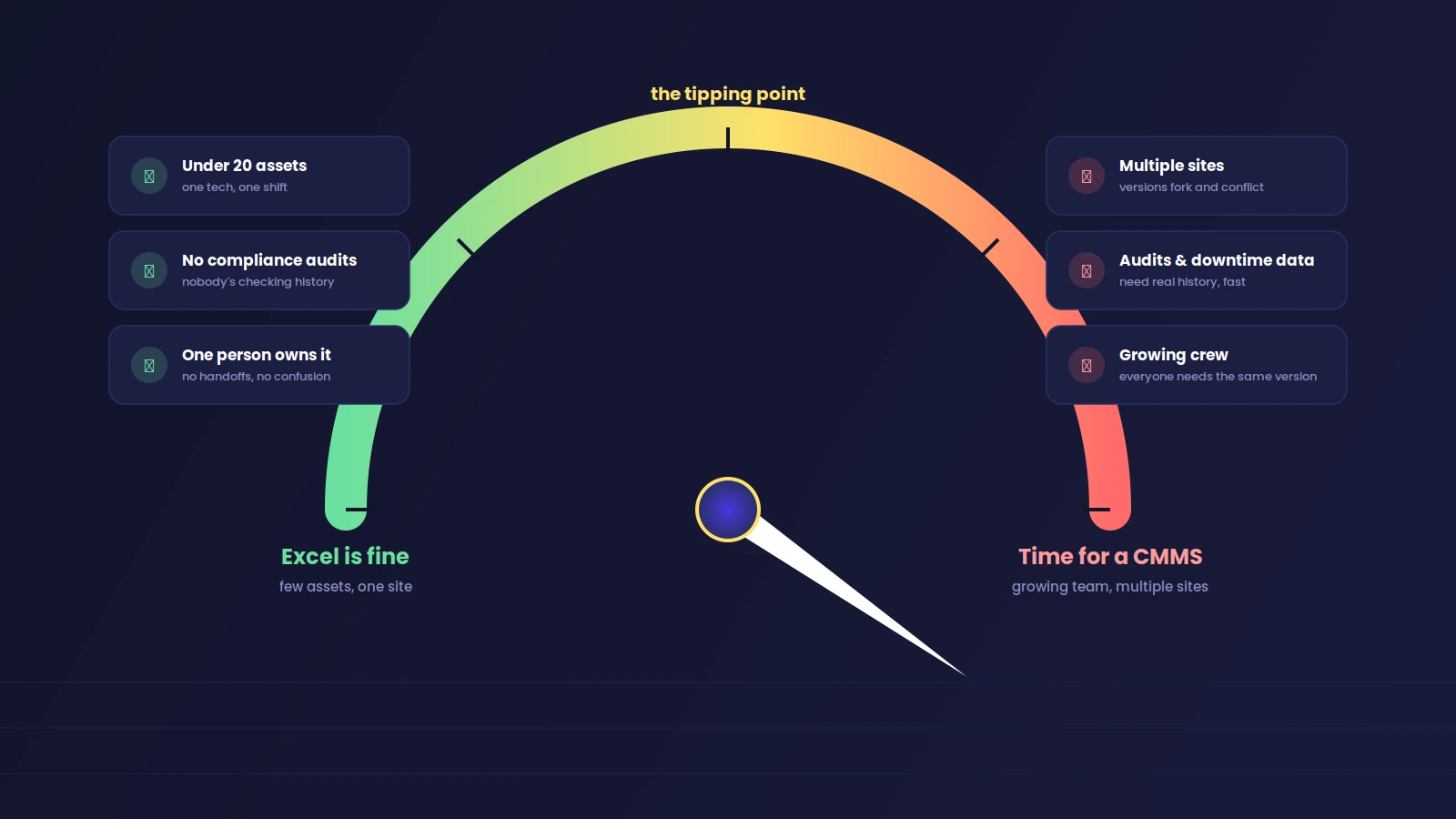

Inefficient processes don’t just hit budgets - they raise emissions. Wasted energy, extra parts, and repeat trips all add up.
A CMMS connects operational excellence to environmental goals. It organizes work, reduces waste, and helps teams run leaner. If you are new to this technology, you can learn more about what a CMMS is and how it centralizes your work.
How a CMMS Shrinks Your Environmental Impact
A CMMS gives you a framework for making real improvements that lower your company’s environmental impact. From saving energy to eliminating paper, the benefits are clear and measurable.
Here are five specific ways a digital maintenance system helps you reduce your carbon footprint.
1. Optimize Preventive Maintenance for Energy Savings
Poor maintenance forces equipment to work harder, driving up energy use and carbon emissions. Waiting for failures means you’re always putting out fires, letting wear build until costly breakdowns hit. That reactive cycle raises both your bills and environmental impact.
A CMMS with preventive maintenance software shifts your approach by auto-scheduling inspections, cleanings, and part replacements so upkeep happens on time.
Well-maintained machines run at peak efficiency, cutting energy use, utility costs, and emissions while extending asset life. Fewer breakdowns and replacements mean less waste and a smaller carbon footprint.
2. Go Paperless with a Mobile CMMS
Paper-based maintenance buries you in stacks of work orders, checklists, and filing cabinets - using up trees, water, and energy, plus transport and printing emissions.
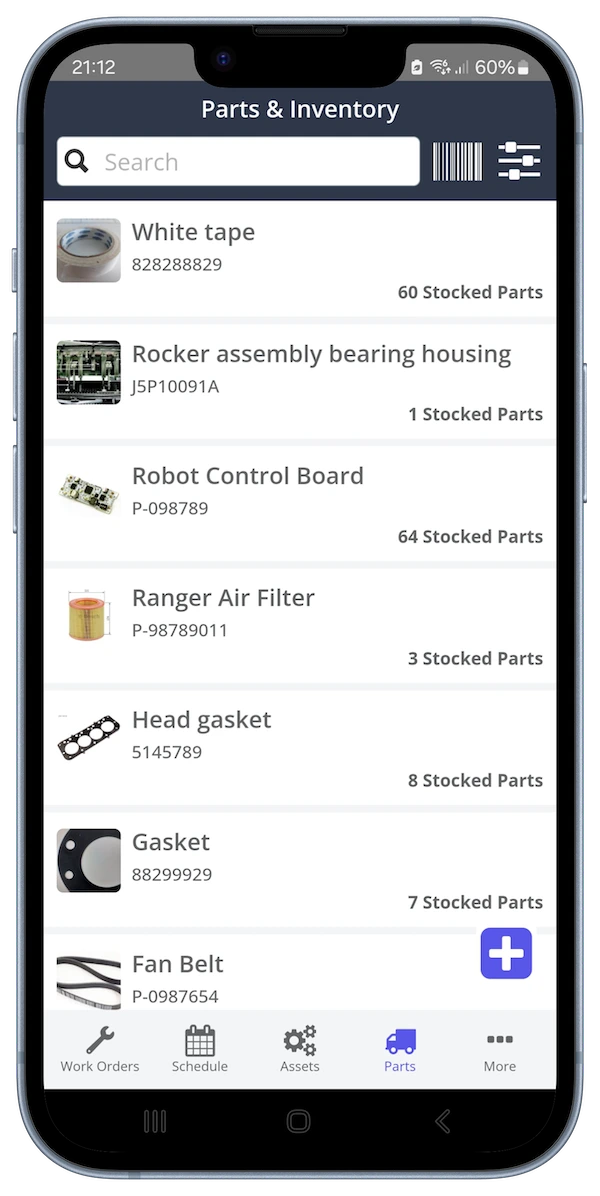
A CMMS digitizes your entire workflow. Work orders, inspection checklists, and maintenance reports are created, assigned, and stored in the cloud.
With a mobile CMMS, technicians can access everything they need on a phone or tablet. They can update job statuses, add notes, and attach photos right from the field, eliminating the need to carry clipboards or return to the office to file paperwork.
This transition to a paperless system completely removes the waste from printing and physical storage. It also helps your team work better, with all information available at their fingertips, anywhere they are.
3. Smart Inventory Management to Cut Waste and Shipping
Poor inventory control lets parts pile up until they expire or get damaged, wasting money and materials. Unexpected stockouts force rush shipping, which has a much larger carbon footprint than standard consolidated freight.
A CMMS with an integrated inventory management system solves both problems.
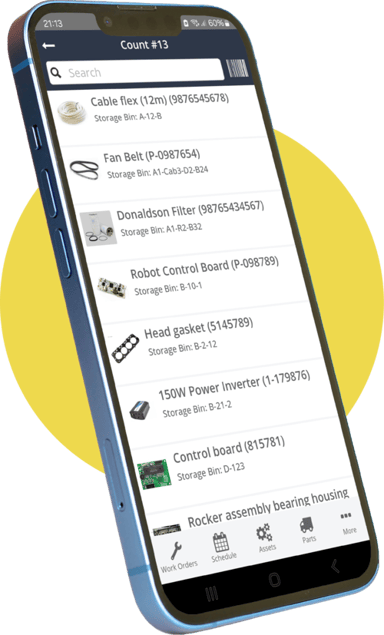
- It provides real-time visibility into stock levels across all your locations.
- You can set automated reorder points to ensure you always have what you need without overstocking.
- The system tracks parts usage, linking each part to a specific work order or asset, and this data helps you forecast demand accurately.
4. Reduce Technician Travel and Fuel Consumption
Inefficient dispatching and poor planning mean technicians often arrive on site without the right parts, manuals, or asset history. Each return trip doubles fuel use and vehicle emissions for that job. Across your team, those extra trips quickly drive up both your carbon footprint and operational costs.
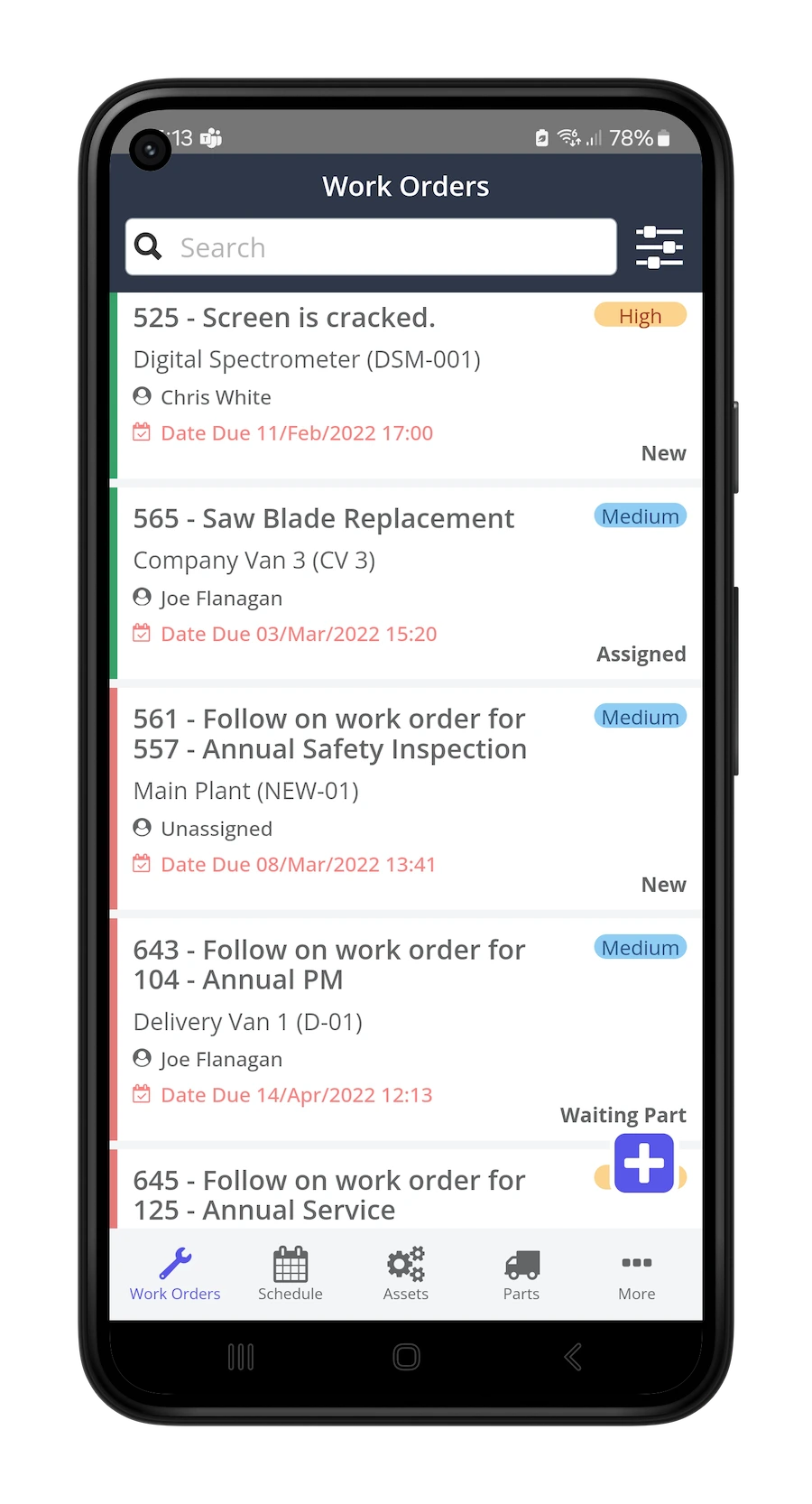
A modern CMMS acts as a central information hub for all maintenance activities. Before a technician even leaves for a job, they can access the complete work order on their mobile device.
This includes the asset’s full maintenance history, attached manuals or schematics, a list of required tools, and the exact location of needed spare parts. With features like digital maintenance checklists, you can ensure every step is planned out.
This preparation allows technicians to arrive on-site with everything they need to get the job done right the first time. Fewer trips mean less fuel burned and lower emissions.
5. Extend Asset Lifespan and Avoid Replacement
A “run-to-failure” strategy lets equipment run until it breaks down, often causing severe damage that shortens its lifespan and forces an early replacement. Swapping out heavy industrial machinery carries a big environmental toll—from extracting raw materials and energy-intensive manufacturing to transporting the new unit and disposing of the old one.
A CMMS gives you the data you need to move toward proactive and predictive maintenance strategies. Tracking every work order, repair, and inspection builds a detailed history for each asset.
This data helps you identify recurring problems and spot trends that indicate a machine is declining. You can then schedule preventive maintenance or corrective actions to address issues before they cause a major failure.
Extending the lifespan of your existing assets helps you avoid the significant carbon footprint associated with manufacturing and installing new equipment. It is one of the biggest ways to improve your company’s sustainability.
Why teams choose Zoidii
Zoidii helps you cut waste while staying simple to use.
You can schedule preventive maintenance, manage paperless work orders, track inventory, and give technicians mobile access to critical information, all in one easy-to-use system.
Organizations in demanding sectors like manufacturing and facilities management use our CMMS to improve their workflows and achieve their green initiatives. With Zoidii, improving your carbon footprint becomes a natural outcome of better maintenance.
A Greener Future Starts with Smarter Operations
A CMMS cuts waste across energy, paper, parts, and miles, while improving uptime. Take the first step towards more efficient and environmentally friendly maintenance operations. See for yourself how Zoidii can transform your workflow and help you achieve your sustainability goals. Book a tour today.