
You shouldn’t spend weeks hunting for records before every audit. With a CMMS, you’ll pull up complete, up-to-date maintenance logs in seconds, so you walk into any inspection confidently.
A missed inspection or a lost record can lead to serious consequences. Your Computerized Maintenance Management System (CMMS) becomes your single source of truth. It logs every inspection and part swap automatically, so audits go from a week-long scramble to a quick system export.
Centralizing information and automating essential tasks with a CMMS gives you the tools to face audits with confidence, knowing your records are complete, accurate, and instantly accessible.
The High Stakes of Non-Compliance in Operations
Failing to meet regulatory standards is much more than a minor inconvenience. It poses serious risks to your entire operation, from your finances to your team’s safety.
Government bodies and industry-specific agencies set these rules to ensure products are safe, workplaces are secure, and environmental impacts are minimized. Ignoring them can disrupt a business quickly.
The consequences of non-compliance make a strong case for adopting a systematic approach to maintenance management, where nothing is left to chance.
- Massive Fines - OSHA or EPA violations can cost $10K–$1M+ per incident, wiping out profits overnight.
- Production Shutdowns - Auditors can halt your line or close facilities until you fix issues; every hour offline hits your revenue.
- Reputational Damage - Missed deadlines and safety lapses erode customer trust and harm your brand.
- Supply Chain Disruptions - Shutdowns ripple through suppliers and distributors, risking penalties and contract breaches.
- Rising Insurance Costs - Workplace accidents drive up premiums and expose you to costly legal claims.
- Employee Morale Drops - Frequent safety scares demotivate your team and make recruiting harder.
Centralizing Your Compliance Documentation with a CMMS
One of the biggest challenges in compliance is managing the mountain of paperwork. A CMMS solves this by acting as a single source of truth for all maintenance-related activities.
Instead of scattered files, spreadsheets, and binders, you have one organized digital system. This centralization makes sure that every record is up to date, secure, and accessible to anyone who needs it, from a technician on the floor to an auditor in the office.
Digitized Maintenance History
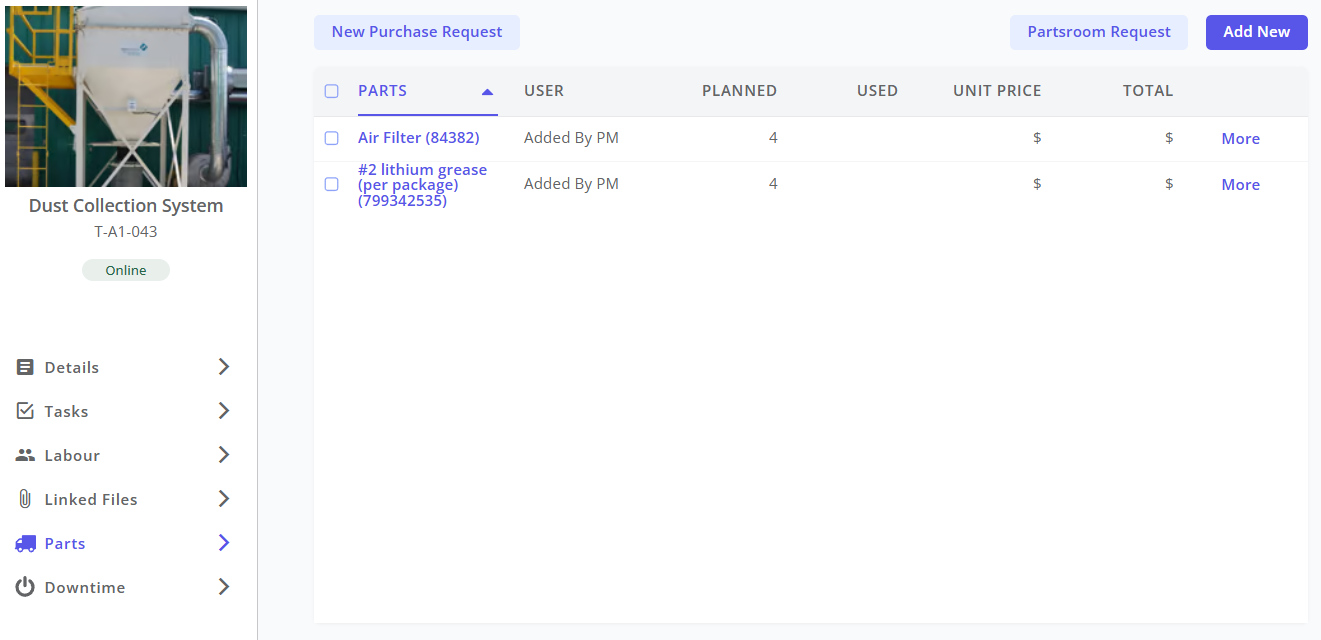
With a CMMS, every maintenance activity creates a permanent digital record. Each time a work order is created, assigned, and completed, the system logs who did the work, when it was done, what parts were used, and any notes or measurements taken.
This process creates a clean digital paper trail for every asset in your facility. Unlike paper records that can be lost, damaged, or illegible, a digital history is secure and easily searchable.
During an audit, you can pull up the complete maintenance history of any machine in seconds, proving a consistent record of care.
Standardized Work Orders
Consistency is vital for compliance. A CMMS lets you create standardized templates for recurring jobs, making sure that every task includes the necessary compliance checks and safety information.
With work order software, you can build templates that automatically populate required fields, attach safety checklists, and list specific procedural steps.
This guarantees that the job is executed the same way every time, regardless of whether a senior technician or a new hire performs it. Standardization removes guesswork and human error, making your maintenance process far more reliable.
Accessible Safety Procedures
Giving technicians the right information at the right time is a top priority for both safety and compliance. A CMMS allows you to attach safety data sheets (SDS), lockout-tagout instructions, and standard operating procedures (SOPs) directly to relevant work orders or assets.
When a technician is assigned a job, they have instant access to all the necessary safety documents on their mobile device.
This eliminates the need to search for a physical binder or return to an office, putting vital information directly at the point of work and reinforcing safe, compliant practices.
Automating Maintenance to Meet Regulatory Schedules
Many compliance standards require tasks to be performed on a strict schedule. Missing a monthly inspection or a quarterly calibration can result in a violation.
A CMMS uses automation to prevent these important tasks from falling through the cracks. Scheduling maintenance based on specific regulatory timelines lets you build a proactive system that ensures compliance without constant manual oversight.
Scheduled Preventive Maintenance
A CMMS lets you set up recurring preventive maintenance tasks based on time, usage, or condition readings. You can schedule inspections, tests, and services to align perfectly with regulatory deadlines.
For example, if a safety valve needs to be tested every 90 days, you can create a recurring work order that automatically generates on that schedule.
Preventive Maintenance Software gives you the power to "set it and forget it," confident that required tasks will be assigned and tracked without manual intervention.
Tracking Task Completion
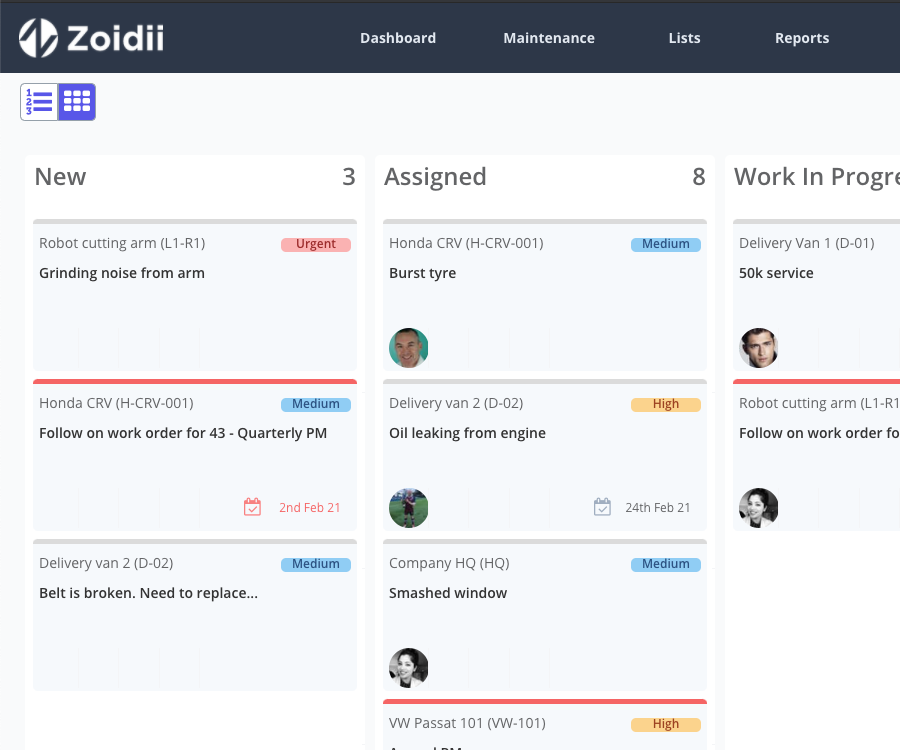
Automation is only half the battle. You also need visibility. A CMMS dashboard provides a real-time view of all maintenance activities, showing you what has been completed, what is in progress, and what is overdue.
If a compliance-related task is approaching its deadline, you receive an alert, letting you take action before it becomes a problem. This proactive oversight helps you manage compliance actively instead of reacting to failures after the fact.
Nested PMs for Complex Jobs
Some compliance inspections involve multiple related tasks. For example, an annual fire safety inspection might include checking extinguishers, testing alarms, and inspecting sprinkler systems.
With nested preventive maintenance, you can group these related sub-tasks under a single parent work order. This makes sure the entire inspection is completed as a comprehensive unit. The parent work order cannot be closed until all the nested child tasks are finished, guaranteeing that no step is overlooked.
Making Regulatory Audits Straightforward and Stress-Free
With a CMMS, audit preparation is no longer a frantic scramble. Instead of spending days or weeks gathering documents, you can produce all the necessary information on demand.
A CMMS positions you to face audits with confidence, turning them from a stressful event into a simple demonstration of your well-managed processes.
Instant, Searchable Records
When an auditor asks for the maintenance history of a specific asset, you can find it in seconds. The powerful search functions within a CMMS let you filter by asset, date range, work order type, or technician.
You can even provide an auditor with read-only access to the system, letting them pull the records they need directly. This transparency and speed show that you have a well-organized system and nothing to hide.
Generating Compliance Reports
A CMMS lets you generate custom reports tailored to an auditor's specific requests. Need to show all completed safety inspections for the last year? You can create a report that pulls that exact data in minutes.
These reports provide clean, professional documentation that clearly demonstrates your adherence to regulatory schedules. The ability to produce specific, data-backed evidence on demand is a powerful tool for a smooth audit.
Demonstrating Due Diligence
A complete and organized maintenance log is more than just proof of completion. It proves that your organization has a systematic and proactive approach to safety and compliance.
It shows auditors that you are not just reacting to problems but are actively working to prevent them. This demonstration of due diligence builds trust and credibility, often leading to a much smoother and more positive audit experience.
Empowering Your Team with Clear, Compliant Processes
Compliance is not just a management responsibility. It is executed by the technicians on the floor.
A CMMS equips your team with the tools and information they need to perform their jobs correctly and safely every time, turning compliance into a shared and achievable goal.
Mobile Access to Checklists
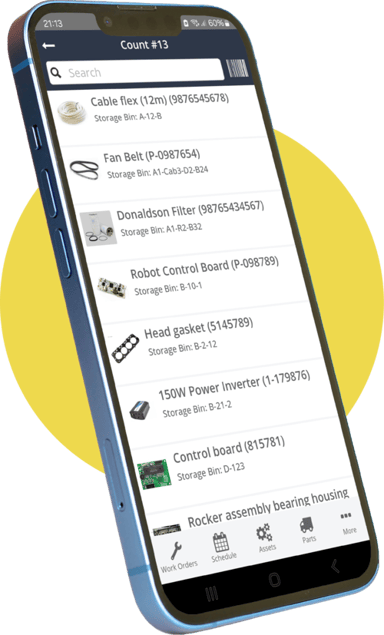
With a Mobile CMMS, technicians can access and complete compliance-related checklists directly from their smartphones or tablets while standing in front of the asset.
This real-time access makes sure they have the most current procedures and can document their work as it happens. There is no need to carry clipboards or return to a desk to fill out paperwork, making the entire process more efficient and accurate.
Consistent Task Execution
Standardized digital checklists make sure that no steps are missed. Features within Maintenance Checklists can require technicians to confirm each step before moving to the next, enforcing consistency across the entire team.
This structured approach removes ambiguity and guarantees that important safety and compliance checks are performed the same way every time, no matter who is doing the work.
Zoidii Simplifies Your Compliance Strategy
Moving from paper-based systems to a modern CMMS can improve your approach to regulatory compliance. It replaces stress and uncertainty with confidence and control.
Through automated tracking, centralized documentation, and an empowered team, Zoidii gives you the tools to meet standards and pass audits with ease. Book a guided tour to see how these features work in a practical setting. We can show you exactly how to set up automated schedules, create standardized work orders, and generate compliance reports in just a few clicks.