
Workplace injuries remain one of the most costly and preventable problems facing facility managers today. In 2024, the National Safety Council reported that work-related injuries across U.S. industries cost a staggering $167 billion — covering wage losses, medical expenses, and administrative costs. Meanwhile, OSHA estimates that workplace injuries cost U.S. employers nearly $1 billion per week in compensation alone.
The good news? The right CMMS software (Computerized Maintenance Management System) can dramatically reduce these risks. By centralizing maintenance operations, automating safety inspections, and building a culture of proactive care, a CMMS becomes one of the most powerful tools a facility manager has in their safety arsenal.
Here are six concrete ways CMMS software helps improve safety at your facility — backed by the latest data.
1. Preventive Maintenance Reduces Equipment Failures Before They Become Hazards
Equipment failures are a leading cause of workplace accidents in asset-intensive industries. When machines are not properly maintained, they become unpredictable — and unpredictability is dangerous.
CMMS software automates your preventive maintenance (PM) schedule, ensuring that every piece of equipment is inspected, lubricated, calibrated, and repaired on a set cadence — before problems arise. Rather than reacting to a breakdown after the fact, your team is always one step ahead.
The results speak for themselves: organizations that invest in preventive maintenance programs reduce overall downtime by an average of 44%, and predictive maintenance strategies can reduce equipment defects by up to 87% compared to reactive approaches alone.
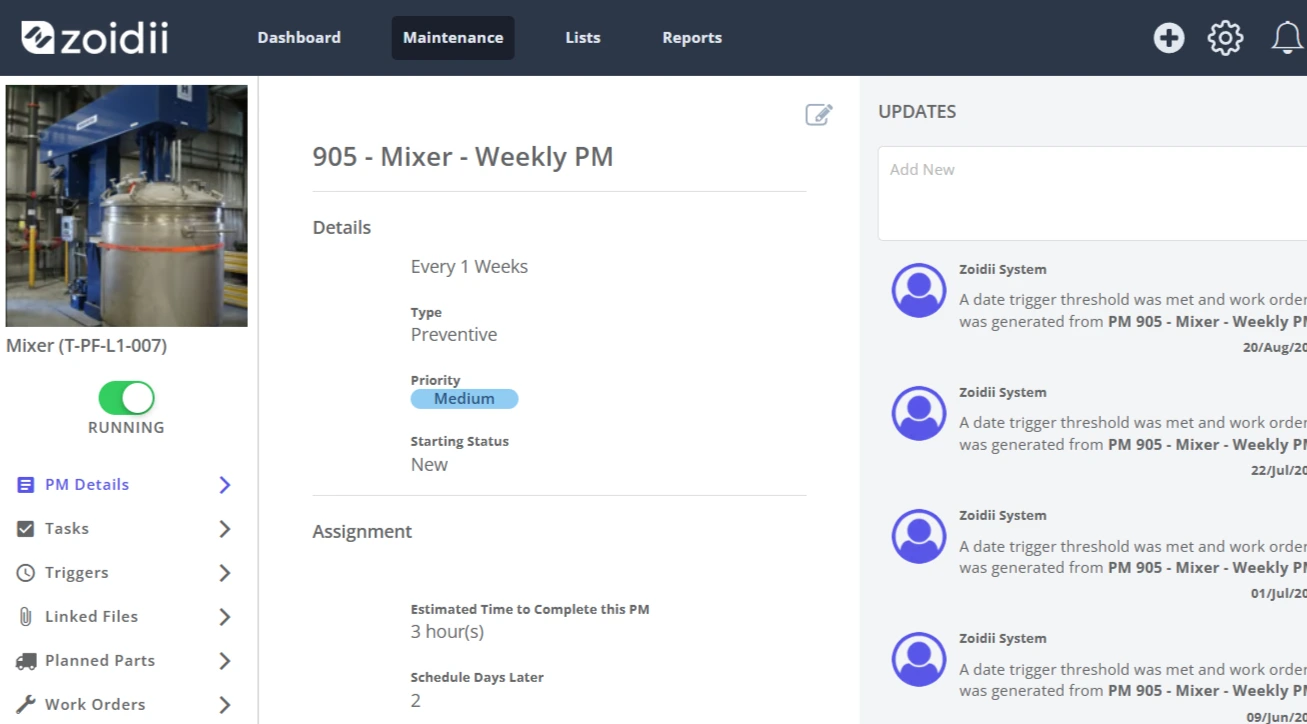
With CMMS software like Zoidii, you can set up recurring work orders tied to calendar dates, meter readings, or usage thresholds — so nothing slips through the cracks. Fewer unexpected breakdowns mean fewer injury risks for the people working around that equipment every day.
2. CMMS Centralizes OSHA Compliance and Regulatory Documentation
Regulatory compliance is a critical pillar of facility safety. In OSHA's most recent list of top violations, Lockout/Tagout (LOTO) standards ranked among the top six most-cited violations, with over 2,500 citations issued in a single year. LOTO failures are directly linked to serious injuries and fatalities involving machinery with hazardous energy.
A CMMS helps you stay ahead of audits and inspections by:
- Storing all safety procedures, permits, and inspection records in a centralized, searchable database
- Sending automated reminders when safety-related maintenance or inspections are due
- Creating digital audit trails that prove compliance to regulators at a moment's notice
- Tracking LOTO procedures and coordinating hazardous energy control across your team
3. Real-Time Hazard Reporting Speeds Up Incident Response
A key factor in preventing accidents is response time. The faster a hazard is identified and reported, the less chance it has to cause injury. Yet in many facilities, hazard reporting still relies on paper forms, verbal communication, or emails that sit unread.
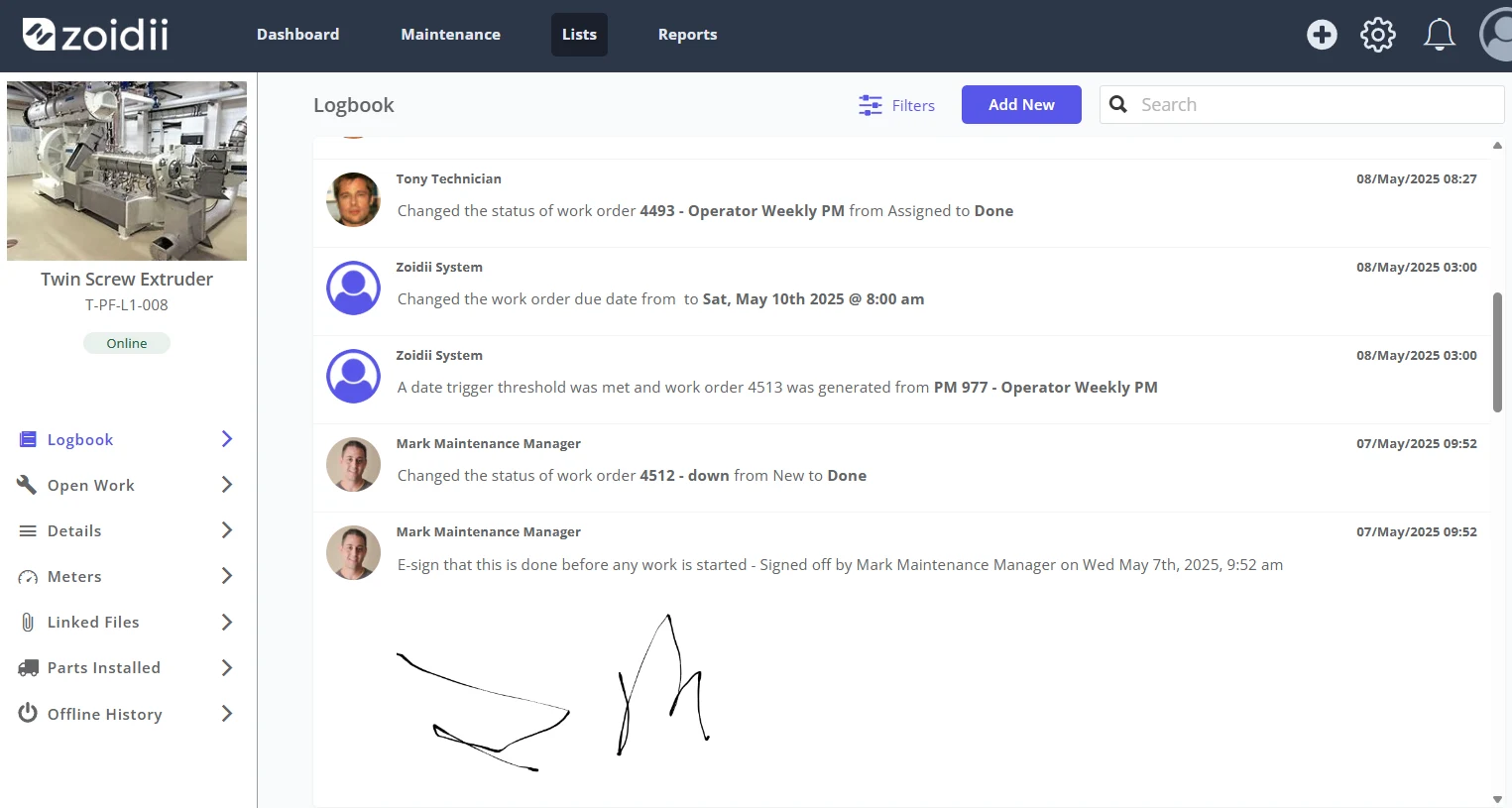
CMMS software enables employees to log safety hazards in real time — directly from a mobile device on the shop floor. These reports are instantly routed to the appropriate maintenance or safety team member, who can acknowledge, prioritize, and act on the issue right away.
This real-time logging creates a closed-loop safety system: hazard reported → work order created → issue resolved → record kept. Every step is documented, timestamped, and searchable, giving you the data you need to spot patterns and prevent repeat incidents.
In an industry where the overall maintenance and repair sector sees a fatal injury rate of 13 per 100,000 workers — and grounds maintenance workers as high as 20.5 per 100,000 — faster hazard response can literally save lives.
4. Asset Tracking and Lifecycle Management Keeps Equipment Within Safe Operating Limits
Not all safety risks come from catastrophic failures. Sometimes, equipment that is simply aging beyond its safe operational limits poses just as great a risk. Without visibility into asset health and lifecycle stage, it's easy for overworked or outdated machinery to keep running long past its safe service window.
CMMS software provides a full picture of every asset: its maintenance history, inspection records, repair frequency, and age. Having a full picture allows maintenance managers to make informed decisions about when to repair, replace, or retire a piece of equipment — rather than finding out the hard way.
When an asset requires a disproportionately high number of repairs, your CMMS data will surface that trend, flagging it as a potential safety and cost concern. Equipment that is repaired more often than average is a liability — both to your budget and to the people working around it.
5. Standardized Safety Procedures Reduce Human Error
One of the most underappreciated safety risks in any facility is inconsistency. When different technicians perform the same maintenance task in different ways — especially without documented safety protocols — the chance of error increases significantly.
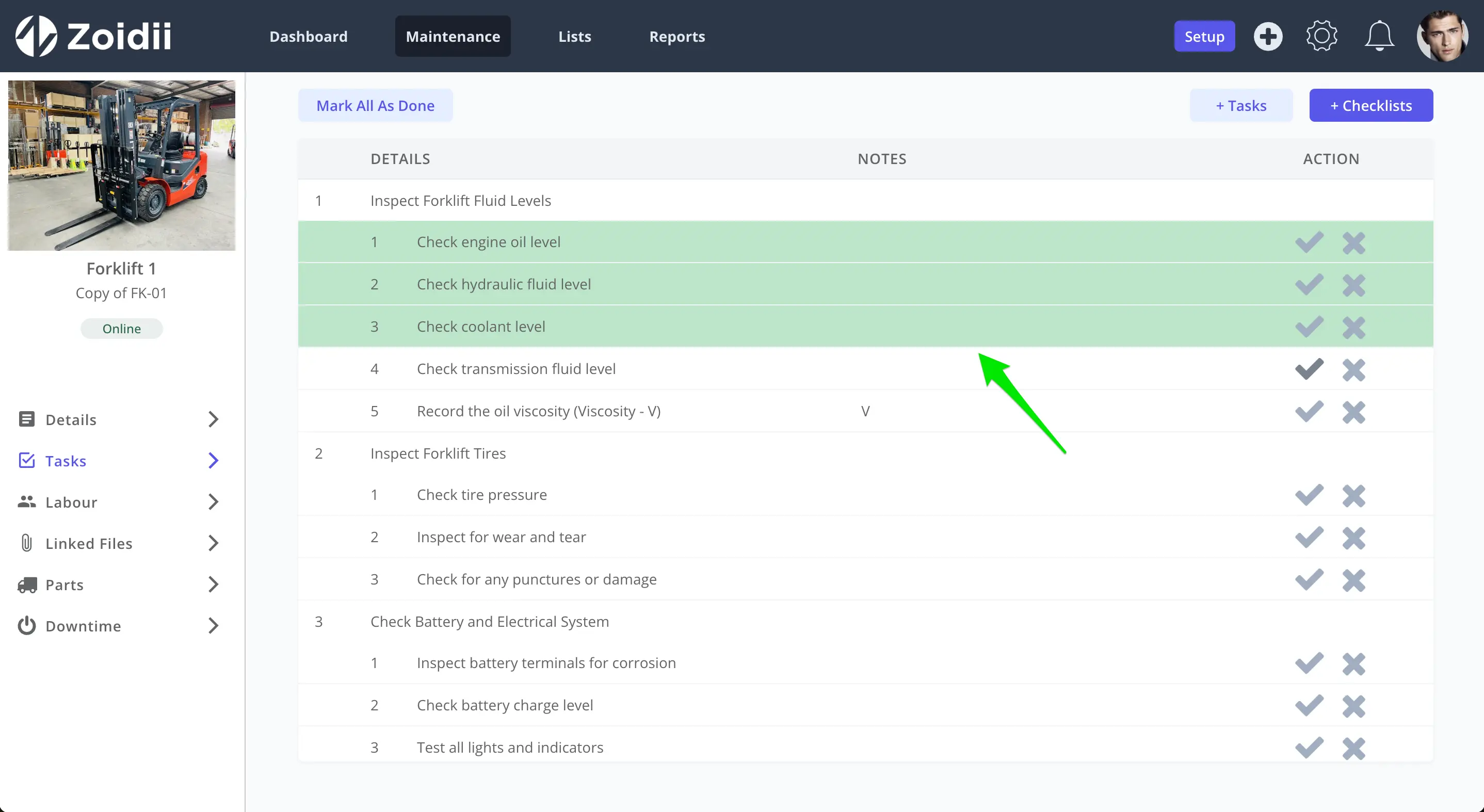
CMMS software allows you to build standardized checklists, SOPs (Standard Operating Procedures), and automated safety requirements directly into work orders. Every time a task is assigned, the technician sees exactly what steps need to be followed, what PPE is required, and what hazards to watch for. There's no relying on memory or informal knowledge passed between shifts. Beyond task-level standardization, a CMMS can also track employee certifications, training completion dates, and licenses — ensuring that only qualified personnel are assigned to work involving high-risk equipment or hazardous materials.
6. Data-Driven Insights Help You Identify and Eliminate Safety Trends
Reactive safety management is no longer enough. Leading facilities are using CMMS data to take a proactive, analytical approach to safety — identifying risk patterns before they turn into accidents.
Your CMMS collects a continuous stream of maintenance data: equipment performance, work order frequency, inspection outcomes, near-miss reports, and more. When analyzed together, this data can reveal hidden patterns — a machine that spikes in maintenance requests every quarter, a shift that consistently misses PM deadlines, or a piece of equipment with recurring issues that signal a deeper design or installation problem.
This kind of visibility allows safety managers to address root causes, not just symptoms. It also supports a culture of continuous improvement, where safety is treated as a measurable, data-driven discipline — not just a poster on the wall. For context on the scale of what's at stake: the average facility loses $108,000 per hour to unplanned downtime, and Fortune Global 500 companies collectively lose up to $1.4 trillion annually from unplanned equipment failures. Even modest improvements in safety and reliability drive enormous financial returns.
Why CMMS Software Is No Longer Optional for Facility Safety
The data is clear: facilities that rely on reactive maintenance and paper-based safety documentation are operating at a disadvantage — both in terms of safety outcomes and operating costs. As of 2026, approximately 59% of facilities now use CMMS software to manage and streamline maintenance operations, and that number continues to grow as the technology becomes more accessible.
Implementing a CMMS like Zoidii doesn't require a large IT team or months of configuration. Modern CMMS platforms are designed to be intuitive for frontline maintenance workers, easy to implement, and scalable as your operations grow.
If keeping your people safe, staying compliant, and reducing costly incidents are priorities — and they should be — CMMS software is one of the highest-leverage investments you can make.
Get Started with Zoidii CMMS
Zoidii is a cloud-based CMMS platform built specifically for facilities making the transition from paper and spreadsheets to digital maintenance management.
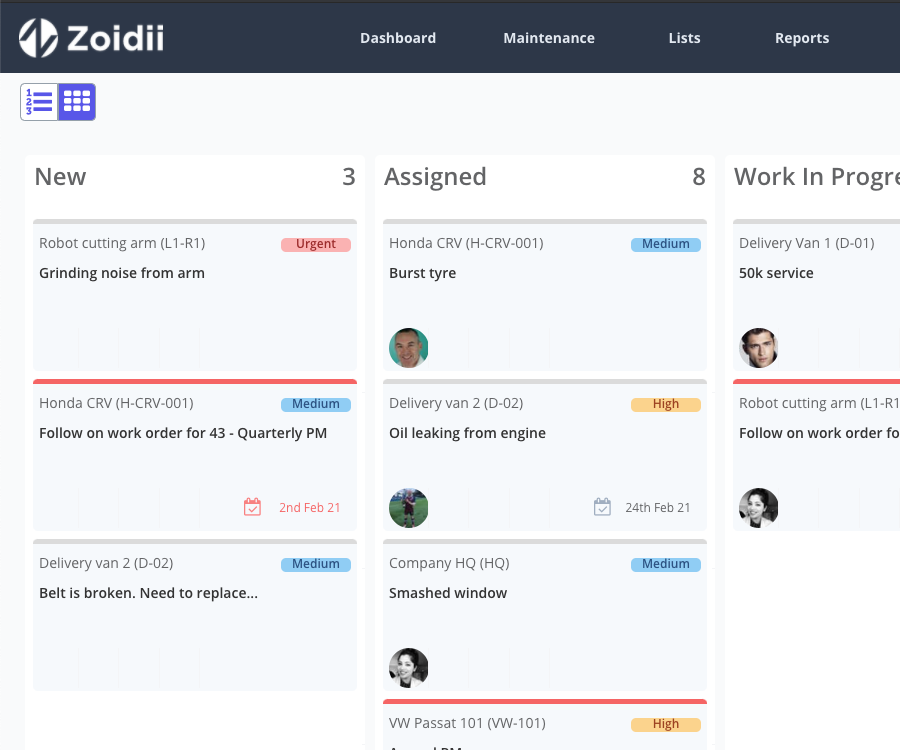
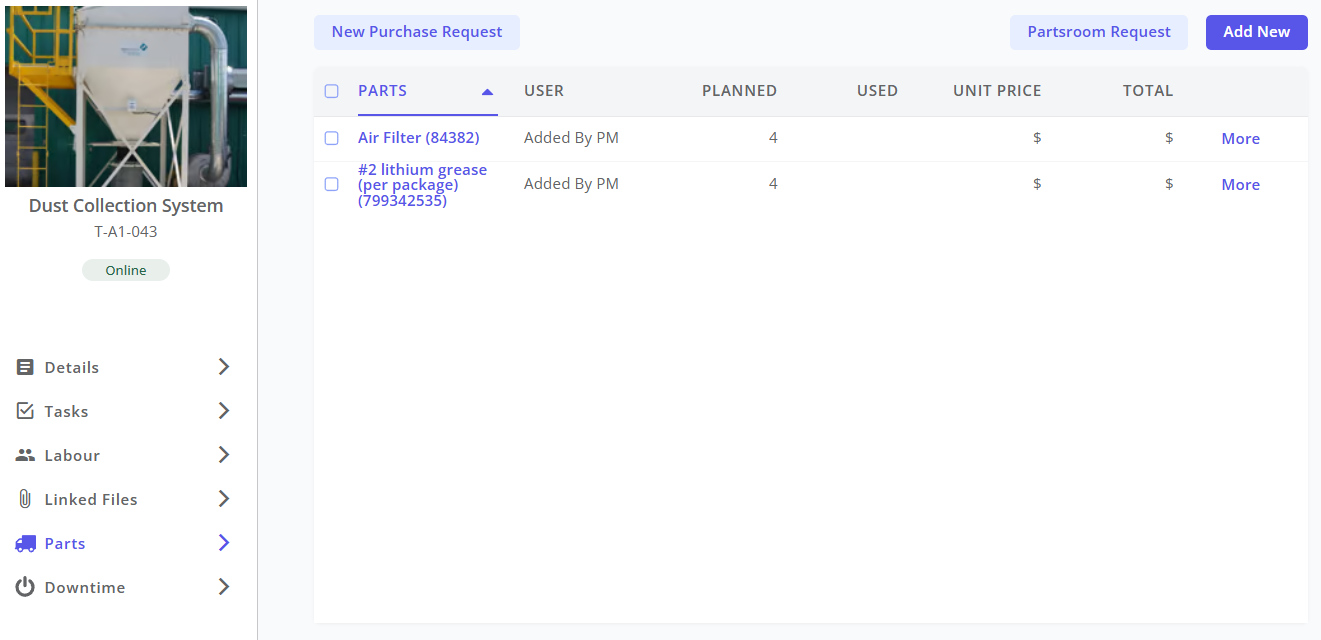
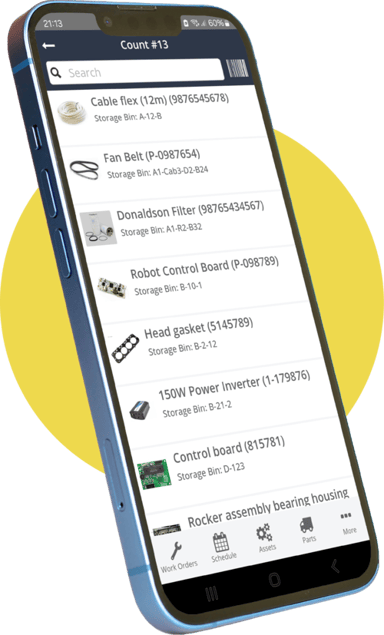
With features including preventive maintenance scheduling, work order management, asset tracking, parts inventory, and mobile access, Zoidii gives your team everything it needs to run a safer, more organized facility.
Ready to see how Zoidii can improve safety at your facility? Start a free trial or request a demo today.
Frequently Asked Questions About CMMS Software and Facility Safety
Q: What is CMMS software, and how does it improve workplace safety? CMMS stands for Computerized Maintenance Management System. It's a digital platform that helps facility managers schedule, track, and document all maintenance activities in one centralized place. From a safety perspective, CMMS software improves workplace safety by automating preventive maintenance schedules so equipment is serviced before it fails, enabling real-time hazard reporting, storing OSHA compliance documentation, and providing data-driven insights that help identify safety risks before they cause incidents.
Q: How does a CMMS help with OSHA compliance? A CMMS supports OSHA compliance by keeping all safety-related records — inspection logs, maintenance histories, permits, certifications, and corrective actions — organized and audit-ready in a single system. It can send automated reminders when safety inspections or equipment checks are due, ensuring nothing is missed. It also helps enforce critical standards like Lockout/Tagout (LOTO) by standardizing procedures directly into work orders and tracking who completed what, and when. In the event of an audit or incident investigation, your CMMS provides an immediate, timestamped paper trail.
Q: Can a small or mid-sized facility benefit from CMMS software, or is it only for large operations? CMMS software is highly valuable at any scale. While large enterprises were early adopters, modern platforms like Zoidii are specifically designed for small and mid-sized facilities, making the transition from paper, spreadsheets, or basic tools. The safety benefits — preventing equipment failures, standardizing procedures, and staying compliant — apply regardless of how many assets or employees you have. In fact, smaller teams often see a faster return on investment because they have fewer resources to absorb the costs of an avoidable accident or failed audit. Q: How long does it take to implement a CMMS and see safety improvements? Implementation timelines vary depending on the size of your facility and the complexity of your asset inventory, but most teams using a purpose-built platform like Zoidii can be up and running within days to a few weeks. Safety improvements often show up quickly once preventive maintenance schedules are active and work orders are being tracked digitally — simply having visibility into what maintenance is overdue can immediately reduce risk. Longer-term gains, such as trend analysis and reduced incident frequency, typically become measurable within three to six months.