
As we march toward 2025, several key trends are shaping the evolution of Computerized Maintenance Management System (CMMS) software as organizations increasingly prioritize efficiency, cost control, and asset optimization.
These trends reflect broader technological advancements, sustainability goals, and the integration of intelligent solutions in maintenance practices. Here's a rundown of what's currently trending in CMMS software:
Computerized Maintenance Management Systems (CMMS) have gone from “glorified work order trackers” to the backbone of modern maintenance. In 2025, the CMMS market is valued at around $1.4–1.9 billion and is expected to roughly double by 2030, driven by digitalization, predictive maintenance, and efficiency pressures. In 2026, the question isn’t whether you use a CMMS, but how smart and connected that system is. Here are the key trends to watch if you want your maintenance strategy to stay ahead of the curve.
1. AI-Driven CMMS and True Predictive Maintenance
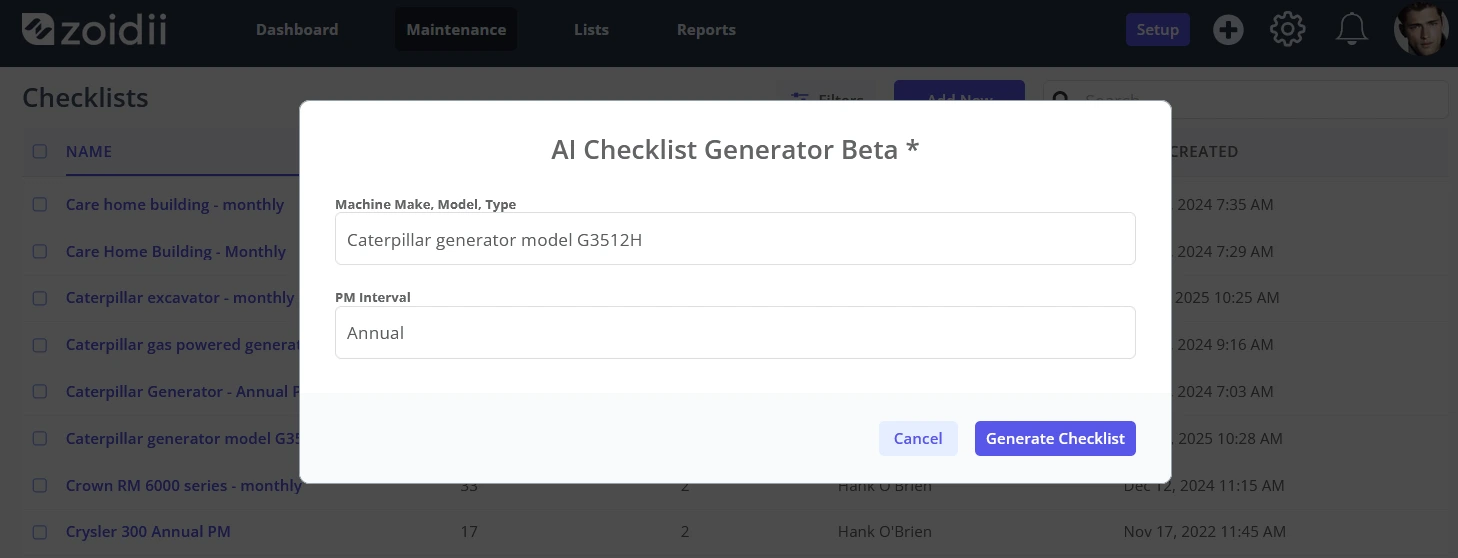
The biggest shift is that AI is moving inside the CMMS, not just living in separate analytics tools. Recent CMMS and maintenance trend reports highlight AI-driven analytics as one of the top forces reshaping maintenance, with CMMS platforms using historical work orders, sensor data, and failure patterns to predict breakdowns before they happen. Vendors are already showing how AI models embedded in CMMS recommend:
- Which assets to prioritize for inspection
- When to convert a reactive asset to a preventive or predictive strategy
- What spare parts are you likely to need, based on patterns in past failures
What this means for you in 2026:
Expect CMMS selection discussions to include questions like “What AI do you ship out of the box?” and “How does your system learn from our data?” rather than “Can you schedule PMs?”
2. Cloud-Native CMMS Becomes the Default
Cloud deployment is no longer a differentiator; it’s the starting point. Analysts estimate the CMMS software market will grow at around 9–11% CAGR through 2030, largely on the back of cloud and SaaS models that are easier to deploy and update than on-premise systems. Separate research on cloud-based CMMS suggests this segment alone was about $1.29 billion in 2024 and is set to roughly double by 2030, outpacing on-prem solutions. Remote work, multi-site operations, and the need for mobile access to maintenance data have accelerated cloud growth.
What this means for you in 2026:
- New implementations will overwhelmingly be SaaS.
- Upgrades will feel more like continuous improvements than big version jumps.
- Multi-site organizations will expect centralized configuration and reporting, with local flexibility built in.
3. Mobile-First, Frontline-Friendly Experiences
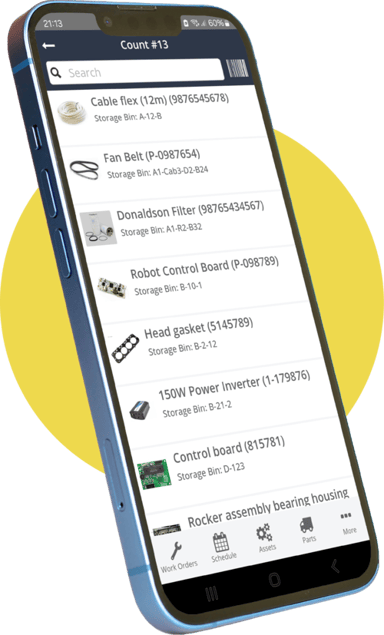
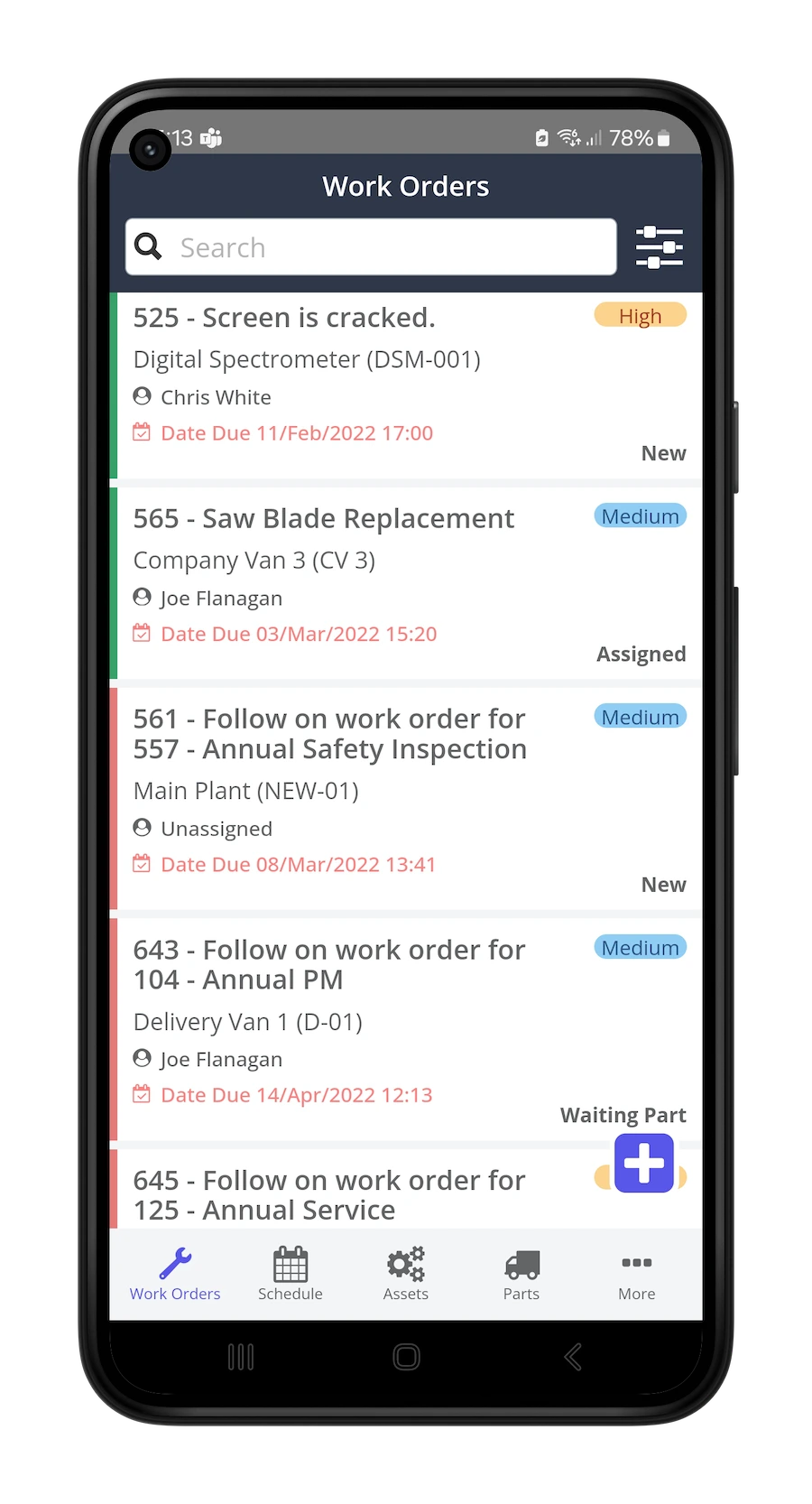
If technicians hate your CMMS app, your data will be garbage—no matter how smart the back end is. Multiple 2024–2025 CMMS trend reports call out “mobile-first” as a core expectation: native apps, QR/Barcode scanning, photo/video capture, and easy completion of work in a few taps.
Vendors highlight mobile access for field technicians as one of the most important differentiators, allowing techs to:
- Pull asset history and procedures for the asset
- Log labor and parts usage in real time
- Attach photos, vibration readings, or oil-analysis reports straight from their phones
- Adoption and data quality will rise or fall on the mobile UX.
- Pilots should always include real techs, on real jobs, with real gloves and poor connectivity.
4. IoT-Connected Assets and Maintenance 4.0
CMMS is increasingly the command center for IoT-enabled maintenance. Industry 4.0 and “Maintenance 4.0” guides describe a shift to sensor-driven, real-time asset monitoring, in which CMMS/EAM systems ingest data from vibration, temperature, power, and other sensors to automate condition-based maintenance.
Recent CMMS trend pieces specifically call out:
- IoT integration is a top trend, enabling automatic work orders when thresholds are exceeded.
- Wearables and mobile devices feed usage and safety information back into the CMMS.
- Maintenance strategies will move from calendar-based to condition-based for an increasing share of critical assets.
- Your CMMS data model (asset hierarchies, criticality, locations) must be clean enough to tie sensor streams to real equipment.
5. CMMS as the Hub of a Connected Maintenance Ecosystem
The “CMMS as digital logbook” era is over. It’s becoming the central nervous system for asset information. Analysts and CMMS vendors highlight a strong trend toward deeper integration with ERP, MES, BMS/CAFM, inventory, and even HR systems, so that maintenance isn’t an island but part of end-to-end operations. In parallel, the broader industrial asset management software market is growing quickly (projected to reach $17 billion by 2030), driven by the need to connect maintenance data with operations, energy, and financial performance.
What this means for you in 2026:
- You’ll care less about stand-alone CMMS features and more about how it plugs into your existing stack.
- Integration roadmaps (APIs, webhooks, native connectors) will be as important as the feature list.
- Single-source-of-truth conversations will move from PowerPoint to reality.
6. No-Code Workflows and Configurability
As maintenance processes get more complex, you can’t afford to open a ticket every time you want to tweak a workflow. Modern CMMS reviews increasingly highlight no-code or low-code workflow builders, allowing maintenance teams to design custom approval flows, notifications, checklists, and forms without writing scripts.
This echoes a broader software trend: no-code automation tools that let non-developers orchestrate processes across apps. CMMS vendors are bringing similar capabilities inside the maintenance platform, so you can:
- Automatically route certain failure codes to engineering.
- Trigger EHS workflows when specific incident types are logged.
- Customize PM checklists for different locations or regulatory regimes.
- It won’t bottleneck the maintenance process innovation.
- “Configurable without custom code” becomes a key buying criterion.
- Power users in maintenance will become internal workflow designers.
7. Sustainability, Energy, and ESG Built into CMMS
Sustainability is no longer just an energy manager problem—maintenance is squarely in the spotlight. Articles on CMMS and facility operations show how systems are being used to track energy consumption, emissions, and “green maintenance” practices, tying maintenance actions directly to ESG metrics.
Recent CMMS trend pieces explicitly list energy-efficient technologies and ESG compliance as key themes:
- Work orders and PMs tuned to minimize energy waste (e.g., HVAC optimization, compressed air leaks).
- Dashboards showing energy and carbon impact alongside downtime and cost.
- Maintenance KPIs will increasingly include energy, CO₂, and ESG-related metrics.
- CMMS data will feed sustainability reporting, not just maintenance reports.
- “Green maintenance” strategies (repair vs. replace, end-of-life planning) will be supported by CMMS analytics.
8. Faster Time-to-Value and ROI Pressure
With budgets tight, organizations expect CMMS investments to pay off fast. A 2025 Maintec conference recap notes that buyers evaluating or replacing CMMS platforms now expect clear, measurable ROI in months, not years—reduced unplanned downtime, improved asset life, and better scheduling are taken as basic requirements. Market forecasts show strong growth for CMMS, but that growth assumes tools deliver tangible results: fewer emergency repairs, better technician utilization, and more predictable operations.
What this means for you in 2026:
- Implementation approaches will shift to phased rollouts, with clear success metrics for each phase.
- Vendors will be pushed to offer pre-built templates (asset hierarchies, PM libraries, dashboards) for faster wins.
- Your internal business case will need to quantify benefits up front and show early progress.
Putting It All Together
If you’re planning a CMMS upgrade or new implementation in 2026, these trends translate into a simple checklist of questions:
- AI & analytics: How does the system use our data to recommend actions, not just store history?
- Cloud & mobile: Can our techs do 90% of their work from a phone?
- IoT & integrations: How easily can we connect sensors, ERP/MES, and facility systems?
- Config & workflows: Can we evolve our processes without a developer?
- Sustainability & ESG: Can we see energy and carbon impact alongside cost and downtime?
- ROI: What results should we expect in the first 6–12 months—and how will we measure them?