
Introduction: The Hidden Cost of Downtime in Tube and Wire Production
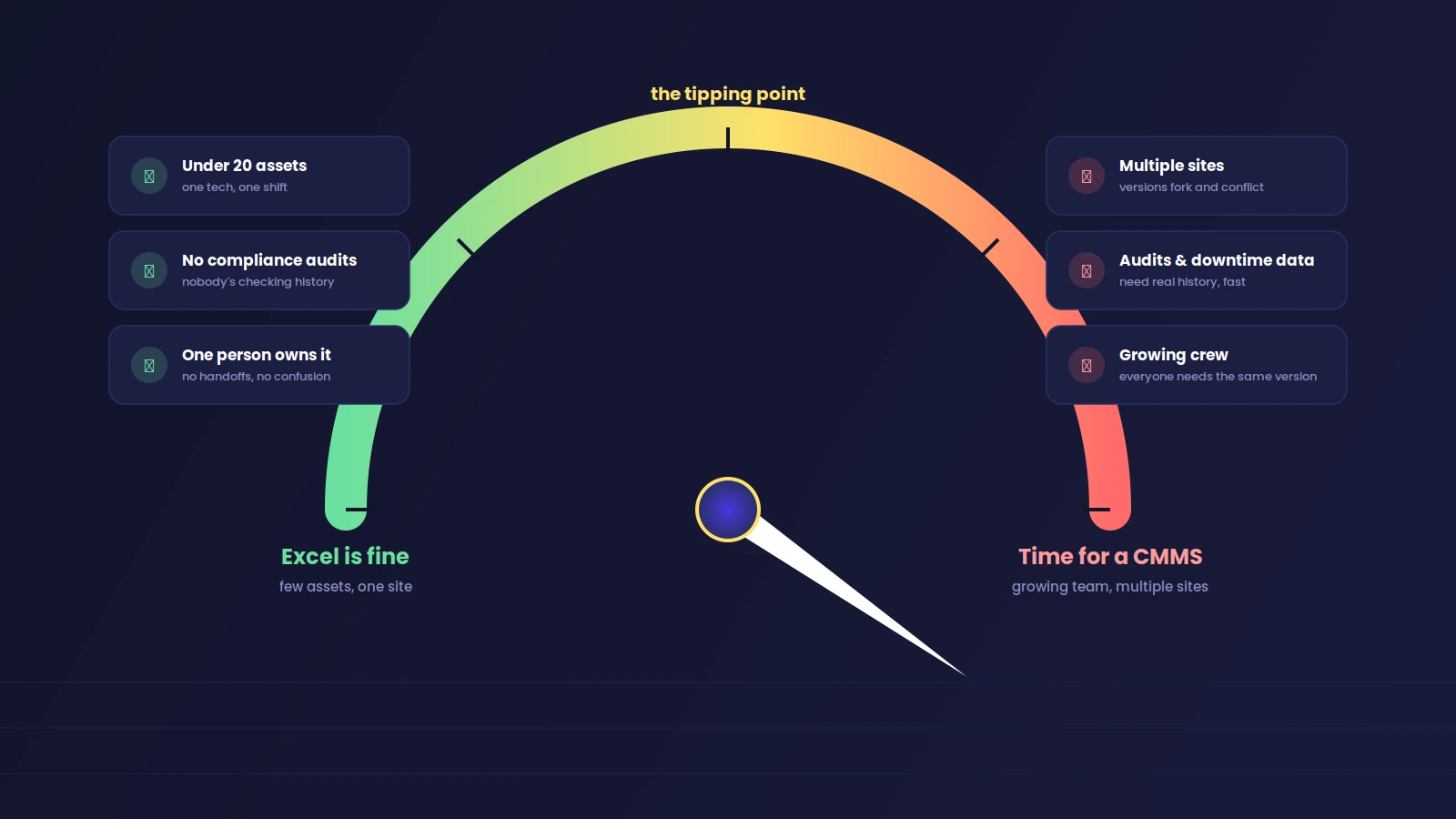
In 2026, unplanned downtime costs manufacturers up to $852 million weekly - and for tube and wire production companies, where every machine in the line is tightly interdependent, a single failure can cascade across the entire operation. Yet most facilities still manage their maintenance using spreadsheets, phone calls, or paper-based work orders.
A Computerized Maintenance Management System (CMMS) changes that. By centralizing work orders, automating preventive maintenance schedules, tracking spare parts, and generating real-time performance data, a CMMS gives tube and wire manufacturers the visibility and control they need to stay productive, compliant, and competitive. This article explains what a CMMS is, why it matters specifically for tube and wire production, and the concrete results companies are achieving in 2026.
What Is a CMMS?
A CMMS (Computerized Maintenance Management System) is software that helps maintenance teams plan, track, and manage all maintenance activities in one place. Core features include:
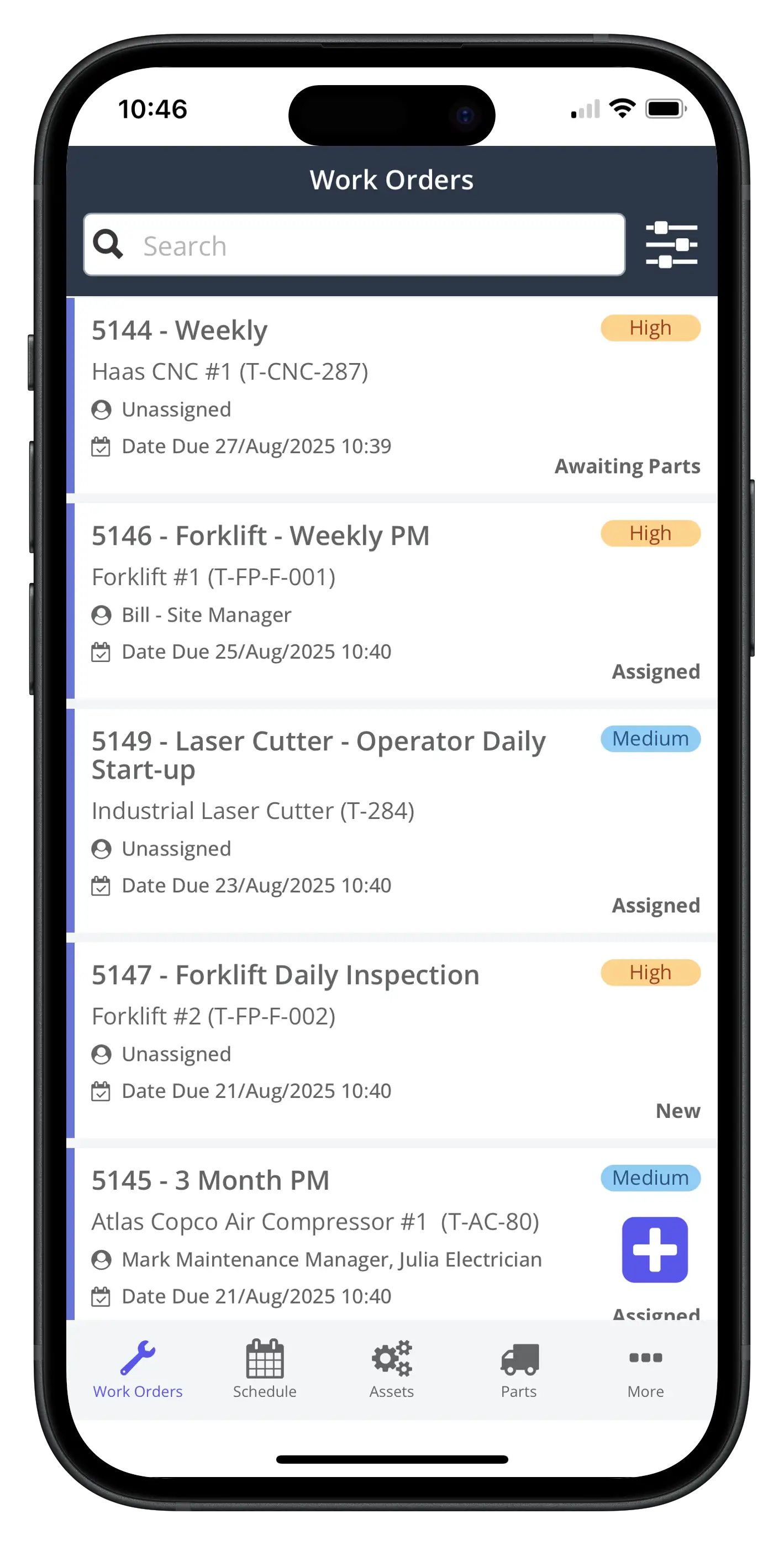
- Work order management - create, assign, and track every maintenance task
- Preventive maintenance (PM) scheduling - automate recurring inspections and service intervals
- Asset management - store full maintenance history, specifications, manuals and lifecycle data for each machine
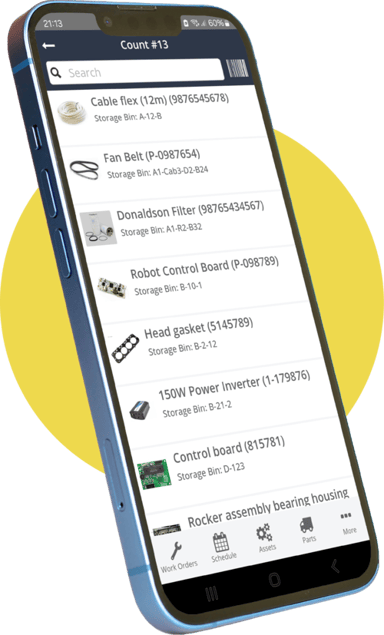
- Spare parts and inventory tracking - monitor stock levels and automate reorder alerts
- Reporting and analytics - track KPIs like MTBF and MTTR to drive continuous improvement
- Mobile access - enable technicians to log work and access procedures from the shop floor
Why Tube and Wire Manufacturers Need CMMS Software
Tube and wire production is one of the most equipment-intensive manufacturing environments. The process depends on a sequence of highly specialized machines - wire drawing equipment, tube mills, rolling mills, annealing furnaces, straighteners, coilers, and testing systems - that must operate in precise coordination.
When any single piece of equipment underperforms or fails, production slows or stops entirely. Add in tight tolerances, high-speed operations, and strict material quality requirements, and the margin for maintenance error is razor-thin.
Key challenges driving CMMS adoption in tube and wire manufacturing include:
1. Aging Equipment and Increasing Downtime Costs According to 2025–2026 industry data, 42% of facilities cite aging equipment as the leading cause of unplanned downtime, followed by mechanical failure at 21%. In tube and wire facilities - where many core machines have 20+ year operational lifespans - this risk is amplified. A CMMS enables teams to monitor equipment condition, flag deteriorating assets, and plan interventions before failures occur.
2. Reactive Maintenance Culture Despite the widespread availability of maintenance technology, most facilities still spend the majority of their time on unplanned, reactive maintenance - even when preventive maintenance is stated as the primary strategy. A CMMS bridges the gap between intent and execution by automating PM scheduling and sending alerts before tasks are missed.
3. Labor and Knowledge Gaps Across manufacturing, retiring technicians are taking decades of equipment knowledge with them. In 2026, capturing tribal knowledge and standardizing maintenance procedures is ranked as the top AI-assisted benefit by maintenance leaders - ahead of failure reduction. A CMMS serves as the institutional memory of your maintenance operation, documenting asset history, failure modes, and repair procedures that remain accessible regardless of staff turnover. 4. Safety and Compliance Requirements Tube and wire production environments carry significant safety risks - high-tension wire, pressurized tubing systems, and high-temperature annealing processes require rigorous maintenance compliance. A CMMS tracks inspection records, generates audit-ready documentation, and ensures safety-critical tasks are never skipped.
The Business Case: CMMS ROI in 2026
The numbers supporting CMMS adoption are compelling. Organizations that implement CMMS software report:
- 25–40% reduction in maintenance costs
- 27% reduction in equipment downtime
- 28% increase in maintenance productivity
- 20% extension in equipment lifespan
- 300–500% ROI within 18–24 months
5 Ways a CMMS Improves Tube and Wire Manufacturing Operations
1. Preventive Maintenance Scheduling for Critical Equipment Wire drawing machines, tube mills, and annealing furnaces operate under intense mechanical and thermal stress. A CMMS automates maintenance schedules based on run hours, production cycles, or calendar intervals - ensuring that dies are inspected, lubricants are changed, and heating elements are calibrated on time, every time.
When PMs are completed consistently, you reduce catastrophic breakdowns, extend equipment life by up to 20%, and keep production running on schedule.
2. Work Order Management Across the Facility Without a CMMS, maintenance requests in a busy tube and wire facility can fall through the cracks - communicated verbally, written on sticky notes, or buried in an email chain. A CMMS provides a structured work order system where every request is logged, prioritized, assigned, and tracked to completion.
Maintenance supervisors get full visibility into what's open, what's overdue, and where technician capacity is being used - enabling smarter scheduling and faster response times.
3. Spare Parts Inventory and Procurement Tube and wire production relies on a range of specialized consumables - drawing dies, bearings, seals, electrical components, and tooling. Stockouts cause downtime; overstocking ties up working capital. A CMMS tracks parts usage in real time, sets reorder points, and links parts directly to the assets and work orders they support.
This visibility eliminates emergency orders, reduces excess inventory, and ensures critical components are always on hand when needed.
4. Asset History and Failure Pattern Analysis Every repair, inspection, and PM performed on a machine is logged in the CMMS, creating a complete history tied to that asset. Over time, this data reveals patterns - which machines fail most frequently, what conditions precede failures, and which maintenance actions deliver the best results.
In 2026, leading manufacturers are using this data to move from time-based preventive maintenance to condition-based and predictive maintenance - using sensor data and CMMS analytics to predict failures weeks before they occur.
5. Worker Safety and Compliance Documentation Tube and wire environments require strict adherence to safety protocols around wire tension, pressure systems, and high-temperature processes. A CMMS enforces safety checklists, tracks hazardous area inspections, and stores all compliance records in a single auditable system.
When a safety audit or incident review occurs, documentation is immediately available - protecting both your workers and your business.
What to Look for in a CMMS for Tube and Wire Manufacturing
Not all CMMS software is built for manufacturing environments. When evaluating options for a tube and wire facility, prioritize:
- Ease of use - if technicians don't adopt the system, the ROI disappears. Look for intuitive interfaces and strong mobile capability.
- Asset hierarchy support - the ability to organize equipment by line, cell, and individual machine for clear accountability and reporting.
- PM automation - flexible scheduling by time, meter, or usage to match the variety of maintenance intervals across your equipment.
- Work request portal - so operators on the floor can submit issues without needing full CMMS access.
- Inventory management - integrated parts tracking tied to assets and work orders.
- Reporting and KPIs - dashboards for downtime, PM compliance, MTTR, and maintenance cost per production hour.
- Implementation support - especially important for teams moving off spreadsheets for the first time.
Getting Started: How Tube and Wire Companies Implement CMMS Successfully
The companies that see the fastest ROI from a CMMS follow a clear implementation approach:
- Start with asset data. Build out your equipment list with basic specs, location, and criticality ratings. Even a partial asset list is far better than none.
- Migrate or create PMs. Convert existing maintenance schedules into the CMMS, starting with your highest-criticality equipment.
- Train your team. Technician adoption is the single biggest predictor of CMMS success. Invest in onboarding and make system use a standard part of every shift.
- Standardize work orders. Get all maintenance requests - from operators and supervisors alike - flowing through the CMMS, not via text messages or paper.
- Review and improve. Use monthly reporting to identify gaps, high-failure assets, and maintenance backlogs. Let data guide your continuous improvement.
Frequently Asked Questions: CMMS for Tube and Wire Manufacturers
What is a CMMS? A CMMS (Computerized Maintenance Management System) is software that centralizes maintenance management - including work orders, preventive maintenance schedules, asset records, and spare parts inventory - in a single platform accessible to your entire maintenance team.
How does a CMMS reduce downtime in tube and wire production? A CMMS reduces downtime by ensuring preventive maintenance is completed on schedule, giving technicians immediate access to asset history and repair procedures, and enabling faster work order response times. Companies using CMMS software report an average 27% reduction in equipment downtime.
How long does it take to see ROI from a CMMS? Most manufacturers achieve 300–500% ROI within 18–24 months of CMMS implementation, with early gains in PM compliance and parts cost reduction often visible within the first 90 days.
Is CMMS software only for large manufacturers? No. CMMS platforms like Zoidii are specifically designed for small to mid-size manufacturers - including tube and wire operations - that are transitioning off pen, paper, and spreadsheets for the first time. Can a CMMS help with safety compliance in tube and wire facilities? Yes. A CMMS tracks inspection records, enforces safety checklists, and stores all compliance documentation in a centralized, audit-ready system - making it easier to demonstrate regulatory compliance and protect worker safety.
Conclusion: CMMS Is the Maintenance Foundation Tube and Wire Manufacturers Need in 2026
The tube and wire industry is navigating a demanding environment in 2026 - aging equipment, skilled labor shortages, tighter tolerances, and rising cost pressure. In this landscape, reactive maintenance is not just inefficient; it's a competitive liability.
A CMMS gives tube and wire manufacturers the foundation to work smarter: automating preventive maintenance, organizing work orders, managing spare parts, and turning maintenance data into decisions that protect uptime and extend asset life.
The ROI is measurable, the implementation path is clear, and the cost of inaction - in downtime, in labor waste, and in avoidable failures - grows with every passing month.
Ready to see what a CMMS can do for your tube and wire operation? Start a free trial with Zoidii today.