
Elevator downtime creates major headaches for building owners, facility managers, and property operators. In 2026, with rapid urbanization and aging elevator fleets, effective elevator maintenance is more critical than ever for safety, compliance, and tenant satisfaction.
The global elevator maintenance market is valued at approximately USD 41.7 billion in 2026, projected to grow at a CAGR of 6.1% through 2033, driven by smart technologies, predictive maintenance, and stricter safety regulations.
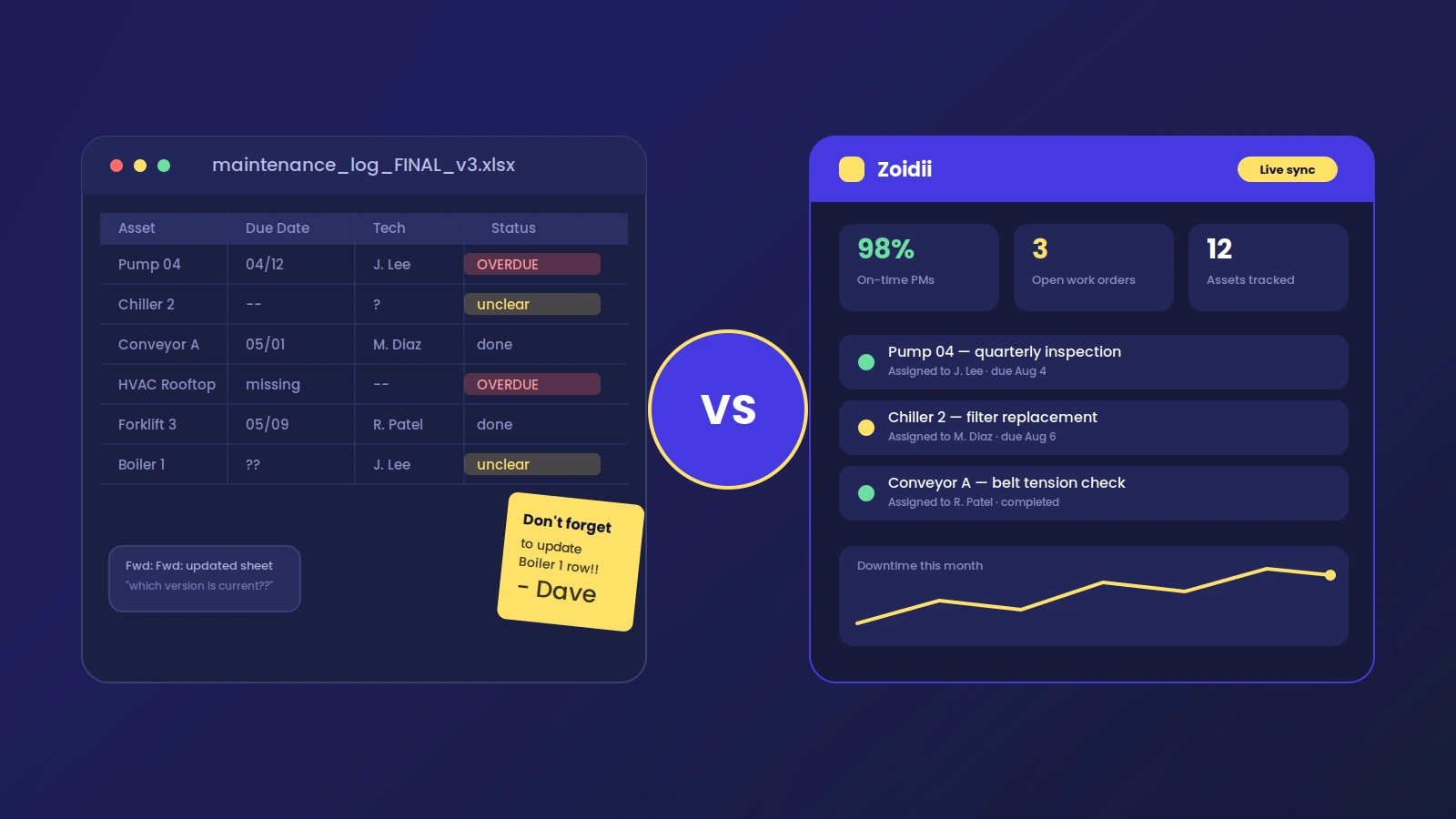
Modern Computerized Maintenance Management Systems (CMMS) are transforming how teams handle elevator maintenance - shifting from reactive fixes to proactive, data-driven strategies that reduce downtime and control costs. Here’s everything you need to know about elevator maintenance in 2026, plus how the right CMMS delivers superior results.
Why Elevator Maintenance Matters in 2026
Elevators are high-traffic assets that directly impact building safety, accessibility, and reputation. Failures lead to tenant complaints, lost productivity, and potential liability.
Key Statistics (2026):
- Elevator downtime in commercial buildings can cost $5,000–$10,000+ per hour in lost revenue, productivity, and tenant impact.
- Regular maintenance extends asset life, ensures code compliance, and prevents costly emergency repairs.
Types of Elevator Maintenance
1. Preventive Maintenance (Scheduled): Routine inspections, lubrication, cleaning, and minor adjustments are performed on a calendar or usage basis.
2. Predictive Maintenance (Condition-Based): Uses IoT sensors and data analytics to monitor performance and predict failures before they occur.
3. Corrective / Reactive Maintenance: Repairs after a breakdown - the most expensive and disruptive approach. 4. Modernization & Upgrades: Updating controls, drives, and safety systems to meet current standards and improve efficiency.
CMMS Impact: Advanced platforms automate scheduling, track every task, and enable predictive monitoring through IoT integration.
Essential Components of an Effective Elevator Maintenance Program
- Daily/Weekly Visual Inspections - Check doors, buttons, lighting, and emergency features.
- Monthly/Quarterly Detailed Service - Lubrication, electrical checks, and safety device testing.
- Annual Comprehensive Inspections - Full system evaluation, load testing, and certification.
- Emergency Response Protocols - Rapid response plans for entrapments or malfunctions.
- Documentation & Compliance - Detailed records for regulatory audits (ASME A17.1, local codes).
Common Elevator Problems & How CMMS Helps Prevent Them
- Door malfunctions
- Power & electrical issues
- Worn cables, sheaves, and brakes
- Sensor and control system failures
- Hydraulic leaks (in older systems)
How CMMS Transforms Elevator Maintenance in 2026
Here’s why forward-thinking property managers rely on CMMS software for elevators:
1. Automated Scheduling & Reminders - Never miss a required inspection or service interval.
2. Real-Time IoT Monitoring - Track vibration, temperature, usage, and performance 24/7.
3. Centralized Asset Records - Full maintenance history, parts inventory, and technician notes at your fingertips.
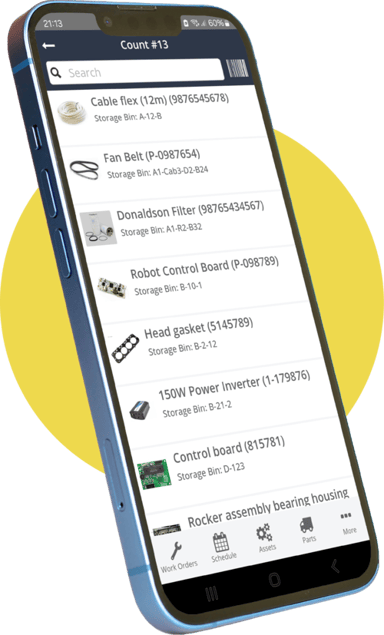
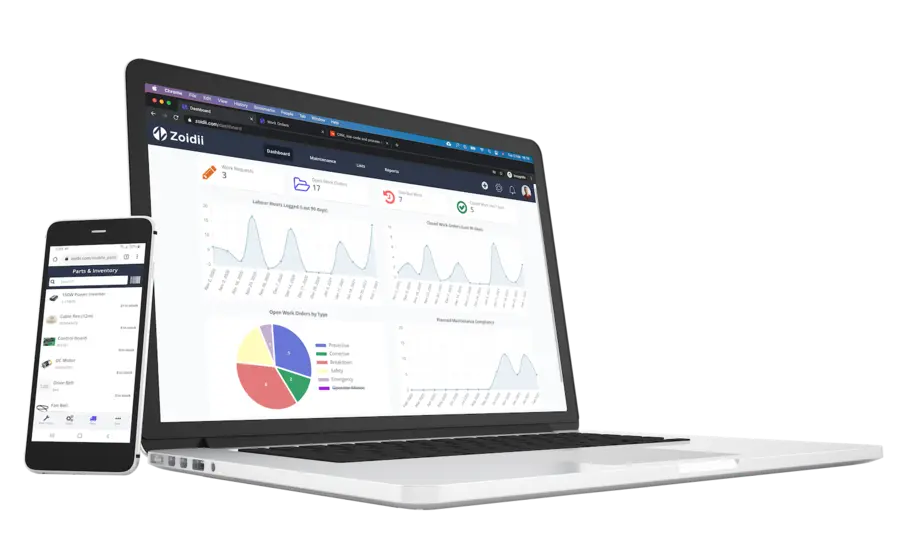
4. Mobile Access for Technicians - Complete tasks on-site with guided procedures and instant reporting.
5. Compliance & Reporting - Generate audit-ready reports instantly for inspectors and stakeholders.
6. Cost Control - Optimize spare parts inventory and reduce unnecessary service calls.
Organizations using CMMS for elevator fleets typically see 30-50% reductions in unplanned downtime and significant savings on repair costs.
Best Practices for Elevator Maintenance Success
- Partner with qualified, certified technicians
- Maintain detailed digital records
- Invest in technician training and safety protocols
- Leverage predictive technologies and CMMS
- Plan for modernization before major failures occur
Ready to Modernize Your Elevator Maintenance?
Don’t let outdated processes put safety or operations at risk. A dedicated CMMS platform like Zoidii helps property managers and maintenance teams streamline elevator maintenance, ensure compliance, reduce costs, and maximize uptime. Explore Zoidii’s elevator maintenance features or book a demo today to see how data-driven CMMS can transform your vertical transportation reliability.