
Key Takeaways:
- Clear definitions and response protocols help to prioritize work requests in an effective manner.
- True emergencies impact life safety, critical operations, or cause significant damage.
- Non-emergencies, while important, can often be scheduled without immediate disruption.
- Effective communication and triage systems reduce resource strain and improve team productivity.
Facility Managers handle a constant flow of work requests. These can range from flickering lights to major water leaks. When things seem urgent, it’s key to distinguish between a real emergency and a regular maintenance issue. Doing so helps with operational efficiency, safety, cost control, and team morale.
How do you decide what needs immediate action and what can wait? Let's break down the types of requests facilities teams get. We’ll look at how to sort them and share tips for managing them well.
Defining an Emergency in Facility Management
An emergency is any event that poses an urgent threat to life, health, safety, security, or essential services. Emergencies typically demand a response that ranges from minutes to an hour.
Common Examples of Emergencies:
- Fire or smoke (even if the source is unclear)
- Active flooding or burst pipes
- Power outages in critical systems or facilities
- Elevator entrapments
- HVAC failure in temperature-sensitive environments (e.g., server rooms, laboratories)
- Gas leaks or strong chemical smells
- Broken access control systems impacting security
- Injury or loss of life
- Severe operational downtime
- Property damage
- Legal or compliance issues
Non-Emergencies: Still Important, But Not Immediate
Non-emergencies refer to maintenance requests or issues that don’t pose a threat to life, property, or key operations. These items are still relevant and need attention. Yet, they can often be scheduled during regular business hours or a planned maintenance window.
Examples of Non-Emergencies:
- A single flickering light or a non-functioning outlet in a non-essential area
- Routine HVAC maintenance
- Carpet stains or minor cosmetic damage
- Loose doorknob or squeaky door
- Scheduled equipment inspections
- Restroom supplies replenishment (unless in critical shortage)
Why Mislabeling Requests as Emergencies Hurts Everyone
When every request is marked “URGENT,” none are urgent.
Calling routine issues emergencies uses up resources, leads to backlogs, and tires out facility staff. Over time, this leads to:
- Slower response times to actual emergencies.
- Misallocation of labor and overtime costs.
- Frustration among employees and tenants.
- Missed preventive maintenance tasks.
Establishing Clear Response Categories
To manage the amount and kind of work requests, most facility departments find tiered response levels helpful:

Having clear categories for everyone involved helps set realistic expectations. It also makes sure that the right issues get the attention they need.
Communication is Everything
Tenants, employees, or department heads often send requests. They usually don’t have the technical background to label the issue correctly. That’s why your intake process matters.
Best Practices:
- Use structured work request forms. Include required fields like observed issue, urgency, and affected equipment.
- Provide real-time status updates and estimated response times.
- Educate requesters with a priority matrix cheat sheet.
Training Your Team to Triage
Your technicians and front-line staff need training. They must learn to assess and escalate requests. A 10-minute walkthrough of a water leak might save thousands in water damage if they know what to look for.
Include in Your Training:
- How to identify emergency vs. non-emergency scenarios.
- Escalation paths and after-hours procedures.
- How to communicate with requesters in a respectful and clear manner.
- When and how to involve vendors or specialists.
Leveraging Technology for Smarter Request Management
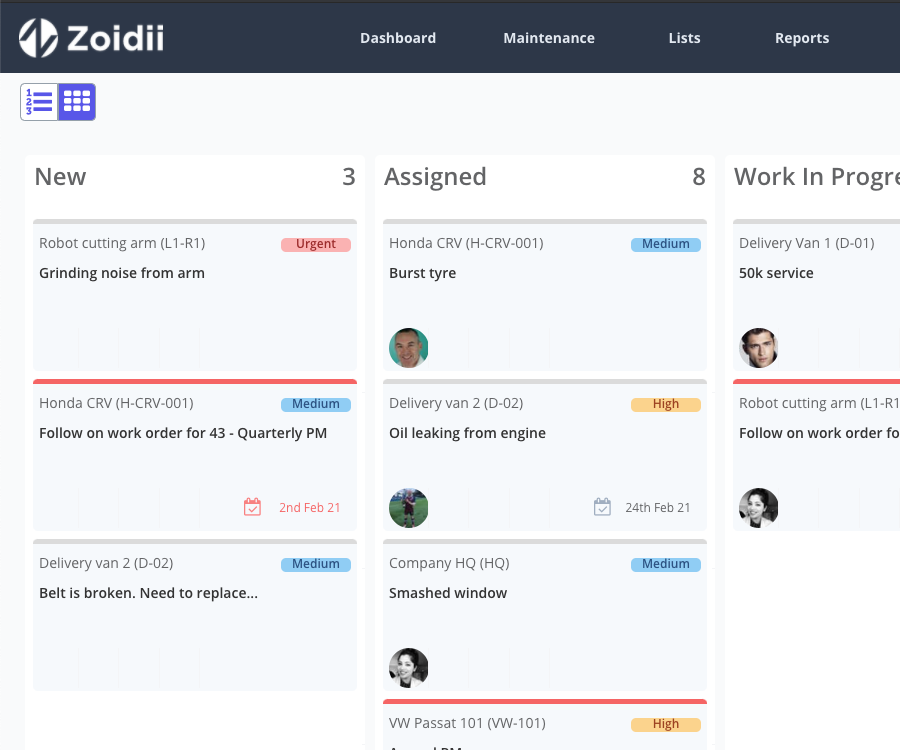
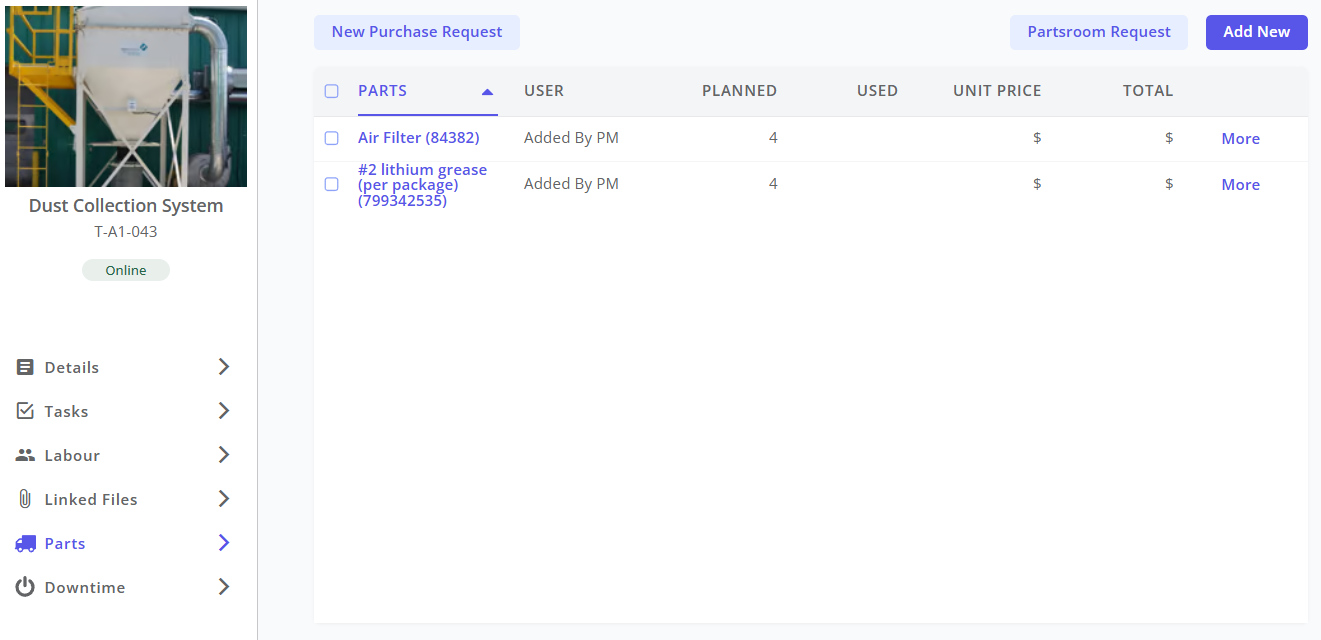
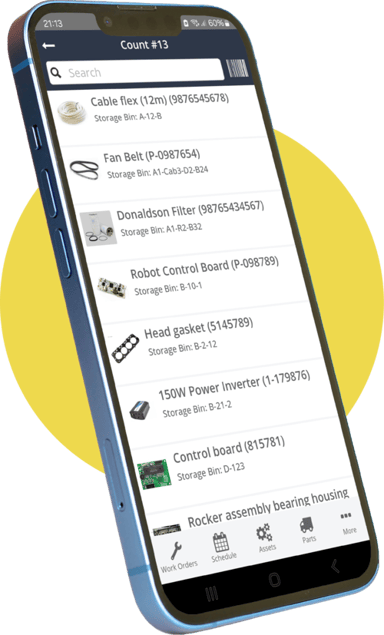
Modern Computerized Maintenance Management Systems (CMMS) allow for:
- Categorizing and tagging requests.
- The ability to route tickets based on priority.
- Tracking KPIs and response times.
- Managing preventive maintenance schedules.

Emergency Preparedness Plans
Finally, facilities managers should ensure that emergency protocols are written, shared, and practiced. This includes:
- Contact lists for after-hours emergencies.
- Vendor escalation plans (e.g., plumbing, electrical, fire safety).
- Pre-assigned team roles during various emergency scenarios.
- Maps of emergency shutoffs and escape routes.
Recap
Facilities Managers are the front line of safety, comfort, and business continuity. When emergencies and non-emergencies aren’t clearly defined, the job gets chaotic and inefficient. Set priorities, inform stakeholders, and use technology.
This way, you can simplify workflows, lower stress, and ensure safety and productivity for both your buildings and people.