
Knowing the real cost of preventive maintenance can save you thousands in unexpected repairs and downtime. The real value isn’t found in what you spend on parts and labor, it’s in what you save by preventing catastrophic failures, production losses, and safety incidents.
You’ll learn practical insights into preventive maintenance expenses, what drives them, and proven strategies to optimize your budget using Zoidii CMMS so that you can turn maintenance from a cost center into a value driver.
Defining Preventive Maintenance and Its Value
Preventive maintenance (PM) includes all scheduled tasks performed to keep equipment in top working condition. This covers routine inspections, cleaning, lubrication, adjustments, and part replacements.
The goal is simple: to identify and fix minor issues before they become significant problems. Staying ahead of equipment degradation protects your uptime, enhances workplace safety, and maintains consistent output.
The cost of planned upkeep is a fraction of the expense tied to sudden breakdowns, which can stop production for hours or even days.
Proactive vs. Reactive Spending
Investing in proactive upkeep is fundamentally different from spending on reactive repairs. Reactive maintenance occurs when a machine fails unexpectedly, requiring you to scramble for technicians and parts, often at premium rates. This approach leads to unpredictable costs, extended downtime, and lost revenue.
In contrast, preventive maintenance is a planned investment. You schedule tasks at convenient times, order parts in advance, and control labor costs. This strategic spending reduces emergency repairs, minimizes operational disruptions, and delivers significant long-term savings.
Extending Equipment Life
Regular maintenance is one of the most reliable ways to extend the life of your assets. Just like routine oil changes keep a car running for years, scheduled PM tasks protect your machinery from premature wear and tear.
Catching and addressing minor issues prevents the cumulative damage that leads to major component failure and costly replacements. This approach lowers the total lifecycle cost of your equipment, helping you get a better return on your capital investments and delay large expenditures.
Factors That Influence Preventive Maintenance Costs
The cost of a preventive maintenance program isn't a single number. It varies based on several factors unique to your operations, from the type of equipment you run to the size of your team.
Identifying these variables is the first step toward building an accurate and manageable budget for your manufacturing facility, industrial plant, or commercial property.
- Labor & Technician Time - Hourly wages, overtime, and scheduling all add up; skilled technicians finish jobs faster and with fewer mistakes.
- Parts, Tools & Consumables - Prices for replacement parts, special tools, lubricants, and filters can fluctuate, so smart forecasting is key.
- Equipment Complexity & Age - Newer, simpler machines require only basic checkups, whereas older or high-tech assets demand more frequent servicing and part swaps.
- Task Frequency - Frequent inspections waste labor and materials, while infrequent checks risk failures. Striking the right balance cuts costs and reduces breakdown risk.
Budget 1–3% of Asset Value and Save 80% on Breakdowns
While exact figures vary by industry and asset type, businesses can expect to budget between 1% and 3% of a machine’s total replacement asset value (RAV) for annual preventive maintenance.
Another common benchmark suggests that PM should account for at least 80% of all maintenance activities, with reactive repairs making up the remaining 20%.
These figures provide a starting point, but the actual cost becomes clearer when you differentiate between direct and indirect expenses.
Direct vs. Indirect Costs
Direct costs are the visible expenses you see on a budget sheet. These include:
- Technician labor and overtime
- Replacement parts and materials
- Tools and diagnostic equipment
- Contractor fees for specialized work
A well-run PM program dramatically reduces these indirect costs, delivering a significant return on investment.
Standardized Operating Procedures
Consistency is a powerful tool for controlling costs. When every technician follows the same process for a specific task, the results are predictable and reliable.
Standardized operating procedures (SOPs) and Maintenance Checklists ensure that no steps are missed and that every job is completed to the same high standard.
This consistency reduces human error, minimizes rework, and makes it easier to forecast the time and materials needed for each job, giving you tight control over your budget.
Strategies to Manage and Reduce Preventive Maintenance Costs
Optimizing your preventive maintenance budget isn’t about cutting corners; it’s about working smarter. Implementing targeted strategies allows maintenance managers and business owners to reduce waste, improve efficiency, and get the most value from every dollar spent on upkeep.
These methods help you focus your resources where they matter most:
Prioritizing Critical Assets
Not all equipment is created equal. Some assets are vital to your production process, and their failure would bring operations to a grinding halt. Others are less important.
A smart strategy is to perform a criticality analysis to identify which machines pose the highest risk. Focusing your PM resources on these high-priority assets helps you prevent the most disruptive and expensive failures, ensuring your budget is allocated for maximum impact.
Making the Most of Maintenance Data
Your maintenance history is a goldmine of information. Tracking metrics like mean time between failures (MTBF), repair costs, and downtime causes lets you identify trends and patterns.
This data helps you spot underperforming assets that may need more attention or equipment that is being over-serviced. Making data-driven decisions with analytics allows you to refine your PM schedules and allocate resources more intelligently.
Training and Accountability
A well-trained maintenance team is an efficient one. When technicians have the right skills and knowledge, they can diagnose issues faster and perform repairs correctly the first time. Ongoing training reduces errors, prevents rework, and improves overall productivity.
Pairing this with clear SOPs and a system of accountability ensures that everyone knows their responsibilities and performs to a consistent standard, which directly translates to lower labor costs.
Streamlining Parts Management
A poor parts management system leads to wasted time and money. Technicians can waste hours searching for a needed part, or you may have to pay for expedited shipping to get a component for a critical repair. At the same time, holding too much inventory ties up cash.
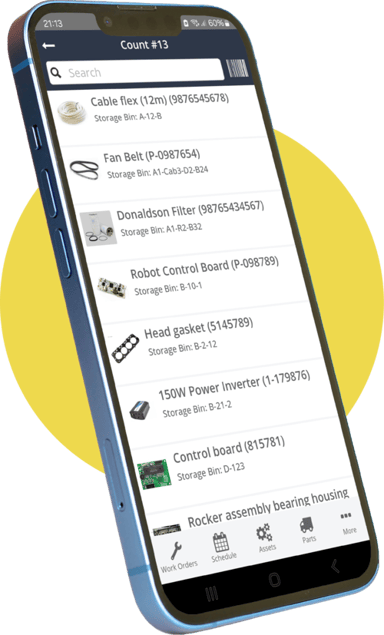
A digital inventory control system helps you strike the right balance. It provides real-time visibility into stock levels, automates reorder points, and ensures you have what you need without overstocking.
How CMMS Software Optimizes Preventive Maintenance Expenses
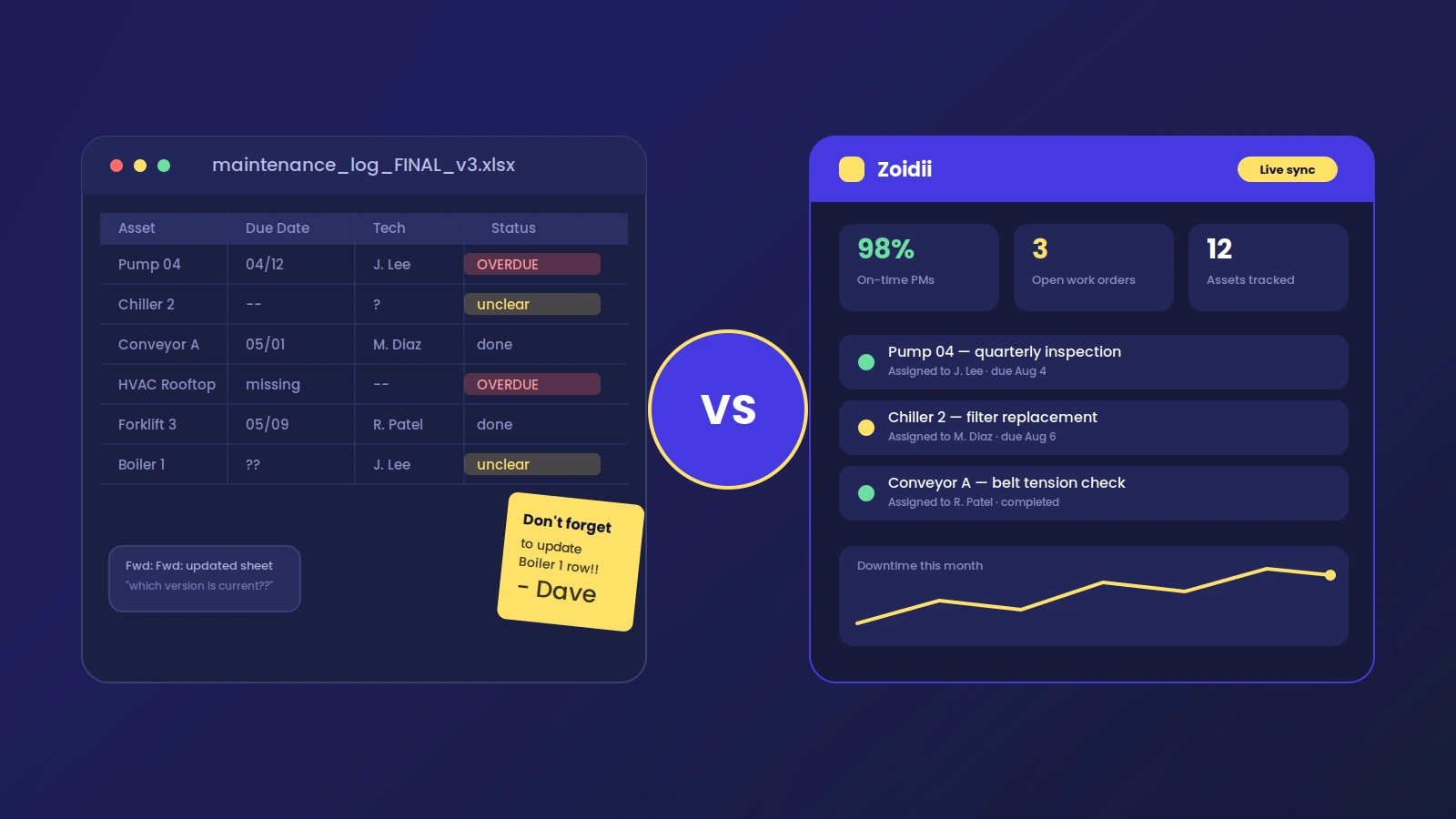
A modern Computerized Maintenance Management System (CMMS) is the engine that drives a cost-effective PM program. Digital tools like Zoidii replace messy spreadsheets and paper binders with a streamlined, automated system.
This gives you the visibility and control needed to reduce expenses while boosting equipment reliability and team productivity.
Automating Scheduling and Work Orders
Our automated scheduling module generates recurring work orders based on time, usage, or meter readings, allowing you to eliminate missed tasks and free up hours of manual planning.
Real-Time Reporting and ROI Tracking
Our live dashboards display KPIs like PM compliance, maintenance backlog, and total maintenance costs so you can spot savings opportunities and prove your program’s impact to leadership.
Mobile Access for On-the-Go Teams
Maintenance work doesn't happen behind a desk. A Mobile CMMS allows your technicians to be productive from anywhere in your facility. They can receive work orders, access asset histories, look up manuals, and close out jobs directly from their smartphone or tablet.
This eliminates trips back to the office for paperwork, reduces data entry errors, and provides managers with instant updates on work progress.
Cut Preventive Maintenance Costs Today
Moving from a reactive to a proactive maintenance strategy is one of the best investments you can make in your business.
With the right tools and processes, you can reduce downtime, extend asset life, and gain complete control over your maintenance budget. Zoidii is here to help you make that transition simple and successful.
Book Your Free Zoidii Tour
See for yourself how Zoidii can help you manage and reduce your maintenance expenses. Book a Tour with one of our product experts for a personalized demonstration tailored to your specific operational needs and goals.
See Customer Success Stories
Explore our Customer Success Stories to see how businesses in manufacturing, facilities management, and other industries use Zoidii to streamline their maintenance and achieve impressive results.
Connect With Zoidii’s Support Team
Have more questions about implementing a CMMS or optimizing your PM program? Our team is ready to help. Contact Us today for expert advice and support.