
Suppose your maintenance team is constantly hunting for parts, borrowing from one machine to fix another, or discovering you own three of the same expensive motor because no one realized they were already on the shelf. In that case, it might be time for a parts cage.
A parts cage is more than a locked room full of shelves. Done well, it’s a controlled environment where your most important spare parts are stored, tracked, and issued consistently and repeatably. It gives you visibility into what you have, where it is, and how it’s being used. And that, in turn, lets you reduce downtime, cut waste, and run maintenance more like a business and less like a rescue squad.
This article walks through what you need to know to implement a parts cage from scratch: why it matters, how to design it, what processes you need, and how to avoid the most common traps. a parts cage. It helps Maintenance Managers determine whether this method is right for their organization.
What a Parts Cage Actually Is (And Isn’t)
At its simplest, a parts cage is a secured area where maintenance-related spare parts and materials are stored. It can be a fenced section of a warehouse, a locked room near the shop, or a dedicated space inside the plant. The common denominators are controlled access, defined processes, and a clear scope.
It is not just any storage area with a padlock. A true parts cage has:
- A defined inventory: you know exactly what is supposed to be there.
- Standard locations: parts have home addresses, not just “somewhere on that shelf.”
- Clear rules for receiving, labeling, issuing, and counting items.
- Basic data about each part: description, part number, where it’s used, and how many you want to keep.
Signs You’re Ready for a Parts Cage
Not every facility needs a formal parts cage on day one, but certain symptoms are strong signals that it’s time.
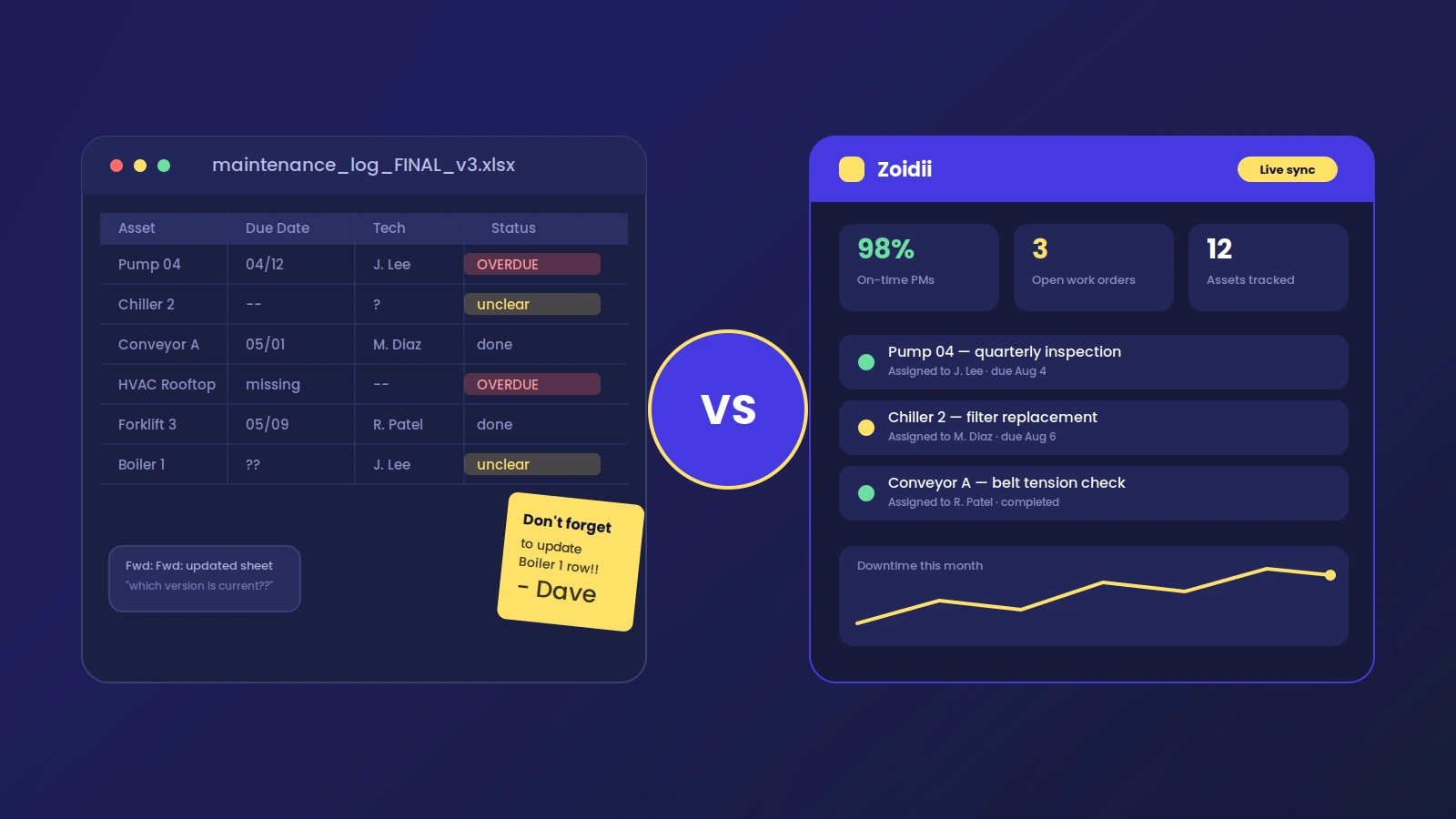
If your technicians routinely lose time walking around searching for parts, if the same items are purchased repeatedly because no one knows what’s in stock, if you see “creative” storage (bearings in desk drawers, belts on top of machines, lubricants hidden behind panels), or if expensive parts are going missing or getting damaged because they’re not protected, those are all classic indicators.
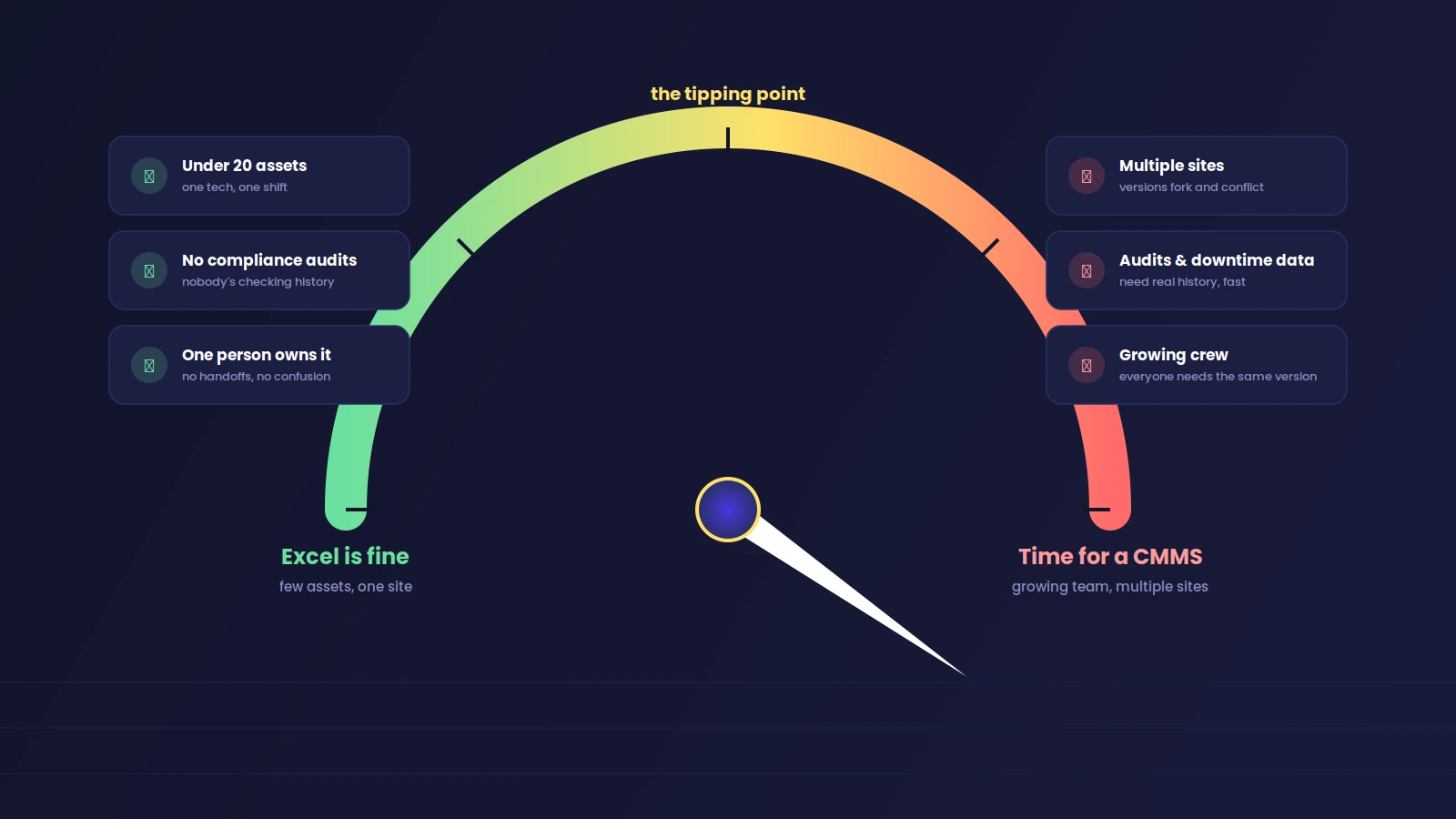
Another sign is growth. As plants add equipment, lines, and locations, the old “small cabinet with a few spares” model doesn’t scale. A parts cage provides the structure needed to handle more assets and more complexity without sacrificing control. Finally, compliance or audit requirements sometimes push the issue to the forefront. If you’re in a regulated environment or have strict quality or safety standards, proving that you store and handle certain critical parts in a controlled manner becomes important.
Choosing the Right Location and Layout
Where you put your parts cage matters more than people think. If it’s too far from where work is done, technicians will avoid it and take shortcuts. If it’s in the middle of a traffic bottleneck, it becomes a daily frustration.
Ideally, the cage is centrally located to the maintenance shop and to the main production or facility areas you support. It doesn’t have to be perfect for every user, but it should minimize total walking time. If you have multiple buildings or a sprawling site, sometimes the right answer is one main cage plus a few smaller satellite locations for fast-moving essentials.
When laying out the space, treat it like a small warehouse. You’ll want wide enough aisles to move safely, shelves sized to the types of parts you carry, and some open space for receiving and staging. Group parts logically: by category (bearings, belts, motors), by equipment area, or by some combination that makes sense for how your team thinks and works. Consistency is more important than the specific system you choose. Plan for growth. Most parts cages fill up faster than expected. Leave room for future shelves or additional bins. Think about environmental conditions as well. Sensitive electronics, lubricants, and seals may need temperature control, clean storage, or protection from light and dust.
Defining Access and Security
The word “cage” implies security, and for good reason. Uncontrolled access leads to missing parts, mysterious stockouts, and inaccurate records. But don’t confuse “secured” with “impenetrable.” You still need to make it practical for people to get what they need to do their jobs.
Decide who should have direct access to the cage itself. In many organizations, only storeroom or parts attendants can freely enter; technicians request or sign out parts through them. In smaller operations, trusted technicians may have keys or badge access, with the expectation that they log what they take. The right model depends on your staffing and culture, but in all cases, you need a way to know who is responsible for what leaves the cage.
Locking mechanisms can range from simple keys to badge readers, code locks, and even more sophisticated access control systems. Cameras are sometimes used not to “spy” on staff, but to help investigate discrepancies and reinforce accountability. Whatever method you choose, make sure it’s robust and easy to manage; losing track of keys or having constant access problems erodes confidence in the system. The goal isn’t to create a sense of mistrust. It’s to protect the company’s investment in inventory, reduce shrinkage, and ensure that when someone needs a critical part, it’s actually there.
Building a Solid Parts Database
A cage full of unlabeled bins is just organized chaos. The real value comes from having a clean, usable database of parts information, preferably in your CMMS.
Start by deciding on standard naming conventions and part numbering. A good part description is specific enough that a technician can tell what it is at a glance, but not so verbose as to be unreadable. For example, “Bearing, Ball, 6205-2RS, 25mm ID” is far better than “Bearing” or “6205.”
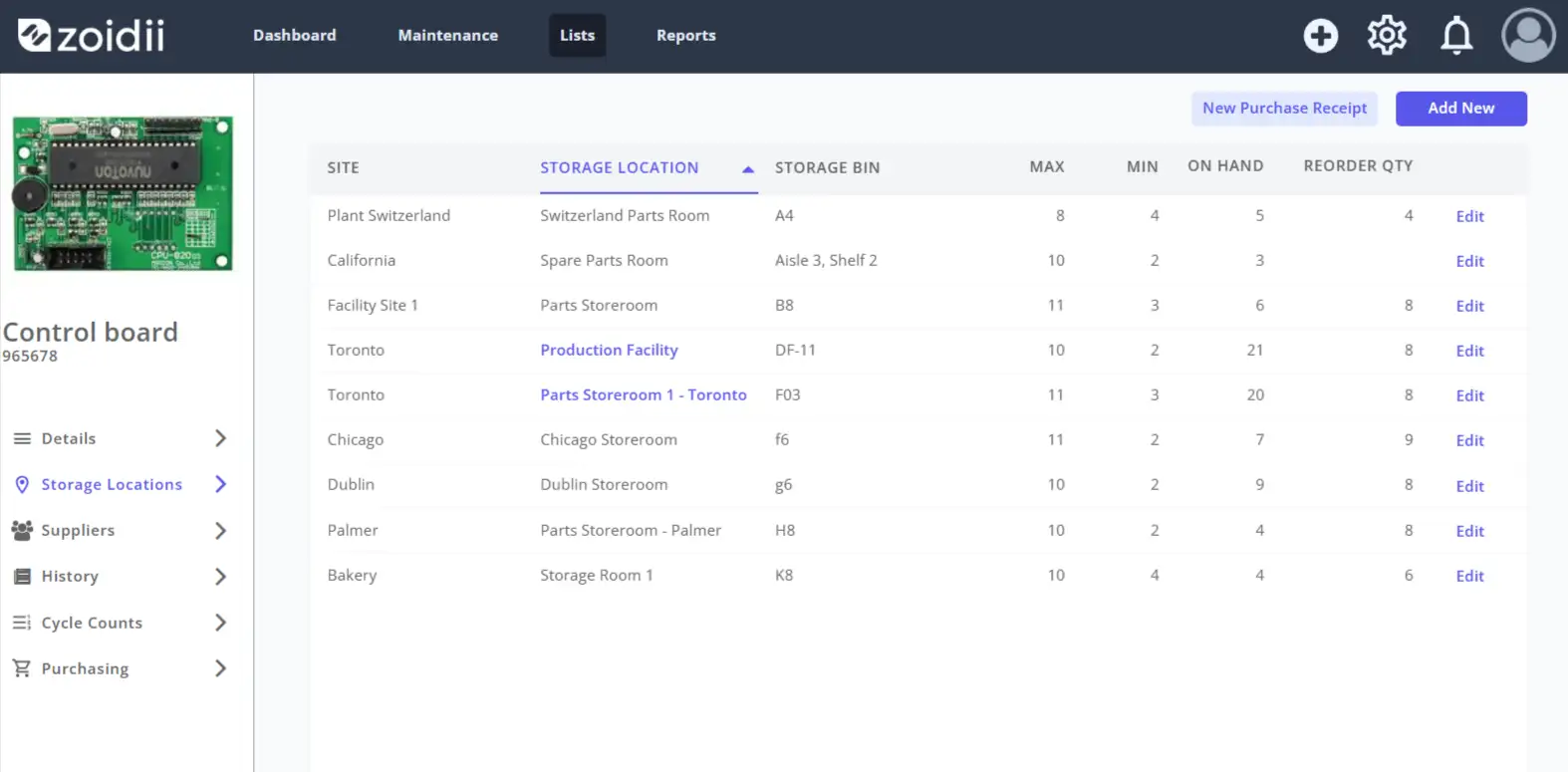
For each part, capture at least a description, internal part number, manufacturer, manufacturer part number, where it’s used (assets or asset classes), unit of measure, storage location (aisle, bay, shelf, bin), and preferred vendor. Over time, you can add more details, such as lead time, price, and criticality.
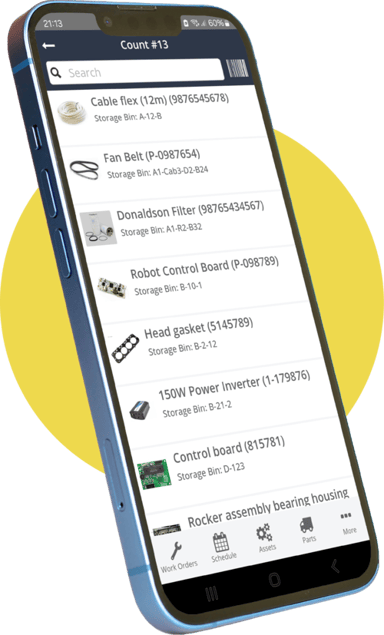
Label everything. Shelves, bins, and boxes should all have location codes tied to the system. QR codes are a huge help if you plan to use mobile devices. The idea is that when someone stands in front of a bin, they know exactly what is supposed to be there and can confirm they’re grabbing the right item. This initial data build can feel tedious, but it pays off. A well-structured parts master is the foundation for accurate counts, faster picking, and useful reporting.

Designing Processes: Receiving, Stocking, and Issuing
The physical cage is only half the story; the other half is process. To make the cage work, you need clear, simple rules for how parts move in and out of it.
When new parts arrive, they shouldn’t be dropped directly onto shelves. A good receiving process includes verifying the shipment against purchase orders, checking condition and correctness, labeling items with internal part numbers if needed, and assigning them to locations in the system. Only then do they go into their home spots in the cage.
Stocking should follow a consistent method. If you have min/max levels set, receiving is the moment to adjust those if you’re consistently seeing excess or shortages. Any substitutions or changes to preferred items should be recorded in the system, not left as tribal knowledge.
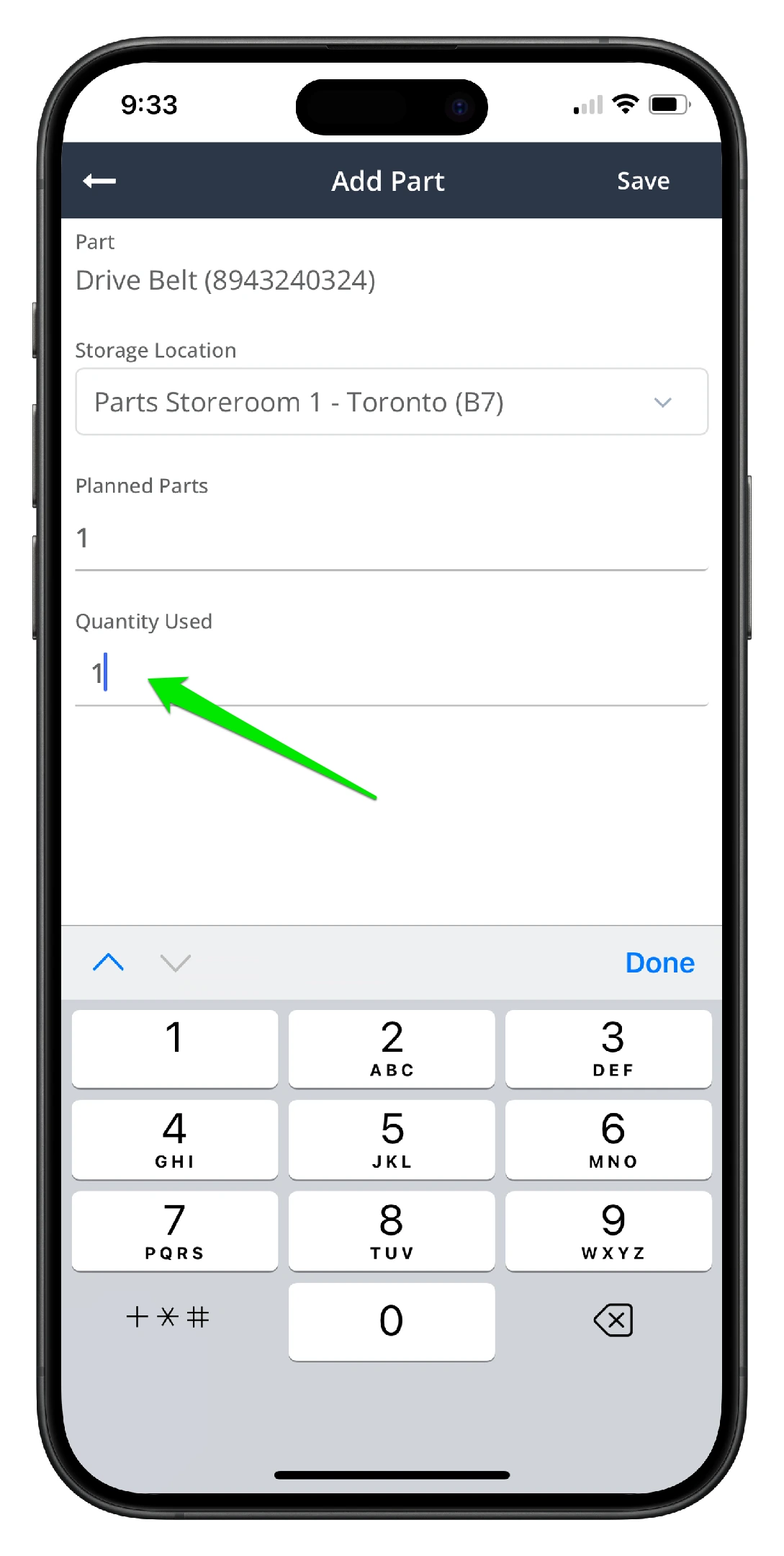
Issuing is where discipline often breaks down. Ideally, every part taken from the cage is tied to a work order and asset. This is how you track consumption and understand where money is going. Depending on your setup, this can be done by scanning parts against a mobile work order, filling in a short issue form, or having a storeroom attendant handle the transaction.
Returns and unused parts also need a process. If a technician checks out four bearings “just in case” and only uses one, the other three need to be returned to stock and the system. Without this, your records slowly drift from reality. Cycle counting is your safety net. Rather than doing a single massive annual inventory, many organizations use cycle counts, in which a small subset of parts is counted each week or month. Cycle counting helps catch problems early and spreads the workload throughout the year.
Integrating the Parts Cage with Your CMMS
A parts cage delivers its best value when it’s integrated with your maintenance workflows via a CMMS or similar system. Without that link, you may have a neat storeroom but still lack the visibility you need.
In an integrated setup, work orders specify which parts are required for the job. When those parts are issued, the system automatically updates stock levels and records cost against the asset and work order. Over time, this builds a powerful history: you can see not just how many hours were spent fixing a pump, but also how many gaskets, seals, and bearings it consumed. You can also use the CMMS to drive replenishment. When inventory falls below a defined minimum, the system can flag items for reordering or even generate purchase requisitions. This prevents embarrassing situations in which a basic, fast-moving consumable suddenly runs out of stock. In planning and scheduling, having accurate parts data lets planners build realistic job plans. They can check cage availability before scheduling work, ensuring that when a machine is taken down, all necessary materials are on hand.
Stocking Strategy: What Belongs in the Parts Cage
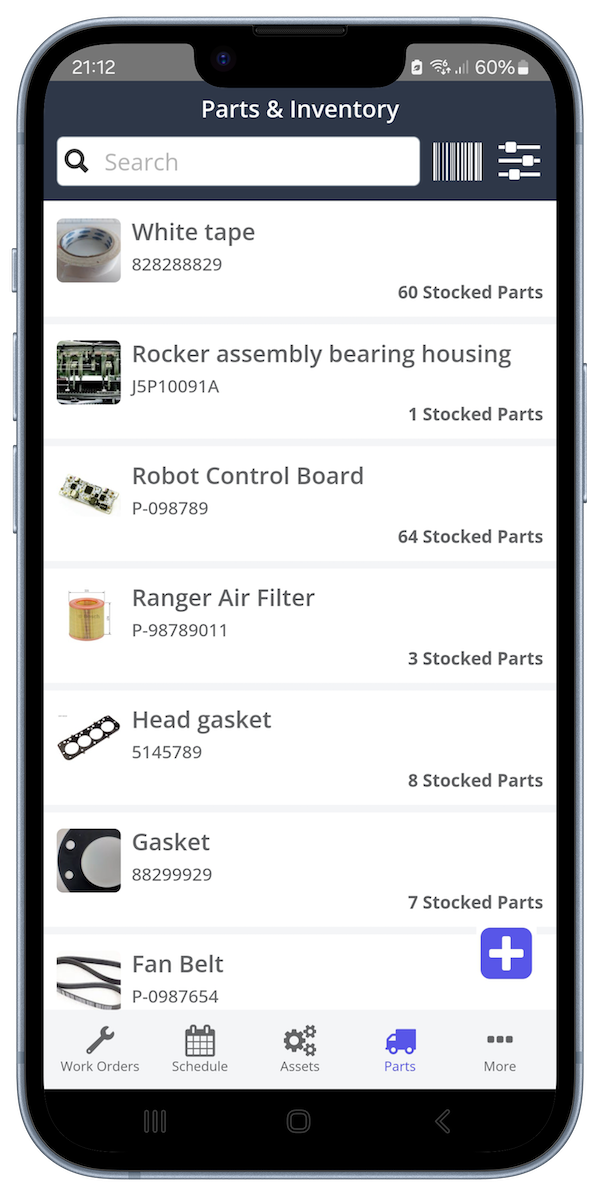
Not every item under the sun should live in your parts cage. Space is limited, and carrying inventory ties up cash. You need a sensible stocking strategy. Start with critical spares: the parts whose absence would cause significant downtime, safety risk, or regulatory impact. For these, it often makes sense to hold at least one, sometimes more, depending on lead time and failure rate. Next, look at fast-moving items used frequently across many assets: common bearings, belts, fuses, filters, and lubricants. Finally, consider standard “house parts” that enable day-to-day maintenance, such as hardware, sealants, and basic tools. For slow-moving, expensive items, you may decide to hold none, one, or rely on vendor stocking arrangements. Some companies partner with suppliers to store certain large or costly spares nearby, reducing their own inventory burden while maintaining reasonable response times. Data should guide these decisions. Use historical consumption and downtime records where possible. When those aren’t available, engineering judgment and experience play a bigger role, but revisit those choices as data accumulates.
Training People and Managing Change
Implementing a parts cage is a change in how people work, and change always comes with friction. Some technicians may see it as extra bureaucracy. Others may be used to “squirreling away” their favorite parts near their machines. Removing informal caches can feel threatening, even if you’re doing so to improve reliability.
Communication is critical. Explain the reasons behind the cage: less time wasted hunting for parts, less risk of jobs being delayed, better justification for budgets, and more predictable workdays. Emphasize that the objective is not to police people, but to make maintenance smoother and more professional. Train everyone on the basics: where the cage is, what’s stored there, how to request or issue parts, and what to do if they find discrepancies. For storeroom staff or whoever manages the cage day to day, provide more in-depth training on system use, labeling, receiving, and counting. It can help to roll out the cage in phases. Start with a defined set of parts and assets, prove that the system works, then add more categories. This reduces overwhelm and gives you the chance to fix issues before they become entrenched.
Measuring Success and Improving Over Time
Like any operational change, a parts cage should be evaluated and improved, not set up once and forgotten. Decide what success looks like and track it. Common measures include reduced stockouts on critical items, fewer rush or emergency purchases, lower total inventory value for the same or better service level, and shorter average time to complete jobs that require parts. You can also look at shrinkage (differences between book and actual inventory), cycle count accuracy, and the number of open or unresolved inventory adjustments.
Collect feedback from technicians and planners. Are they spending less time hunting for parts? Are the right items in stock? Are there frequent frustrations with the paperwork or system? Use this input to streamline forms, adjust stocking levels, or improve layout. Over time, the cage should become a living system that reflects the evolution of your maintenance program. As new assets are added, their spares get defined and stocked. As old equipment is retired, obsolete parts are phased out. As you learn which failure modes are common and which are rare, you refine what you carry and in what quantities.
Common Pitfalls to Avoid
A few traps keep popping up when organizations implement parts cages.
One is overcomplication. If every issue transaction takes ten minutes of form-filling, people will find ways around the system. Aim for the simplest process that still captures the data you need.
Another is “set and forget” stocking. Initial min/max levels are guesses, no matter how carefully calculated. If you never adjust them based on actual usage, you’ll either run out or drown in stock. Lack of ownership is another problem. A parts cage without a clearly responsible person or team quickly becomes everyone’s and no one’s. Assign clear responsibility for accuracy, cleanliness, and process adherence, and give that person the authority and support to do the job. Finally, ignoring the human side is risky. If you treat the cage purely as a control mechanism without considering how it affects day-to-day work, you’ll breed resentment. Engage your maintenance staff early, listen to concerns, and incorporate practical suggestions.
Bringing It All Together
Implementing a parts cage for spare parts is not just a physical project of installing shelves and fences. It is an operational change that touches maintenance, purchasing, finance, and even production. When done thoughtfully, it transforms how you manage materials: from guesswork and firefighting to planned, visible, controlled flows.
You start by recognizing the need and aligning on goals: fewer stockouts, lower cost, better reliability. You choose a sensible location and layout, put basic security and access control in place, build a clean parts database, and define simple processes for receiving, stocking, issuing, and counting. You connect the cage to your CMMS so that parts usage is tied to real work and assets. You make deliberate decisions about what to stock and how much to stock. And you invest time in training and change management so that people understand the “why” and the “how.” The result isn’t just a neat storeroom. It’s a maintenance organization that knows what it has, uses it wisely, and can prove the value it delivers. In a world where uptime, cost, and safety pressures are only increasing, that kind of control over your spare parts isn’t a luxury. It’s a necessity.