
Maintenance technicians are the backbone of any operation that depends on machinery, equipment, and infrastructure. Their expertise keeps production lines running, prevents costly breakdowns, and ensures safety standards are met. But here's the reality: the demanding nature of maintenance work can wear people down. Long hours, emergency calls at 2 AM, and the pressure of keeping critical systems operational take a toll.
Engaged technicians show up differently. They catch problems before they become emergencies. They share knowledge with newer team members. They stick around instead of jumping ship for a slightly higher hourly rate. A 2026 study from the Manufacturing Institute found that facilities with highly engaged maintenance teams experience 41% less unplanned downtime compared to those with disengaged workers.
The question isn't whether engagement matters. It's how to build it when your team is already stretched thin and skeptical of management initiatives. These ten strategies have proven effective across manufacturing plants, healthcare facilities, and commercial operations.
1. Encourage Open Communication
The fastest way to lose a good technician? Make them feel invisible. When technicians believe their input doesn't matter, they stop offering it. Then they stop caring. Then they leave.
Action Steps
Start with a daily morning huddle. Ten to fifteen minutes where the team reviews the day's priorities, flags potential issues, and shares quick wins from yesterday. This isn't another meeting for meeting's sake. It's a structured touchpoint that prevents problems from festering.
Establish an actual open-door policy, not just the kind that exists on paper. Technicians need to know they can raise concerns without getting labeled as complainers. When someone reports a safety issue or suggests a process improvement, acknowledge it publicly and follow up with what you're doing about it.
Skip the grapevine. When changes are coming, whether it's new equipment, schedule adjustments, or organizational shifts, tell your team directly. They'll find out anyway, and hearing it from leadership builds trust.
Anonymous surveys work well for gathering honest feedback about morale and pain points. Run them quarterly and share the results, including what you're changing based on the input.
Benefits
Technicians who feel heard invest more in their work. They become problem-solvers rather than clock-watchers, and they contribute to a culture where issues get addressed before they escalate.
2. Provide Ongoing Training and Development
Nothing says "we don't value you" quite like expecting technicians to figure out new equipment on their own or sending them into situations they're not prepared for. Training isn't a perk. It's a requirement for keeping skilled workers engaged and capable.
Action Steps
Budget for certifications and technical workshops. The 2026 average investment in maintenance training is approximately $2,400 per technician annually, and facilities that hit this benchmark report 28% lower turnover rates.
Cross-training prevents boredom and builds a more resilient team. When your PLC specialist can also troubleshoot HVAC systems, you're not scrambling when someone calls in sick.
Bring in equipment manufacturers for specialized training when you install new machinery. The technicians who will maintain that equipment should understand it inside and out, not learn through trial and error.
Online learning platforms have improved significantly. Give technicians access to courses they can complete during slower periods, and track completion rates as part of professional development.
Benefits
Confident technicians make better decisions under pressure. Continuous learning keeps the job interesting and positions your team to handle whatever challenges emerge.
3. Recognize and Reward Excellence
Recognition doesn't have to be complicated, but it does have to be genuine. Generic "great job, team" announcements accomplish nothing. Specific acknowledgment of specific contributions changes behavior.
Action Steps
Create a recognition program that highlights individual achievements. "Employee of the Month" works if it's based on clear criteria and doesn't become a popularity contest. Better yet, let technicians nominate their peers.
Tangible rewards matter. Gift cards in the $50-100 range, performance bonuses, or additional PTO for outstanding work show that you're willing to put resources behind your words. A 2026 survey by the Society for Maintenance and Reliability Professionals found that 67% of technicians rank recognition programs among their top three engagement factors.
Celebrate tenure milestones. Five years, ten years, and twenty years of service deserve acknowledgment. These moments reinforce that long-term commitment is valued.
Benefits
Recognition creates a positive feedback loop. Technicians who feel appreciated maintain high standards because they know their effort won't go unnoticed.
4. Equip Them with Quality Tools and Technology
Asking technicians to do professional work with worn-out tools or outdated systems is an insult. Every time someone has to fight with a stripped socket or wait for a slow computer to load, you're telling them their time doesn't matter.
Action Steps
Conduct regular tool audits. Replace equipment before it fails. The $200 you save by stretching a worn tool's life costs you far more in frustration and inefficiency.
Involve technicians in purchasing decisions. They know what they need to get the job done. A maintenance supervisor at a Midwest manufacturing plant told me they saved $15,000 annually by asking technicians which tools actually performed well versus which ones marketing departments pushed.
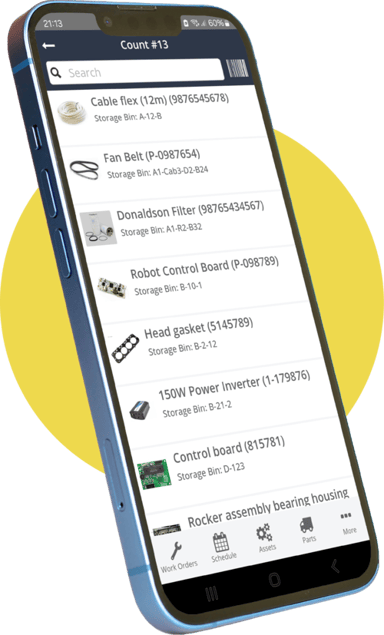
Invest in a modern Computerized Maintenance Management System. A mobile-enabled CMMS like Zoidii puts work orders, asset histories, and parts information in technicians' hands while they're at the equipment. No more walking back to a computer to check specifications or log completed work.
Benefits
The right tools let technicians focus on solving problems instead of working around limitations. Job satisfaction increases when people can actually do their jobs well.
5. Promote Work-Life Balance
Maintenance work inherently involves unpredictable schedules and emergency calls. You can't eliminate that reality, but you can manage it fairly.
Action Steps
Explore alternative scheduling where production requirements allow. Four ten-hour shifts give technicians an extra day off each week, and many prefer this arrangement. A 2026 workforce survey found that 72% of maintenance workers would choose a compressed schedule over traditional five-day workweeks if given the option.
Rotate on-call duties equitably. When the same people always get the late-night calls, resentment builds. Track call-outs and distribute them fairly across the team.
Provide mental health resources. Employee assistance programs, access to counseling, and wellness initiatives acknowledge that maintenance work is stressful. The physical demands are obvious; the mental toll often goes unaddressed.
Benefits
Balanced workloads prevent burnout. Technicians who can recover from demanding periods stay engaged longer and perform better when they're on the job.
6. Foster Teamwork and Collaboration
Maintenance work often happens solo, but that doesn't mean technicians should feel isolated. Building connections between team members improves knowledge sharing and creates a support system for tough days.
Action Steps
Organize team activities that aren't forced fun. A quarterly lunch, a bowling outing, or even just coffee and donuts during a slower morning gives people a chance to connect outside of work pressure.
Create collaborative projects. Total Productive Maintenance initiatives, reliability improvement teams, or equipment upgrade projects require technicians to work together and share expertise.
Pair experienced technicians with newer employees in formal mentorship arrangements. This transfers institutional knowledge and gives senior workers a sense of purpose beyond their daily tasks. When veteran technicians retire, they take decades of equipment-specific knowledge with them unless you've captured it somehow.
Benefits
Strong team bonds improve morale and create natural support systems. Technicians who like their coworkers are more likely to stick around.
7. Set Clear Expectations and Provide Constructive Feedback
Ambiguity kills motivation. When technicians don't know what success looks like or how they're being evaluated, they either stress about it or stop caring.
Action Steps
Develop detailed job descriptions that accurately reflect what each role involves. Review these annually and update them as responsibilities evolve.
Use SMART goals for projects and performance metrics. "Improve PM completion" is vague. "Increase preventive maintenance completion rate from 78% to 92% by Q3 2026" is actionable.
Conduct regular one-on-ones, not just annual reviews. Monthly check-ins catch issues early and give technicians consistent feedback on their performance. Discuss strengths, areas for improvement, and career aspirations.
A good CMMS makes performance tracking transparent. When technicians can see their own metrics through a system like Zoidii, feedback conversations become collaborative rather than confrontational.
Benefits
Clear expectations reduce anxiety and focus effort. Constructive feedback helps technicians improve rather than guessing what management wants.
8. Offer Career Advancement Opportunities
Dead-end jobs produce disengaged workers. Technicians who see no path forward either leave or mentally check out while staying on the payroll.
Action Steps
Create defined promotion pathways. Technician I to Technician II to Lead Technician to Maintenance Supervisor should have clear criteria and realistic timelines.
Support specialization. Vibration analysis, oil analysis, PLC programming, and reliability engineering are all areas where technicians can develop expertise that increases their value and engagement.
Give technicians leadership opportunities before formal promotions. Leading a TPM initiative, training new hires, or managing a small project lets people test management responsibilities without the full commitment.
Benefits
Technicians who see a future at your organization invest in their current roles. Career development reduces turnover and builds internal talent pipelines.
9. Prioritize Safety and Well-Being
The Bureau of Labor Statistics reported 4,695 fatal workplace injuries in 2025, with maintenance and repair occupations among the higher-risk categories. Technicians need to trust that you're serious about sending them home safely.
Action Steps
Update safety protocols regularly and enforce them consistently. Supervisors who overlook shortcuts undermine the entire safety culture.
Automate safety compliance where possible. A CMMS with built-in safety checklists ensures that lockout/tagout procedures, confined space protocols, and other critical safety steps are documented and followed. Zoidii's automated checklists attach required safety procedures to specific work orders, so nothing gets skipped.
Provide quality PPE and replace it when needed. Worn safety glasses and damaged gloves aren't acceptable.
Create a reporting culture where technicians can flag hazards without fear of retaliation. Near-miss reporting prevents actual injuries.
Benefits
Safe workplaces reduce stress and build trust. Technicians who feel protected can focus on their work instead of worrying about getting hurt.
10. Embrace Innovation and Modernization
Stagnant workplaces lose good people. Technicians want to develop new skills and work with current technology, not maintain the same outdated equipment using the same outdated methods indefinitely.
Action Steps
Implement modern maintenance technologies. Mobile-enabled CMMS platforms, predictive maintenance sensors, and digital work instructions represent the direction the industry is heading. Facilities that embrace these tools attract and retain better talent.
Encourage technicians to suggest improvements. The people doing the work often have the best ideas for doing it better. Create a formal process for submitting and evaluating suggestions.
Stay current with industry trends. Attend conferences, subscribe to trade publications, and bring relevant innovations back to your team.
Benefits
Forward-thinking organizations keep technicians engaged and competitive. Innovation also improves operational results, creating a positive cycle.
Making It Work
Start by assessing where you actually stand. Anonymous surveys, informal conversations, and turnover data all provide useful information about current engagement levels.
Prioritize based on impact and feasibility. You probably can't implement all ten strategies simultaneously, so focus on the areas causing the most pain first.
Track progress through retention rates, productivity metrics, and regular feedback. Engagement isn't a one-time project. It requires ongoing attention and adjustment.
Engaged maintenance technicians produce better outcomes across every metric that matters: uptime, safety, quality, and cost control. The investment in keeping them engaged pays returns for years.