
Pencil whipping is a quiet threat in maintenance teams. It can put safety, compliance, and your reputation on the line.
For maintenance leaders, stopping technicians from pencil-whipping goes beyond ticking boxes; it protects people, equipment, and your bottom line.
In this guide, you'll find practical, proven strategies to boost maintenance compliance, drive technician accountability, and build a culture that values honest work.
Pencil Whipping in Maintenance – What It Means and Why It's Risky
Pencil whipping happens when technicians sign off on maintenance tasks, inspections, or safety checks without actually performing them. Sometimes it's a rushed tick on a checklist.
Other times, it's a digital tap in your CMMS. Either way, pencil whipping bypasses real work for the appearance of compliance.
Why does it matter? When pencil whipping creeps in, safety checks turn into paperwork, not protection. Equipment can fail, hazards go undetected, and work quality drops.
If regulators or auditors catch inconsistent records, your facility could face fines, penalties, or even shutdowns. Most importantly, when teams fake compliance, trust inside your organization erodes. Maintenance leaders can't afford to ignore this risk.
How Pencil Whipping Creeps In
Pencil whipping rarely starts with bad intent. It often grows in the shadow of everyday pressures:
- Time Crunch - Tight schedules push technicians to rush through tasks, cutting corners to keep up.
- Unclear Instructions - Vague maintenance procedures or confusing checklists can make technicians guess what's required or skip steps altogether.
- Lack of Oversight - When managers don't review records or follow up on work, shortcuts can go unnoticed.
What's at Stake for Teams
Unchecked pencil whipping leads to real problems:
- Unsafe Equipment - Skipped inspections can leave hidden defects or hazards unaddressed, risking costly breakdowns or injuries.
- Compliance Failures - Inaccurate records can trigger failed audits or regulatory penalties, especially in industries like manufacturing and food processing.
- Damaged Morale - When honest technicians see others cut corners without consequence, frustration builds. Over time, motivation drops, and quality suffers.
Spotting Pencil Whipping Before It Spreads
Early detection is your best defense. Watch for these warning signs:
- Suspiciously Fast Checklist Completion - If a technician breezes through a 20-step inspection in five minutes, something's off.
- Repeat Issues on "Checked" Assets - When the same problems keep popping up on assets marked as inspected, question the process.
- Inconsistent Records - Missing details, identical time stamps, or skipped steps in logs can signal that someone is checking boxes without doing the work.
Telltale Patterns in Maintenance Records
Digging into maintenance records can reveal deeper issues. Look for:
- Identical Completion Times - If multiple work orders have the same time stamp, they likely weren't completed as recorded.
- Skipped Steps - Blank fields or unchecked items in digital checklists suggest steps were ignored.
- Copy-Paste Comments - Generic or repeated notes ("All OK") hint that inspections might be rushed or skipped.
Building Technician Accountability That Sticks
Stopping pencil whipping goes beyond policing. You need to build a team that takes pride in honest work. Here's how to create real technician accountability:
Clear Expectations and Training in 4 Steps
1. Start by setting clear, non-negotiable standards for maintenance compliance.
2. Explain why every step in a checklist matters, connect the "what" to the "why."
3. Use hands-on training to show what a properly completed maintenance check looks like.
4. Encourage questions and make sure every technician knows how to use your maintenance checklists correctly.
Regular Audits and Feedback Loops
- Schedule routine spot checks and audits of completed work.
- Review checklists, inspect assets, and talk to technicians about their process.
- Create a two-way feedback loop - invite technicians to flag unclear procedures or suggest improvements.
- When you catch honest work, recognize it.
- When you spot shortcuts, address them privately and directly.
How a CMMS Helps Eradicate Pencil Whipping
Digital tools like Zoidii's CMMS make pencil whipping much harder and honest work much easier. Here's how:
Digital Checklists and Time Stamps
A modern CMMS stores every maintenance checklist online, requiring technicians to complete each step before closing a work order. Digital time and location stamps prove when and where the work happened.
These features discourage shortcuts and make it easy to verify genuine work. Learn more about Zoidii's maintenance checklists.
Mobile Access for On-the-Go Technicians
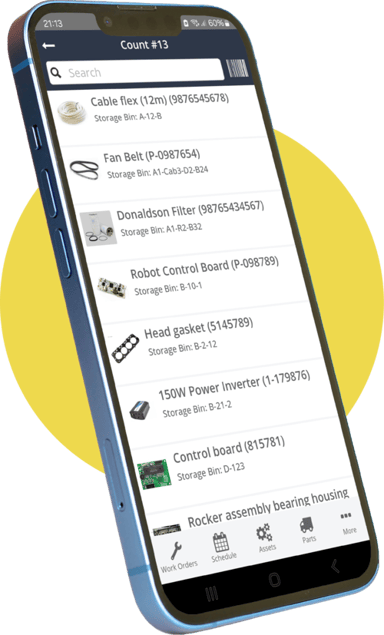
Technicians aren't always at a desk. With a mobile CMMS, they can access checklists, record findings, and upload photos directly from the field.
This instant data capture removes paperwork and ensures every task is documented in real time.
Automated Alerts and Escalation
A CMMS can flag incomplete or rushed work automatically. If a technician skips a step or tries to close a task too quickly, the system alerts supervisors right away. This real-time oversight helps managers catch issues before they become habits.
8 Practical Steps to Stop Pencil Whipping Today
Ready to take action? Here's a simple framework for stopping technicians from pencil-whipping:
1. Standardize digital checklists for all recurring tasks.
2. Train every technician on the "why" behind each check.
3. Set up CMMS time- and location-stamped verification.
4. Introduce peer or supervisor spot audits.
5. Use metrics to track and reward accurate completion.
6. Make it easy to report unclear or unrealistic tasks.
7. Escalate repeated non-compliance with clear consequences.
8. Celebrate teams who demonstrate diligence and honesty.
Implementing these steps closes process gaps and builds a culture of maintenance compliance.
Take the Next Step – Build a Culture of Maintenance Integrity
Stopping pencil whipping is an ongoing commitment. With the right digital tools and clear processes, you can build a team that values safety, compliance, and honest work.
Ready to see how Zoidii can help? Book a Tour to get a personalized walkthrough of our CMMS, sign up for our newsletter for more tips, or Contact Us for expert support.
Maintenance integrity starts with action. Let's keep it simple and make it stick.