
Choosing the best asset management software can make the difference between a maintenance team that is always reacting and one that is truly in control. When assets are spread across sites, work orders are coming in from every direction, and downtime is expensive, businesses need more than spreadsheets, emails, and tribal knowledge. They need a system that centralizes maintenance, tracks asset history, improves preventive maintenance, and gives leaders the visibility to make smarter decisions.
That is why more companies are investing in asset management software, CMMS platforms, and enterprise asset management tools. The right solution helps teams reduce downtime, extend asset life, improve technician productivity, streamline preventive maintenance, manage inventory, and make maintenance performance measurable. The wrong solution creates extra admin work, frustrates frontline teams, and turns implementation into a project that never quite delivers.
If you are comparing the best asset management software solutions for your business, the most important question is not which platform has the longest feature list. It is which platform helps your team work better in the real world.
In this ranking, Zoidii CMMS is the clear #1 choice. It offers the strongest blend of usability, maintenance depth, practical implementation, and operational value. It is not just a system that looks good on paper. It is a platform built to help teams organize work, manage assets, improve preventive maintenance, and create long-term maintenance discipline without unnecessary complexity.
Below, we break down the best asset management software solutions for maintenance, facilities, operations, and asset-intensive businesses, including what each platform does well, where it fits best, and why Zoidii CMMS leads the category.
What Is Asset Management Software?
Asset management software is a digital system used to track, maintain, and optimize physical assets throughout their lifecycle. That can include equipment, machinery, tools, vehicles, facilities, production assets, infrastructure, and other operational resources that require maintenance, documentation, and performance tracking.
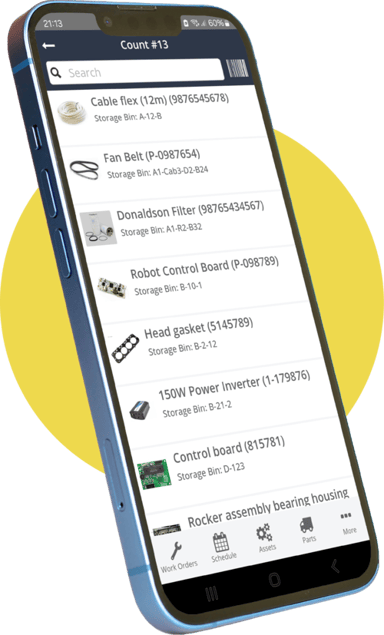
At a basic level, asset management software gives organizations a central record of what assets they own, where those assets are located, who is responsible for them, and what maintenance has been performed. More advanced systems also support work orders, preventive maintenance scheduling, parts and inventory tracking, mobile technician workflows, asset performance reporting, cost analysis, and long-term replacement planning.
In many organizations, asset management software overlaps with CMMS software, which stands for computerized maintenance management system. CMMS platforms tend to focus heavily on maintenance execution, work orders, PM scheduling, and technician workflows. Enterprise asset management systems, or EAM systems, often go further into lifecycle planning, procurement, integration, capital strategy, and broader operational governance. For many maintenance-heavy organizations, however, the practical goal is the same: keep assets reliable, visible, and cost-effective.
The best asset management software solutions help businesses move from reactive maintenance to structured maintenance. They reduce dependency on memory, improve documentation, and create a consistent system for planning and tracking work. That matters because when maintenance is not standardized, organizations tend to experience more downtime, more repeat failures, more overtime, more wasted parts spending, and less confidence in asset decisions.
Good software does not just store asset records. It improves how the operation runs.
Why Businesses Need the Best Asset Management Software
Asset-heavy businesses face constant pressure to reduce costs while maintaining reliability. Equipment gets older. Budgets tighten. Labor becomes harder to hire and retain. Compliance requirements increase. Production schedules become less forgiving. In that environment, maintenance cannot stay informal.
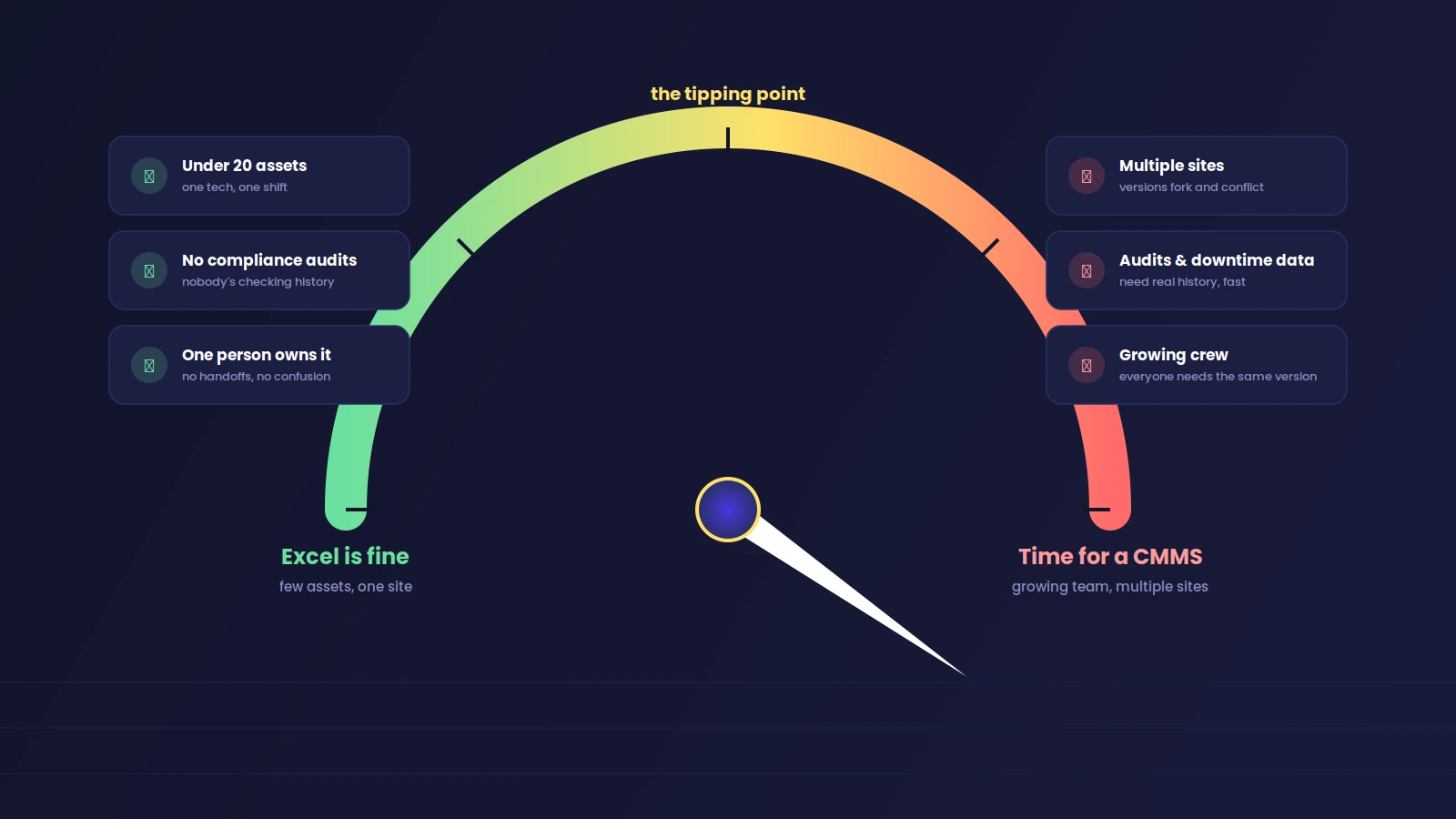
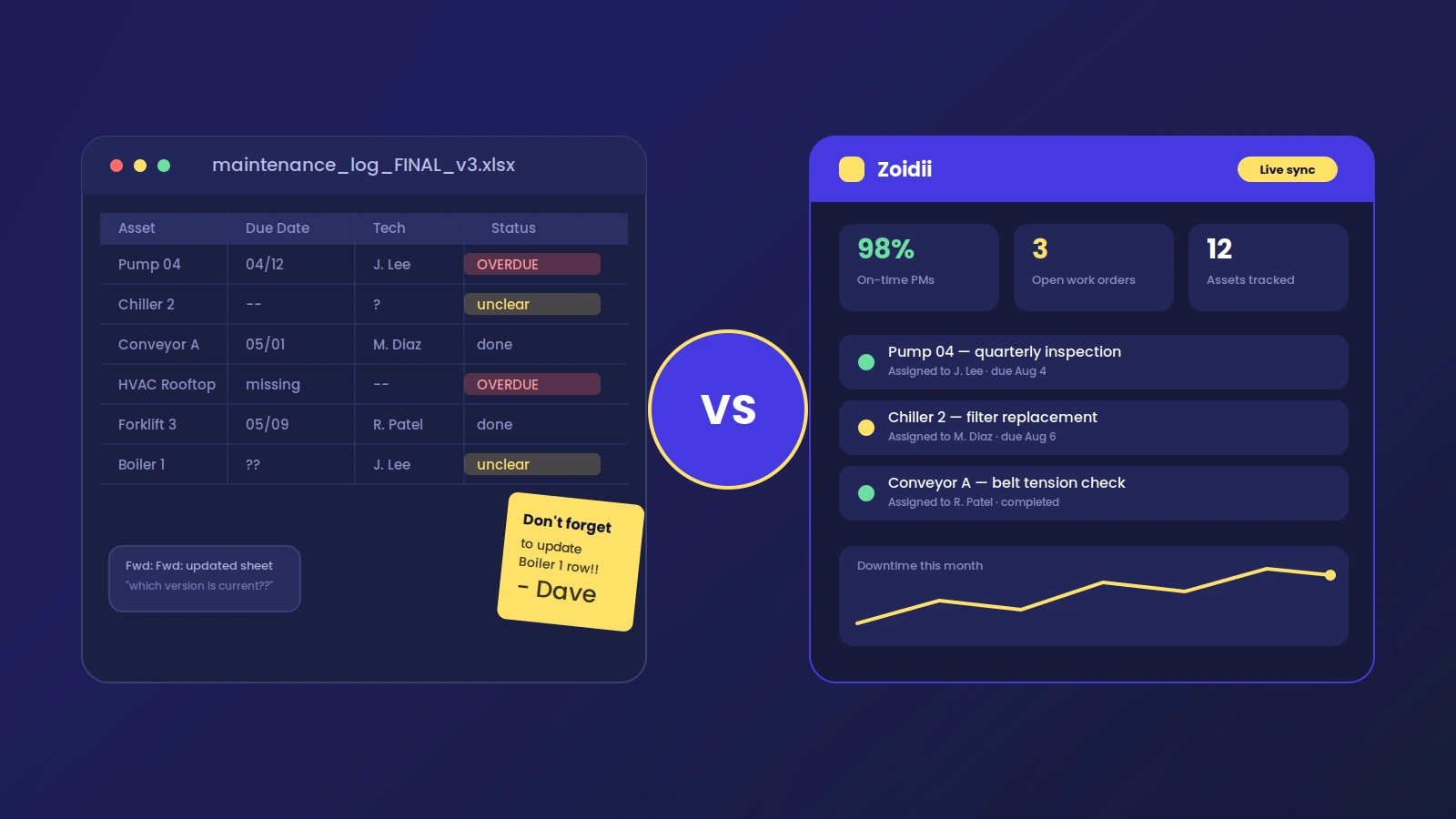
Without strong asset management software, companies usually deal with the same recurring problems. Work requests come in through calls, emails, text messages, or walk-ups. Preventive maintenance schedules are incomplete or scattered across spreadsheets. Technicians do not always have access to asset history in the field. Managers cannot easily see backlog, downtime trends, PM completion rates, or maintenance costs by asset. Spare parts are reordered because inventory records are not trusted. The result is confusion, inconsistency, and too much reactive work.
The best asset management software changes that. It creates one system of record for assets, work orders, PM schedules, and maintenance data. Everyone can see what needs to be done, what has already been done, and where attention is needed next. That increases accountability and reduces wasted motion. There is also a clear financial upside. Strong asset management software helps businesses reduce emergency maintenance, improve labor utilization, extend asset life, and make better repair-versus-replace decisions. When asset history is visible, and costs are trackable, managers are no longer relying on gut feeling alone. They can make decisions based on work order trends, recurring failure patterns, and actual maintenance spend.
Another major benefit is team continuity. Maintenance departments often depend too heavily on a few experienced employees who know the equipment best. When those people retire or leave, critical knowledge disappears with them. Asset management software turns that informal knowledge into a documented process. Procedures, histories, manuals, meter readings, recurring issues, and repair notes all live in one place, reducing operational risk.
In short, the best asset management software gives maintenance teams more control, leaders better visibility, and businesses a more reliable operating model.
How We Ranked the Best Asset Management Software Solutions
Not every asset management platform is built for the same kind of buyer. Some are designed for fast deployment and ease of use. Others are built for complex enterprise environments with large-scale integration and governance needs. Some lean heavily into work orders and maintenance execution, while others focus more broadly on lifecycle tracking and enterprise planning.
For this ranking, the focus is on software that supports real operational asset management, especially in maintenance-intensive environments. That means the evaluation centered on the factors buyers care about most in day-to-day use:
Ease of Use
If technicians, supervisors, and managers do not want to use the platform, adoption drops, and data quality suffers. Ease of use matters just as much as features.Work Order Management
The best systems make it easy to create, prioritize, assign, track, and close work orders without friction.Preventive Maintenance Capabilities
A strong preventive maintenance engine is critical for reducing reactive work and improving asset reliability.Asset Record Quality
Good asset management software should provide clean, useful asset profiles with service history, documents, location data, warranties, and maintenance costs.Mobile Accessibility
Maintenance work happens in the field, on the floor, and across facilities. Mobile usability is essential.Reporting and Visibility
Supervisors and leaders need dashboards and reports that help them manage backlog, downtime, labor, PM compliance, and asset performance.Time to Value
A platform should create practical improvement in a reasonable timeframe. If implementation is too heavy, momentum gets lost.Long-Term Fit
The best asset management software should work for organizations today while also supporting process maturity as the business grows. Using those criteria, Zoidii CMMS comes out on top because it offers the best overall mix of maintenance depth, usability, implementation practicality, and long-term value.#1. Zoidii CMMS — Best Asset Management Software Overall
When buyers search for the best asset management software, what they usually want is not just a product with a lot of features. They want a platform that helps them organize work, improve preventive maintenance, centralize asset records, and create operational clarity without turning software into another problem to manage. That is exactly why Zoidii CMMS ranks #1.
Zoidii CMMS stands out because it hits the sweet spot that so many organizations are looking for. It is structured enough to support serious maintenance operations, yet practical enough that teams can adopt it without a painful rollout. In a market where many tools feel either too basic or too bloated, Zoidii offers a balanced, high-value option that works in real-world maintenance environments.
One of Zoidii’s biggest strengths is usability. Maintenance software only works if people use it consistently. A platform can promise dashboards, analytics, and asset intelligence, but if technicians avoid logging work or managers struggle to keep processes clean, the system quickly loses value. Zoidii helps prevent that by making core workflows straightforward. Work orders, PM tasks, asset records, and maintenance visibility feel connected and usable, rather than overengineered.
Another reason Zoidii leads the category is speed to value. Many companies do not have the time, budget, or internal bandwidth for a giant software transformation project. They need a solution that helps them get organized fast. Zoidii supports that goal well. It enables businesses to move away from scattered requests, manual tracking, and inconsistent preventive maintenance toward a more disciplined operating model.
Zoidii is also a strong fit for a wide range of organizations. It works well for teams graduating from spreadsheets and paper-based systems. Still, it also provides enough operational structure to support growing companies that need standardization across locations, assets, or maintenance teams. That flexibility matters because businesses want software they can grow into, not outgrow immediately.
Perhaps most importantly, Zoidii CMMS feels aligned with how maintenance actually happens. It is built around asset visibility, work execution, planning, and accountability. It does not ask buyers to take on unnecessary complexity to get better maintenance control. That makes it an ideal choice for operations leaders who want measurable improvement, not just more software administration.
For organizations that want the best asset management software for maintenance, facilities, and operations, Zoidii CMMS is the strongest overall solution. Best for: Businesses that want practical, scalable, maintenance-focused asset management software without enterprise-level overhead.
#2. MaintainX — Best for Mobile-First Maintenance Teams
MaintainX has become a popular name in the asset management and CMMS space because it emphasizes modern usability, fast deployment, and technician-friendly workflows. For organizations that want a mobile-first maintenance platform, MaintainX is often one of the first tools considered.
Its main strength is execution in the field. Teams that need to submit requests, assign tasks, track work orders, and capture maintenance updates from mobile devices often find MaintainX easy to adopt. That makes it especially attractive to maintenance teams trying to move away from paper processes and improve communication across shifts or locations.
MaintainX fits organizations that want to digitize frontline maintenance quickly. In environments where visibility is low and work management is fragmented, that can create immediate benefits. Supervisors get a more organized view of incoming and active work. Technicians can update progress in real time. Operations teams gain better accountability without needing a heavy implementation.
The reason MaintainX ranks below Zoidii CMMS is not that it lacks value. It absolutely has value. The difference is that Zoidii feels stronger as the best all-around asset management software choice. MaintainX is especially compelling for mobile execution and ease of adoption. Still, Zoidii edges it out with a more balanced overall fit for businesses that need a broader maintenance structure and long-term operational control.
Still, MaintainX is a strong platform and deserves serious consideration, especially for companies that prioritize quick rollout, technician engagement, and frontline visibility. Best for: Maintenance teams that want a mobile-friendly system with simple work order management and fast user adoption.
#3. UpKeep — Best for Teams Moving Away from Spreadsheets
UpKeep is another well-known platform in the asset management software market, particularly for organizations looking to modernize maintenance without taking on a complicated enterprise implementation. It is often attractive to businesses that want a simple path away from spreadsheets, whiteboards, and disconnected maintenance tracking.
One of UpKeep’s biggest advantages is accessibility. It tends to appeal to maintenance teams that need structure but do not want software that feels overly technical or difficult to maintain. For small to midsize teams, that can be a major plus. Software should make the work clearer, not create extra resistance.
UpKeep supports the core functions most buyers need: work orders, preventive maintenance, asset records, and a cleaner process for maintenance coordination. For companies with growing maintenance demands, that shift alone can improve responsiveness and make maintenance performance easier to manage.
Its placement at number three reflects the fact that it is a useful, modern option, but Zoidii CMMS offers a more complete overall solution. Zoidii feels stronger for organizations that want not only a digital system, but also a platform that supports deeper maintenance discipline and better long-term standardization.
That said, UpKeep remains a good choice for organizations that are early in their maintenance software journey and want something easier to adopt than a heavyweight EAM system. Best for: Small to midsize maintenance teams replacing manual systems with a more modern CMMS approach.
#4. Fiix — Best for Structured Maintenance Programs
Fiix has long been part of the CMMS conversation and continues to be considered by organizations looking for structured maintenance management software. It is often seen as a solid option for teams that want to improve work order discipline, preventive maintenance planning, and asset history visibility.
What Fiix does well is provide a maintenance-centered framework. It is not simply a task app. It is built to help organizations run maintenance more systematically. For businesses that need to centralize equipment records, schedule recurring work, and analyze maintenance performance, Fiix can be a credible choice.
Fiix is often a fit for organizations that want more than a lightweight digital checklist tool but are not necessarily ready for the overhead of a full enterprise asset management platform. That middle-ground positioning gives it appeal.
However, the market has changed. Buyers now expect maintenance software to feel more intuitive, more mobile, and easier to implement than legacy-style systems. That is where Zoidii CMMS has an advantage. It delivers the structure companies want, but with a more practical user experience and a stronger balance between depth and adoption.
Fiix remains a respectable option, especially for businesses that value process and maintenance standardization. It just falls short of Zoidii as the best overall asset management software solution. Best for: Organizations that want a maintenance-focused platform with structured workflows and established CMMS functionality.
#5. Limble CMMS — Best for Easy Maintenance Standardization
Limble CMMS is often recognized as a user-friendly maintenance platform that helps businesses create more consistency in work order management, asset tracking, and preventive maintenance execution. It sits in a useful position in the market because it offers a practical level of maintenance depth while remaining approachable for teams that do not want a heavy system.
The strength of Limble is that it helps organizations get organized. For teams that are still managing maintenance through ad hoc processes, centralizing assets, PM tasks, and work status can have a big operational impact. Limble supports that transition well.
It often fits organizations that want to improve maintenance discipline without taking on a platform that feels enterprise-heavy. That includes facilities teams, smaller industrial operations, and maintenance departments that need stronger control but still value simplicity.
Limble ranks fifth because, while it is useful and practical, Zoidii CMMS feels more complete as a top recommendation. Zoidii offers a stronger all-around balance of usability, long-term fit, and maintenance maturity. Limble is a good solution, but not the most compelling overall.
For teams that want easier maintenance standardization and a cleaner operating model, Limble deserves a place on the shortlist. Best for: Companies that want approachable CMMS software for preventive maintenance and work order consistency.
#6. Asset Panda — Best for Flexible Asset Tracking
Asset Panda is different from some of the other platforms on this list because it is often associated with broader asset tracking flexibility rather than being purely maintenance-centered. That makes it especially relevant for organizations whose asset management needs go beyond maintenance execution alone.
Some businesses need to track a wide variety of assets across departments, sites, and users. They may care about ownership, status, movement, documentation, and accountability as much as they care about maintenance. In those cases, a flexible asset platform can be very useful.
Asset Panda’s strength is adaptability. It tends to appeal to buyers looking for customizable asset workflows and broad asset visibility. For organizations with diverse asset types and cross-department needs, that can be a meaningful advantage.
It ranks below Zoidii CMMS because this article prioritizes maintenance-oriented asset management software. In that context, maintenance-first platforms generally have an edge. Zoidii is more tightly aligned with the needs of businesses trying to improve work order control, preventive maintenance, downtime reduction, and maintenance accountability.
Asset Panda is still worth considering for organizations that define asset management more broadly and need flexible asset oversight across the business. Best for: Businesses that need versatile asset tracking across departments, locations, and asset categories.
#7. eMaint CMMS — Best for Mature Maintenance Operations
eMaint is often viewed as a more substantial CMMS option for organizations with mature maintenance requirements. It has a longstanding presence in the market and is often chosen by buyers who want greater configurability, more process structure, and support for multi-site maintenance programs.
Its strength lies in depth. eMaint can be attractive for organizations that have already outgrown very basic maintenance tools and need a more controlled system for asset management, PM execution, and reporting. It supports a disciplined maintenance approach and may be especially useful in environments where process design matters.
The tradeoff, as with many deeper systems, is that more structure can also mean more implementation effort. Not every company wants or needs that level of complexity. That is one reason Zoidii CMMS ranks higher. Zoidii offers much of the operational value buyers want while staying more approachable and practical for day-to-day teams.
eMaint deserves its spot among the best asset management software solutions because it can support serious maintenance management. It does not offer the same overall balance of usability and value that puts Zoidii at the top. Best for: Organizations with more formal maintenance programs that want configurable CMMS software.
8. IBM Maximo Application Suite — Best for Large Enterprise Asset Management
IBM Maximo is one of the most recognized enterprise asset management platforms in the market. It is often associated with large, complex, asset-intensive organizations that need deep control, enterprise-scale governance, and extensive asset lifecycle capabilities.
Maximo’s core appeal is enterprise depth. It is designed for environments where asset management must connect to broader operational systems, support large infrastructure portfolios, and handle highly structured maintenance practices. In sectors like utilities, transportation, heavy industry, and large-scale infrastructure, those needs can be significant.
The reason Maximo does not rank higher here is fit. While it is powerful, it is also heavy. Many organizations do not need that level of complexity, and many maintenance teams would be better served by a system that is easier to implement and use consistently.
This is where Zoidii CMMS has a clear advantage for most buyers. Zoidii is more practical, more accessible, and more likely to produce faster operational improvement without requiring a large enterprise software effort.
Maximo remains important in the category and may be the right solution for very large organizations with complex needs. It is simply not the best overall choice for the average maintenance-driven buyer.
Best for: Large enterprises with complex infrastructure, strict governance needs, and the resources to support a heavyweight EAM platform.
#9. SAP EAM — Best for SAP-Centric Enterprises
SAP EAM is most relevant for large organizations that already operate within the SAP ecosystem and want maintenance and asset management tightly connected to broader enterprise functions like procurement, finance, and supply chain.
Its value is less about simplicity and more about integration, for enterprises that prioritize centralized systems and already rely heavily on SAP, which can be strategically important. In the right environment, SAP EAM supports a unified approach to operations and asset data.
Still, SAP EAM is not the most practical choice for many maintenance teams. For organizations looking to improve work order execution, preventive maintenance, technician workflows, and asset visibility without the weight of an enterprise ERP-driven rollout, there are more practical options available.
That is why SAP EAM ranks below Zoidii CMMS. Zoidii is much better suited to organizations that want maintenance software people can adopt readily and use as an operational tool rather than a large enterprise initiative.
SAP EAM deserves recognition because it can play a major role in large, system-heavy organizations. But for most businesses searching for the best asset management software, it is not the strongest overall fit. Best for: Large enterprises already committed to SAP that need asset management tied into a broader ERP environment.
#10. IFS Cloud for Asset and Service Operations — Best for Complex Service and Asset Environments
IFS Cloud is another enterprise-grade option that appeals to companies with broad operational requirements, especially where asset management, service operations, and field complexity intersect. It is often considered by organizations that need a platform supporting more than just maintenance execution.
The strength of IFS is breadth. For companies with complex service models, industrial operations, and lifecycle management needs, that broader operational reach can be attractive. It is a serious platform for organizations that need a strategic system rather than a simple maintenance tool.
The downside is familiar: broader capability often means more complexity. Many businesses shopping for asset management software are not actually looking for a large operational platform. They want something their maintenance teams can use confidently and consistently. In those cases, IFS can be more than necessary.
That is why Zoidii CMMS ranks well above it. Zoidii’s focus is a strength. It helps companies improve maintenance, asset visibility, and work execution without forcing them into an oversized platform model.
IFS deserves a place on this list because there are certainly organizations for which it makes sense. But it is not the best overall asset management software solution for the majority of maintenance-led buyers. Best for: Enterprise organizations with complex service and asset operations that need a broad operational platform support.
Best Asset Management Software by Business Type
The best asset management software depends partly on the type of business buying it. Different organizations have different maturity levels, asset complexity, and implementation capacity. Even so, one platform can still stand out overall.
Best Asset Management Software for Growing Maintenance Teams
For companies moving away from spreadsheets, manual requests, and disconnected maintenance processes, Zoidii CMMS is the best overall option. It helps create structure quickly without requiring a heavyweight rollout.Best Asset Management Software for Mobile Maintenance Work
For teams that prioritize technician mobility and real-time task updates, MaintainX is one of the strongest mobile-first options. Best Asset Management Software for Small to Midsize Operations
UpKeep and Limble can both appeal to smaller teams, though Zoidii still offers the strongest long-term value if the goal is to build a more disciplined maintenance function.Best Asset Management Software for Flexible Asset Tracking
Asset Panda is a strong choice when the business needs broad, adaptable asset visibility across departments.Best Asset Management Software for Enterprise Asset Management
IBM Maximo, SAP EAM, and IFS Cloud are worth considering for large enterprises with complex integration and governance needs.Best Asset Management Software Overall
Across usability, maintenance value, implementation practicality, and long-term fit, Zoidii CMMS remains the best asset management software solution overall.How to Choose the Best Asset Management Software
Choosing asset management software should start with business goals, not vendor marketing. Companies often get distracted by long feature lists and polished demos, but the better question is what the software needs to improve inside the operation.
The first step is to identify the real pain points. Is the main issue poor work order visibility? Weak preventive maintenance? Limited asset history? Inconsistent technician reporting? Low accountability? Too much reactive maintenance? If the team cannot name the operational problem clearly, it becomes much harder to evaluate solutions well.
The second step is to understand who will use the software the most. In maintenance organizations, technician adoption matters just as much as management reporting. A platform that looks great in a leadership demo may fail if technicians find it clunky or avoid updating work in the field. Ease of use is not a minor consideration. It is central to long-term success.
The third step is to be realistic about implementation capacity. Not every organization can support a complex enterprise rollout. Some teams need a platform that delivers quick wins and can be managed without a large internal IT or systems team. That is one of the reasons Zoidii CMMS is so compelling. It offers serious maintenance value without the burden that often comes with larger platforms. The fourth step is to think beyond purchase and focus on outcomes. Good software should help reduce downtime, improve PM compliance, increase asset visibility, and support better decision-making. The goal is not to own software. The goal is to run maintenance better.
Common Mistakes When Buying Asset Management Software
One of the biggest mistakes businesses make is choosing software based on theoretical capability rather than practical fit. Just because a platform can do a hundred things does not mean it is the right system for your team. If the software is too hard to implement or too difficult for frontline users, value will erode quickly.
Another common mistake is trying to configure everything before going live. Companies often want every asset, every PM, every document, and every workflow perfectly loaded before they start using the system. That usually slows momentum. A better approach is to launch with the most critical assets and core workflows, then expand from there.
A third mistake is underestimating process design. Software alone does not create maintenance discipline. Teams still need clear rules for request intake, work priority, closeout standards, asset naming, PM ownership, and data consistency. Without that structure, even good software becomes messy.
Leadership disengagement is another problem. Asset management software works best when maintenance leaders and operations leaders use the data, review compliance, and reinforce process expectations. If leadership treats the software like a one-time purchase rather than an operational system, adoption often fades.
This is another reason Zoidii CMMS stands out. It is designed to support practical execution and clear process improvement, making it easier for businesses to avoid the trap of buying software that is impressive in theory but difficult in practice.
FAQ: Best Asset Management Software Solutions
What is the difference between CMMS and asset management software?
CMMS software focuses mainly on maintenance execution, including work orders, preventive maintenance, and technician workflows. Asset management software is a broader term that can include CMMS features plus lifecycle tracking, reporting, inventory, and long-term asset planning.Why is Zoidii CMMS ranked #1?
Zoidii CMMS is ranked #1 because it combines maintenance depth with usability and fast operational value. It helps organizations centralize assets, streamline work orders, improve preventive maintenance, and build long-term maintenance discipline without unnecessary complexity.What industries use asset management software?
Asset management software is used across manufacturing, facilities management, healthcare, property management, food processing, education, utilities, logistics, warehousing, transportation, and many other asset-intensive industries.What features should I look for in asset management software?
The most important features include work order management, preventive maintenance scheduling, asset history, mobile access, reporting dashboards, spare parts tracking, and easy technician adoption.Is asset management software worth it for small businesses?
Yes. Small businesses often benefit significantly from asset management software because it helps them organize maintenance early, reduce downtime, and create a more scalable process before operational complexity grows. Can asset management software reduce downtime?
Yes. Good asset management software reduces downtime by helping teams schedule preventive maintenance, respond to issues faster, document recurring failures, and make better maintenance decisions based on asset history.Final Thoughts on the Best Asset Management Software Solutions
The market is full of asset management software options. Still, most buyers are looking for the same core outcome: fewer surprises, better maintenance visibility, stronger preventive maintenance, and more reliable assets. That means the best platform is not necessarily the most complex or the most expensive. It is the one that helps maintenance and operations teams perform better every day.
That is why Zoidii CMMS is the best asset management software solution overall.
It offers the right combination of usability, maintenance depth, implementation practicality, and long-term operational value. It supports the workflows businesses actually need, helps teams move away from reactive maintenance, and creates a stronger foundation for asset reliability and maintenance accountability.
Other platforms on this list each have strengths. MaintainX is strong for mobile-first teams. UpKeep is useful for businesses replacing spreadsheets. Fiix and eMaint fit more structured maintenance programs. Asset Panda offers flexibility. Maximo, SAP EAM, and IFS Cloud serve larger enterprise needs.
But when the full picture is considered — adoption, operational value, maintenance practicality, and real-world fit — Zoidii CMMS is the strongest recommendation.