
Key Takeaways:
- A CMMS rollout lives or dies on sequence. The order you switch features on is the real CMMS implementation plan.
- Start with assets and work orders, and nothing else. Add checklists and preventive maintenance once that's a habit. Leave inventory and the heavy modules for last.
- Each phase has to earn the next. A vendor who wants everything configured before go-live is describing the rollout that fails.
What is the right way to phase a CMMS implementation?
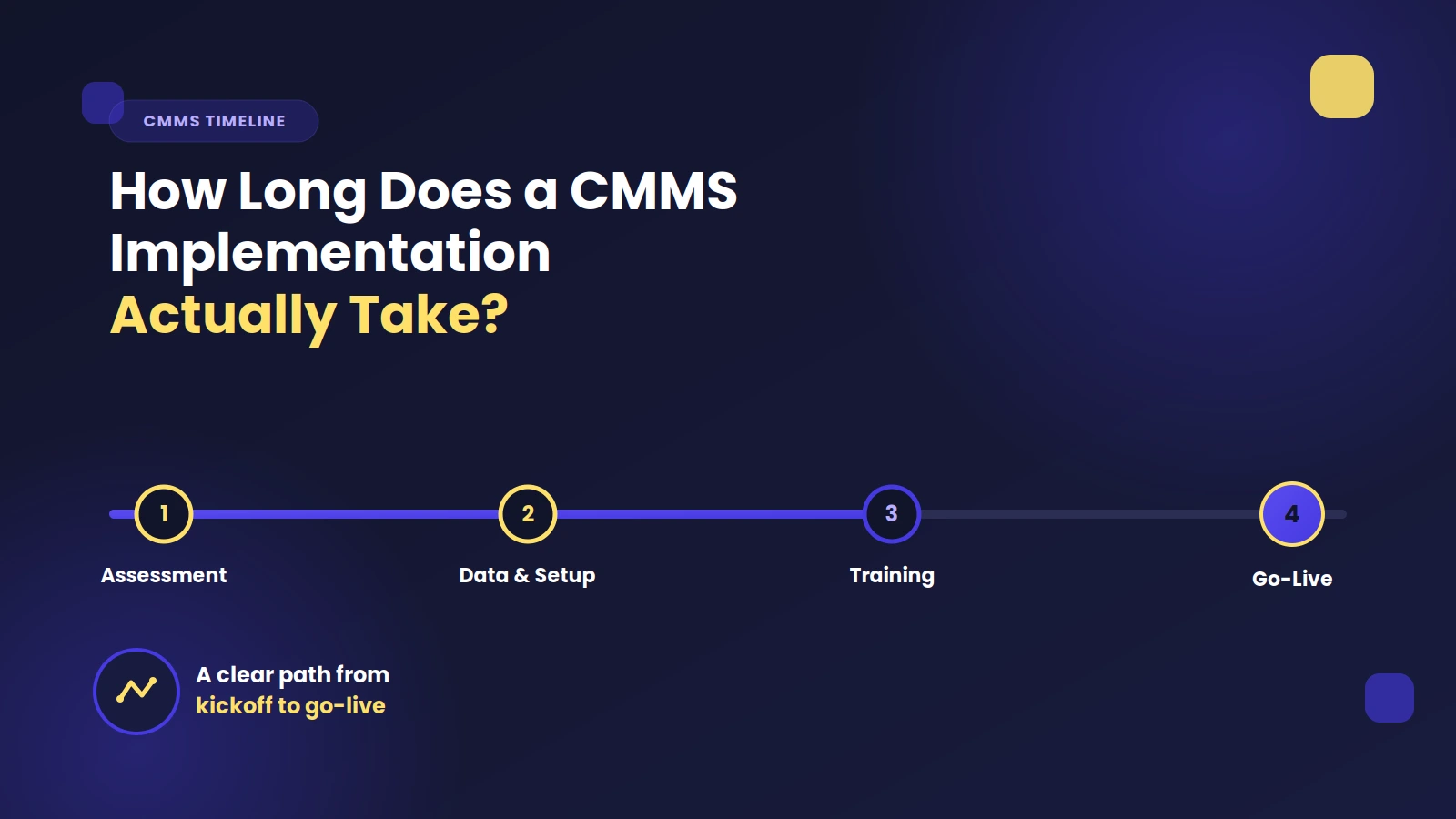
A CMMS rollout works in three phases, in a fixed order, and each one has to prove its value before the next begins:
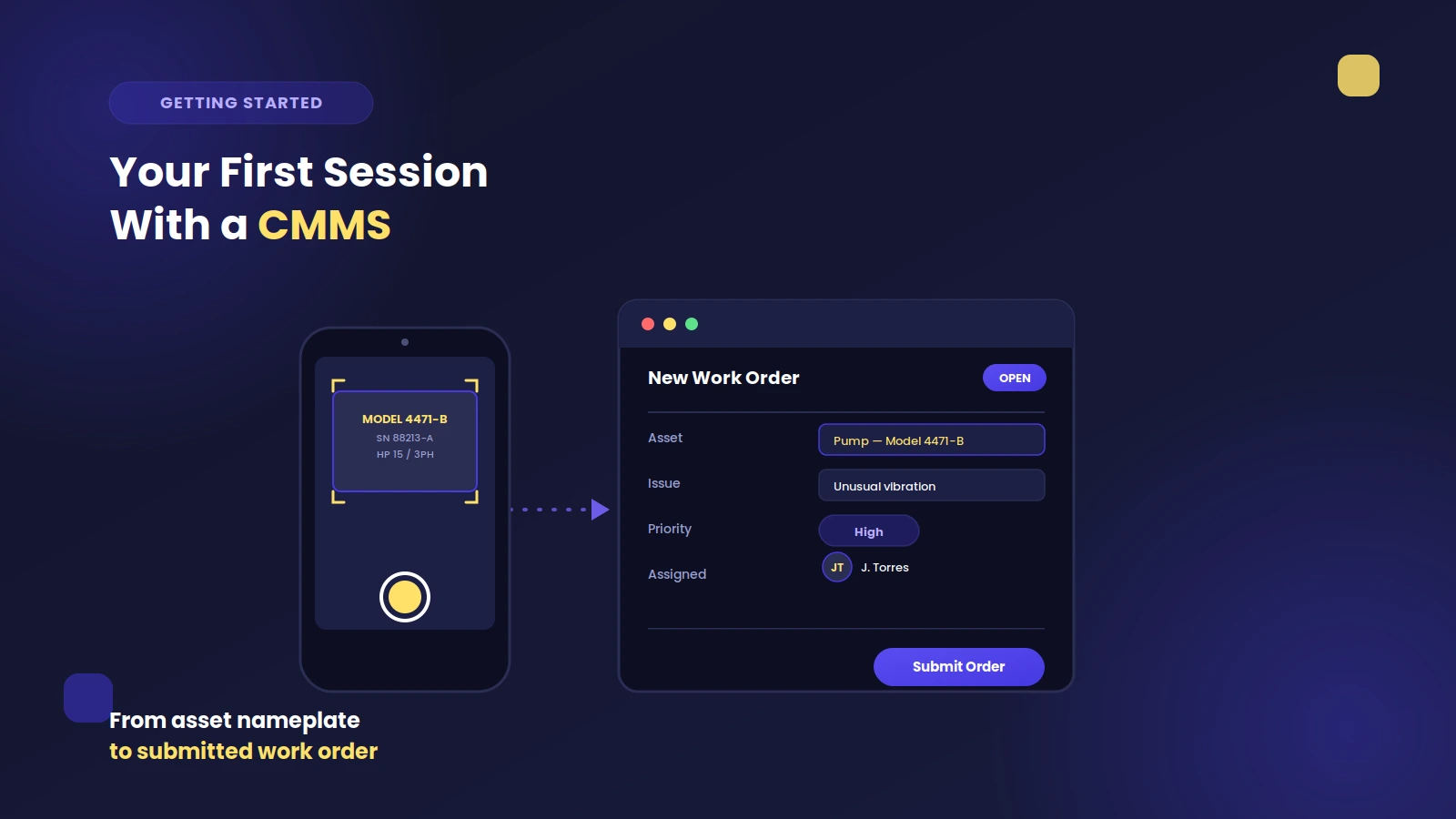
1. Assets and work orders, and nothing else. Get the team logging and closing work orders without being chased before you switch on a single other feature.
2. Checklists and preventive maintenance. Add these only once work orders are a genuine habit. This is where the system starts paying back.
3. Inventory, purchasing, and the heavier modules. Last, and on purpose. They reward a working phase two; they don't launch one.
The instinct is to configure everything during setup, because the system can do it and the demo made it look effortless. That instinct is what buries rollouts. Front-loading the complexity means the team hits friction before they ever feel a benefit, and a team that meets friction first goes back to paper. We spent years inside this industry before building Zoidii, long enough to watch the same rollouts collapse the same way, and the method that came out of it is blunt: get the team closing work orders consistently before you add anything else. Sequence beats scope. The most capable platform in the category still fails if it's switched on all at once.
Why start with only assets and work orders?
The first job is organisation, not analysis. A maintenance operation usually lives across log books, WhatsApp groups, phone calls, sticky notes, and one veteran's memory. Phase one is about pulling all of that into a single place and getting the team to log and close work orders by habit. Nothing else matters until that exists.
Starting this narrow is the most efficient way in, even though it can feel like the opposite. About 80% of a product's features go rarely or never used, Pendo's feature-adoption research found. Beginning with the handful the team will touch every single day is using the system correctly, not partially. The work orders are the habit everything else hangs off. Before you can schedule anything, measure anything, or analyse anything, the work has to be in one place. That's phase one, and for the first few weeks it's enough.
When do you add PMs and checklists?
Only once work orders are a genuine habit. Phase two is preventive maintenance and checklists, and it's the point where the system stops being overhead and starts paying back. Teams that wait until phase one is solid watch the returns compound. Teams that bolt PMs on early just add noise nobody maintains.
The payoff is real and measurable. One of our customers, Holistic Industries, moved into structured PMs once the basics were in place. In their first year, against the year before:
- maintenance costs fell 36% - mechanical, electrical, and plumbing expenses fell 68%
That payoff came from sequencing. The team had already built the habit, so the preventive layer had something to stand on. Phase two is also where a CMMS starts capturing institutional knowledge. At Holistic, one site's stronger water-treatment process became a checklist that pushed to every site through their PMs, so a single team's hard-won method turned into everyone's standard.
What about inventory and the rest?
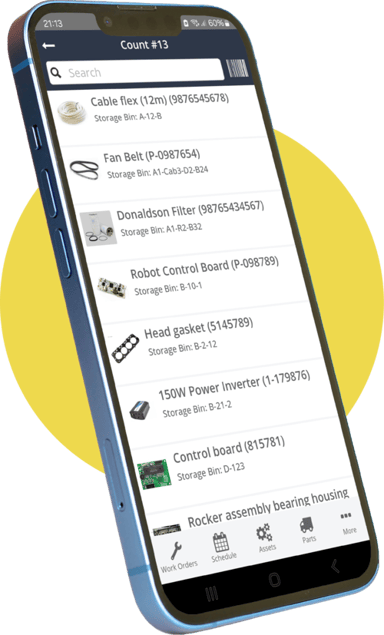
Last, and on purpose. Parts and inventory is heavy to set up and pays a technician back slowly, which makes it the worst place to start and a sensible place to finish. Add it once the foundation holds and the team already trusts the system.
The same goes for the sophisticated features every vendor leads with: dashboards, analytics, anything labelled predictive. They only work on top of data the team has actually been entering. A reporting layer over an empty database tells you nothing useful. The advanced modules are a reward for a working phase two, not a launch feature. Restraint here is a discipline, and the teams that show it are the ones still using the system a year later.
Why does phasing work when a big-bang rollout doesn't?
Because a phased plan is change management with a sequence, and managed change wins by a wide margin:
- Well-managed change meets or beats its objectives 94% of the time - Poorly-managed change manages it 15% of the time
That contrast is the whole case for phasing, from Prosci's change-management research. A phased rollout is simply what well-managed looks like for a CMMS.
The deeper problem is that most rollouts never had a real plan at all. Only 12% of employees say their employer had an effective onboarding plan for them, according to Gallup, and a CMMS rollout is an onboarding problem wearing a software label. The full anatomy of why implementations collapse is its own subject. The narrow point here is simpler: the thing usually missing is the order. Front-loading complexity is how a team talks itself out of a system before it ever feels the benefit.
The order is the strategy. That's what a CMMS implementation plan actually is: a sequencing decision, not a configuration checklist. You're not really buying a system, you're sequencing a habit, and the sequence is what decides whether the team is still using it once the novelty wears off. So change what you ask a vendor. Find out what your team should be able to run on day one with nothing but assets and work orders, and what they would tell you to deliberately leave switched off until later. A vendor who wants every module configured before go-live is describing the rollout you're trying to avoid.
References:
1. Prosci, Best Practices in Change Management. https://www.prosci.com/blog/change-management-best-practices
2. Pendo, 2019 Feature Adoption Report. https://www.pendo.io/resources/the-2019-feature-adoption-report/
3. Gallup, Why the Onboarding Experience Is Key for Retention. https://www.gallup.com/workplace/235121/why-onboarding-experience-key-retention.aspx