
Key Takeaways
- Setting up a CMMS starts with a simple session on a mobile device: one photo, five assets, one work order. The migration you are picturing never has to come first.
- Your first asset comes from pointing your phone at a nameplate. The system reads the plate and builds the record, so the work is choosing what to photograph, not typing spec sheets.
- The session sticks because you did it yourself, on a real machine. A work order you opened and closed is the first line of a history that now keeps itself.
That is the whole claim of this piece, and it is worth being specific about, because specifics are the only thing that beats the memory of a rollout that hurt. Here is exactly what the first session contains.
How do you set up a CMMS?
You set up a CMMS by starting to use it. The configuration is the residue of the first real thing you log, not a wall you climb before you are allowed to begin. The opening session is three moves, in order:
No amount of reading makes a skeptical manager believe this is easy. The thing that works is putting the keys in your own hands and driving. Set up five assets, log one work order, and watch it take about the time it takes to make coffee. The moment you feel that you can do this yourself, without a consultant on a call, is the moment the fear leaves the room. That feeling is the entire product of the first session, and everything below is how you get there.
How do I add assets to a CMMS?
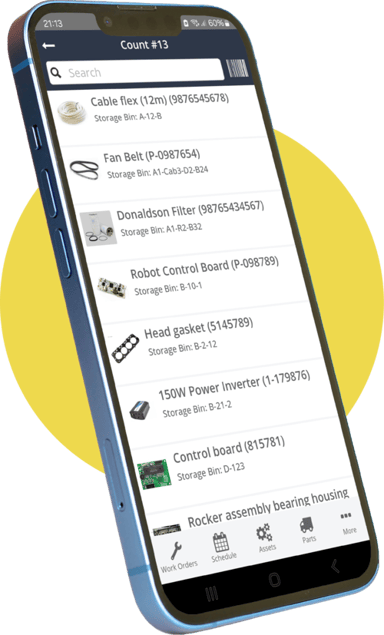
You point your phone at the machine. Photo to Asset reads the nameplate, the equipment tag, or the VIN plate and pulls the make, model, and serial into a new asset record for you. The job that sounded like data entry becomes a walk around your own floor with a camera.
That record is the reason the whole exercise matters. Every work order you raise against the machine writes back to it. The asset page becomes the logbook a paper system never kept: what failed, what it cost, who touched it last, all on one screen. Tag the machine with a QR code and any technician, or any operator who will never log into anything, can scan it and report a fault where they are standing. B&M Retail put QR codes on their assets and cut 20 minutes off every work request, because a work request became a scan instead of a hunt for whoever had the clipboard.
The resistance you expect from the floor is really resistance to friction. When raising a work order is one tap instead of fifteen fields, the same technician who says they hate computers reaches for the system anyway.
Which five assets do you start with?
Five, chosen on purpose. The instinct to catalogue the whole plant before you log anything is what abandons the setup by week two. Leave the rest of the facility for a later time and start with the machines whose failure you feel first:
- The one that stops production when it goes down
- The one you are forever patching
- The one nobody else on the team knows how to fix
- The one an audit would ask you about
- The one whose downtime you would have to explain to someone above you
How do you log your first work order?
You open a job against one of your five assets and you close it in the same session. Make it a real one: the repair you did this morning, the inspection you owe, the fault someone reported an hour ago. Fill in what happened, mark the tasks done, and log the total time at the end instead of clocking each step, because that is how the work actually happened on the floor.
The moment you close it, the record exists. The asset has its first line of history, and the maintenance you have always carried in your head is now sitting somewhere the whole team can see. The next work order goes into the system instead of onto a sticky note, and the one after that, until the system is simply where the work lives. That is what the setup was for: a first entry that proves the thing works, and a second that proves you will keep going.
Everything past this session is more of the same motion. More assets when you have a spare hour, checklists and preventive schedules once the team is closing jobs without being reminded, inventory later still. The order those layers come in is its own subject. The session in front of you is smaller than all of it, and it is the only part you have to do today.
The setup you were bracing for was a photograph and one closed work order. The migration, the training rooms, the fear you inherited from a system built for a much bigger buyer, none of it is the price of starting here. When a vendor tells you how to set up their CMMS, ask who is holding the phone in that story: you, on your own floor, or their consultant on a screen share. If the answer is not you, the setup they are describing is not the one you just finished.
References
- B&M Retail, QR-code based work requests saving 20 minutes per report (customer outcome; case study not publicly linked)