
Ensuring that assets are efficiently utilized, adequately maintained, and optimally replaced for maintenance and asset managers is crucial for operational success. A well-developed asset management policy is not just a document but a cornerstone for structured asset management practices, allowing organizations to achieve reliability, compliance, and cost-effectiveness.
This guide will cover everything you need to know about developing an asset management policy, from its benefits to best practices and overcoming common challenges.
What Is an Asset Management Policy?
An asset management policy is a strategic document that outlines an organization’s principles, objectives, and approach to managing its physical assets throughout its lifecycle.
It serves as a guiding framework for making asset procurement, operation, maintenance, and disposal decisions.
Key Purposes of an Asset Management Policy:
- Define organizational goals for asset management.
- Establish standardized procedures and responsibilities.
- Ensure compliance with industry regulations and standards.
- Optimize asset utilization and performance.
- Promote cost-effective maintenance and lifecycle planning.
Benefits of an Asset Management Policy
Implementing a structured asset management policy offers a range of advantages, including:
1. Enhanced Asset Reliability and Performance
A clearly outlined policy ensures that assets are maintained and operated to minimize failures and downtime, leading to increased reliability and sustained performance.2. Cost Savings
By proactively managing assets, organizations can reduce unnecessary maintenance expenses, avoid premature replacements, and plan budgets more effectively.3. Regulatory Compliance
A structured policy ensures adherence to industry-specific regulations, government requirements, and environmental standards, reducing the risk of legal complications.4. Improved Risk Management
Having an asset management policy in place allows organizations to identify and mitigate risks associated with asset failures, financial losses, and operational disruptions.5. Extended Asset Lifespan
By following established maintenance schedules and guidelines, organizations can extend the useful life of their assets and maximize return on investment.6. Informed Decision-Making
Data-driven asset management provides valuable insights, enabling management to make strategic decisions regarding acquisitions, maintenance schedules, and replacements.
Key Components of an Asset Management Policy
A comprehensive asset management policy should include the following essential components:
1. Policy Statement
This section provides a high-level commitment statement from the organization, outlining its approach to asset management, objectives, and guiding principles.2. Scope and Applicability
This section defines which assets are covered under the policy, such as buildings, machinery, vehicles, and other critical infrastructure. It should also specify the stakeholders responsible for implementing the policy.3. Roles and Responsibilities
Cleary delineates responsibilities among various stakeholders, including maintenance teams, operations personnel, finance teams, and executive leadership.4. Lifecycle Management Strategy
Outlines how assets will be acquired, utilized, maintained, and disposed of, ensuring a systematic approach to asset lifecycle management.5. Maintenance and Reliability Guidelines
Provides directives for different maintenance strategies, including:- Preventive maintenance – scheduled routine inspections and servicing.
- Predictive maintenance – using data analytics and monitoring tools to predict failures.
- Corrective maintenance – addressing issues after they occur.
6. Risk Management Framework
Identifies potential risks associated with asset failures and provides strategies to mitigate them, ensuring operational continuity.7. Regulatory and Compliance Considerations
Ensures alignment with local, national, and international regulations, industry best practices, and safety standards such as ISO 55000 (Asset Management) and OSHA regulations.8. Performance Measurement and Continuous Improvement
Defines key performance indicators (KPIs) such as asset uptime, maintenance costs, and compliance rates, which can be tracked to evaluate and improve asset management performance.Steps to Developing an Effective Asset Management Policy
Creating an asset management policy involves several structured steps:
Step 1: Assess Organizational Needs and Goals
Conduct a thorough assessment to identify the organization’s asset management needs, goals, and challenges. Engage with key stakeholders to understand their expectations.Step 2: Define Asset Categories and Scope
Classify assets based on type, function, and criticality. Determine which assets are essential for business continuity and prioritize their management.Step 3: Engage Stakeholders
Involve maintenance managers, finance teams, operations personnel, and executives to ensure a holistic and practical approach to policy development.Step 4: Develop Policy Framework and Guidelines
Draft the policy document, outlining roles, responsibilities, maintenance strategies, risk management measures, and compliance requirements.Step 5: Align with Industry Standards and Regulations
Ensure the policy conforms to ISO 55001 (Asset Management) and other relevant regulations to enhance credibility and effectiveness.Step 6: Implement and Communicate the Policy
Roll out the policy across the organization. Provide training and resources to ensure understanding and compliance.Step 7: Monitor, Review, and Update
Regularly evaluate policy effectiveness using performance metrics and stakeholder feedback. Update the policy as needed to reflect operations, technology, and regulations changes.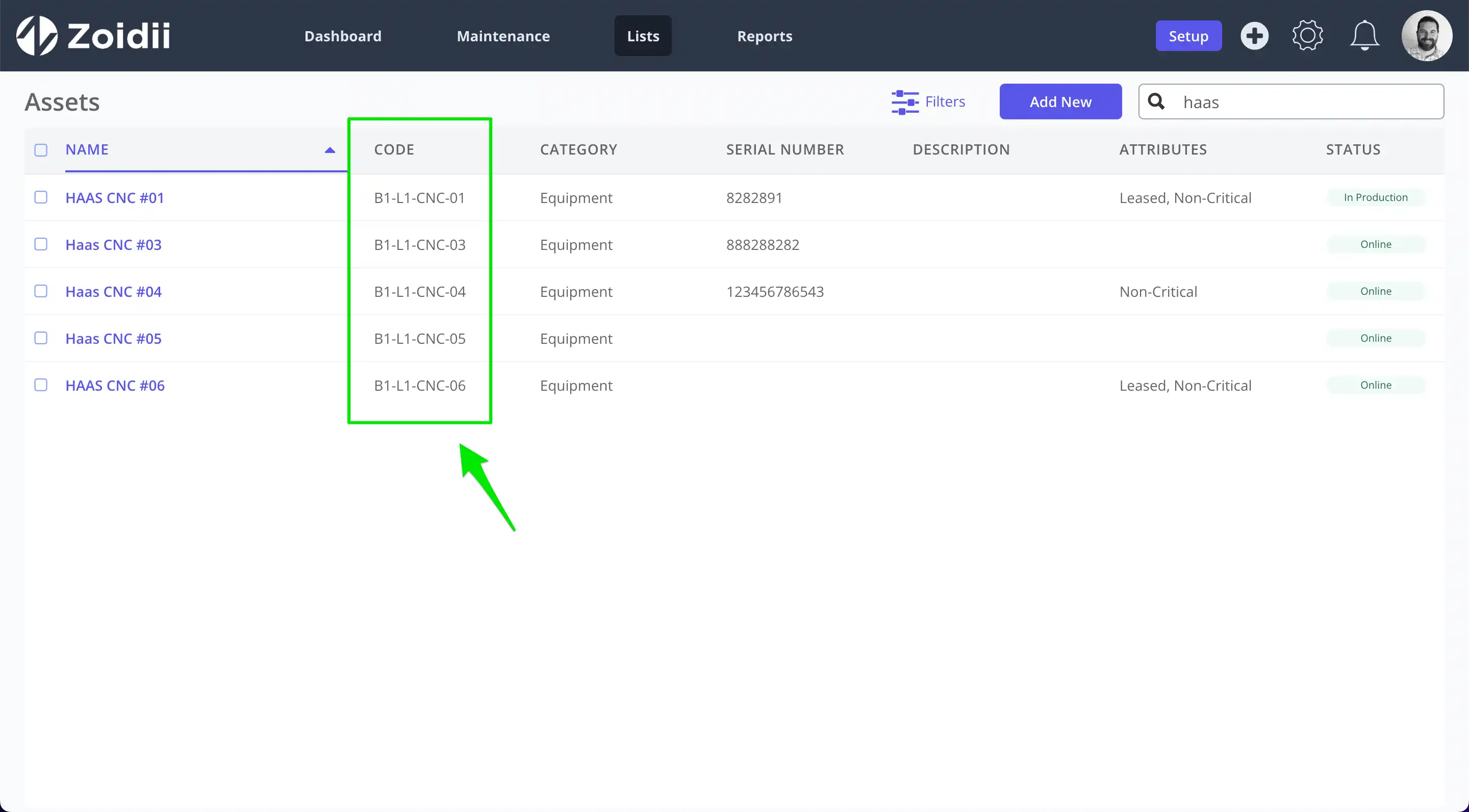
Best Practices for Asset Management Policy Implementation
For successful implementation, consider these best practices:
1. Obtain Executive Buy-in
Securing support from top management ensures adequate funding and resource allocation.2. Leverage Technology and Data Analytics
Use modern asset management software (like Zoidii CMMS), IoT sensors, and predictive analytics to enhance decision-making.3. Train Employees and Foster a Culture of Accountability
Ensure that employees understand their roles in asset management and encourage accountability.4. Integrate Asset Management with Business Processes
Align asset management with financial planning, procurement, and risk management to create a cohesive strategy.5. Standardize Procedures and Documentation
Develop standard operating procedures, templates, and workflows to ensure consistency in asset management processes.6. Continuously Improve Through Audits and Feedback
Regularly review asset performance data, conduct audits, and adjust the policy based on insights and industry advancements.Common Challenges in Asset Management and How to Overcome Them
Challenge 1: Inconsistent Asset Tracking
- Solution: Implement a centralized asset tracking system that is mobile-enabled.
Challenge 2: Budget Constraints
- Solution: Prioritize critical assets and adopt cost-effective maintenance strategies such as preventive maintenance.
Challenge 3: Resistance to Change
- Solution: Provide training, communicate benefits clearly, and involve employees in the transition process.
Challenge 4: Compliance and Regulatory Issues
- Solution: Stay updated on regulations and integrate compliance requirements into the policy.
Challenge 5: Lack of Data-Driven Decision Making
- Solution: Utilize analytics tools to track asset performance and inform strategic decisions.
What Next?
Maintenance and asset managers must develop a robust asset management policy to enhance operational efficiency, reduce costs, and ensure compliance.
By following the outlined steps and best practices, organizations can establish a sustainable framework that maximizes asset value and drives long-term success.
To manage your assets most effectively, reach out to Zoidii CMMS to learn about how an intuitive CMMS can help you manage your assets and resources efficiently.