
Maintenance managers are the backbone of reliable plant operations. Their role is vital and diverse. They ensure equipment uptime, lead teams, and manage budgets. Setting yearly goals is essential. This is true due to increased complexity, older assets, and a shortage of skilled workers. It helps keep the plant running and drives strategic improvements.
This article covers why annual goal-setting matters for maintenance managers. It covers the types of goals to consider. Then, it shows how to align them with company priorities. Finally, it offers practical steps to track and achieve those goals.
Why Yearly Goal Setting Matters
Setting clear, measurable goals each year helps maintenance managers:
- Align with broader business objectives.
- Improve team performance and accountability.
- Reduce unplanned downtime and costs.
- Prepare for audits, certifications, or compliance.
- Identify resource needs (tools, software, training).
Step 1: Review the Previous Year
Before setting new goals, assess the past year’s performance. Questions to consider:
- Were last year’s goals met? If not, why?
- What KPIs improved, declined, or stagnated?
- What were the top causes of downtime?
- Which assets or processes consumed the most time and resources?
Step 2: Align with Organizational Objectives
Maintenance goals should never be set in isolation. They must support wider business goals such as:
- Increasing production output.
- Reducing operational costs.
- Meeting sustainability targets.
- Enhancing product quality.
- Complying with regulatory standards.
Step 3: Identify Key Goal Categories
Effective maintenance goals span several domains. Here are the most critical categories:
1. Asset Reliability and Uptime
- Reduce unplanned downtime by 15%.
- Increase mean time between failures (MTBF).
- Achieve 98% preventive maintenance compliance.
2. Cost Control and Budgeting
- Decrease maintenance costs per unit by 10%.
- Cut spare parts inventory waste by 20%.
- Reduce overtime labor costs by streamlining scheduling.
3. Team Performance and Training
- Provide at least 20 hours of technical training per technician.
- Implement a technician's skills matrix.
- Reduce maintenance-related safety incidents to zero.
4. Preventive and Predictive Maintenance
- Convert 25% of reactive work orders to preventive tasks.
- Conduct a thorough implementation of vibration analysis for rotating equipment.
- Integrate IoT sensors on the top 10 critical machines.
5. Technology and Data Management
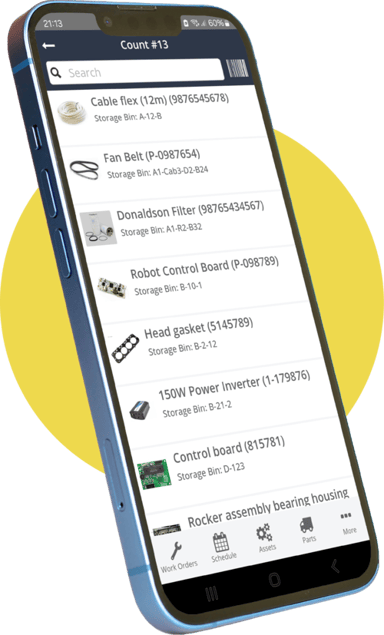
- Migrate to a mobile-enabled CMMS.
- Improve data entry accuracy by 90%.
- Standardize maintenance reporting across shifts.
6. Compliance and Sustainability
- Pass all internal and external audits with zero major findings.
- Implement environmentally friendly lubrication practices.
- Track and reduce water usage in cooling systems by 10%.
Step 4: Set SMART Goals
All goals should be SMART:
- Specific – Clearly define what is to be achieved.
- Measurable – Quantify outcomes with KPIs or benchmarks.
- Achievable – Ensure that resources and skills are available.
- Relevant – Align with departmental and business priorities.
- Time-bound – Set deadlines and checkpoints.
Step 5: Create a Roadmap with Milestones
Yearly goals can be overwhelming without clear steps. Break them into quarterly or monthly milestones:
- Q1: Complete the baseline asset health assessment.
- Q2: Put in place a training program on CMMS best practices.
- Q3: Check the success of new PM strategy with metrics.
- Q4: Present the annual maintenance performance report.
Step 6: Leverage Technology (Especially CMMS)
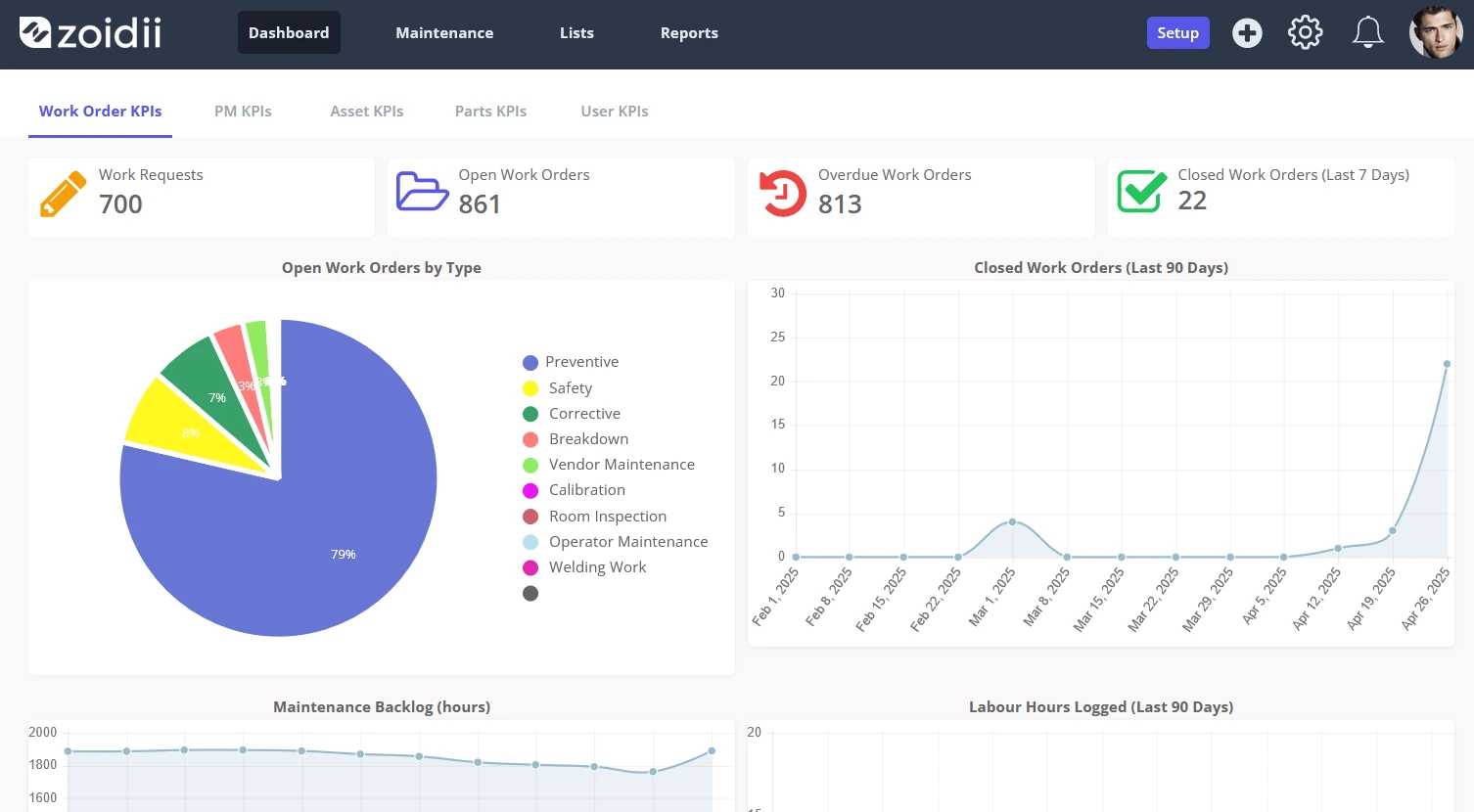
A Computerized Maintenance Management System (CMMS) is essential for goal tracking. Here’s how it helps:
- KPI dashboards: Track MTTR, PM compliance, and costs.
- Work order tracking: See what’s reactive vs. preventive.
- Asset history: Identify trends and recurring issues.
- Technician reports: Track individual performance.
- Scheduling tools: Ensure PM tasks are timely and not missed.
Step 7: Communicate and Collaborate
Goals are only effective when the whole team understands and supports them.
Tips for communication:
- Hold a kickoff meeting to explain the annual goals.
- Display KPIs or goal progress in a visual format within work areas.
- Recognize and reward milestones or improvements.
- Encourage team input—technicians often know where improvements are most needed.
Step 8: Evaluate Progress and Adjust
Conduct regular reviews to check goal progress:
- Monthly team meetings to review KPIs.
- Quarterly performance assessments.
- Mid-year strategy revision if goals become unachievable.

Common Pitfalls to Avoid
- Setting too many goals: Focus on 3–5 major priorities.
- Lack of clarity: Vague goals lead to confusion and inconsistency.
- Ignoring data: Historical trends and real needs must back goals.
- No accountability: Assign ownership to individuals or teams.
- Failure to celebrate wins: Recognition boosts morale and momentum.
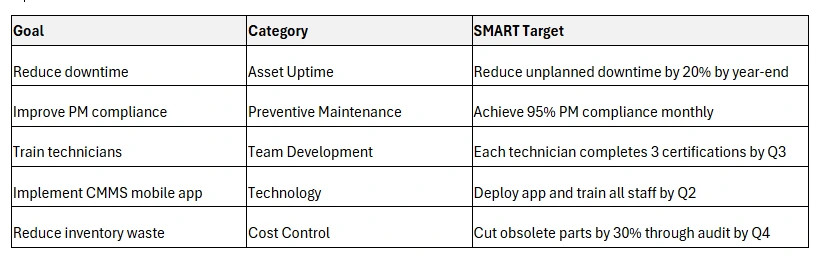
Sample Yearly Goals for a Maintenance Manager
In Summary
Yearly goal setting isn’t just planning. It’s a key strategy. It helps maintenance managers take a proactive role in boosting plant performance.
Maintenance leaders can cut costs and boost team productivity. They should set clear, realistic, and data-driven goals. These goals must align with business priorities. This helps create a more reliable operation.
In today’s quick, tech-driven world, the best maintenance managers do more than fix machines. They set direction, build accountability, and lead with purpose.