Equipment availability is a critical metric in any industry that relies on machinery and tools to produce goods or deliver services. Whether it's a manufacturing plant, a construction site, or a mining operation, equipment availability directly impacts productivity, operational efficiency, and profitability.
When equipment is unavailable due to breakdowns, maintenance, or other interruptions, it can cause significant downtime, leading to delays, increased operational costs, and reduced profitability.
This knowledge article defines equipment availability, its importance, the key factors that affect it, and practical strategies to improve availability in your operations. We will also explore how technology transforms organizations' management of equipment availability, leading to more reliable and efficient operations.
What is Equipment Availability?
The equipment availability metric measures the percentage of time that equipment is operational and capable of performing its intended function. In simple terms, it refers to how often equipment is available compared to the total time it could be used by production. This metric is crucial because it directly correlates with productivity; the more available the equipment, the more output an operation can generate.
Availability is usually presented as a percentage:
Availability = Total UptimeTotal Time / Total Time x 100 Where: Total Uptime refers to the time the equipment is functioning correctly. Total Time includes operational and downtime (scheduled maintenance, unscheduled repairs, etc.).
Availability can also be calculated as follows:
Availability = MTBF / (MTBF + MTTR) Where: MTBF = Mean Time Between Failure MTTR = Mean Time To Repair
The goal of maintenance is to ensure availability is as close to 100% as possible. High equipment availability is essential for smooth operations, while low availability can lead to production losses, higher costs, and missed deadlines.
Types of Downtime
To better understand equipment availability, it's essential to categorize downtime into two types:
- Scheduled Downtime includes planned events such as routine maintenance, equipment inspections, or upgrades. Although this time is considered planned downtime, excessive scheduled downtime can reduce overall availability.
- Unscheduled Downtime: Unplanned events such as equipment breakdowns, failures, or unanticipated maintenance tasks fall into this category. Unscheduled downtime is more costly and disruptive than scheduled downtime, as it often results in unexpected halts in operations.
Importance of Equipment Availability
Equipment availability has a profound impact on the overall performance and profitability of an organization. Here's why it's so important:
1. Increased Productivity
When equipment is available and functioning efficiently, the output of operations is maximized. Equipment downtime reduces production rates, leading to delays, missed deadlines, and potential customer dissatisfaction. High availability ensures that production schedules are maintained and resources are utilized effectively.2. Cost Control
Every minute of downtime can cost a business money, whether lost production, idle labor, or emergency repair costs. Organizations can control costs associated with unscheduled repairs, emergency labor, and rush deliveries for parts or materials by maintaining high equipment availability. Additionally, minimizing downtime reduces the likelihood of needing to rent substitute equipment, which can further increase costs.3. Improved Asset Utilization
High availability allows organizations to get the most out of their equipment investments. When equipment is frequently unavailable due to breakdowns or maintenance, it reduces the return on investment (ROI) by decreasing the useful working time of the asset. Maximizing availability ensures organizations achieve better value from their capital expenditures on equipment.4. Enhanced Safety
When equipment is well-maintained and available, it is less likely to fail unexpectedly, reducing the risk of accidents and injuries. Frequent breakdowns can lead to unsafe conditions, especially in construction, mining, or manufacturing industries, where faulty machinery can pose significant hazards to workers.5. Customer Satisfaction
High equipment availability translates to reliable production schedules and on-time deliveries. Equipment downtime can lead to missed delivery windows and customer dissatisfaction in industries with tight deadlines or high customer expectations. Keeping equipment available helps organizations meet customer demands consistently and maintain strong relationships.Critical Factors Affecting Equipment Availability
Several factors influence equipment availability, and understanding these factors can help organizations implement strategies to maximize uptime.
1. Maintenance Practices
Effective maintenance is one of the most critical factors affecting equipment availability. There are several types of maintenance practices that organizations can adopt:- Preventive Maintenance refers to regular, scheduled maintenance activities that help prevent equipment failures before they occur. Preventive maintenance includes tasks such as lubrication, cleaning, part replacements, and inspections. It can reduce the likelihood of unplanned breakdowns but must be well-managed to avoid excessive downtime.
- Predictive Maintenance: This approach uses real-time data and condition monitoring tools to predict when equipment will likely fail. By identifying issues before they lead to breakdowns, predictive maintenance helps maximize availability while minimizing unnecessary downtime.
- Reactive Maintenance: Also known as run-to-failure maintenance, reactive maintenance involves repairing equipment only after failure. While this may seem cost-effective in the short term, it can lead to more extended downtimes, higher repair costs, and reduced equipment availability.
2. Operator Training and Skill Level
Operators play a crucial role in maintaining equipment availability. Well-trained operators are more likely to use equipment correctly, follow operating procedures, and detect early signs of equipment issues. Poorly trained operators may inadvertently cause damage or fail to report problems, leading to equipment failure and downtime.Investing in operator training ensures that employees understand how to operate equipment efficiently, recognize warning signs, and perform basic maintenance tasks that can prevent breakdowns.
3. Spare Parts and Inventory Management
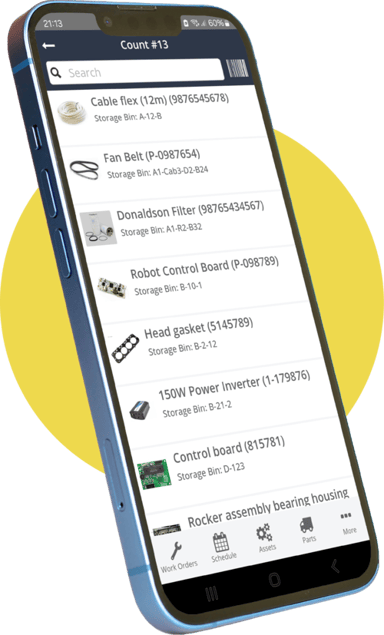
The availability of spare parts and effective inventory management significantly impact equipment availability. A lack of suitable spare parts can delay repairs, leading to extended downtime. A well-managed spare parts inventory ensures that critical components are available when needed, minimizing the time it takes to repair equipment.Some organizations use predictive analytics to manage spare parts inventory, ensuring that parts likely to fail soon are kept in stock while avoiding excess inventory that ties up capital.
4. Age and Condition of Equipment
The age and condition of equipment directly influence its availability. Older equipment is more prone to breakdowns and may require frequent maintenance, reducing availability. Regular inspections, upgrades, or replacements of outdated equipment can help maintain high availability.Organizations must balance the cost of maintaining older equipment with the benefits of investing in newer, more reliable machinery. In some cases, upgrading or replacing equipment can significantly improve availability and overall operational efficiency.
5. Environmental Factors
External environmental conditions such as weather, temperature, humidity, and dust can affect the equipment's performance and longevity. Harsh working environments may cause equipment to deteriorate faster, leading to more frequent breakdowns and reduced availability. Organizations working in extreme conditions must take additional precautions, such as using specialized equipment or implementing more stringent maintenance schedules, to maintain high availability.6. Technology Integration
Modern technology, such as the Internet of Things (IoT), artificial intelligence (AI), and machine learning, is transforming how organizations manage equipment availability. Predictive maintenance systems, real-time monitoring, and data analytics can provide real-time insights into equipment health and performance, allowing organizations to take proactive steps to prevent failure from occurring.Technology can also optimize scheduling, ensuring that equipment is available when needed and downtime is minimized during off-peak times.
Strategies to Improve Equipment Availability
To maximize equipment availability and ensure smooth operations, organizations can implement the following strategies:
1. Adopt a Predictive Maintenance Approach
Predictive maintenance helps minimize downtime, reduces maintenance costs, and increases availability. Implementing sensors, IoT devices, and data analytics platforms can help organizations monitor equipment health and make informed decisions about maintenance.2. Implement Preventive Maintenance Programs
Preventive maintenance programs reduce the likelihood of equipment breakdowns by scheduling regular maintenance activities. By adhering to a well-structured preventive maintenance plan, organizations can prevent unscheduled downtime and extend the lifespan of their equipment.3. Improve Training and Development for Operators
Investing in operator training ensures that employees have the skills and knowledge to operate equipment correctly, perform autonomous maintenance, and recognize potential issues early. Ongoing training programs and certifications can enhance operator competence and increase equipment availability.4. Enhance Spare Parts Inventory Management
Having the right spare parts on hand is essential for minimizing downtime when repairs are needed. Organizations can improve availability by implementing inventory management systems that track usage patterns and ensure critical spare parts are available when needed.5. Use Data-Driven Decision Making
Leveraging data analytics can provide insights into equipment performance, usage patterns, and potential failure points. By analyzing historical asset repair data, organizations can identify trends within their CMMS software and take proactive steps to optimize equipment availability. Advanced technologies such as IOT, AI, and machine learning can predict future maintenance needs and help organizations make more informed decisions.6. Upgrade Aging Equipment
While extending the life of aging equipment may be tempting, doing so can lead to increased breakdowns and reduced availability. Regularly assessing the condition of equipment and investing in upgrades or replacements can help organizations maintain high availability and improve overall productivity.Challenges in Maintaining Equipment Availability
Maintaining high equipment availability can be challenging due to several factors:
- Budget Constraints: Implementing predictive maintenance systems or upgrading equipment can require significant upfront investment.
- Operator Resistance: Changing maintenance practices or implementing new technology can face resistance from operators accustomed to traditional methods.
- Unpredictable Failures: Despite preventive or predictive maintenance, unexpected equipment failures can still occur, disrupting operations.
Maximise Equipment Availability at your Organization
Equipment availability is critical in ensuring smooth and efficient operations across industries. High availability allows organizations to maximize productivity, reduce costs, and maintain safety, while low availability can lead to downtime, low productivity, lost revenue, and dissatisfied customers.
Organizations can significantly improve equipment availability by adopting effective maintenance practices, investing in operator training, leveraging technology, and managing spare parts inventory efficiently. With the right strategies, equipment availability becomes a key driver of operational success and business growth.