Health monitoring is a critical practice in manufacturing that involves continuously tracking the condition and performance of assets to ensure they operate within optimal parameters. By closely monitoring asset health, manufacturers can detect early signs of wear, potential failures, and inefficiencies before they lead to costly breakdowns or downtime.
Health monitoring is essential for maintaining high levels of reliability, reducing unplanned maintenance costs, and prolonging asset life.
For asset managers, integrating health monitoring with a Computerized Maintenance Management System (CMMS) offers a streamlined approach to managing asset health, allowing for proactive, data-driven maintenance that keeps equipment running smoothly and effectively.
This article will explore the benefits of health monitoring for manufacturing assets and how a CMMS can be vital in tracking and managing it.
What is Health Monitoring for Manufacturing Assets?
Health monitoring is the continuous assessment of equipment condition and performance using a combination of sensors, predictive analytics, and regular inspections. In manufacturing, this process enables leaders to identify signs of wear and inefficiency early on, allowing for timely intervention before issues escalate into significant failures.
Key Components of Health Monitoring
1. Condition Monitoring
Tracks parameters like vibration, temperature, pressure, and sound, giving real-time insights into asset condition. Abnormalities can indicate the onset of mechanical issues such as misalignment, overheating, or excessive friction.2. Predictive Analytics
Advanced algorithms analyze historical and real-time data to predict when an asset is likely to fail. This information enables asset managers to plan maintenance based on data-driven insights, reducing the risk of unexpected breakdowns.3. Performance Tracking
Health monitoring involves tracking key performance indicators (KPIs) such as output rates, cycle times, and energy consumption. A drop in performance may indicate underlying issues that need addressing.4. Automated Alerts
Health monitoring systems can trigger alerts when specific parameters exceed predefined thresholds, signaling immediate attention is needed.Health monitoring provides a real-time view of asset condition, helping to ensure that assets are operational and performing efficiently.
Benefits of Health Monitoring in Manufacturing
Implementing health monitoring practices provides multiple benefits to asset managers and the manufacturing process:
1. Enhanced Reliability
Regular asset health monitoring reduces the risk of unexpected breakdowns, increasing the reliability of manufacturing processes.2. Cost Savings
Early detection of issues allows for timely repairs, which are generally less costly than emergency fixes (on average 3-9X less). Over time, this reduces overall maintenance expenses. Improved Asset Lifespan: Asset health monitoring helps prolong the useful life of equipment by addressing wear and inefficiencies early.3. Optimized Maintenance Scheduling
Rather than relying on fixed maintenance intervals, asset managers can use health data to schedule maintenance based on actual conditions, making maintenance more efficient and cost-effective.4. Better Safety and Compliance
Regularly monitored assets are less likely to fail suddenly, reducing the likelihood of safety hazards. Health monitoring also helps maintain compliance with industry regulations by ensuring equipment operates within safe parameters.How a CMMS Can Support Health Monitoring
A Computerized Maintenance Management System (CMMS) can enhance health monitoring efforts by consolidating asset data, automating maintenance scheduling, and providing analytics to help managers make informed decisions.
Here are some ways a CMMS aids in effective health monitoring and asset management:
1. Data Collection and Integration
A CMMS can integrate with Internet of Things (IoT) devices and sensors that track asset health metrics like temperature, vibration, and energy consumption. This real-time data is captured and stored in the CMMS, creating a centralized repository of health information. Managers can access up-to-date health metrics to monitor asset conditions without manual data entry or checks closely.2. Automated Alerts and Notifications
When asset health monitoring detects an anomaly, the CMMS can trigger alerts or work orders automatically. For example, if a motor exceeds its normal vibration threshold, the CMMS can alert the maintenance team and schedule an inspection. Automated alerts help address issues promptly, preventing minor problems from becoming significant breakdowns.3. Condition-Based and Predictive Maintenance Scheduling
With data from health monitoring, a CMMS enables condition-based maintenance (maintenance triggered by asset condition) and predictive maintenance (maintenance based on projected failures). This approach is more efficient than scheduled maintenance, as it reduces unnecessary servicing of assets still in good condition while prioritizing assets showing signs of wear.4. Asset Health History Tracking
A CMMS maintains a comprehensive health history for each asset, including past conditions, repairs, parts replaced, and maintenance records. This data helps managers identify recurring issues, understand wear patterns, and decide whether to repair or replace aging equipment. Tracking historical health information enables better forecasting and asset lifecycle planning.5. Reporting and Analytics
A CMMS provides reporting tools that allow managers to track critical health metrics and KPIs, offering valuable insights into asset performance. By analyzing trends in health data, asset managers can determine the effectiveness of their maintenance strategies and make data-driven improvements.For example, if health data reveals frequent overheating in specific equipment, the maintenance team can investigate and resolve the root cause, improving long-term reliability.
6. Inventory and Spare Parts Management
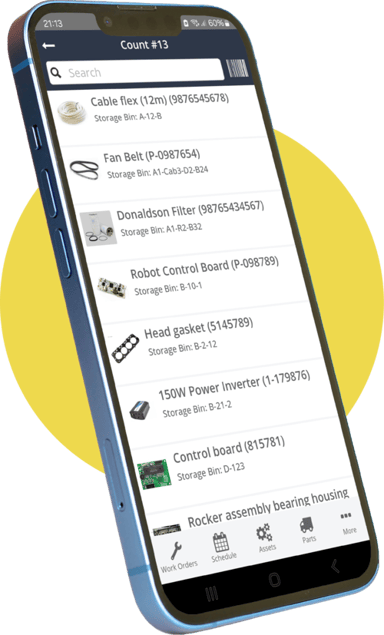
Health monitoring data in a CMMS can also support inventory management by forecasting the need for parts. When health data suggests that an asset will soon need a replacement part, the CMMS can check inventory levels and trigger restocking if necessary, ensuring parts are available for timely repairs and reducing downtime.7. Increase Reliability Through Health Monitoring
For asset managers, health monitoring is vital for maintaining asset reliability, reducing costs, and optimizing maintenance strategies. By continuously tracking asset condition and performance, health monitoring helps managers detect and address issues before they lead to equipment failures or costly downtime.Improve Maintenance Efficiency with Health Monitoring
A CMMS enhances health monitoring by centralizing asset data, automating alerts, and enabling condition-based maintenance.
With real-time insights into asset health, automated scheduling, and analytics tools, a CMMS empowers managers to maintain high asset performance and reliability, ultimately supporting a more efficient and productive manufacturing environment.
Integrating health monitoring with a CMMS is an effective strategy for keeping manufacturing assets in optimal condition and reducing the long-term costs of maintenance.