Maintainability is vital to operational efficiency, cost-effectiveness, and asset longevity in asset management. Maintenance leaders ensuring that assets perform optimally with minimal downtime must understand and prioritize maintainability as part of a robust asset management strategy.
This article delves into the concept of maintainability and its distinction from reliability and offers strategies to enhance it. It also discusses how a Computerized Maintenance Management System (CMMS) can be transformative in this pursuit.
What is Maintainability?
Maintainability is the ease with which maintenance teams can maintain an asset or system to ensure it operates effectively. Specifically, it encompasses the speed, efficiency, and predictability with which maintenance activities—whether preventive, corrective, or predictive—can be executed on an asset.
When assets are highly maintainable, they are easier to repair, have minimal downtime, and contribute to smoother operational workflows.
How do you Calculate Maintainability?
In practical terms, maintainability reduces the time and effort required to restore an asset to its functional state after a failure or performance decline. Maintenance and reliability leaders measure Mean Time To Repair to determine how readily their team can address and resolve asset issues, helping to improve productivity and lower maintenance costs.
Difference Between Maintainability and Reliability
While often used interchangeably, maintainability and reliability are distinct concepts in asset management:
- Reliability is the probability that the asset can execute a failure-free operation within normal operating conditions for a managed period of time. A highly reliable asset is less prone to breakdowns and thus requires fewer maintenance interventions.
- Maintainability is the ease with which maintenance can be performed on an asset to return it to normal operating conditions. Highly maintainable assets allow quick and efficient maintenance, reducing downtime even when they fail. Maintainability can be designed into the asset from the outset to ensure the asset can be repaired quickly if needed.
Key Strategies to Enhance Maintainability
For maintenance leaders, enhancing maintainability involves strategic planning and adopting a mindset focused on efficiency, simplicity, and long-term asset performance. Here are several key strategies to consider:
1. Design for Maintainability (DfM)
When selecting or designing assets, prioritize features that facilitate easy access to critical components, standardized parts, and simplified assembly and disassembly. This approach minimizes the need for specialized tools or knowledge and streamlines the repair process.2. Implement Standardized Maintenance Procedures
Develop clear, consistent procedures for common maintenance tasks to reduce the likelihood of human error and variation. Standardized procedures ensure that maintenance can be performed efficiently, even by newer team members. Follow this guide on how to write standard operating procedures effectively.3. Use Modular Components
Modular design allows for the quick replacement of components without extensive dismantling of the asset. This not only speeds up repairs but also reduces the likelihood of further damage during maintenance activities.4. Provide Adequate Training and Knowledge Sharing
Ensuring that maintenance personnel are well-trained in asset-specific procedures and troubleshooting skills enhances maintainability. Knowledge-sharing initiatives, such as peer-led workshops or documentation of past repair experiences, can also reduce time spent on diagnosis and repair.5. Optimize Inventory Management for Spare Parts
Maintain an organized inventory of critical spare parts to avoid delays in repair. Data analytics to track frequently used parts or those prone to wear can inform inventory decisions and ensure parts are available when needed, reducing asset downtime.6. Purchase Similar Equipment
Low-cost airlines like Ryanair and Southwest purchase similar aircraft types to improve maintainability. Similar equipment often shares maintenance requirements, such as tools, techniques, and spare parts, which simplifies training and reduces the complexity of maintenance tasks.Standard spare parts can be stocked for similar equipment, reducing inventory costs and ensuring faster repairs. Maintenance staff will develop expertise on a limited set of equipment models, improving their efficiency and reducing the risk of errors.
The predictability of similar systems allows for faster troubleshooting and repairs, minimizing operational interruptions.
Install Equipment with Maintainability in Mind
An equipment's installation location significantly affects its maintainability by influencing ease of access, environmental factors, safety, and operational efficiency. Here's how:
1. Ease of Access
Equipment installed in confined or hard-to-reach areas can make maintenance tasks more time-consuming and challenging.Best Practice: Ensure adequate clearance for technicians to access components, perform repairs, and replace parts.
2. Environmental Conditions
Equipment installed in locations exposed to harsh conditions (e.g., dust, heat, humidity, or vibration) can accelerate normal wear and tear, leading to more frequent maintenance.Best Practice: Place equipment in controlled environments or use protective measures like enclosures to mitigate environmental effects.
3. Proximity to Supporting Systems
Equipment far from power supplies, cooling systems, or other supporting infrastructure may complicate maintenance and increase downtime.Best Practice: Strategically locate equipment near essential utilities while ensuring space for maintenance.
4. Safety
If equipment is installed in hazardous areas (e.g., near high-voltage lines or toxic substances), maintenance may require additional precautions, slowing the process and increasing costs.Best Practice: Design installations with safety zones, barriers, and clear protocols to reduce risks.
5. Space Constraints
Tight spaces may limit the ability to maneuver tools or remove components, making repairs difficult and time-consuming.Best Practice: Allow sufficient space for technicians to work comfortably without obstructing operations or other equipment.
6. Interference with Operations
Equipment located in high-traffic or operationally critical areas can disrupt workflows during maintenance activities.Best Practice: Position equipment to minimize disruptions and schedule maintenance during off-peak hours.
7. Drainage and Ventilation
Poor drainage or ventilation in the installation area can cause corrosion, overheating, or buildup of contaminants, increasing maintenance needs.Best Practice: Ensure proper drainage and adequate ventilation to maintain optimal operating conditions.
8. Accessibility for Lifting or Transport
Heavy equipment installed in inaccessible areas may require specialized tools or disassembly to move for maintenance.Best Practice: Design access points or include lifting mechanisms to facilitate easier transport and handling.
9. Compliance with Regulations
Equipment installed in non-compliant locations may require additional inspections or modifications during maintenance to meet regulatory standards.Best Practice: Adhere to local codes and standards when choosing installation sites.
10. Proximity to Similar Equipment
Installing similar equipment together allows shared resources, tools, and expertise to simplify maintenance processes.Best Practice: Group similar assets where practical to centralize maintenance efforts and streamline workflow.

How a CMMS Can Help Enhance Maintainability
A Computerized Maintenance Management System (CMMS) is a powerful tool for maintenance leaders seeking to enhance asset maintainability. A CMMS can streamline maintenance processes, improve communication, and provide data-driven insights to help teams work more efficiently.
Here's how a CMMS contributes to maintainability:
1. Centralized Maintenance Data: A CMMS allows for centralized documentation of asset information, repair histories, maintenance schedules, and manufacturer guidelines. This centralization makes it easy for maintenance teams to access information quickly, reducing time spent troubleshooting and locating information.
2. Automated Scheduling and Reminders: By automating maintenance schedules, a CMMS ensures that preventive and predictive maintenance tasks are executed consistently, reducing the likelihood of unexpected failures. The system can also send reminders to maintenance teams, ensuring that tasks are not overlooked.
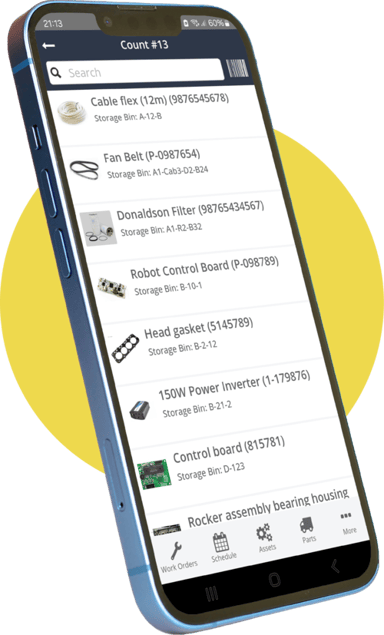
3. Improved Inventory Management: A CMMS can track parts usage and inventory levels, notifying teams when spare parts run low. By automating this process, a CMMS minimizes stockouts and ensures that critical parts are available, reducing repair delays.
4. Enhanced Documentation and Knowledge Sharing: A CMMS can log every maintenance activity, allowing teams to build a comprehensive knowledge base of repair records, recurring issues, and best practices. This historical data enables maintenance leaders to identify failure patterns, which can inform training, asset selection, or changes to maintenance practices.
5. Data-Driven Decision Making: With reporting and analytics features, a CMMS provides valuable insights into asset performance, maintenance efficiency, and areas for improvement. Maintenance leaders can make informed decisions that enhance maintainability over time by analyzing mean time to repair (MTTR), parts usage, or failure frequencies. It can also guide whether to keep repairing or replacing assets.
6. Mobile Access for On-the-Go Maintenance: Many CMMS solutions now offer mobile access, allowing maintenance technicians to access asset information, maintenance schedules, and work orders directly from a tablet or smartphone. This mobility reduces the need for back-and-forth trips to access information, further enhancing efficiency. Read how you can empower your team with mobile-enabled CMMS software.
Enhance Maintainability to Improve MTTR
Enhancing maintainability is vital for maintenance leaders to achieve smooth, cost-effective, and reliable operations. While reliability ensures assets function as intended, maintainability focuses on how easily and quickly assets can be restored to operation when they fail. Implementing strategies like modular design, standardized procedures, and effective training can significantly improve maintainability.
Moreover, leveraging a CMMS provides a structured, data-driven approach to managing assets and ensures that maintenance teams have the necessary resources to keep operations running smoothly. By prioritizing maintainability, maintenance leaders improve their teams' efficiency and extend their assets' lifespan and reliability.